Nova Scotia grown

Nova Scotia grown · Shipped across Canada

Plant food, beauty, habitat, and legacy.

Cold-hardy fruit trees, nut trees, berries, and native plants — nursery-grown in Nova Scotia and shipped across Canada, ready to thrive where you live.

  • Nova Scotia grown
  • Shipped across Canada
  • Seasonal bare-root shipping

Featured collection

We grow and select every plant for resilience, productivity, and beauty — so you can enjoy success for years to come.

  • American Elm TreeIn Stock

    American Elm Tree

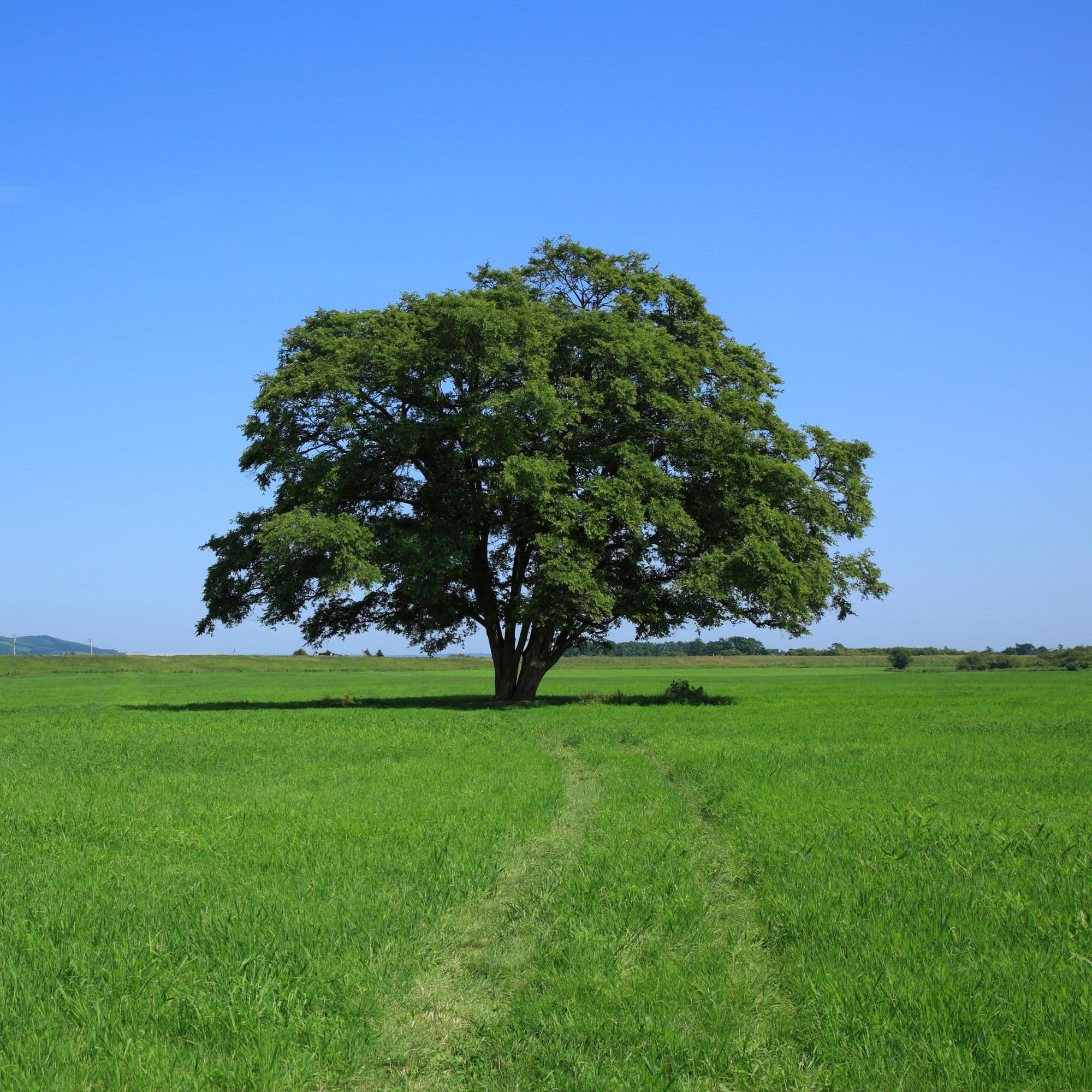
    The American Elm Tree The American elm tree, scientifically known as Ulmus americana , holds a significant place in the cultural and environmental history of North America. This majestic tree is renowned for its impressive height, which can reach up to 100 feet, and its expansive, arching canopy that often spans more than 50 feet. The graceful branches of the American elm create a natural umbrella. It offers shade and beauty to urban parks and rural landscapes alike. Its adaptability to different soil types and climates has allowed it to thrive in a variety of environments. A common sight from the Atlantic coast to the Great Lakes. Historically, the American elm has played a crucial role in American culture. It is often associated with community gathering places. Many towns have planted elms on their main streets, creating picturesque tree-lined avenues. The tree's ability to provide ample shade made it a favored choice for planting near sidewalks and public squares. In terms of ecological significance, the American elm contributes to the biodiversity of its habitat. It supports a variety of wildlife, including birds and insects, which utilize its branches and foliage for shelter and food. However, the American elm has faced challenges due to diseases such as Dutch elm disease. Dutch elm disease has significantly reduced its populations in certain areas. Despite these challenges, efforts to cultivate disease-resistant varieties continue , providing hope for the future of this iconic tree. Iconic North American shade tree known for its tall height and classic vase-shaped form. Fast-growing hardwood , excellent for large landscapes, homesteads, parks, and restoration projects. Tolerates urban conditions , including compacted soil, road salt, and air pollution. Adapts to many soil types — sand, loam, clay — and handles both occasional flooding and drought once established. Excellent habitat value , supporting birds, pollinators, and wildlife. Improved Dutch Elm Disease (DED) tolerance in many modern seed sources (but not fully immune unless a named resistant cultivar). Growth & Planting USDA Planting Zone: 2–9 Sunlight: Full sun to part shade (prefers full sun). Soil: Grows in almost any soil; prefers moist, well-drained loam. pH Range: 6.0–7.5 Spacing: 25–40 ft apart for long-term landscape or restoration planting. Mature height: 60–80 ft (sometimes over 100 ft). Growth rate: Fast — 2–3 ft per year in good conditions. Why American Elm Is Still Planted Today Majestic classic tree with unmatched canopy shape. Great for long-term shade along driveways, fields, and large yards. Ideal for restoration projects , riparian areas, and naturalized plantings. Hardy across nearly all of Canada , including Nova Scotia. Modern seed sources and breeding programs have increased DED resistance compared to historic populations. Conservation Efforts for the American Elm The American elm (Ulmus americana) has long been a beloved tree in the United States. Revered for its architectural beauty and capacity for urban adaptation. This majestic tree faces significant challenges, most notably due to the devastating impacts of Dutch elm disease (DED). This fungal infection, spread by the elm bark beetle and through tree root systems. This has dramatically diminished elm populations since its emergence in the mid-20th century. Symptoms of DED include wilting leaves, premature leaf drop, and dark streaks within the wood, giving rise to rapid tree decline. The disease threatens not only urban specimens but also wild populations, altering ecosystems that rely on the American elm for habitat and food sources. Current conservation efforts aim to combat this crisis on multiple fronts. Research institutions and universities are actively working to develop disease-resistant cultivars. Identifying and cross-breeding elms that exhibit natural resistance to DED,. Growing new seedlings that can be resistant to the diesease. We can reintroduce this vital species into both urban landscapes and forests. Local municipalities, recognize the cultural and environmental significance of the American elm. Then embark on replanting initiatives to restore these trees to their former prominence. Collaborations with environmental organizations bolster these efforts, integrating community education and awareness into their initiatives. Public participation plays a critical role in the conservation of the American elm. Communities are encouraged to engage in local replanting and care activities, increasing the chances of success for newly introduced trees. By fostering awareness of Dutch elm disease and actively participating in conservation initiatives. Individuals can help ensure that the American elm remains a vibrant part of the landscape for future generations. The preservation of this iconic tree is an ongoing effort that benefits not only the species itself but also the broader ecological networks in which it exists.
    CA$11.00from · CAD
    View Plant
  • American PersimmonIn Stock

    American Persimmon

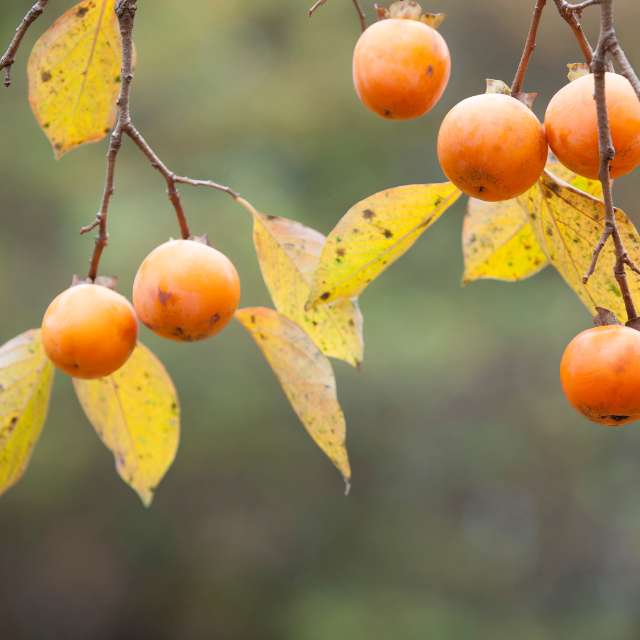
    American Persimmon (Diospyros virginiana) A Grade (Ground-Ready): Stronger, thicker stems for instant planting. B Grade (Ground-Ready): Smaller than A grade and suitable for planting directly in the ground. Pot-Ready: Start in a pot or nursery bed for one season before transplanting. Key Features American persimmon produces rich, sweet, caramel-flavoured fruit that becomes soft and delicious after the first frost. Exceptionally cold-hardy and resilient , thriving in regions far too cold for Asian persimmons. Fragrant spring flowers attract pollinators, followed by glowing orange fruit that ripens in late fall. Known for its strong, durable wood and beautiful natural form, making it both a fruit tree and an ornamental. Excellent for fresh eating (when fully ripe), baking, preserves, and traditional homestead recipes. Growth & Planting USDA Planting Zone: 4–9 (very hardy in the northern U.S. and Canada) Sunlight: Full sun for best fruiting; tolerates part shade. Soil: Adaptable to clay, loam, and sandy soils; prefers well-drained ground. pH Range: 6.0–7.5 Spacing: 20–30 ft for full-size trees. Mature Size: 30–50 ft tall, 20–30 ft wide. Pollination: Many seedlings require a male and female tree for fruiting; some seedlings may be self-fruitful, but not guaranteed. Why Grow American Persimmon? One of the hardiest fruit trees for cold climates, thriving where many fruit species struggle. Low-maintenance, long-lived , and extremely tolerant of drought, poor soil, and tough conditions. Produces flavourful, unique fruit with a taste unlike anything else—perfect for homesteads, food forests, and regenerative plantings. Do I need two trees? Yes — we strongly recommend buying two persimmon seedlings . American persimmons are usually male or female , and seedlings don’t reveal their sex until they’re older. Planting two increases your chances of getting both a male and a female , which means proper pollination and a full crop of fruit . One tree may grow well, but without a pollinating partner, it may not produce persimmons. Appearance: The tree's oval-rounded leaves, measuring 10-15cm, initially emerge as a deep, glossy green when young. As the seasons transition to autumn, this tree dons its finest attire by producing orange-yellow fruits, typically round to oval in shape and measuring 3-5cm in diameter. These fruits are nature's treasures, sweetest after experiencing a touch of chilly weather. Cultivation: American Persimmons thrive in warm, sunny climates, making them an ideal choice for gardens in southern Ontario, British Columbia, Nova Scotia, New Brunswick in Canada. And of course the United States. While they appreciate the sun's warmth, they do not tolerate extreme cold, ensuring their adaptability in a variety of settings. Unique Traits: One of the most captivating features of the American Persimmon is its dioecious nature, which means that individual trees can be male or female. However, the majority of cultivars are self-fertile, producing an abundance of fruit without the need for a male companion. These fruits are a real treat, known for their sweetness and unique flavor profile. They start out astringent when firm but soften as they ripen. Cold-Hardy and Remarkable Storage: What sets the American Persimmon apart is its ability to endure freezing temperatures. Even as winter's chill sets in, these fruits remain edible, standing strong on the tree until December. When they transition to a delightful shade of orange, they're ready to be picked. For those who can't wait, simply place them in a paper bag with apples to expedite the ripening process. Alternatively, you can freeze them overnight for a delectable frozen treat, perfect for enjoying the next day. Why Choose the American Persimmon? Aside from its stunning visual appeal, the American Persimmon is a perfect choice for those seeking a unique addition to their orchard. Its adaptability to various climates, self-fertility, and the exceptional taste of its fruits make it a top contender for both seasoned gardeners and newcomers alike. Plus, its cultural and historical significance adds a layer of depth to your garden's story. Order Yours Today: Experience the charm of the American Persimmon in your own garden. Place your order today at our online nursery. We're dedicated to providing you with healthy, vibrant trees that will thrive and bear delicious fruits for years to come. Transform your landscape with the allure of the American Persimmon – a sweet delight waiting to grace your orchard.

    CA$11.00from · CAD
    View Plant
  • Anise Hyssop Flower SeedsIn Stock

    Anise Hyssop Flower Seeds

    Agastache foeniculum

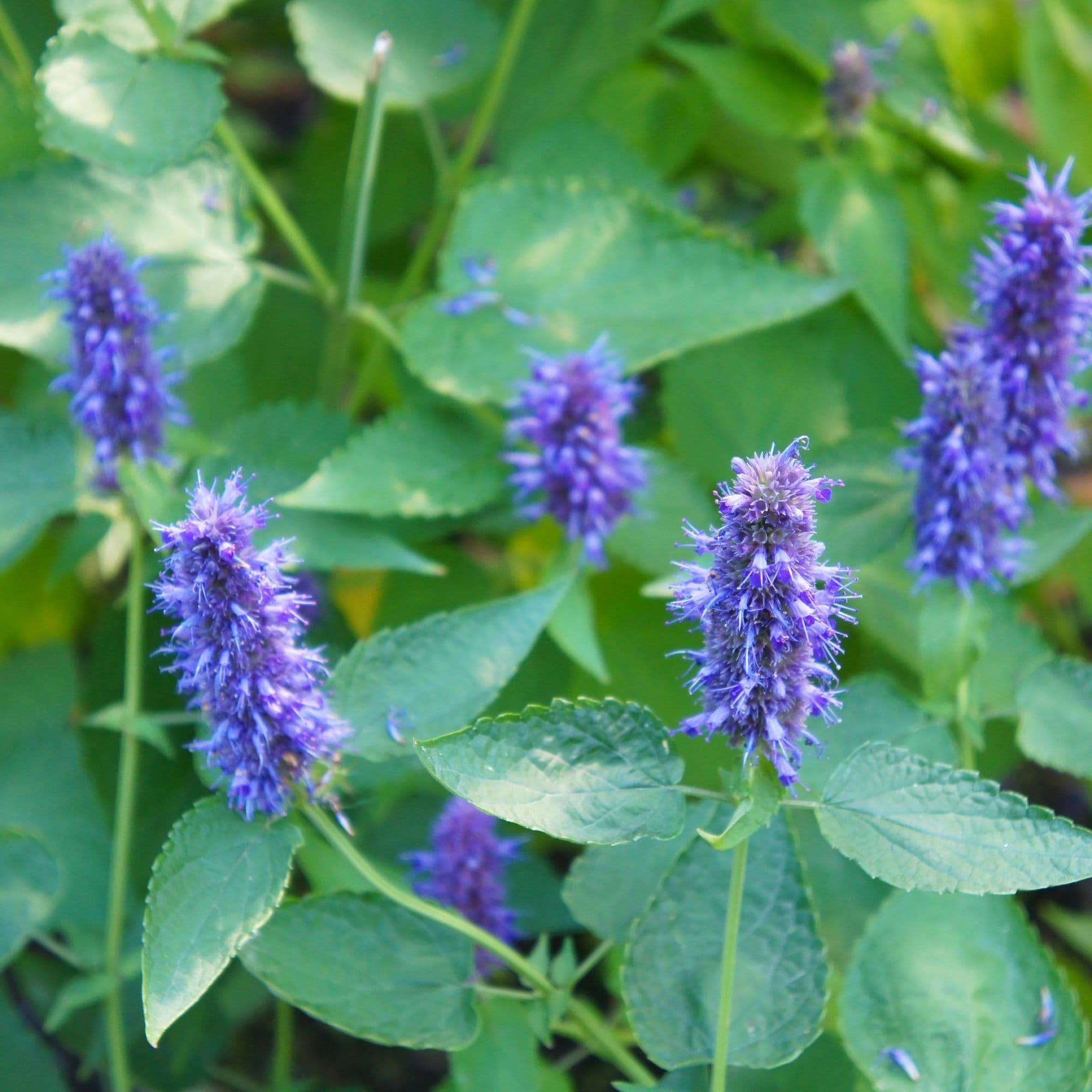
    The Anise Hyssop plant has many names. some like: Giant Hyssop and its latin name Agastache foeniculum These Anise Hyssop packets have 30 seeds in each. Anise hyssop has an erect stature and spikes of lavender blossoms, which make a striking statement in the garden. Anise hyssop, Agastache foeniculum , is a short-lived, edible herbaceous perennial in the Lamiaceae, or mint family. Pick the leaves to make a delicious minty flavoured tea. It’s a native plant suited to gardens in USDA Hardiness Zones 4 to 9. Long used in culinary and medicinal applications, its erect stature and spikes of lavender blossoms make a striking statement in the garden.

    CA$4.00from · CAD
    View Plant
  • Live plants, not just products

    Grown with intention. Delivered with care.

  • Plant now, enjoy for generations

    Long-lived plants that grow in value and beauty.

  • Need help choosing?

    Our team is here to help you find the perfect match.

Shop our collections

Find the perfect plants for your land.

From nut trees and fruit to berries, shrubs, and natives — everything we grow is chosen for our climate and your success.

  • Trusted by Landowners

    Happy customers across Canada.

  • Canadian Grown

    Proudly grown in Nova Scotia for our climate.

  • Nursery Raised

    Stronger roots and better survival rates.

  • Carefully Packed

    Every order is packed with care and shipped safely.

Our promise

Quality plants. Real results.

We don't just grow plants — we grow confidence. Every seedling is raised with care so you can plant with confidence and build a legacy that lasts for generations.

Learn more about us
  • Strong Roots

    Deep, healthy roots for long-term success.

  • Proven Genetics

    Selected for productivity, hardiness & flavour.

  • Grown for Our Climate

    Raised in Nova Scotia for short summers and cold winters.

  • A Legacy You Can See

    Plant today. Harvest for decades. Impact for generations.

Seasonal spotlight

Timely Picks For Every Season

Hand-selected plants and collections that shine right now.

Featured this season

Fall Planting Collection

Fall is nature's planting window: warm soil, cool air, and months for roots to establish before spring. Set your garden up for a head start next year.

  • Strong Roots

    Ideal soil & days for success

  • Perfect Timing

    Seasonal varieties that thrive

  • Healthy Starts

    Nursery grown with care

  • Built to Last

    Resilient plants for years to come

Popular this season:HazelnutElderberryHaskapNative Shrubs
  • Grown With Purpose

    Sustainably grown with care for people and the planet.

  • Local & Climate Ready

    Selected for Atlantic Canada and the changing climate.

  • People You Can Trust

    Real support before, during, and after your order.

Need help deciding?Talk to a Plant Expert

How shipping works

Reserved now. Shipped when it's time to plant.

Bare-root plants ship dormant in spring and fall — the healthiest, most affordable way to move living trees. Here's how it works.

  1. 1

    Order reserved

    Your plants are set aside and grown on for you.

  2. 2

    Dug fresh in season

    Lifted dormant, at the healthiest moment to move.

  3. 3

    Roots packed with care

    Moist, protected, and ready for the journey.

  4. 4

    Shipped in your window

    Timed to your zone's ideal planting weeks.

  5. 5

    Guidance included

    Planting instructions arrive with every order.

Spring & fall shipping windowsLocal pickup in Nova ScotiaDormant = healthier transplants
Good things grow with good timing.

Know your zone

Find plants that belong where you live.

Canada spans hardiness zones 0 through 8 — and the right plant in the right zone is the difference between surviving and thriving. Every plant we sell shows its zone range, so you can buy with confidence.

Open the Zone Finder
Zone 2Zone 3Zone 4Zone 5Zone 6Zone 7Zone 8

Hardiness zones across Canada — from northern prairies to the south coast.

Est. Nova Scotia

From the farm

Grown the slow, honest way

Little Tree Farm is a small nursery, not a warehouse. Every tree that leaves here was grown in our fields and handled like it's headed to family land — because it is.

  • Grown here, not brokered

    Raised in Nova Scotia soil from seed and cutting — no reselling of warm-climate stock.

  • A working family farm

    Real fields on Wentzell Lake, tended year-round by the people who answer your emails.

  • Dug fresh, packed by hand

    Lifted dormant at the right moment, roots wrapped moist for the trip to your door.

  • Backed by our guarantee

    Every plant is covered by a live-arrival promise, plainly written.

See How We GrowRooted in Nova Scotia. Growing for Generations.

From gardens across Canada

Planted with confidence.

Growers from coast to coast trust our plants to take root and thrive.

  • Every tree arrived dormant, healthy, and clearly labelled — planting instructions included. All three leafed out beautifully this spring.

    M. LeBlanc · Nova Scotia

  • Ordered a windbreak's worth of native shrubs. The packing was the best I've seen from any mail-order nursery, and everything took.

    S. Whitford · New Brunswick

  • Our haskaps fruited in year two, exactly as promised. The honest “not ideal for” notes on every plant page earned my trust.

    J. Aylward · Ontario

The Roots Club

Grow with the seasons

Seasonal planting reminders, rare-plant drops, and growing guides from the nursery — a few good emails a year, nothing more.

From our nursery to your land

Start with one tree. Build a landscape for generations.