Nova Scotia grown

Collection

Nut Trees

13 plants

Plant long-term food, shade, and generational value.

Filters

My hardiness zone

Zone 20Zone 31Zone 43Zone 53Zone 63Zone 73Zone 82

Pick your zone — we'll show only plants that thrive there.

Sunlight

Care level
Growth rate
Soil moisture
Mature height
Nature & wildlife
Harvest & readiness
Good to know
  • Black WalnutShips SpringIn Stock

    Black Walnut

    Juglans nigra

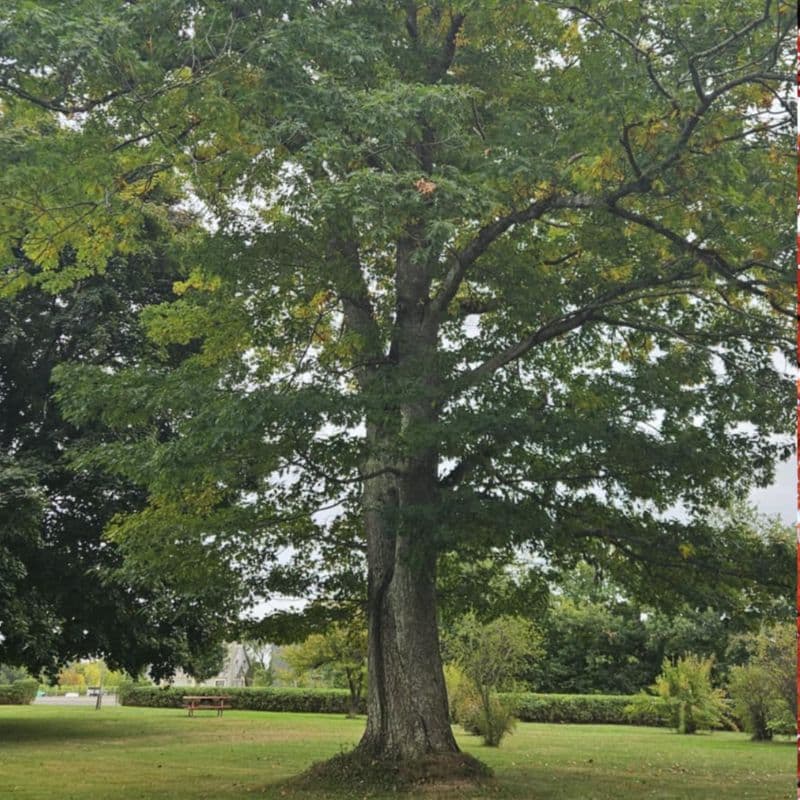
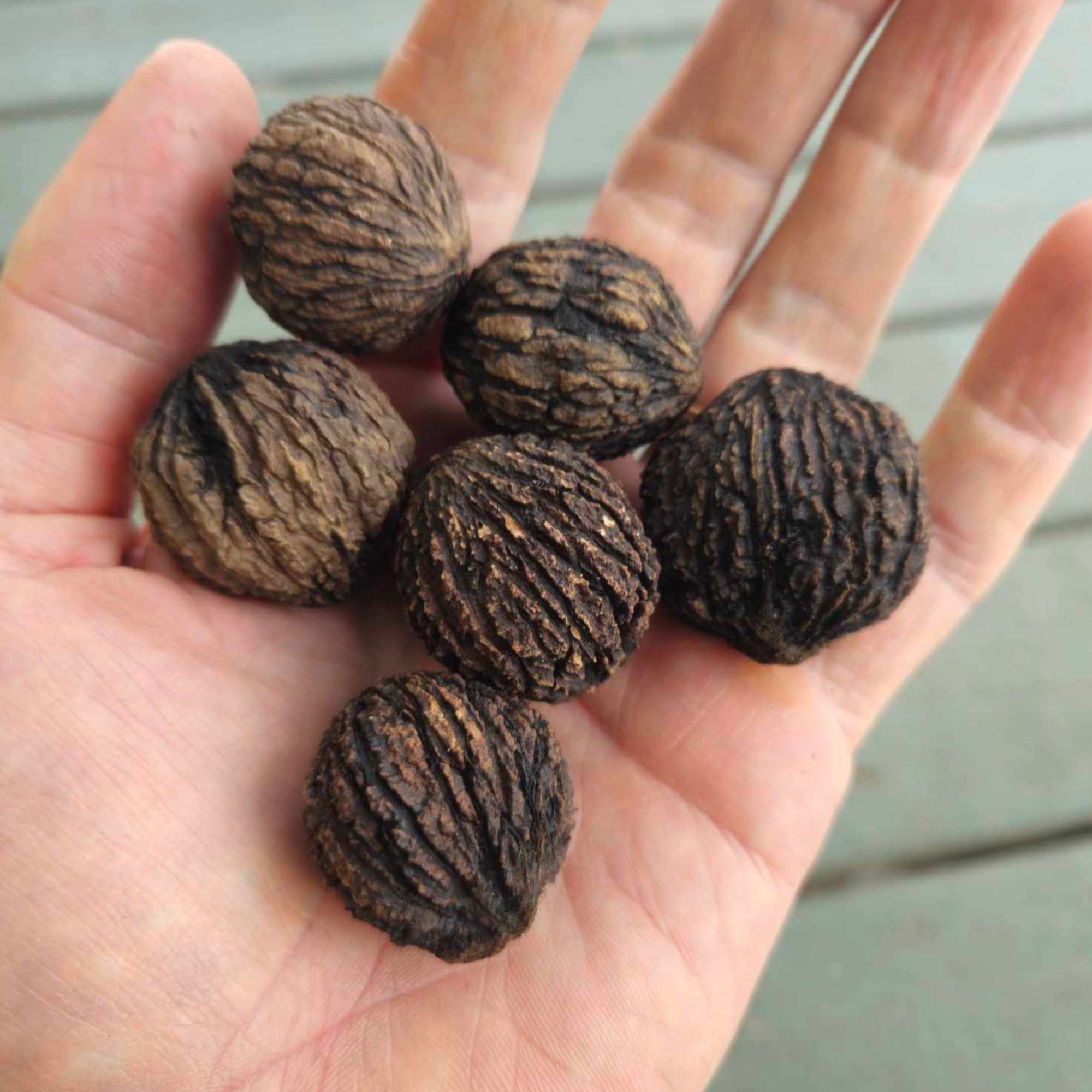
    If you're looking for the ultimate food forest tree , then the Black Walnut is an essential addition. It is the powerhouse of nut trees — tall, strong, and sturdy, yet with a surprisingly tropical appearance. The long leaves sway in the wind in a way that almost resembles palm trees. It can be used as: A backdrop for your garden or landscape A tree in an orchard-style setting A striking feature tree in the front or backyard And best of all — it produces delicious edible nuts . Nut Production Edible nuts are of course the main reason many growers choose the Black Walnut tree. The tree begins producing delicious nuts at around 8 years of age . Unlike the typical walnut found in supermarkets, the Black Walnut has a unique flavour profile — smoky, bold, rich, and hearty. Once cracked from the shell, the nuts can be enjoyed: Raw In baking In cakes and cookies Harvesting Nuts Black walnuts are one of the easiest nuts to harvest . Each autumn, the nuts fall naturally from the tree to the ground, making collection simple. Just gather the green, golf-ball-sized husks and place them in a bucket or bag. Depending on growing conditions, some nuts may grow even larger. If you have multiple productive trees, selling the nuts can also become a small source of income . Timber Value Black Walnut is also highly valued for timber production . The wood is extremely sought after by furniture makers due to its: Strength Durability Beautiful dark colour Large mature Black Walnut trees have been known to sell for tens of thousands of dollars . On average: 40- 60 year-old trees grown for timber and veneer can be valued at between $1,000 - $5000 each With approximately 25 trees per acre , timber value could reach $30,000 - $125,000 per acre Allowing trees to mature for 50 years or more can significantly increase this value. Pollination For best nut production, it is recommended to plant at least two Black Walnut trees . Planting multiple trees improves pollination and helps ensure a healthy nut harvest. Mature Tree Size Black Walnut trees can grow to a mature height of approximately 80 feet . With good growing conditions and plenty of sunlight, they grow quickly and can reach 50 feet in height within a few decades . Sun or Shade? Black Walnut is naturally a forest tree . It can tolerate partial shade, but full sun will produce the best nut yields . Planting Instructions Your Black Walnut trees are shipped as bare-root seedlings approximately 1–3 feet tall . Roots are carefully wrapped and kept moist during shipping. When planting: Dig a hole about 1.5 times the size of the root system Add compost or rich soil if available Plant within 3 days of receiving the tree Spacing Black Walnut trees can be planted as close as 10 feet apart , but for orchards and timber production, spacing of around 20 feet apart is recommended. Ordering Instructions Select the quantity of Black Walnut tree seedlings Click Add to Cart Complete checkout using card, PayPal, or e-transfer Our bare-root tree sale is currently active , and quantities are limited each year. Don’t miss out — complete your Black Walnut tree order today . Sizes A Grade (Ground-Ready): Stronger, thicker stems for instant planting. B Grade (Ground-Ready): Thinner stems, but still suitable for planting directly in the ground.

    • Zone 4–9
    • 75 ft
    • Full Sun
    CA$13.00from
    View Plant
  • Buartnut TreeIn Stock

    Buartnut Tree

    SIZES: A Grade (Ground-Ready): Stronger, thicker stems for instant planting. B Grade (Ground-Ready): Smaller than A grade and suitable for planting directly in the ground. This Buartnut tree is a cross between a Heartnut and a Butternut tree. Growing to a height of 50 feet in some cases. Trees can be pruned to take on one leader. But if left unattended it can branch out in a shrub like formation but 50 feet high. Amazing right? The Heartnut was introduced from Japan over 100 years ago as one of the best nut tree species. The Butternut is a New Brunswick native tree, which thrives in swampy and cold climates. The Buartnut tree has taken on the best qualities of these 2 trees and is very cold hardy and thrives in all types of soils. Grows from zone 3 - 8 It also has luxurious, almost tropical foilage, the buartnut provides a dense shade, yet grass still grows under it. Buartnuts, along with other members of the japanese walnut species, thrives in both clay and sandy soils. Nut tree experts describe it as a "veritable goat in it's feeding habits, making it a rapid grower." Buartnut Tree The nut form can differ slightly. Usually round to oval shape with a flat base and pointed tip. On the tree you see green pods produced in a cluster. Sometimes ten or more. Their flavour is creamy, smooth and buttery which tastes much like the Butternut. Generally the tree tends to bears annually. In it's native home, the parent trees grow throughout zones 3 - 8 We know of these nut trees growing from Nova Scotia to New Foundland across Ontario and further. It is a hardy and adaptable tree, capable of growing in a wide range of climates and soil types. Buartnut trees require cross-pollination to set fruit. Ensure that you have at least two buartnut trees in close proximity to facilitate pollination and maximize nut production. (Maximum approx 50 feet)

    CA$13.00from
    View Plant
  • Burr OakIn Stock

    Burr Oak

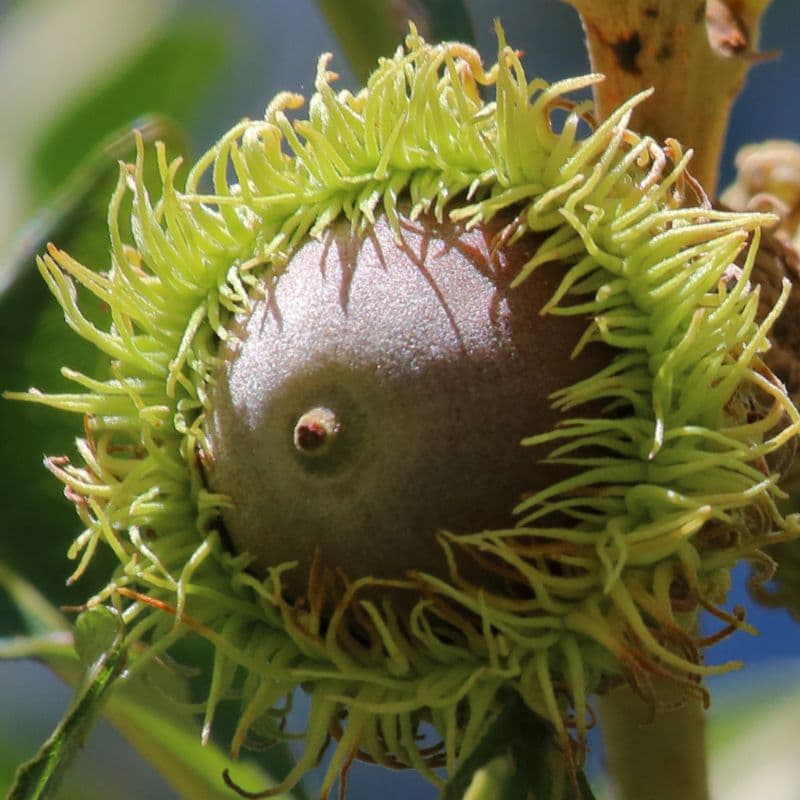
    The Burr Oak, also known as Bur Oak, is a hardy, long-lived tree perfect for both ornamental and functional purposes in your garden or landscape. Known for its rugged beauty and adaptability, this native North American oak is an excellent choice for those looking to plant a resilient and productive tree. SIZES. A Grade: 8 plus inches B Grade: 5 plus inches Key Features Hardiness Zone : Thrives in Zones 3–8, making it suitable for a wide range of climates, including cold northern areas. Soil Requirements : Adaptable to various soil types, including clay, loam, sandy, or even slightly alkaline soils. Prefers well-drained conditions but tolerates occasional flooding. Growth Habit : A slow-growing, deciduous tree with a majestic, rounded crown. Mature Burr Oaks can reach a height of 70–80 feet and a width of 60–80 feet, creating a broad and imposing canopy. Flowering Time : Produces inconspicuous yellowish-green flowers in spring, typically from April to May, depending on your region. Fruit and Uses Acorn Characteristics : Burr Oak acorns are among the largest of all oak species, measuring up to 2 inches long and featuring a fringed cap that gives the tree its name. Ripening Time : Acorns mature in early autumn (September to October). Uses : While bitter due to tannins, Burr Oak acorns can be leached and ground into flour for cooking. They also provide a vital food source for wildlife, including squirrels, deer, and birds. Additional Information Light Requirements : Prefers full sun but can tolerate partial shade. Water Needs : Once established, the Burr Oak is drought-tolerant but benefits from occasional deep watering during prolonged dry spells. Longevity : A long-lived species, with some trees living for over 300 years. Wildlife Benefits : Provides habitat and food for a variety of wildlife, including nesting sites for birds and shade for larger mammals. Pest and Disease Resistance : Generally resistant to pests and diseases, though occasional issues with oak wilt or powdery mildew may occur in less-than-ideal conditions. Why Plant a Burr Oak? The Burr Oak’s towering stature and resilience make it an excellent choice for shade, erosion control, or as a focal point in your landscape. Its large acorns and rugged bark add seasonal interest, while its adaptability ensures success in a wide range of environments. Whether you’re creating a naturalized woodland or simply seeking a low-maintenance shade tree, the Burr Oak is a timeless addition to any property

    CA$7.00from
    View Plant
  • ButternutShips SpringIn Stock

    Butternut

    Juglans cinerea

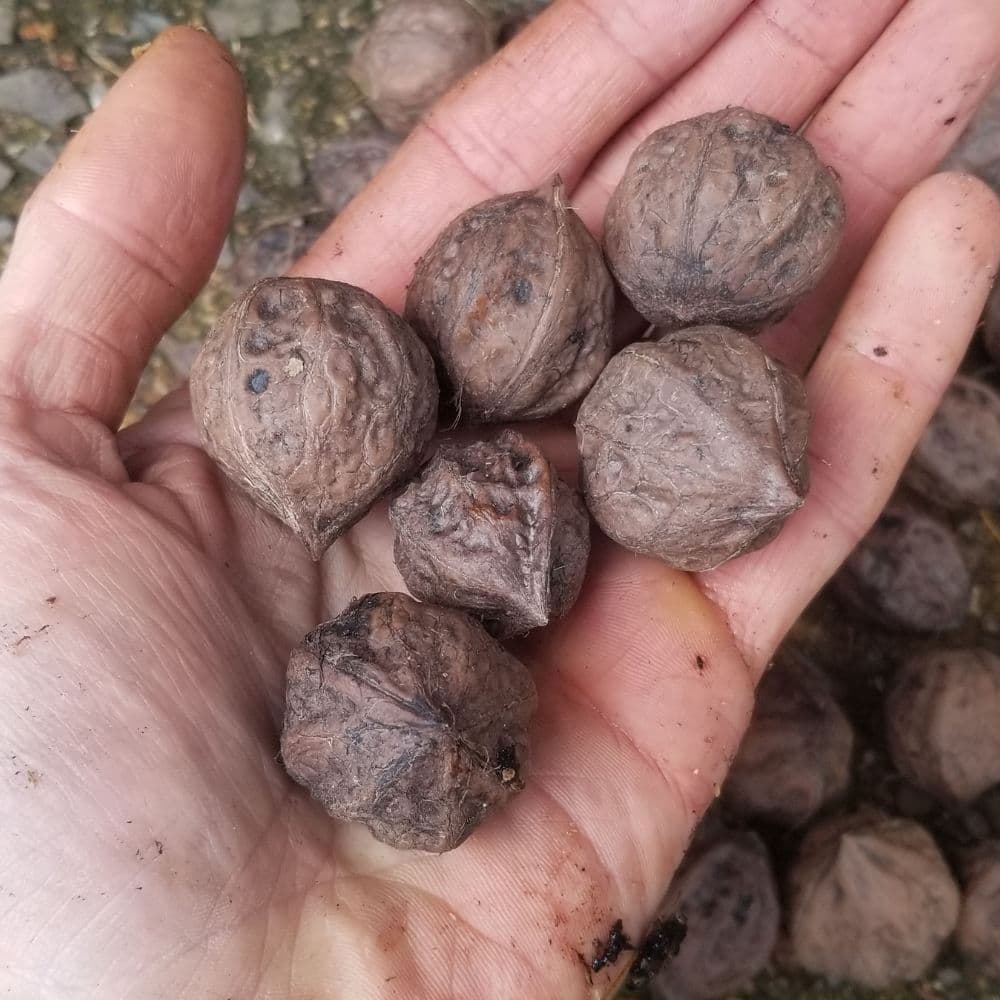
    Growing Zone: 3 - 7 SIZE: A Grade (Ground-Ready): Stronger, thicker stems for instant planting. B Grade (Ground-Ready): Smaller than A grade and suitable for planting directly in the ground. HYBRID BUTTERNUT: cross pollinated with extreme butternut qualities. The butternut tree, also called white walnut was once a very familiar and pleaseant site along the country roads and woodlands in North America, but in recent years it is little to be seen. The old butternut trees would probably still be here were it not for the blight and oyster-shell scale. A native tree of New Brunswick, Canada , there are rare pockets of older trees. Classified as an endangered species by the New Brunswick Nature Trust. This means that without some form of action, they could disappear from Canada or the entire planet. The butternut, named for its rich, delicious nuts , which are produced each year and in abundance every two to three years. This species grows well in open areas and is typically found at the edge of floodplains, along streams, and on rich upland sites. With links to a Canadian viking visit. Hardy throughout most of Canada and the United States butternuts can reach a height of 90 feet at a very old age. Juglans Cinerea Scientifically known as Juglans cinerea, is a deciduous tree belonging to the walnut family (Juglandaceae). Native to eastern North America and is closely related to the black walnut and the Japanese walnut, sharing similar characteristics and growing habits. Known for its elegant appearance , usually growing around 50 to 60 feet (15 to 18 meters). With a spread of about 40 to 50 feet (12 to 15 meters). It features a broad, rounded crown and attractive compound leaves. The foliage turns a striking golden yellow in the autumn , adding a touch of warmth to the landscape. This majestic tree prefers well drained soils. It grows well along the edges of rivers and brooks and watersheds in the New Brunswick area. It thrives in full sun to partial shade. It can tolerate a range of soil types, including sandy, loamy, and clay soils. However, it tends to perform best in deep, fertile soils. With a moderate growth rate and can live for several decades, providing shade, beauty, and a bountiful harvest of nuts. Butternut Tree Nut The Butternut tree produces oblong nuts with a rough, thick husk. When split open to reveal the sweet, oily kernel inside. The nuts have a buttery rich flavor. Its sweet, oily nuts, elegant appearance, and adaptability to a variety of soil types make it a desirable tree for both ornamental and edible purposes. However, the Butternut tree faces challenges from the butternut canker disease, which has significantly impacted its population. Grow your butternut tree today to help to conserve and protect this unique and valuable species, ensuring its survival for future generations to enjoy.

    • Zone 3–7
    • 50 ft
    • Full Sun
    CA$13.00from
    View Plant
  • Chestnut TreesIn Stock

    Chestnut Trees

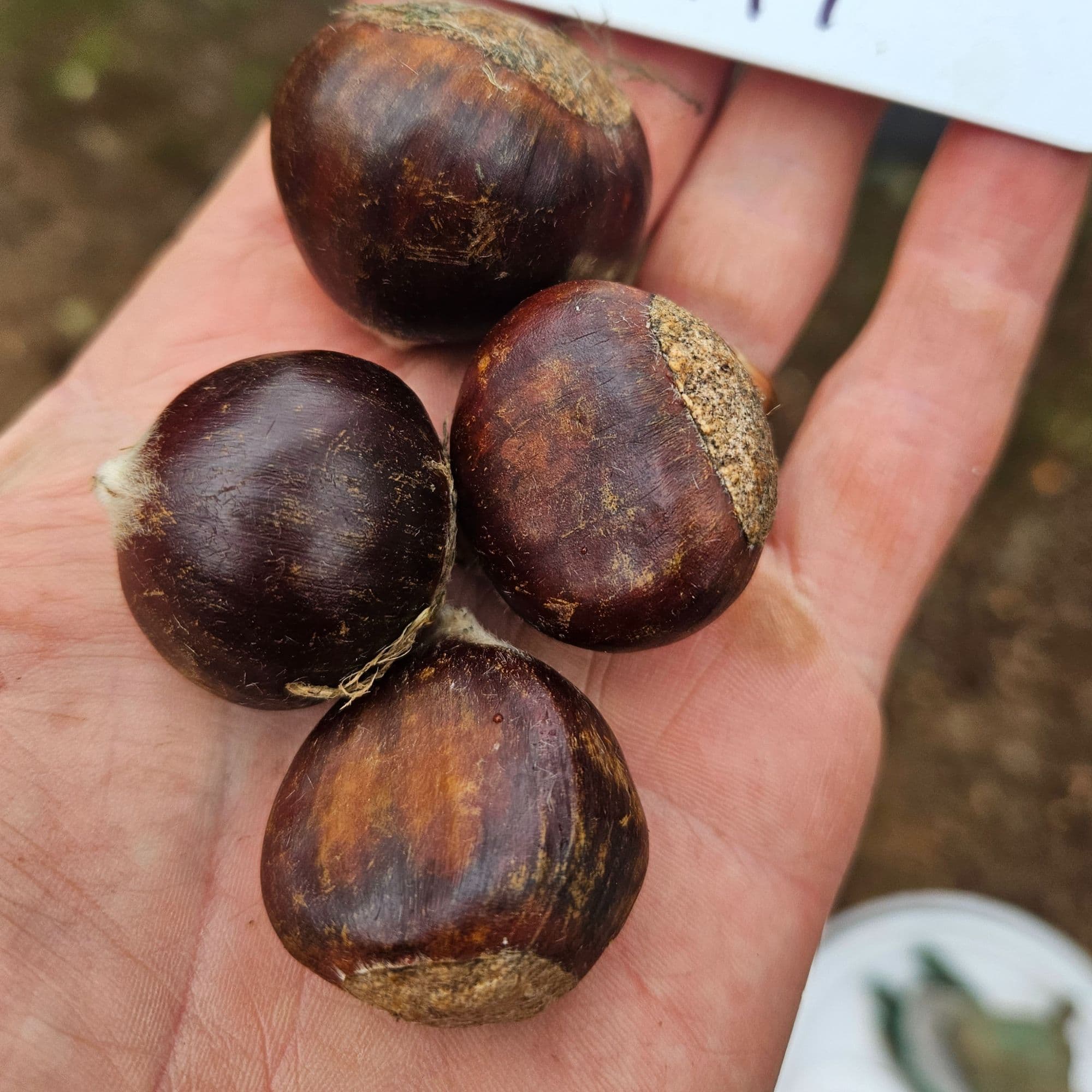
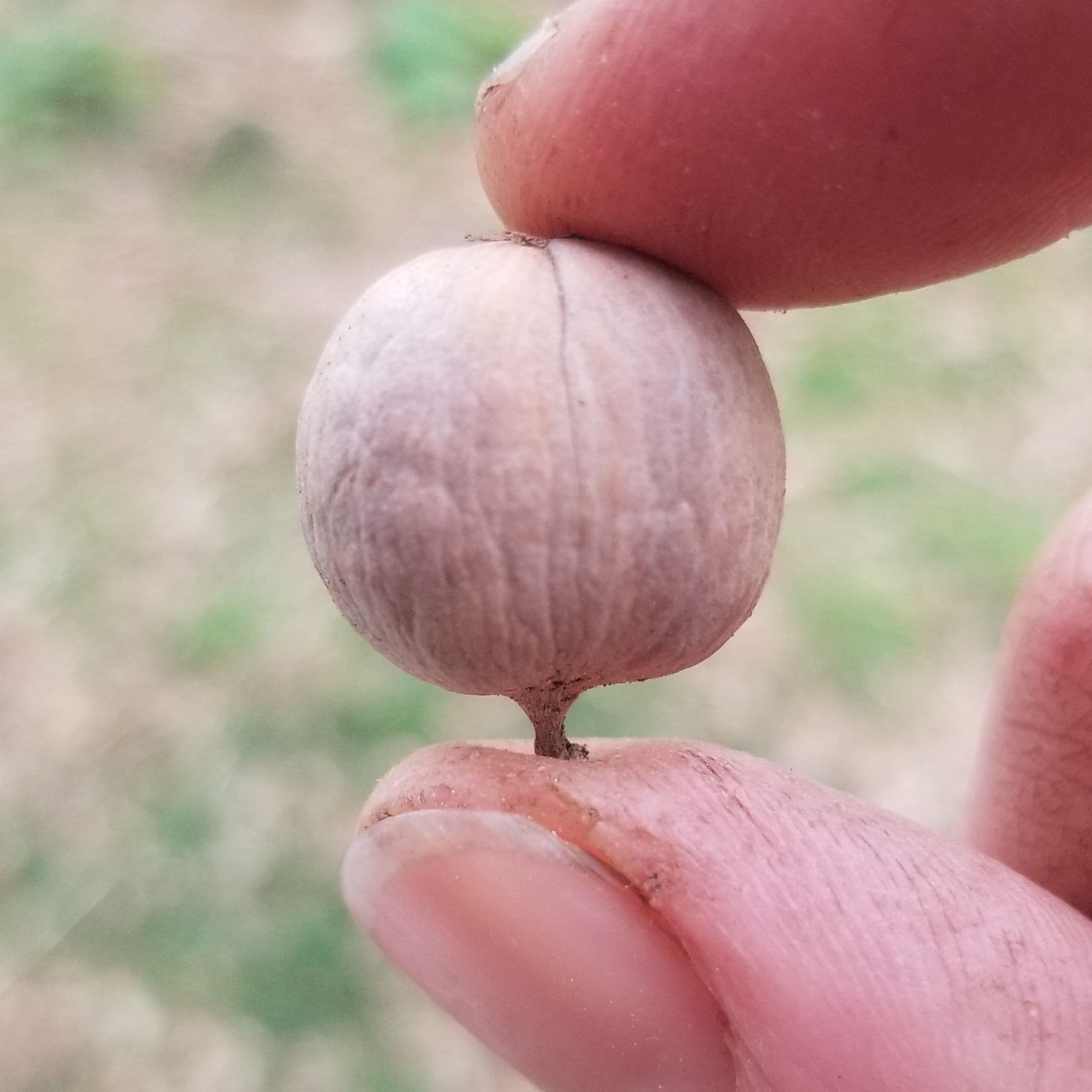
    Sweet Chestnut Trees – Grow Your Own Edible Chestnuts Sizes A Grade (Ground-Ready): Stronger, thicker stems for instant planting. B Grade (Ground-Ready): Thinner stems, but still suitable for planting directly in the ground. Pot-Ready: Start in a pot or nursery bed for one season before transplanting. Tree Characteristics Hardiness Zones: 5–9 Mature Height: 40–60 feet Mature Width: 30–40 feet Growth Habit: Fast-growing, upright, and spreading, developing a broad canopy as it matures. Soil Requirements: Thrives in well-drained, slightly acidic to neutral soils ( pH 5.5 to 6.5 ). Prefers loamy or sandy soil but will tolerate clay with proper drainage. Does not like overly wet soil. Sunlight: Full sun is essential for optimal growth and nut production. Watering: Requires moderate watering, especially during dry periods. Flowering and Nut Production Flowering Time: Blooms in late spring to early summer ( June–July ), producing showy catkins that attract pollinators. Fruit Size: The spiny burrs contain 2–3 sweet chestnuts each , about 1 to 1.5 inches in diameter . Harvest Time: Nuts are ready for harvest in late fall (October) , when the burrs split open naturally and drop ripe chestnuts to the ground. Uses of Sweet Chestnut Trees Once harvested, chestnuts can be: Roasted (over an open fire, of course) Boiled Used in a variety of recipes From stuffing to chestnut flour for baking , chestnuts are high in carbohydrates and fiber, making them a nutritious addition to your diet. Planting & Care Tips Spacing: Plant chestnut trees about 30–40 feet apart to give them plenty of room to grow. Pollination: Although partially self-fertile, planting more than one tree will increase nut production through cross-pollination . Pruning: Minimal pruning is required, but occasional thinning of the canopy can help improve air circulation and sunlight penetration . With proper care, the Sweet Chestnut Tree will reward you with both beauty and bounty for many years. Perfect for growers in Zones 5–9 , this versatile tree thrives in a variety of soil types and makes an excellent addition to orchards, food forests, or large garden spaces .

    CA$11.00from
    View Plant
  • Hazelnut TreeShips SpringIn Stock

    Hazelnut Tree

    Corylus americana

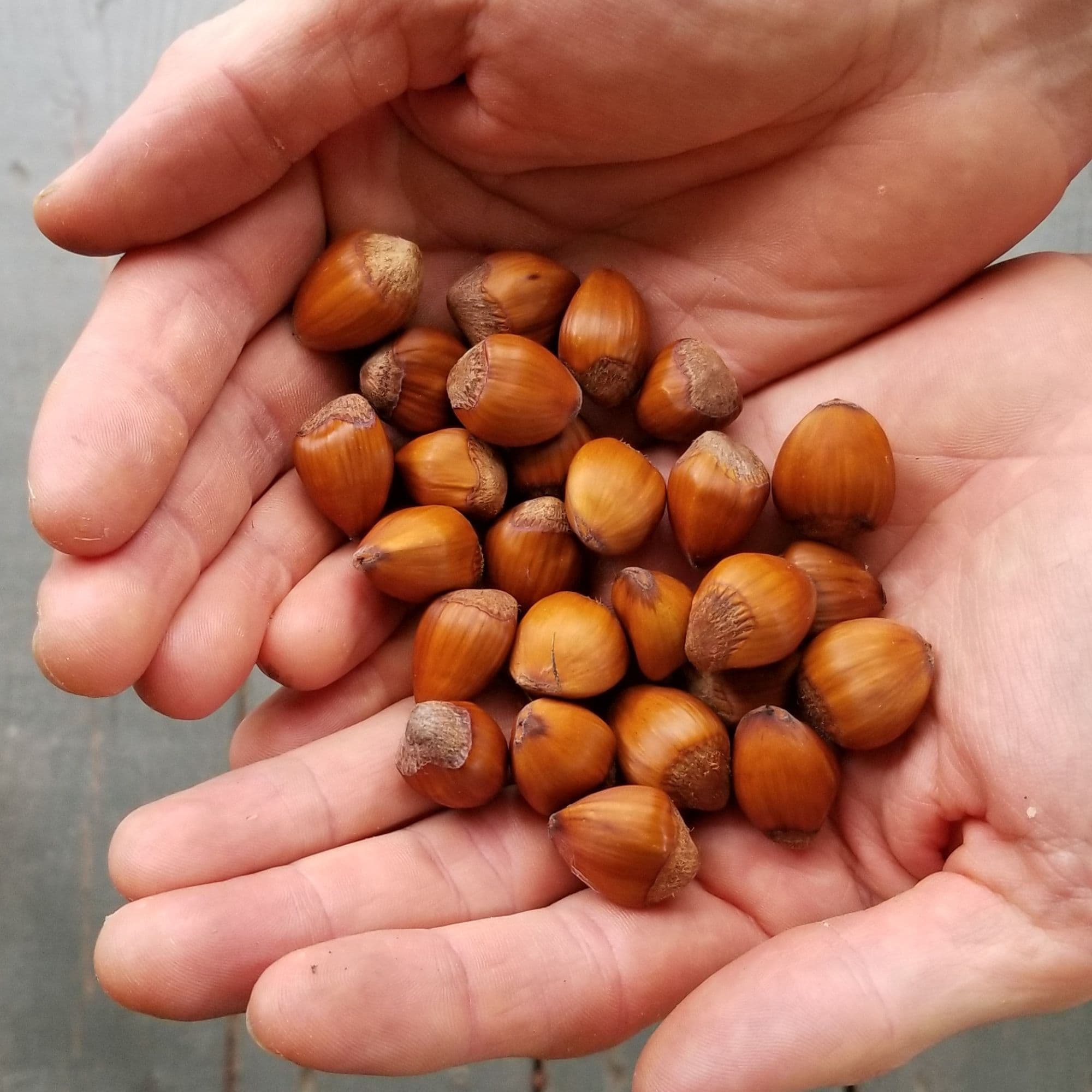
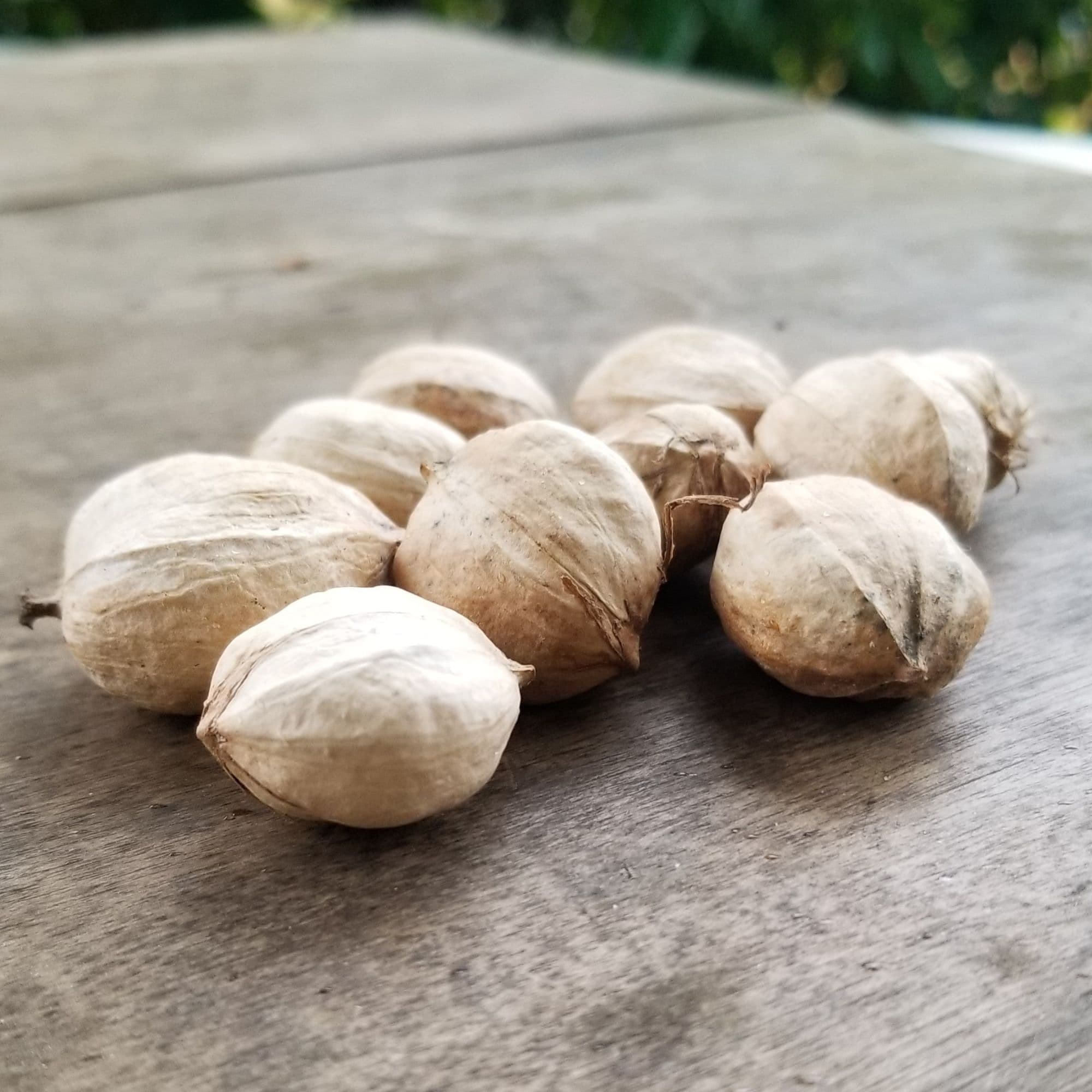
    No Hazelnuts shipped to BC. 5 Great Reasons to Plant a Hazelnut Tree Easy-to-crack shell. Easy to pick from the tree. Produces nuts in 3–5 years . Fast-growing tree. Versatile! Plant as a hedge, on its own, or in an orchard. Choose between 4 different hazelnut tree seedlings : Geneva – Biggest nut Het 3 – A sweet nut Northern – Most cold-hardy nut Slate – All-rounder Did You Know the Hazelnut Tree Needs a Partner Tree? Yes, that’s right. The hazelnut tree needs a pollinator tree to produce nuts. Pick at least two different varieties when selecting your hazelnut tree seedlings. Our hazelnut trees are shrub-like trees , growing to a height of about 15–25 feet . The hazelnut tree has a round, spreading crown and produces small, fragrant flowers in the spring . These flowers develop into groups of 1–4 green husks with nuts inside . They mature into the delicious brown hazelnuts we are all familiar with and enjoy eating. Easy-to-Crack Nuts All nuts need to be cracked, and hazelnuts are among the easiest . The shell is thin and the kernels are large . Once you collect your hazelnuts from the tree, simply use a regular kitchen nutcracker to enjoy their flavour. Easy Harvesting Because the hazelnut tree is smaller than most nut trees , it’s easy to harvest. The nuts usually grow within arm’s reach , and the higher branches are flexible enough to pull down to your level or to your picking partner’s baskets. Pick them when the nut twists easily inside the husk . One of the Fastest Nut Trees to Produce Among nut trees, the hazelnut is one of the quickest to produce . Our trees are grown in high-quality composted soil mix and typically reach 2–3 feet in their first year . Some growers have seen nuts within the first 3 years , though most will begin producing in 3–5 years — much faster than other nut trees that may take 8+ years . Fast-Growing and Easy to Maintain Hazelnut trees grow quickly once planted in their permanent location. Adding compost and mulch each year will help encourage new shoots and keep the plant healthy. Planting Your Hazelnut Tree We ship our trees bare-root . The roots are wrapped and kept moist during shipping. Plant your trees within 3 days of receiving them . Hazelnuts are great for: Privacy hedges Garden borders Shelter for other plants Orchard plantings If planting an orchard, space trees about 20 feet apart for best growth and productivity. Choosing Your Hazelnut Tree Choose from four varieties of hazelnut seedlings : Geneva – Biggest nut Het 3 – Sweet nut Northern – Most cold-hardy Slate – All-rounder with medium-sized, tasty nuts For proper pollination and nut production, plant at least two different varieties . Tree Size Options A Grade (Ground-Ready): Stronger, thicker stems for instant planting. B Grade (Ground-Ready): Smaller than A grade but still suitable for planting directly in the ground. Pot-Ready: Start in a pot or nursery bed for one season before transplanting. Hazelnut Varieties (Seedling-Grown) Geneva Hazelnut – Bare Root High-performing hybrid tree Prolific nut producer Large, slightly oval nuts Harvest in mid to late September Often used as a pollinizer Grows well in Zones 5–8 Female flowers are hardy in Zones 6–8 Het 3 Hazelnut – Bare Root Smaller tree with high yield efficiency Sweet-tasting nuts Higher kernel percentage with medium-sized nuts Earlier nut maturity Well suited to small orchards or backyard gardens Recommended for Zones 6–8 Northern Hazelnut – Bare Root Thrives in cold climates Hybrid including Asian hardy hazelnut genetics Smaller than standard European varieties Typically reaches 10–14 feet tall (3–4 m) Hardy to Zone 3b , and may survive in Zone 3a Slate Hazelnut – Bare Root Cold-hardy selection bred for northern climates Reliable production with strong disease resistance Medium-sized nuts with good flavour Dense, rounded shrub 8–12 feet tall (2.5–3.5 m) Excellent for hedges, food forests, and mixed plantings Hardy in Zone 5 , may survive in Zone 4 with protection Ordering Your Hazelnut Trees From the drop-down menu, select your preferred hazelnut tree seedlings . Add the quantity of trees to your cart and proceed to checkout. You can pay easily using a credit card, PayPal, or e-transfer . Our bare-root plant sale is on now , but supplies are limited each year. Don’t miss out — choose your hazelnut trees today! Important Note About Seedling Trees These hazelnuts are seedling-grown here at our nursery , not cloned or grafted cultivars. Each plant is genetically unique , meaning growth habits, nut size, flavour, and productivity may vary. Seedling hazelnuts are hardy, resilient, and excellent for hedgerows, wildlife plantings, and food forests .

    • Zone 4–8
    • 15 ft
    • Full Sun
    CA$9.00from
    View Plant
  • Hickory Bitternut TreeIn Stock

    Hickory Bitternut Tree

    Hickory Bitternut Tree The Hickory Bitternut tree, scientifically known as Carya cordiformis, belongs to the Juglandaceae family and is recognized for its significant ecological and economic contributions. This deciduous hardwood tree is native to the eastern United States and parts of Canada, thriving predominantly in well-drained, moist soils found in mixed forests and along riverbanks. Its growth range typically spans from 50 to 75 feet in height, with some exceptional individuals reaching even greater stature, making it a prominent feature in its natural habitat. One of the defining physical characteristics of the Bitternut Hickory is its smooth, yellow-brown bark which exhibits a unique texture that becomes more ridged with age. This bark coloration provides a striking visual contrast to the vibrant foliage. The tree's leaves are compound, usually consisting of 5 to 9 leaflets that exhibit a glossy green hue. This foliage not only enhances the aesthetic appeal of the tree but also plays an essential role in photosynthesis, contributing to the overall health and growth of the species. Ecologically, the Bitternut Hickory is a vital component within its environment. It serves as an important source of food for various wildlife species, including squirrels and birds, that consume its nutmeat. The tree also provides shelter for numerous organisms, contributing to the biodiversity of the forest ecosystem. In terms of habitat preferences, the Bitternut Hickory excels in moderately well-drained soils that are rich in organic matter, and it thrives in areas that receive ample sunlight. Its adaptability allows it to flourish in a range of soil types and moisture levels, which further supports its broad distribution across North America. Importance of The Hickory Bitternut Tree The Hickory Bitternut tree (Carya cordiformis) serves numerous important functions, both in human applications and ecological systems. One of its most notable features is its wood, which is exceptionally hard and resilient. This quality makes Bitternut Hickory an excellent choice for a variety of uses, including furniture, cabinetry, and tool handles. Craftsmen and manufacturers have long appreciated the durability of hickory products. The wood's strength withstands heavy use, making it ideal for items subjected to wear, such as sporting goods and flooring. Additionally, hickory wood can be valued for its aesthetic appeal, often showcasing beautiful grain patterns and a rich color, which enhances its desirability in design projects. In addition to its practical applications, the Hickory Bitternut tree plays a significant role in supporting local wildlife. The nuts produced by these trees are an important food source for a range of species, including birds, squirrels, and other small mammals. The nutritional value of hickory nuts contributes to the survival and reproduction of these animals, fostering biodiversity in ecosystems where Bitternut Hickory forests thrive. Furthermore, the tree itself provides shelter and habitat, offering branches and foliage that support various forms of wildlife. Moreover, there is emerging interest in the medicinal potential of Bitternut Hickory extracts. Some studies suggest that components derived from hickory may possess anti-inflammatory and antimicrobial properties, though more research is necessary to fully understand their benefits. The cultural significance of the Bitternut Hickory should also be acknowledged, as indigenous communities have utilized this tree for centuries in rituals and practical applications. From crafting tools to preparing food, the Bitternut Hickory has earned its place not only in the natural world but also in the heritage of human practices.

    CA$15.00from
    View Plant
  • Heartnut TreeIn Stock

    Heartnut Tree

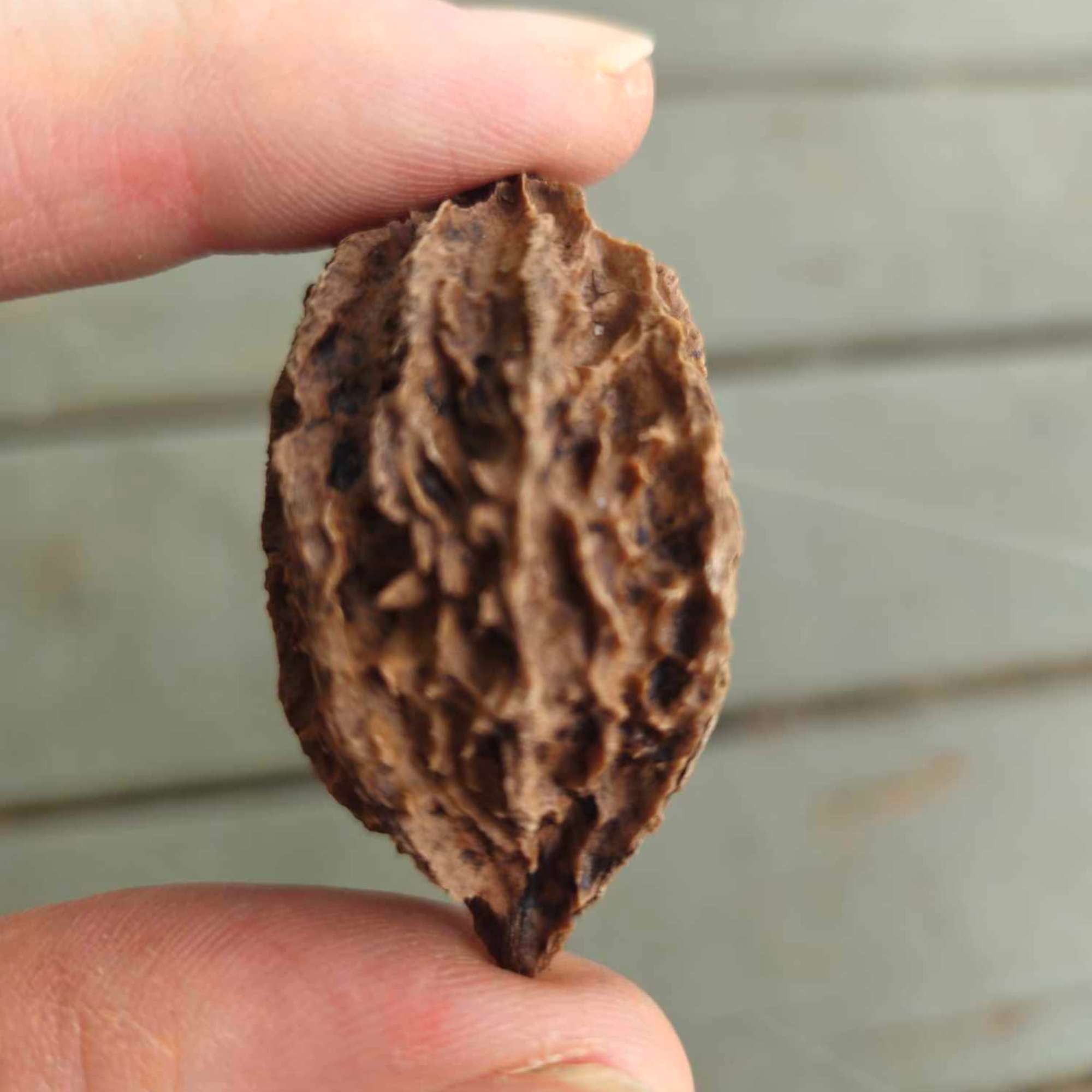
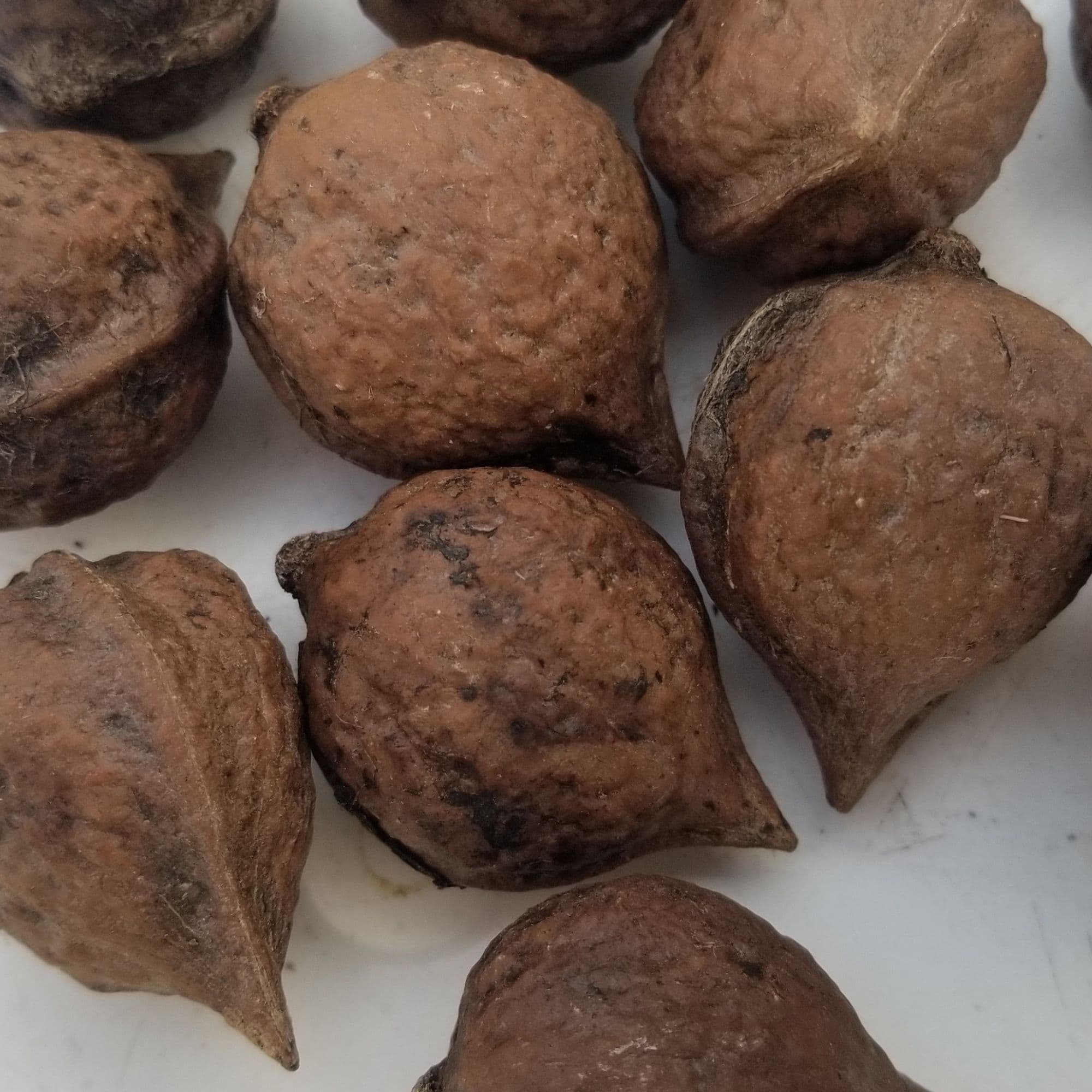
    Another beautiful edible nut tree is the Heartnut Tree . Yes — the nut actually resembles a heart ! It was introduced to North America from Japan over 100 years ago and is now recognized as one of the most attractive ornamental nut trees. With its luxurious, almost tropical foliage , the heartnut provides dense shade , yet grass can still grow beneath it. Growing Conditions The heartnut, along with other members of the Japanese walnut species , thrives in both clay and sandy soils . Nut tree experts describe it as a “veritable goat in its feeding habits,” meaning it adapts well to many soil conditions and grows quickly. Growing to approximately 50 feet tall , it can make a perfect front-yard feature tree . Plant it by the edge of the woods or in your fruit and nut orchard . Nut Characteristics The nut is heart-shaped , with a short flat base and pointed tip . The tree can produce clusters of 10 or more nuts , growing along the outer branchlets. Their flavour is creamy, smooth, and buttery , similar to the taste of butternut . Easy Harvest Every autumn the nuts begin to ripen and fall to the ground , making harvesting easy. Simply collect them from the ground beneath the tree. Because of its many desirable features, the heartnut and other Japanese walnut trees receive significant attention from plant breeders . Hardiness The heartnut’s native home is Japan , where it grows in hardiness zones 5 through 8 . This climate range closely matches areas from Nova Scotia, Canada , down to Georgia, USA . Hybrid Heartnut Tree This hybrid heartnut tree is a cross between a Japanese heartnut and a butternut tree . These sapling trees are first-year plants and grow to approximately 1–3 feet in height . They are shipped bare-root , carefully packed for safe delivery. For best pollination and nut production, plant two heartnut trees . Order yours today! Heartnut Varieties ULA Heartnut Tree Key Features Exceptionally early-bearing heartnut variety selected for northern climates Produces sweet, mild, easily cracked nuts with the classic heart-shaped shell More cold-hardy than standard heartnut strains , making it excellent for Canadian growers Beautiful ornamental tree with tropical-looking compound leaves and a broad canopy Fast-growing and productive, often bearing earlier than other heartnut cultivars High wildlife value, providing nuts for birds and mammals Wczesny Heartnut Tree Key Features Early-bearing heartnut variety — the word “Wczesny” means “early” in Polish Produces sweet, mild, heart-shaped nuts that crack more easily than standard walnuts Cold-hardy selection suited to northern climates and short growing seasons Attractive ornamental tree with large tropical-style leaves and a graceful spreading crown Fast growth rate with reliable annual nut production once mature Provides wildlife habitat and food for birds, mammals, and pollinators

    CA$13.00from
    View Plant
  • Northern Red OakIn Stock

    Northern Red Oak

    The Northern Red Oak is a fast-growing, long-lived tree prized for its striking fall foliage, stately form, and durable wood. Native to North America, this adaptable oak thrives in a variety of settings, making it a perfect choice for urban, rural, and naturalized landscapes. SIZE - These Northern Red Oak seedlings come as a bare root tree. approx between 8 - 12 inches Great for forestry, wood lots or creating a red oak garden. Key Features Hardiness Zone : Thrives in Zones 3–8 , making it suitable for both cold and temperate climates. Soil Requirements : Prefers well-drained, slightly acidic soils but is adaptable to sandy, loamy, or clay soils. It tolerates urban pollution and compacted soils, making it ideal for city landscapes. Growth Habit : A deciduous tree with a broad, rounded crown and straight trunk. Mature trees can reach heights of 60–75 feet and a spread of 40–50 feet , providing ample shade. Flowering Time : Produces small, inconspicuous yellow-green flowers in spring (April to May) , which give way to acorns. Fruit and Uses Acorn Characteristics : Northern Red Oak acorns are medium-sized (0.75–1 inch long) with a flat, shallow cap. They are an important food source for wildlife such as deer, squirrels, and birds. Ripening Time : Acorns mature in late autumn (September to October) after two growing seasons. Uses : Acorns can be processed and leached of tannins for use in traditional flours and food recipes. They also contribute to reforestation projects and wildlife conservation efforts. Care and Maintenance Light Requirements : Grows best in full sun but can tolerate light shade during its early years. Water Needs : Requires moderate watering during establishment but is drought-tolerant once mature. Pruning : Prune young trees in late winter to shape the canopy and remove weak branches. Mature trees require minimal pruning. Pest and Disease Resistance : Generally resistant to pests and diseases, though it may occasionally experience oak wilt or powdery mildew in stressed conditions. Proper care minimizes these risks. Why Plant a Northern Red Oak? The Northern Red Oak is a standout choice for anyone looking to add a durable, fast-growing, and visually striking tree to their property. Its vibrant red fall foliage adds seasonal beauty, while its acorns support local wildlife. With its tolerance for various soils and urban conditions, this oak is as versatile as it is iconic. Whether you’re planting for shade, enhancing a naturalized area, or supporting wildlife, the Northern Red Oak is a timeless addition to any landscape. Red Oak The Northern red oak (Quercus rubra) is a prominent tree species known for its impressive stature and distinctive features. Typically, red oaks can reach heights of 60 to 75 feet, with some individuals surpassing 100 feet in favorable conditions. The trunk is usually straight, with a diameter that can range from 1 to 3 feet. Its rapid growth rate makes it a popular choice for many environments. Enabling it to thrive in a variety of soil types while preferring well-drained, loamy soils. The leaves of the red oak are easily recognizable, characterized by their lobed edges and pointed tips. These leaves are dark green during the growing season, measuring between 5 to 9 inches in length. As autumn arrives, red oaks showcase a spectacular transformation, with their foliage turning vibrant hues of red and orange. This seasonal display adds remarkable beauty to landscapes, contributing to the tree's popularity in ornamental gardening. The bark of the red oak is another defining trait, initially smooth but becoming more rugged and fissured as the tree matures. The grayish-brown color and shallow grooves of the bark create an appealing texture, making it attractive from both aesthetic and functional perspectives. Additionally, the wood itself is highly regarded for its unique grain patterns, which are often sought after in the woodworking industry for furniture, flooring, and cabinetry. Northern Red oaks demonstrate resilience against various environmental factors such as drought and pests, further enhancing their appeal. They flourish in diverse habitats, including deciduous forests and urban settings. Their ability to adapt to different climates contributes to their widespread use in landscaping and forestry. Such characteristics make the red oak an invaluable species, both for its ecological benefits and its aesthetic contributions to the environment. Uses and Benefits of Northern Red Oak The northern red oak, has strength and aesthetic appeal, is a highly valued hardwood. Its remarkable durability and workability make it an ideal choice for furniture making, flooring, and cabinetry. Due to its fine grain and uniform texture, red oak wood can be easily stained or finished, allowing for versatility in design. Carpenters and builders often prefer red oak for its ability to withstand wear and tear, making it suitable for high-traffic areas in homes and commercial spaces. In addition to its practical applications, red oak plays a critical role in supporting ecosystems. These trees provide a habitat for numerous species of wildlife, including birds, insects, and mammals. The acorns produced by red oak trees serve as a vital food source for numerous animals during the fall months. As part of a larger forest ecosystem, red oak trees help maintain soil quality and promote healthy growth of understory plants, thereby enhancing the overall ecological balance. Red oak is recognized for its potential ecological benefits, including contributions to sustainable forestry practices. The species is fast-growing and abundant, allowing for responsible harvesting methods that do not compromise forest health. Sustainable management of red oak forests can lead to continued availability of this valuable resource while preserving the natural environment. There are potential medicinal uses of red oak. Extracts from the bark and leaves, for their astringent properties, There is a wealth of opportunities for further research and applications.

    CA$15.00from
    View Plant
  • Pecan TreeIn Stock

    Pecan Tree

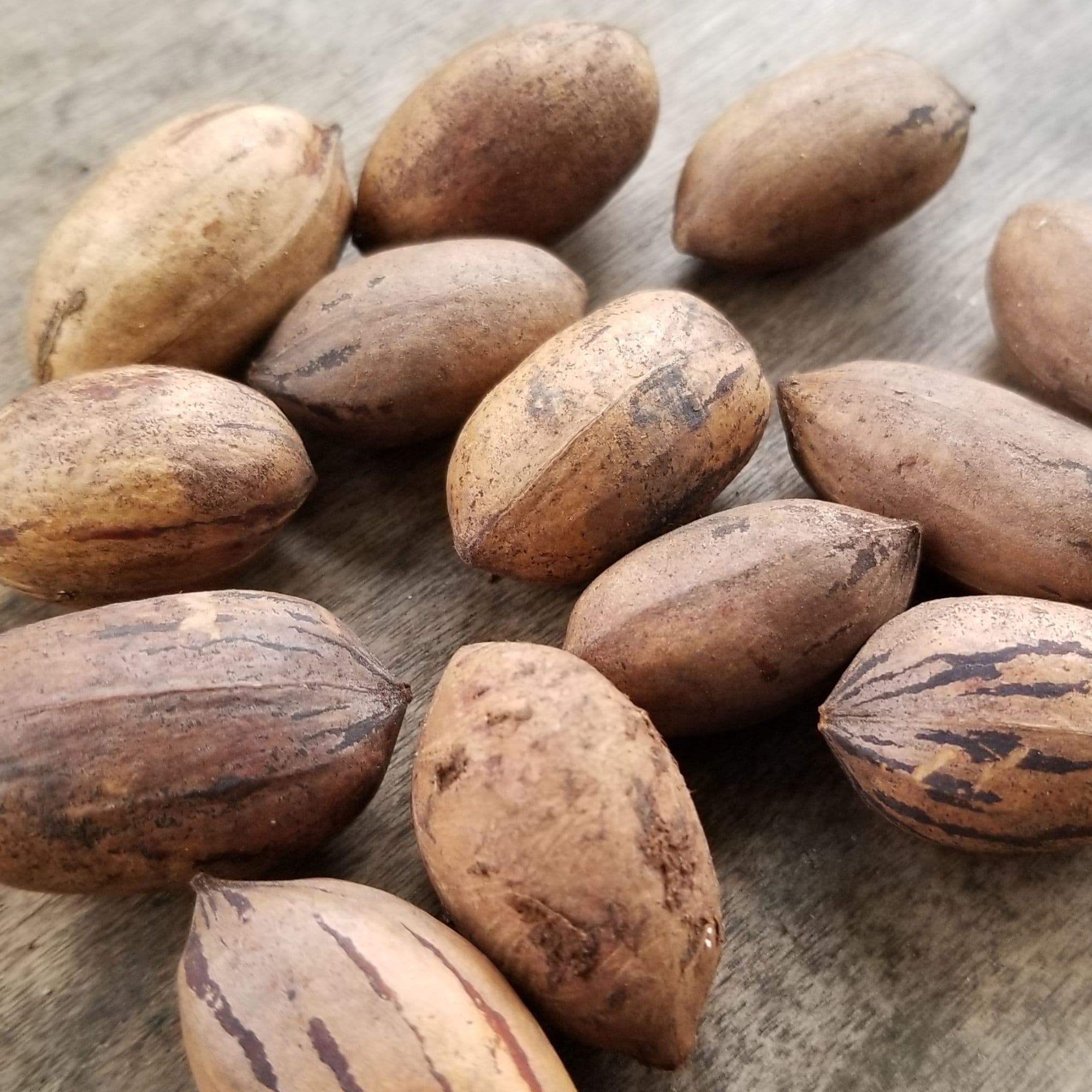
    This pecan tree will be a great addition to your nut orchard. Also called the Ultra Northern Pecan tree. This is a cold hardy variety of pecans. And a seedling of the parent tree, which should resemble similar traits. Sizes Explained A Grade (Ground-Ready): Stronger, thicker stems for instant planting. B Grade (Ground-Ready): Suitable for planting directly in the ground. C Grade: Smaller plants that can be planted directly in the ground, or started in a pot or garden bed for one season to help them establish. Pecan trees need another pecan tree nearby to produce nuts. For best results, plant two or more trees together. And to get the most nut production from your orchard. The Ultra Northen Pecan has a Canadian and hardiness zone rating from zones 5 through to 9a. As well as being one very tasty nut. The pecan tree has a fast growth rate and does well in full sun. The northern pecan will grow to a great size of 50 feet high. Plant them in a location that they can be happy for a long time. You can harvest your northern pecan nuts each October. As they fall from the tree, pick them up directly from the ground. It's easy to process and dry them for your edible enjoyment. These pecan trees come as bare root trees. Shipped to your door as a dormant plant. You can plant them directly in the ground when you recieve them. Add a pecan tree to your order today! Key Features The hardiest pecan strain available , selected from trees thriving in the northernmost edge of pecan’s native range. Survives and produces nuts in cold climates where standard pecans cannot grow. Large, stately shade tree with strong timber quality and excellent long-term value. Produces delicious, buttery pecans that are smaller than southern varieties but notably sweeter. Reliable annual producer once mature, with heavy yields in good years. Deep taproot and strong wood , making it wind-firm and drought-resilient after establishment. Excellent wildlife tree , providing nuts for birds and mammals. Growth & Planting Planting Zone: 5–8 (Ultra Northern strain pushes well into Zone 5 , sometimes 4b in protected sites) Sunlight: Full sun is essential for nut production. Soil: Prefers deep, fertile, well-drained loam. Tolerates clay-loam if not waterlogged. pH: Slightly acidic to neutral ( 6.0–7.0 ). Spacing: Orchard spacing: 30–40 ft Food forest or homestead spacing: 40–50 ft Growth rate: Moderate to fast. Pollination: Requires two genetically different pecan trees for best nut set (Type I & Type II recommended). Time to nut production: 8–12 years (faster with excellent soil + irrigation). Why Ultra Northern Pecan Is a Customer Favourite One of the few nut trees that gives commercial-grade nuts in cold regions. Perfect for Nova Scotia, New Brunswick, Quebec, Ontario food forests. Massive long-term payoff : shade, wildlife value, and a lifetime supply of pecans. Low maintenance once roots are established.

    CA$13.00from
    View Plant
  • Shagbark HickoryIn Stock

    Shagbark Hickory

    Shagbark Hickory SIZES: A grade: 5 - 12 inches in height B grade: 5 inches in height Both grades have long tap root. The shagbark hickory tree is scientifically known as Carya ovata. A deciduous hardwood native to North America. Characterized by its unique shaggy bark, which peels away from the trunk in long strips. This species is easily identifiable. The shaggy texture of the bark serves as the identifying feature. Shagbark hickories thrive in well-drained, loamy soils with adequate moisture. Generally found in hardwood forests. These trees grow best in a range of environments. Including lowland sites and upland ridges. This giant tree can reach heights of up to 100 feet with a trunk diameter of 2 to 3 feet. Where To Grow Carya Ovata Known to grow in Nova Scotia and definitely through Quebec and Ontario. Reported to grow down to zone 4. A great cold hardy tree nut. The nuts also provide food and habitat for countless species. Wildlife, including squirrels, deer, and birds eat on its sweet, edible nuts. Shagbark Hickory Nuts These nuts have a rich, buttery taste with a hint of sweetness. This unique combination makes them an excellent ingredient in a variety of culinary applications. Their texture, being slightly chewy and crunchy. You can incorporate the nuts into salads, granolas, and baked goods. Use these nuts in cookies, muffins, and pies. They can also be used in dishes such as roasted vegetable medleys or as a topping for creamy pasta dishes. Press the Shagbark hickory nuts into oil or make nut milk or eat them raw. What Can I Make With Shagbark Hickory? The nuts are a powerhouse, providing a wealth of healthy fats, protein, vitamins, and minerals. They are particularly high in monounsaturated fats, which are beneficial for heart health. Shagbark Hickory contains significant amounts of magnesium, phosphorus, and potassium. shagbark hickory nuts can support various bodily functions, including muscle and nerve health. The protein content in these nuts also aids in muscle repair and growth, making them an excellent choice for those following a balanced diet. When do I harvest Shagbark Hickory? Harvesting typically occurs in the fall. But the nuts can hang on the trees until December. Once you have harvested your nuts then you can dry them. Then store them in a cool dark place.

    CA$11.00from
    View Plant
  • Shellbark HickoryIn Stock

    Shellbark Hickory

    Shellbark Hickory ( Carya laciniosa ) The King Nut of the Forest If there is one nut tree that earns true royalty status, it’s the Shellbark Hickory . Canadian botanist and author Diana Beresford-Kroeger has referred to hickories as the “King Nut” of North American trees and Shellbark sits at the very top of that crown. This is the hickory with the largest nuts of the entire genus , wrapped in thick, rugged shells and packed with rich, sweet kernels that rival pecans for flavour. Historically prized by Indigenous peoples and early settlers, Shellbark Hickory is a once-in-a-generation tree that rewards patience with decades — even centuries of nut production. Planted today, this is a tree for your children, your land, and your legacy. Why Grow Shellbark Hickory? Largest hickory nuts available (significantly bigger than shagbark) Exceptionally sweet, rich flavour Long-lived native hardwood (often 200+ years) High wildlife value + human food value Ideal for food forests, homesteads, and legacy orchards Growing Information (Canada-Friendly) Botanical name: Carya laciniosa Common name: Shellbark Hickory Plant type: Deciduous nut tree Canadian Hardiness Zones: Zone 5–7 (Zone 4b possible in sheltered sites with good soil) Mature Height: 60–80 ft (18–24 m) Mature Spread: 40–50 ft Recommended Spacing: 40–50 ft between trees Best suited to orchards, fields, or large food-forest systems Growth Rate: Slow to moderate (especially in early years) Puts energy into deep root development first, a hallmark of long-lived nut trees Soil Preferences: Deep, fertile, well-drained loam Tolerates heavier soils better than many nut trees Avoid shallow or compacted ground Sun: Full sun (best nut production) Nut Production: Typically begins 10–15 years from seed Heavy crops once mature, with excellent consistency Pollination: Wind-pollinated Planting multiple hickories improves yields A True Legacy Tree Shellbark Hickory isn’t a “quick return” tree it’s a forever tree . This is the kind of planting that defines land stewardship: deep roots, towering form, and food production that can last longer than any orchard crop. If you’re building a serious food forest , restoring land, or planting for future generations, Shellbark Hickory earns its place proudly as the King Nut .

    CA$17.00from
    View Plant

Growing Guide

Why grow nut trees?

A nut tree is the slowest, surest investment a landscape can hold: a decade of patience buys fifty years of protein, shade, timber value, and wildlife food. Our nut trees are grown in Nova Scotia for real Canadian winters — black walnut, butternut, hazelnut, heartnut, and more.

  • Food that keeps

    Nuts store for months without processing — the most practical protein a home landscape can produce.

  • Cold-hardy genetics

    Our selections fruit reliably in short seasons — many are comfortable to Zone 4, several to Zone 3.

  • Legacy value

    Walnut and other hardwoods appreciate for decades — shade for you, timber value for the next generation.

  • Wildlife anchors

    Mature nut trees feed birds and mammals through winter and anchor a food-forest canopy.

Match the tree to your zone first

Hazelnut and black walnut handle Zone 4 with ease; butternut and some hickories push colder. Start from your hardiness zone and choose from what thrives there — not the other way around.

Nut trees for Zone 4

Plan for pollination — most nut trees want a partner

Hazelnuts and most walnuts set far better crops with a second tree nearby. Plant in pairs (or check the pollination notes on each plant page) and give big species 10–15 m of spacing; hazelnuts are happy at 3–5 m.

See self-fertile options

Starting out? Start with hazelnut

Hazelnuts stay shrub-sized, bear in 3–5 years instead of 10, tolerate pruning, and double as a hedge — the friendliest first nut by a wide margin.

Beginner-friendly nut trees

Nut Trees questions, answered

How long until a nut tree produces?

Hazelnuts typically begin bearing in 3–5 years. Black walnut, butternut, and heartnut usually take 7–12 years to meaningful crops — plant them for the decades, and plant hazelnuts for the meantime.

Do I need two nut trees for pollination?

Usually yes. Hazelnuts require a genetically different partner nearby, and walnuts crop far better with company. Each plant page lists its pollination requirement and good partners.

Which nut trees survive Zone 3?

Butternut and some hazelnut selections handle Zone 3 sites, especially with shelter from wind. Check the zone badge on each plant — we list the honest range, not the optimistic one.

Can I plant a walnut near my garden?

Give it distance. Walnuts release juglone, which suppresses tomatoes, apples, and some other plants. Keep vegetable beds and sensitive species 15–25 m from the mature dripline — plant pages list companions that tolerate it.

How far apart should nut trees go?

Full-canopy species (walnut, hickory) want 10–15 m between trunks. Hazelnuts are content at 3–5 m, closer if you're growing them as a hedge.

  • Zone-matched plants

    Every plant shows the zones where it thrives.

  • Grown in Nova Scotia

    Raised for Canadian winters, shipped across Canada.

  • Not sure what fits?

    Tell us your land and goals — we'll match you.

Need help choosing?Talk to a Plant Expert