Nova Scotia grown

Collection

Food Forest Plants

2 plants

Build a layered edible ecosystem.

Filters

My hardiness zone

Zone 20Zone 30Zone 40Zone 50Zone 60Zone 70Zone 80

Pick your zone — we'll show only plants that thrive there.

Sunlight

  • Chive SeedsIn Stock

    Chive Seeds

    Allium schoenoprasum

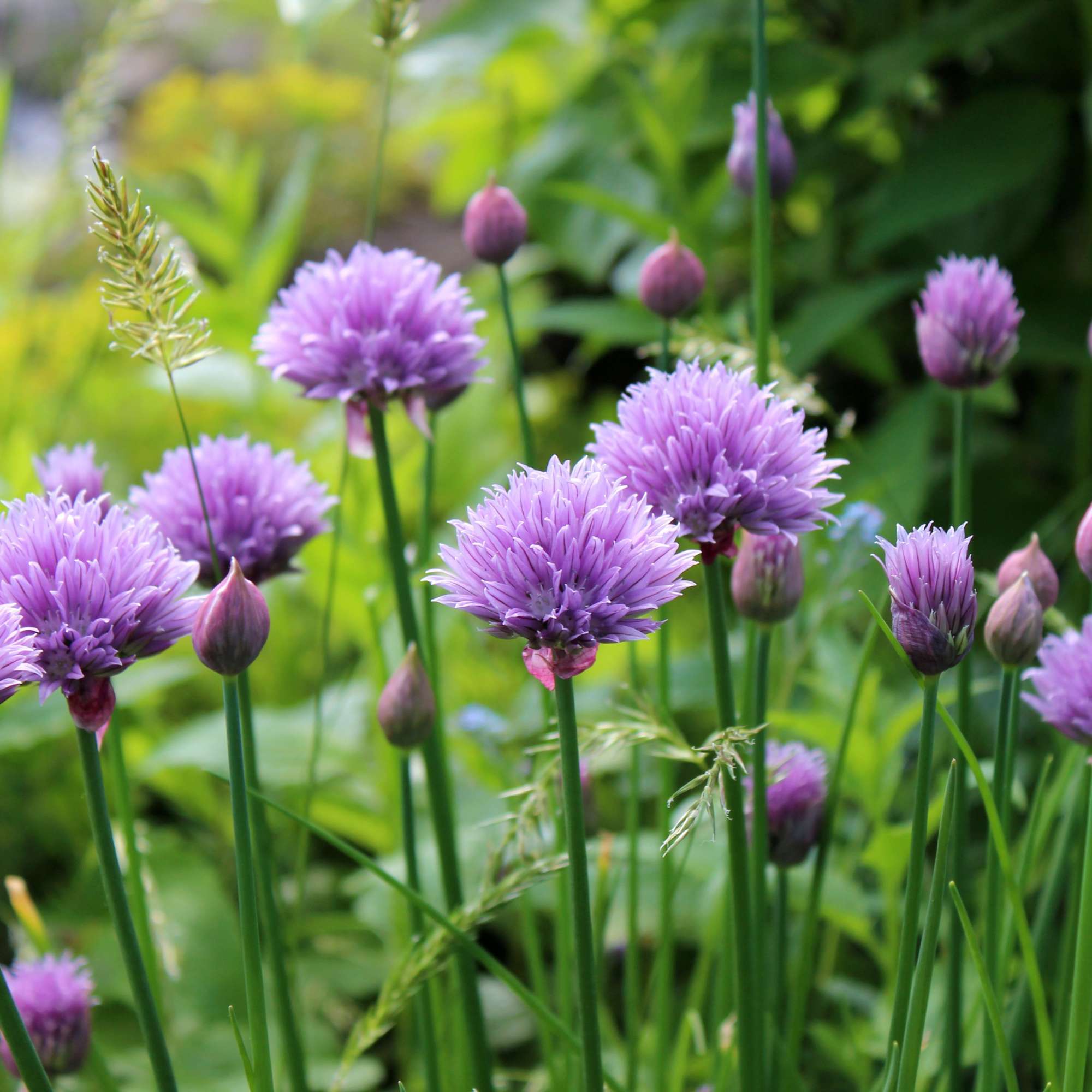
    This useful herb makes neat clumps of grass like leaves and is not out of place in the perennial border. The flowers are rose purple and quite attractive. Chives are a hardy perennial and will grow well in all temperate and warm climates, Chive plants prefer well-draining soil and full sun so, select a sunny location to plant. You can plant as soon as the ground can be worked as they are very tolerant to frost. The bulbs will multiply so quickly that it is advisable to dig them up, every two to three years and seperate them. Keep the beds well cultivated and free from weeds. Clean culture is especially important during the early stages of growth. The slender dark green tubular leaves of chives grow in clumps and the flowers are tiny lavender coloured pompoms, some gardeners like to raise chives for the flowers. The plant and flower could make a charming and decoractive border or edging to beds of other plants or perhaps add colour and interest to a rock garden. The faded flowers should be cut promptly before seed matures otherwise self sown seedlings, may prove to be troublesome weeds. Grows about one foot high. For large mild chives water often and for smaller more intensely flavoured chives don't water as frequently. To harvest it is simply cutting the slender tubular leaves as you needs them. These are usually chopped up fine and added to any dish you wish to season. They have a mild onion flavor and are a versatile ingredient in many dishes.
    CA$4.00from
    View Plant
  • Mugwort SeedsIn Stock

    Mugwort Seeds

    Artemisia vulgaris

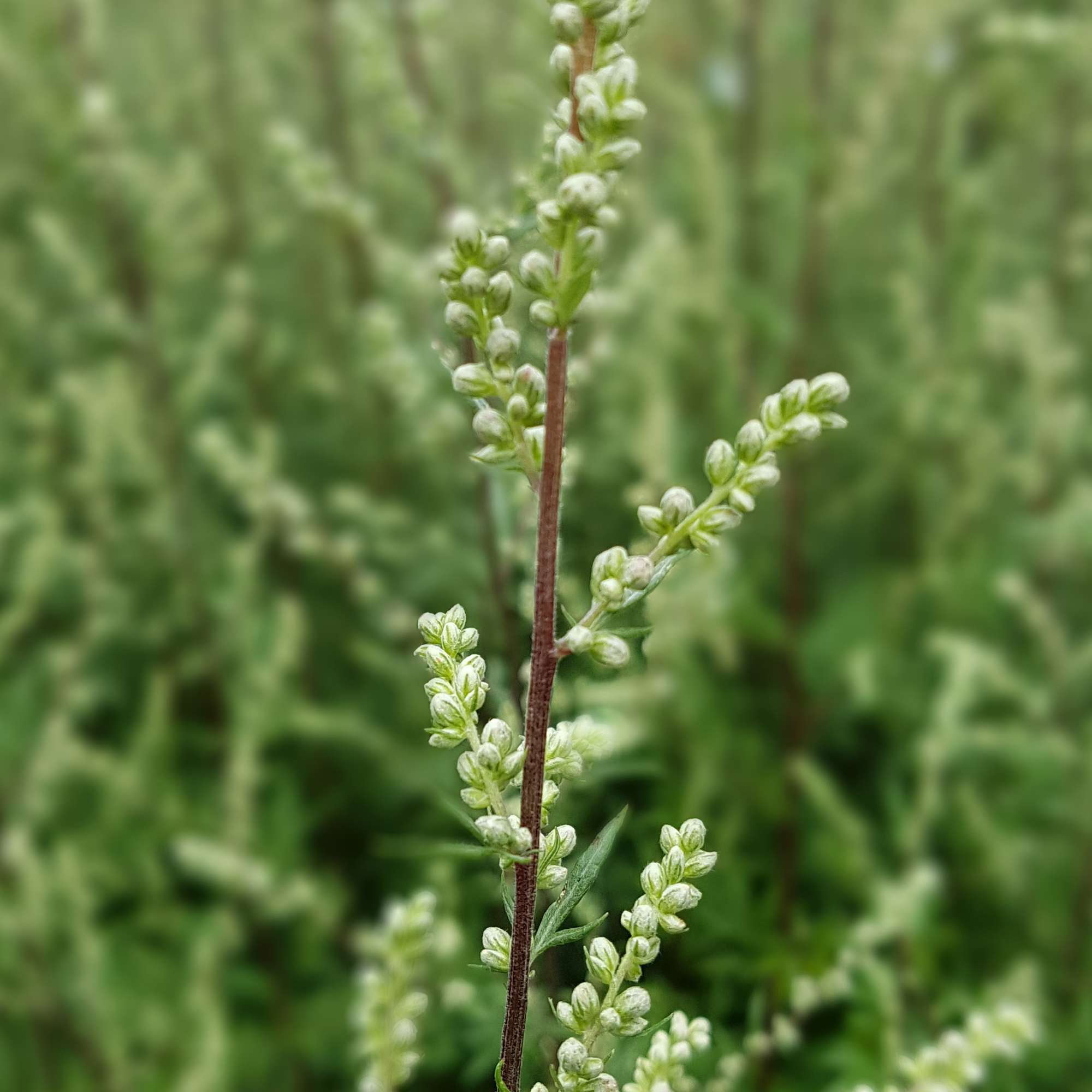
    Mugwort is a hardy perennial plant that belongs to the Artemisia family. It is native to Europe, Asia, and Northern Africa, but it has naturalized in many other parts of the world. Growing up to six feet each year, Mugwort can make an annual hedge. It has dark green leaves, showing silver on the underside and a purplish stem. It has a strong, woody root system. Can be grown nearly anywhere and will readily self seed. Dies back to the roots each autumn. Mugwort seeds can be sown in autumn or spring. USDA hardiness zone 3-8 In folklore, mugwort has often been associated with magic and the occult. It was believed to have protective properties and was used in rituals. In some traditions, mugwort was used to protect travelers and to promote lucid dreaming. Mugwort has also been used in art and literature. It has been mentioned in the works of Shakespeare and Chaucer, and has been depicted in paintings and other works of art. Overall, mugwort has a rich history of use in various cultures and traditions and continues to be used for a variety of purposes today.

    CA$4.00from
    View Plant

Growing Guide

Why grow food forest plants?

A food forest copies what a woodland already knows: tall trees, understory, shrubs, groundcover — every layer producing food and doing a job for the layers around it. These are the plants we grow for exactly that architecture.

  • Layered by design

    Every plant is tagged with its food-forest layer — canopy to groundcover — so the stack assembles itself.

  • The system feeds itself

    Nitrogen-fixers feed the fruit trees; groundcovers hold the moisture. Less input every year, not more.

  • Harvest at every height

    Nuts overhead, fruit at eye level, berries at knee height — one footprint, four pantries.

  • Resilience through diversity

    Twenty species in guild beat one species in rows — for pests, pollinators, and weather alike.

Start with the canopy, then work down

The tallest layer casts the shade everything else lives with — place nut and fruit canopy trees first, then fill subcanopy, shrub, and ground layers into the light that remains.

Browse by layer: canopy

A guild for a single tree

Even one fruit tree becomes a mini food forest with a nitrogen-fixing shrub beside it, berries at the dripline, and a living mulch below. Guild planting is food-forestry at backyard scale.

Beginner food-forest plants

Small yards qualify

A food forest is a pattern, not an acreage: a 6 × 6 m corner holds a full stack — one small canopy tree, three shrubs, and groundcover. Start with one guild and let it teach you.

Everything food-forest

Food Forest Plants questions, answered

What exactly is a food forest?

A planting designed like a young woodland where every layer — canopy, subcanopy, shrub, vine, and groundcover — produces food or supports the plants that do. Less lawn, more lunch.

How much land do I need?

A full seven-layer system fits in surprisingly little space, and a single-tree guild fits in almost any yard. Scale the pattern, not the ambition.

What are the layers?

Canopy, subcanopy, shrub, herbaceous, groundcover, vine, and root — plus support plants like nitrogen-fixers. Every plant page here shows which layer the plant fills.

How long until a food forest produces?

Berries and groundcovers pay you back in a year or two; shrubs in two to four; canopy nuts are the decade plants. Plant all the layers at once and the harvest arrives in waves.

Where do I start?

Pick your canopy tree, add two or three shrubs suited to your zone, and underplant. Our Zone Finder narrows everything to plants that will actually thrive at your place.

  • Zone-matched plants

    Every plant shows the zones where it thrives.

  • Grown in Nova Scotia

    Raised for Canadian winters, shipped across Canada.

  • Not sure what fits?

    Tell us your land and goals — we'll match you.

Need help choosing?Talk to a Plant Expert