Nova Scotia grown

Collection

Native Plants

14 plants

Restore beauty, habitat, and resilience with plants that belong.

Filters

My hardiness zone

Zone 22Zone 32Zone 42Zone 52Zone 62Zone 72Zone 80

Pick your zone — we'll show only plants that thrive there.

Sunlight

Care level
Growth rate
Soil moisture
Mature height
Nature & wildlife
Harvest & readiness
Good to know
  • American Elm TreeIn Stock

    American Elm Tree

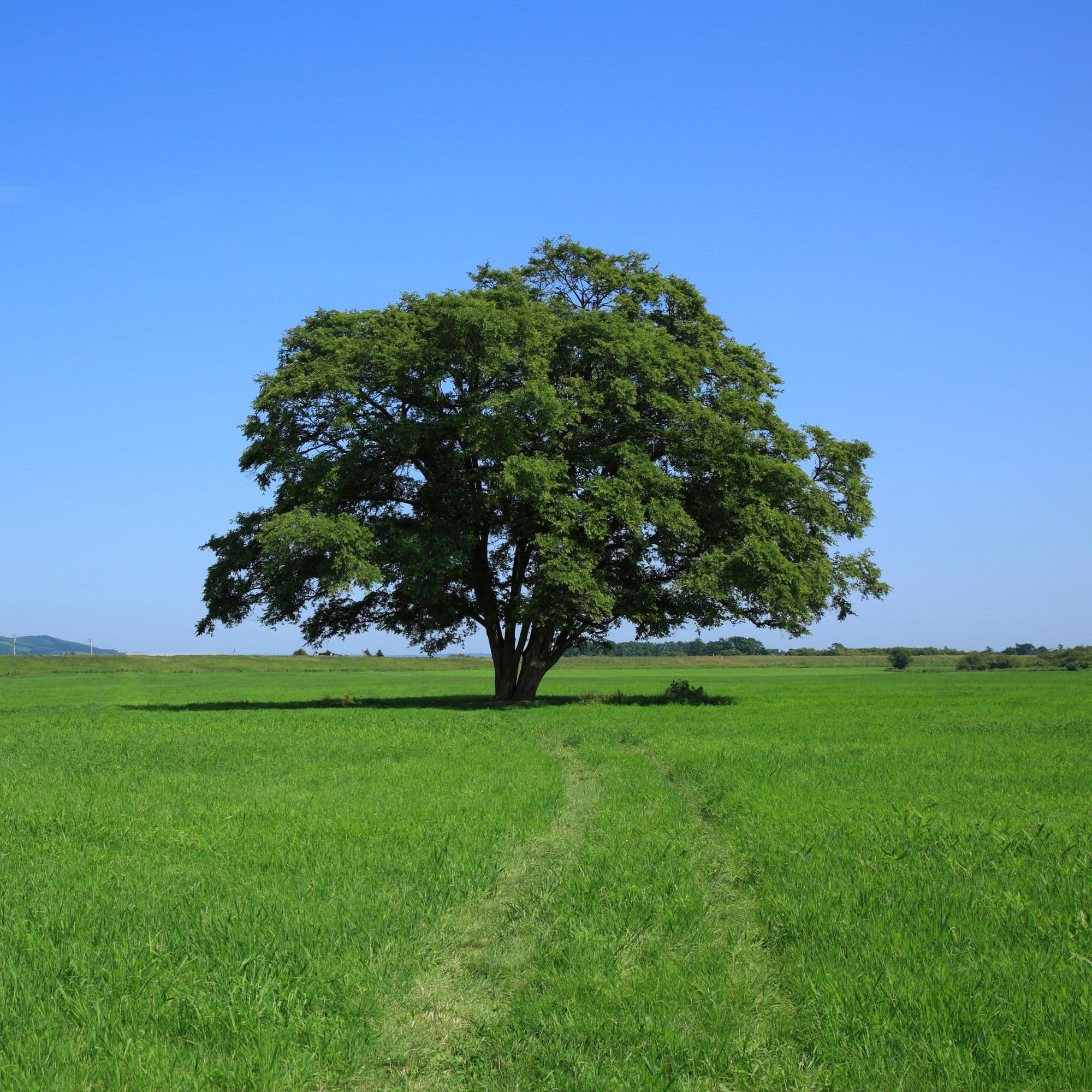
    The American Elm Tree The American elm tree, scientifically known as Ulmus americana , holds a significant place in the cultural and environmental history of North America. This majestic tree is renowned for its impressive height, which can reach up to 100 feet, and its expansive, arching canopy that often spans more than 50 feet. The graceful branches of the American elm create a natural umbrella. It offers shade and beauty to urban parks and rural landscapes alike. Its adaptability to different soil types and climates has allowed it to thrive in a variety of environments. A common sight from the Atlantic coast to the Great Lakes. Historically, the American elm has played a crucial role in American culture. It is often associated with community gathering places. Many towns have planted elms on their main streets, creating picturesque tree-lined avenues. The tree's ability to provide ample shade made it a favored choice for planting near sidewalks and public squares. In terms of ecological significance, the American elm contributes to the biodiversity of its habitat. It supports a variety of wildlife, including birds and insects, which utilize its branches and foliage for shelter and food. However, the American elm has faced challenges due to diseases such as Dutch elm disease. Dutch elm disease has significantly reduced its populations in certain areas. Despite these challenges, efforts to cultivate disease-resistant varieties continue , providing hope for the future of this iconic tree. Iconic North American shade tree known for its tall height and classic vase-shaped form. Fast-growing hardwood , excellent for large landscapes, homesteads, parks, and restoration projects. Tolerates urban conditions , including compacted soil, road salt, and air pollution. Adapts to many soil types — sand, loam, clay — and handles both occasional flooding and drought once established. Excellent habitat value , supporting birds, pollinators, and wildlife. Improved Dutch Elm Disease (DED) tolerance in many modern seed sources (but not fully immune unless a named resistant cultivar). Growth & Planting USDA Planting Zone: 2–9 Sunlight: Full sun to part shade (prefers full sun). Soil: Grows in almost any soil; prefers moist, well-drained loam. pH Range: 6.0–7.5 Spacing: 25–40 ft apart for long-term landscape or restoration planting. Mature height: 60–80 ft (sometimes over 100 ft). Growth rate: Fast — 2–3 ft per year in good conditions. Why American Elm Is Still Planted Today Majestic classic tree with unmatched canopy shape. Great for long-term shade along driveways, fields, and large yards. Ideal for restoration projects , riparian areas, and naturalized plantings. Hardy across nearly all of Canada , including Nova Scotia. Modern seed sources and breeding programs have increased DED resistance compared to historic populations. Conservation Efforts for the American Elm The American elm (Ulmus americana) has long been a beloved tree in the United States. Revered for its architectural beauty and capacity for urban adaptation. This majestic tree faces significant challenges, most notably due to the devastating impacts of Dutch elm disease (DED). This fungal infection, spread by the elm bark beetle and through tree root systems. This has dramatically diminished elm populations since its emergence in the mid-20th century. Symptoms of DED include wilting leaves, premature leaf drop, and dark streaks within the wood, giving rise to rapid tree decline. The disease threatens not only urban specimens but also wild populations, altering ecosystems that rely on the American elm for habitat and food sources. Current conservation efforts aim to combat this crisis on multiple fronts. Research institutions and universities are actively working to develop disease-resistant cultivars. Identifying and cross-breeding elms that exhibit natural resistance to DED,. Growing new seedlings that can be resistant to the diesease. We can reintroduce this vital species into both urban landscapes and forests. Local municipalities, recognize the cultural and environmental significance of the American elm. Then embark on replanting initiatives to restore these trees to their former prominence. Collaborations with environmental organizations bolster these efforts, integrating community education and awareness into their initiatives. Public participation plays a critical role in the conservation of the American elm. Communities are encouraged to engage in local replanting and care activities, increasing the chances of success for newly introduced trees. By fostering awareness of Dutch elm disease and actively participating in conservation initiatives. Individuals can help ensure that the American elm remains a vibrant part of the landscape for future generations. The preservation of this iconic tree is an ongoing effort that benefits not only the species itself but also the broader ecological networks in which it exists.
    CA$11.00from
    View Plant
  • Arrowwood ViburnumIn Stock

    Arrowwood Viburnum

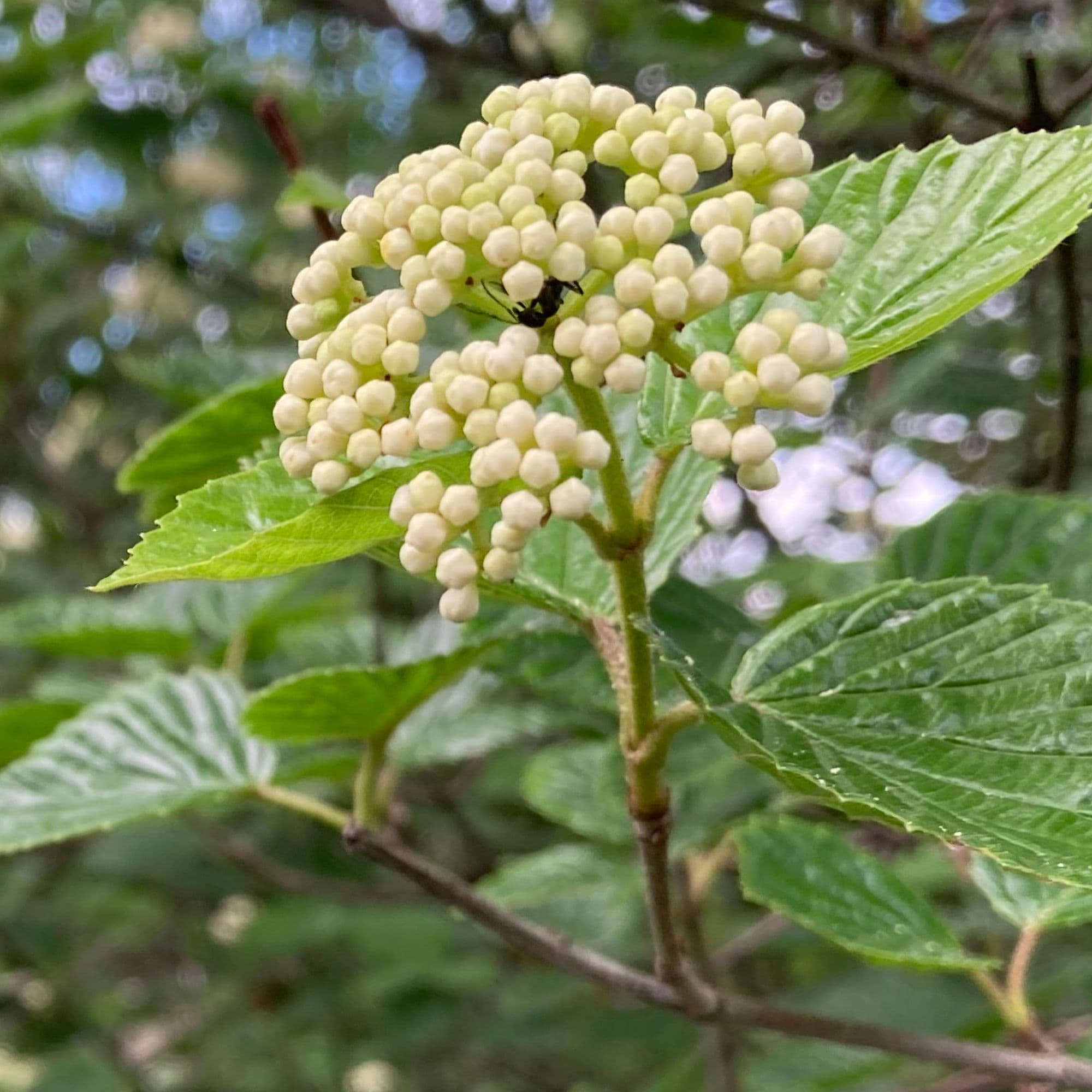
    Arrowwood Viburnum SIZES: Sizes Explained A Grade (Pot-Ready): Start in a pot or nursery bed for one season before transplanting. B Grade (Pot-Ready): Less roots or smaller than A grade. Start in a pot or nursery bed for one season before transplanting. Also known as arrowwood, and Viburnum Dentatum. This canadian native shrub is a must-have for any garden enthusiast. Its flat heads of flowers gracefully bloom in late spring, adding a burst of creamy white to your landscape. Hardy to zone 2a. A real cold hardy plant. Hardiness Zone : Zones 2a-8 , making it suitable for a wide range of climates, especially those with cold winters. Soil Type : Arrowwood Viburnum thrives in various soil types, including clay, loamy, and sandy soils. It prefers moist, well-draining soil but can tolerate wet conditions. It’s also drought-tolerant once established. Height and Spread : Reaching a mature height of 6-10 feet and a width of 6-8 feet, this shrub has a dense, rounded growth habit, making it an excellent choice for hedges or privacy screens. Flowering Time : The Arrowwood Viburnum produces clusters of creamy white, fragrant flowers in late spring to early summer, typically around May to June. Fruit : In late summer to early fall, the shrub bears small, blue-black berries (about 1/4 inch in diameter) that persist into winter. The fruit is edible but typically used for jams and preserves, as it can be somewhat tart when raw. The berries ripen in September and are a popular food source for birds and wildlife. Foliage : The dense, dark green leaves turn brilliant shades of yellow, red, or purple in the fall, offering stunning seasonal color. Growth Habits : Arrowwood Viburnum grows in full sun to partial shade, making it highly adaptable to different light conditions. It’s a low-maintenance plant that requires minimal pruning, though light shaping after flowering can help maintain its structure. Uses : Ideal for use in borders, foundation plantings, hedges, and wildlife gardens. Its strong root system also makes it an excellent choice for erosion control on slopes or unstable ground. Care Requirements : Water regularly during the first year to establish deep roots, and mulch to retain moisture. Afterward, it is quite drought-tolerant and requires minimal care. Fertilizing in the spring can encourage more vigorous growth and flowering. Attracting Wildlife Arrowwood is not just visually appealing; it’s also beneficial for local wildlife. The edible berries are snapped up by birds and other animals very quickly. it's even hard to see the fruits they are gone so quickly. A real bird attracting plant. Perfect for Your Garden As a compact garden shrub, arrowwood adds character to any space. With its showy hair-like clusters of blooms and lush foliage. This North American native is perfect for enhancing your garden’s beauty. Choose one today!

    CA$11.00from
    View Plant
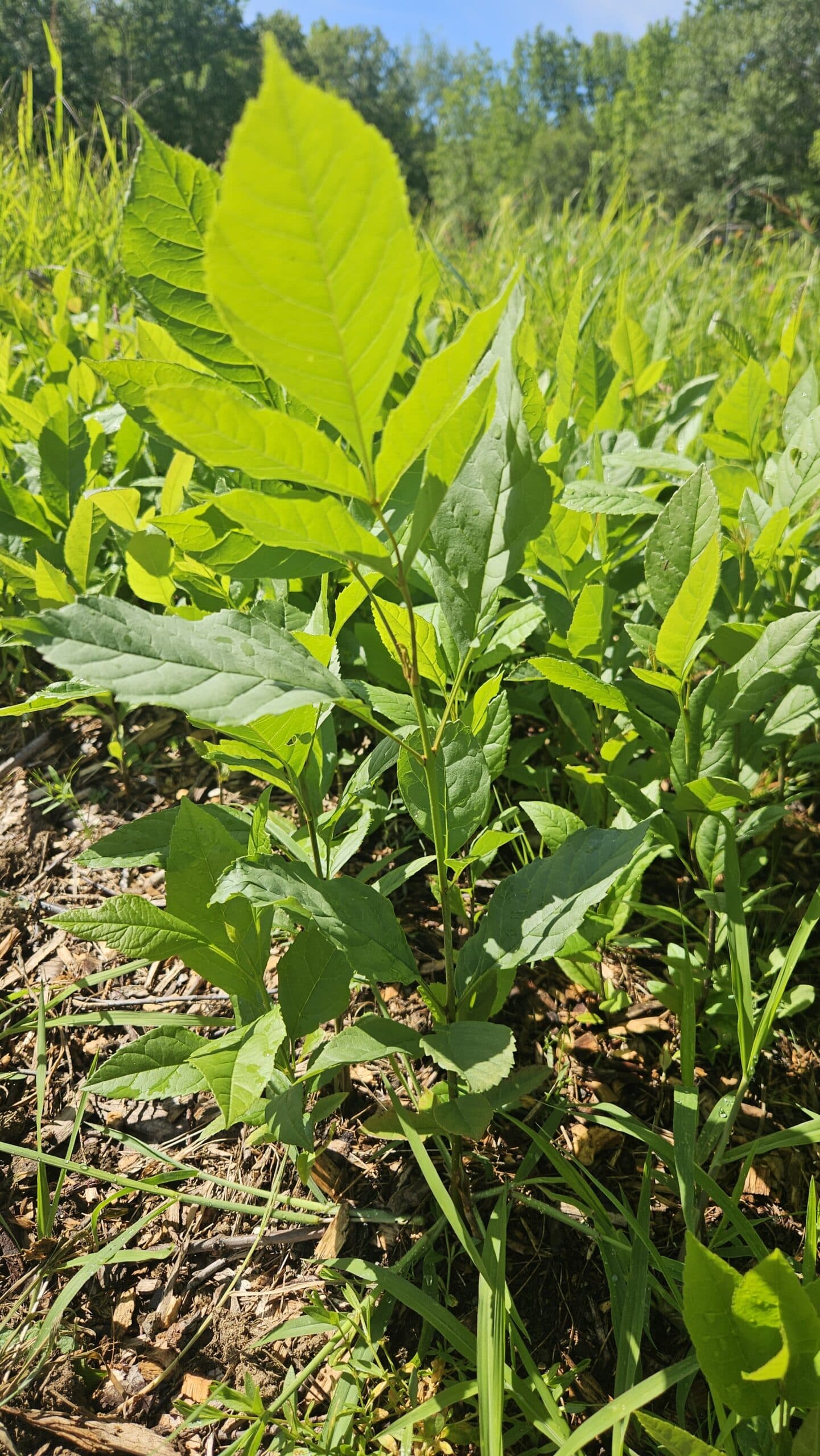
  • Black AshIn Stock

    Black Ash

    Black Ash (Fraxinus nigra) — Native Wetland Tree Saplings for Restoration, Shade & Riparian Sites The Black Ash (Fraxinus nigra) is one of North America’s most valuable and adaptable native trees, especially for wet and shaded landscapes. If you’re restoring land, stabilizing a streambank, creating a wetland buffer, or expanding a native food-forest canopy, Black Ash is a strong, reliable, and ecologically rich choice. Why Black Ash? Black Ash stands out for its rare ability to thrive in wet, heavy soils where most trees struggle. Its roots tolerate seasonal flooding, marshy patches, and riparian zones, making it a top performer for restoration projects and erosion control . With a moderate-to-fast growth rate and a mature height of 40–60 feet , it forms a beautiful rounded canopy that cools, shelters wildlife, and improves ecosystem stability. Key Features ✔ Native North American tree with strong ecological value ✔ Thrives in wet, moist, or clay-heavy soils ✔ Hardy in USDA Zones 3–6 ✔ Excellent for riparian restoration, wetlands, and low-lying landscapes ✔ Moderate–fast growth rate for quick establishment ✔ Provides habitat for birds and pollinators ✔ Suitable for large gardens, homesteads, food forests, and ecological landscaping Growing & Care Guide Sunlight: Full sun to partial shade; young trees tolerate shade well Soil: Prefers moist/wet soils, clay, loam, or floodplain conditions Water: Keep consistently moist during the first 1–2 years Planting: Best planted in spring or fall Pruning: Minimal — only to remove dead, damaged, or crossing branches Pests: Monitor for emerald ash borer (EAB); check local regulations before planting Where Black Ash Grows Best (Zones & Conditions) Black Ash naturally grows in USDA Zones 3–6 . It performs best in cool climates, wet grounds, and shaded areas, especially: Riparian edges Moist woodlands Floodplains Swales & low-lying drainage spots Pond edges & naturalised native landscapes If your land has wet soil where nothing else grows well — Black Ash will. Uses & Landscape Benefits Native reforestation & woodland restoration Wetland enhancement and buffer creation Riparian/riverbank stabilization Food forest canopy layer (non-fruiting support tree) Shaded habitat creation Wildlife-supportive landscapes Frequently Asked Questions (FAQs) 1. What soil does Black Ash prefer? Black Ash thrives in moist to wet soils , clay, loam, and floodplain environments. It can tolerate periodic standing water. 2. What hardiness zones is Black Ash suitable for? It grows reliably in USDA Zones 3, 4, 5, and 6 . 3. How fast does Black Ash grow? It has a moderate to fast growth rate when planted in consistently moist soil. 4. Can I plant Black Ash in dry soil? It may grow in well-drained soils, but moisture is important during the first two years . Avoid dry, exposed, drought-prone areas. 5. Is Black Ash suitable for food forests? Yes! While it is not a fruiting tree, it makes an excellent canopy tree that supports microclimates and biodiversity. 6. Are there pest concerns? Emerald ash borer (EAB) is a known pest in many regions. Always check local regulations before ordering and monitor your saplings. 7. How tall does Black Ash get? Mature height ranges from 40–60 ft , depending on moisture, sunlight, and soil richness. Why Buy Black Ash Saplings from Little Tree Farm? Our saplings are locally grown , climate-adapted, and carefully nurtured for high survival rates . Whether you’re planting for ecology, shade, or restoration, we guarantee strong, healthy, ready-to-grow trees .

    CA$17.00from
    View Plant
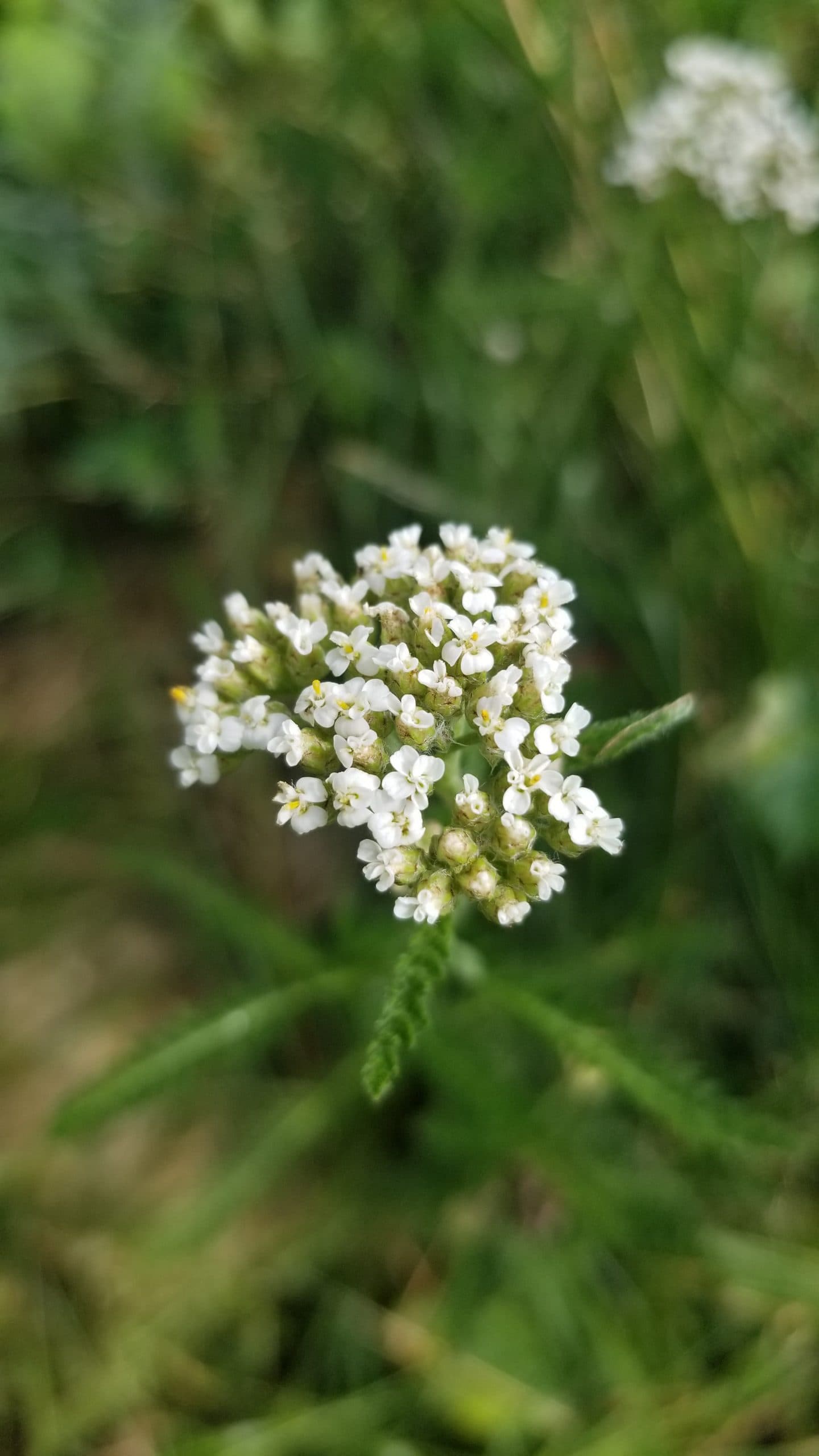
  • Common YarrowIn Stock

    Common Yarrow

    Achillea millefolium

    Common Yarrow – Achillea millefolium Common yarrow is a hardy, drought-tolerant perennial that thrives almost anywhere and brings beauty, resilience, and biodiversity to your landscape. Known for its soft, fern-like foliage and flat clusters of tiny white flowers, yarrow is a favourite in wildflower meadows, pollinator gardens, and low-maintenance landscapes. It spreads gently to form a lush groundcover and thrives in poor, dry soils where many plants struggle. Loved by bees, butterflies, and beneficial insects, yarrow blooms from early summer into fall and adds natural charm to cottage gardens, native plantings, and restoration projects. This tough perennial is also popular for cut flowers, dried bouquets, and herbal uses. Cold-hardy, adaptable, and incredibly easy to grow — common yarrow is a reliable, no-fuss performer for almost any site. Botanical Name: Achillea millefolium Type: Perennial wildflower Height: 1–3 ft Light: Full sun to light shade Soil: Well-drained, tolerates poor/dry soils Bloom Time: Summer to fall Hardiness Zones: 3–9 Attracts: Bees, butterflies, beneficial insects Uses: Meadows, native gardens, pollinator beds, groundcover, cut/dried flowers

    CA$16.00from
    View Plant
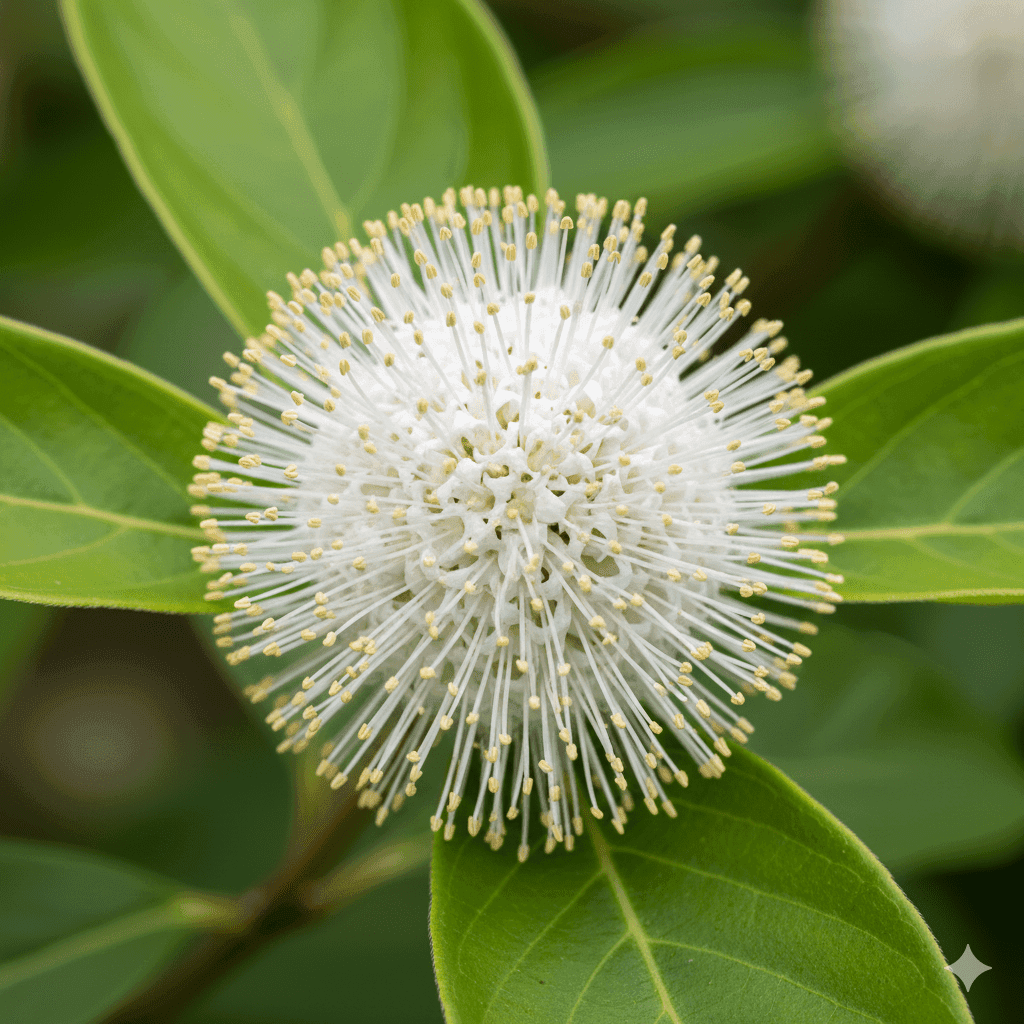
  • Eastern ButtonbushIn Stock

    Eastern Buttonbush

    Cephalanthus occidentalis

    Eastern Buttonbush (Cephalanthus occidentalis) — Native Wetland Shrub for Pollinators & Rain Gardens The Eastern Buttonbush is an extraordinary native shrub cherished for its unique spherical blooms, wildlife benefits, and ability to thrive where most plants fail. Its fragrant white “button” flowers attract butterflies, bees, moths, and hummingbirds , making it one of the best plants for building a pollinator-rich landscape . Growing naturally along ponds, streams, marshes, and wet lowlands, Buttonbush is a top choice for gardeners and landowners looking to add beauty, biodiversity, and resilience to their land. Sizes Explained A Grade (Ground-Ready): Stronger, thicker stems for instant planting. B Grade (Ground-Ready): Thinner stems, but still suitable for planting directly in the ground. Pot-Ready: Start in a pot or nursery bed for one season before transplanting. Why Eastern Buttonbush? Buttonbush is among the most ecologically valuable wetland shrubs in North America. It thrives in wet soils, standing water, and periodically flooded zones — places where typical ornamentals and shrubs struggle. With its dynamic form, glossy green leaves, and signature globe-shaped blooms, it transforms any water-adjacent or moist area into a thriving wildlife haven. Key Features ✔ Iconic globe-shaped white flowers (100% pollinator magnet) ✔ Thrives in wet, boggy, marshy, or submerged soil ✔ Hardy from USDA Zones 4–10 ✔ Excellent for pond edges, rain gardens & riparian restoration ✔ Loved by butterflies, hummingbirds, bees & native pollinators ✔ Grows 5–12 ft tall depending on moisture & sunlight ✔ Perfect shrub for naturalized and wildlife-friendly landscapes Growing & Care Guide Sunlight: Full sun for best flowering; tolerates partial shade Soil: Moist, wet, or even shallow standing water (up to 3–4 inches) Water: Keep consistently moist, especially during establishment Planting: Plant in spring or fall for best results Pruning: Light pruning after flowering to maintain shape Growth Rate: Fast in moist conditions Where Eastern Buttonbush Grows Best (Zones & Conditions) Eastern Buttonbush thrives effortlessly in USDA Hardiness Zones 4–10 , and excels in: Wetlands & marsh edges Pond borders & lakeshores Rain gardens & water features Swales, ditches & stormwater areas Riparian zones & restoration sites Wildlife gardens & native pollinator gardens If your land has wet soil, standing water, or drainage issues , this is one of the best shrubs you can plant. Uses & Landscape Benefits Wetland and bog garden planting Water purification & natural filtration in eco-landscapes Habitat creation for butterflies and hummingbirds Shoreline stabilization and erosion control Pollinator gardens, rain gardens & stormwater buffers Naturalized woodland or wetland edges Frequently Asked Questions (FAQs) 1. Does Eastern Buttonbush really grow in water? Yes! It thrives in wet soils and can even tolerate 3–4 inches of standing water , making it perfect for pond edges and boggy spots. 2. What zones is Buttonbush suitable for? It grows extremely well in USDA Zones 4–10 , handling both cold northern climates and southern heat. 3. How tall does it get? Typically 5–12 feet depending on moisture and sunlight. 4. Is Buttonbush good for wildlife? Absolutely. The flowers are loved by butterflies, bees, hummingbirds , and many native pollinators. Birds also eat the seeds in fall. 5. How fast does Buttonbush grow? In moist conditions, growth is fast , often reaching several feet within the first couple of seasons. 6. Can I plant this away from water? Yes, it will grow in regular soil if kept consistently moist — but performs best near water or damp areas. 7. Does Buttonbush need a lot of sunlight? Full sun promotes the best flowering, but it tolerates partial shade without issue. Why Buy Eastern Buttonbush from Little Tree Farm? Our Buttonbush saplings are nursery-grown, healthy, and moisture-adapted , ensuring excellent survival rates. Whether you're creating a pollinator garden , restoring wetland habitat, or enhancing pond edges, these shrubs deliver unmatched ecological value and beauty.

    CA$7.00from
    View Plant
  • Green AshIn Stock

    Green Ash

    The Ultimate Zone 2 Shade Tree: Native Green Ash (Fraxinus pennsylvanica) Green Ash (Fraxinus pennsylvanica) is one of North America’s most adaptable and widely planted native shade trees, valued for its fast growth, cooling canopy, and exceptional hardiness. As a Canadian native species, it supports local ecosystems while thriving in a wide range of conditions. Key Features & Benefits Superior Shade Forms a large, rounded crown that provides deep shade—reducing summer cooling costs and improving outdoor comfort. Stunning Fall Colour Displays bright golden-yellow fall foliage that holds late into the season before leaf drop. Unmatched Adaptability Thrives in sandy, loamy, or clay soils, and tolerates both temporary flooding and periodic drought. Wildlife Haven Its seeds (samaras) offer an important food source for birds such as wild turkeys and cardinals, as well as small mammals during fall and winter. Addressing EAB: Our Commitment to Trust and Sustainability We know that choosing an Ash tree requires confidence due to Emerald Ash Borer (EAB). At Little Tree Farm NS, we take clear steps to ensure reliability: Healthy, Vigorous Stock We ship strong, young trees that establish quickly and are better suited to tolerate environmental stress and potential EAB pressure. Cultivar Focus Purchasing a named cultivar (such as ‘Patmore,’ a seedless, cold-hardy selection) ensures reliable structure and proven performance. Proactive Management EAB is manageable. We provide post-planting care instructions and guidance on preventative trunk injection treatments for customers in EAB-active zones. Treatments are highly effective and typically required every 1–3 years once the tree reaches an appropriate size. Specifications & Planting Guide Specification Details Scientific Name Fraxinus pennsylvanica Native Range Central and Eastern North America; native to Eastern Canada (including Nova Scotia) Canadian Hardiness Zone 2–9 Mature Height 15–25 m (50–70 ft) Mature Spread 10–15 m (35–50 ft) Light Requirements Full sun (6+ hours daily) Soil Preference Prefers moist, well-drained loam; tolerates sand, clay, and alkaline soils Growth Rate Fast (up to 2 ft per year when young) Green Ash FAQ Q: Is Green Ash safe to plant with the Emerald Ash Borer threat? A: Yes, with proactive management. While EAB is a serious pest, Green Ash remains ecologically valuable and structurally strong. Check local EAB activity; in high-risk zones, preventative trunk injections performed by a certified arborist provide reliable protection and are required only every 1–3 years. Q: How fast does the Green Ash grow? A: Green Ash is one of the fastest-growing shade trees, commonly adding 1.5 to 2 feet of growth per year under ideal conditions. Q: Do Green Ash trees require special soil? A: No. Green Ash is regarded as the most adaptable Ash species. It tolerates wet or periodically flooded soil as well as extended dry periods once established, making it an excellent choice for urban or challenging sites.

    CA$15.00from
    View Plant
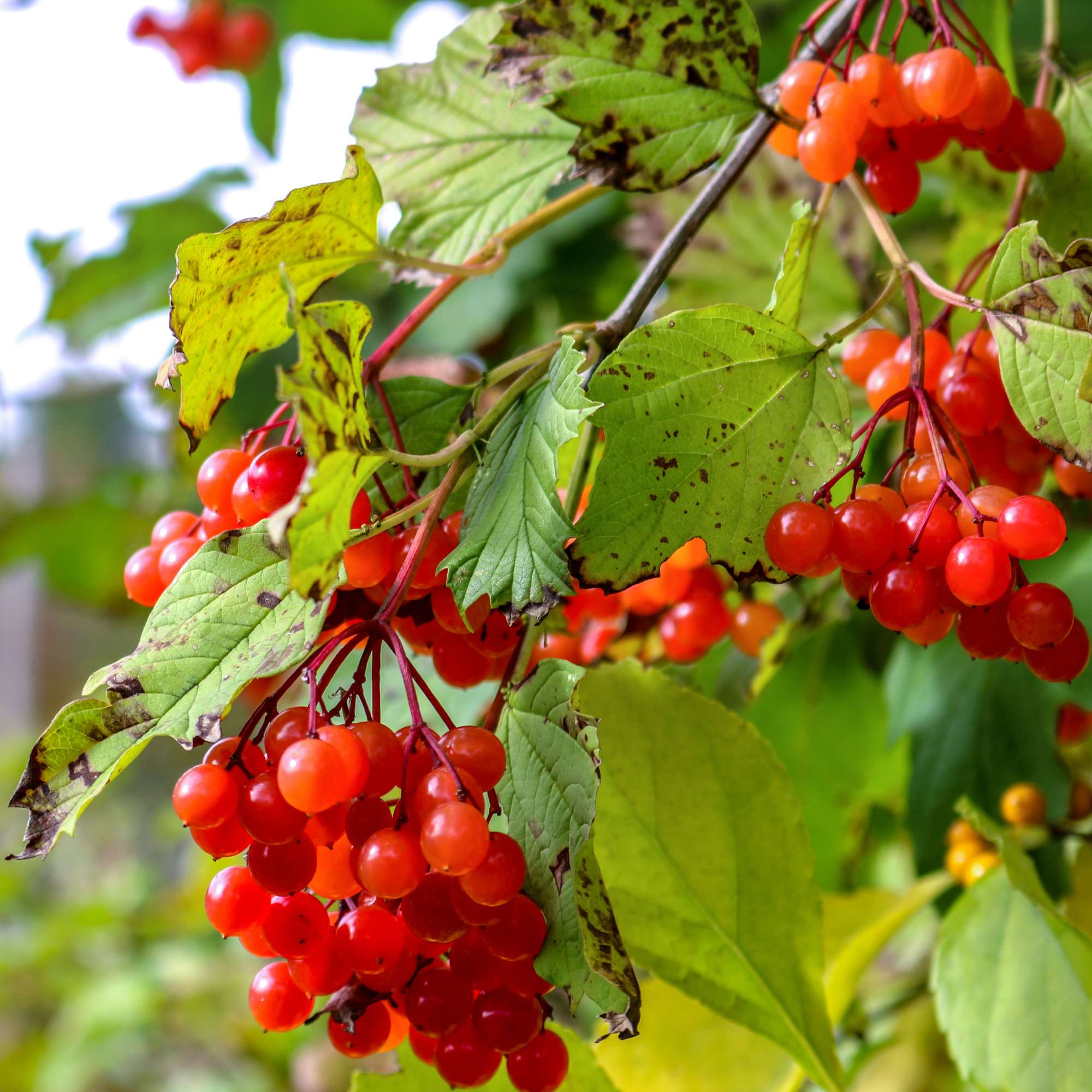
  • American Highbush CranberryShips SpringIn Stock

    American Highbush Cranberry

    Viburnum trilobum

    Sizes Explained A Grade (Pot-Ready): Start in a pot or nursery bed for one season before transplanting. B Grade (Pot-Ready): Smaller then A grade - Start in a pot or nursery bed for one season before transplanting. Hardiness Zone: Perfect for hardiness zones 2 to 7 , the American Highbush Cranberry thrives in a wide range of climates and conditions. Soil Type: Flourishing in well-drained, moist soil, this versatile shrub adapts to various soil types, including loamy or slightly acidic compositions. Fruit Size: Enjoy the abundance of bright red berries that typically measure around 1/4 to 1/2 inches in diameter, adding vibrant color to your landscape. Height and Width: Expect this stunning shrub to grow to heights of 8 to 12 feet with a spread of 10 to 12 feet, creating an impressive presence in your garden. Flowering Time: Admire the clusters of white flowers that bloom in late spring to early summer, transforming into the vibrant berries that last into fall, enhancing visual appeal. Growth Habits: Characterized by a rounded and dense form, the American Highbush Cranberry displays multiple stems with lush green foliage, offering a delightful display throughout the seasons. Ripening Time: Berries ripen from late summer to early fall, becoming deep red in color. The berries can stay on through late winter when birds will flock to a bush for a feast. Additional Requirements: This shrub prefers full sun to partial shade and benefits from regular pruning to maintain its shape and promote optimal growth.

    • Zone 2–7
    • 10 ft
    • Part Shade
    CA$13.00from
    View Plant
  • Northern BayberryIn Stock

    Northern Bayberry

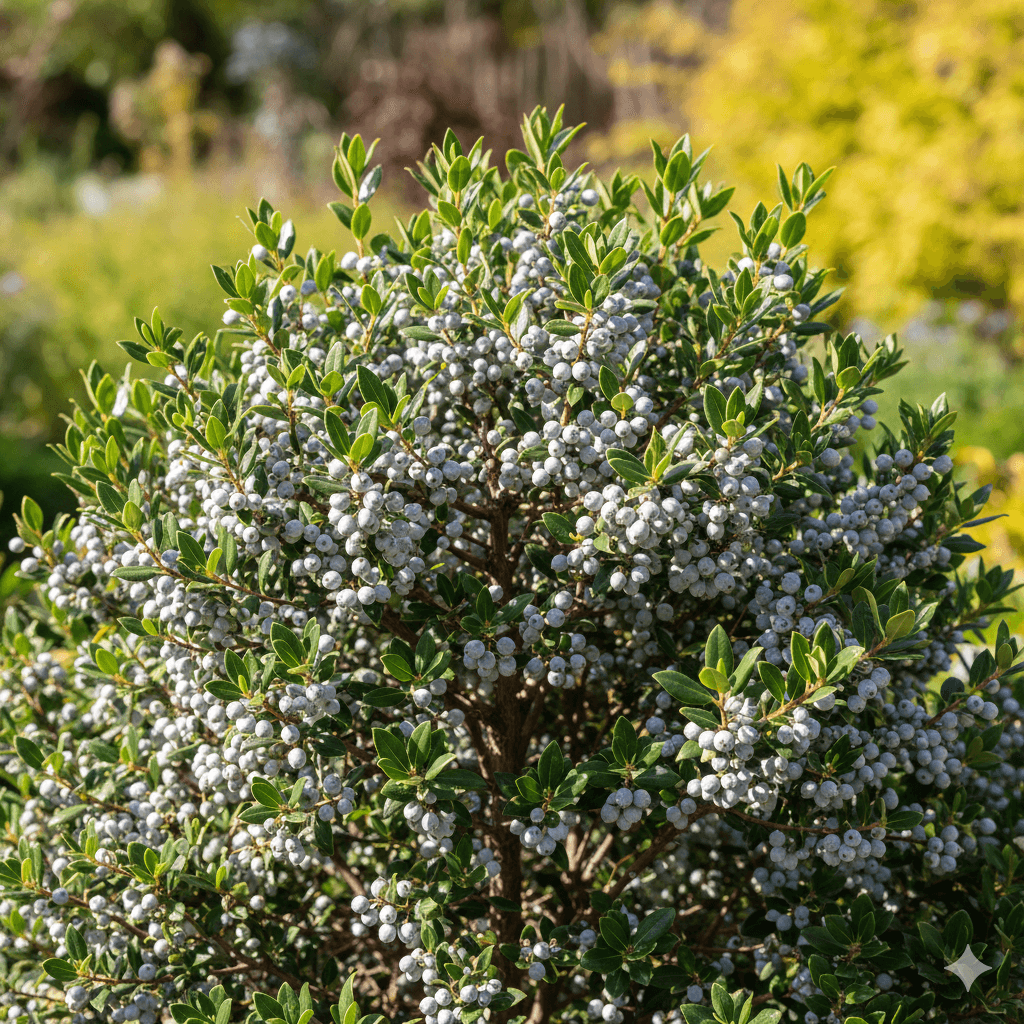
    Northern Bayberry ( Myrica pensylvanica ) is one of the most resilient, wildlife-friendly native shrubs in Eastern North America. Known for its aromatic foliage and clusters of wax-coated grey berries, this shrub thrives in conditions where most plants fail—coastal winds, road salt, sandy soils, and nutrient-poor environments. It’s an essential species for restoration plantings, wildlife gardens, and low-maintenance landscapes. Pot-Ready: Start in a pot or nursery bed for one season before transplanting. Why Grow Northern Bayberry • Extremely hardy and adaptable • Thrives in sandy, rocky, and nutrient-poor soils • Salt-tolerant—ideal for coastal regions and roadside planting • Produces grey, waxy berries loved by birds • Aromatic foliage with a clean, spicy scent • Drought-tolerant once established • Naturally disease and pest resistant • Excellent for hedges, screening, and habitat creation Quick Facts Feature Details Botanical Name Myrica pensylvanica Hardiness Zone 3–7 Height 5–10 ft mature Spread 4–8 ft Growth Rate Medium Exposure Full Sun to Part Shade Soil Sandy, loam, poor soils; well-drained Tolerance Salt, drought, wind Wildlife Value Very high; berries feed winter birds Planting & Care Northern Bayberry performs best in full sun and well-drained soil, but it is incredibly forgiving. Once rooted, it becomes drought-tolerant and thrives even in harsh locations. Minimal pruning is needed—shape only in late winter or early spring if desired. Ideal For • Wildlife gardens • Native restoration projects • Coastal landscapes and dunes • Roadside or salt-exposed areas • Low-maintenance garden borders • Hedges and screening • Soil stabilization FEATURES (BULLET LIST) • Salt-tolerant and coastal-hardy • Fragrant foliage • Waxy grey berries for birds • Low maintenance, drought-tolerant • Pest and disease resistant • Excellent for restoration and wildlife habitat • Thrives in poor soils SPECIFICATIONS TABLE Attribute Value Botanical Name Myrica pensylvanica Mature Height 5–10 ft Mature Spread 4–8 ft Growth Form Multi-stem deciduous shrub Growth Rate Medium Light Full Sun / Part Shade Soil Sandy, rocky, or nutrient-poor soils Water Needs Low once established Hardiness Zone 3–7 Berry Type Grey wax-coated clusters Wildlife Value High Frequently Asked Questions Does Northern Bayberry tolerate coastal wind and salt? Yes — it is one of the best native shrubs for salt-exposed and windy coastal environments. Does it attract wildlife? Absolutely. Its waxy grey berries persist into winter and feed birds such as waxwings, chickadees, and yellow-rumped warblers. Is Northern Bayberry good for hedges or screening? Yes — it naturally forms a full, multi-stem shrub ideal for dense, attractive hedges. How much maintenance does it need? Very little. It is naturally pest-resistant, drought-tolerant, and rarely requires pruning. What kind of soil does it prefer? It thrives in poor, sandy, or rocky soil — no need for rich soil or special amendments. Will Northern Bayberry grow in partial shade? Yes — it grows in full sun or part shade, though full sun produces the most berries. Does it spread aggressively? It can gently spread via root suckers but stays manageable and is considered an ecological asset.

    CA$9.00from
    View Plant
  • Pussy WillowIn Stock

    Pussy Willow

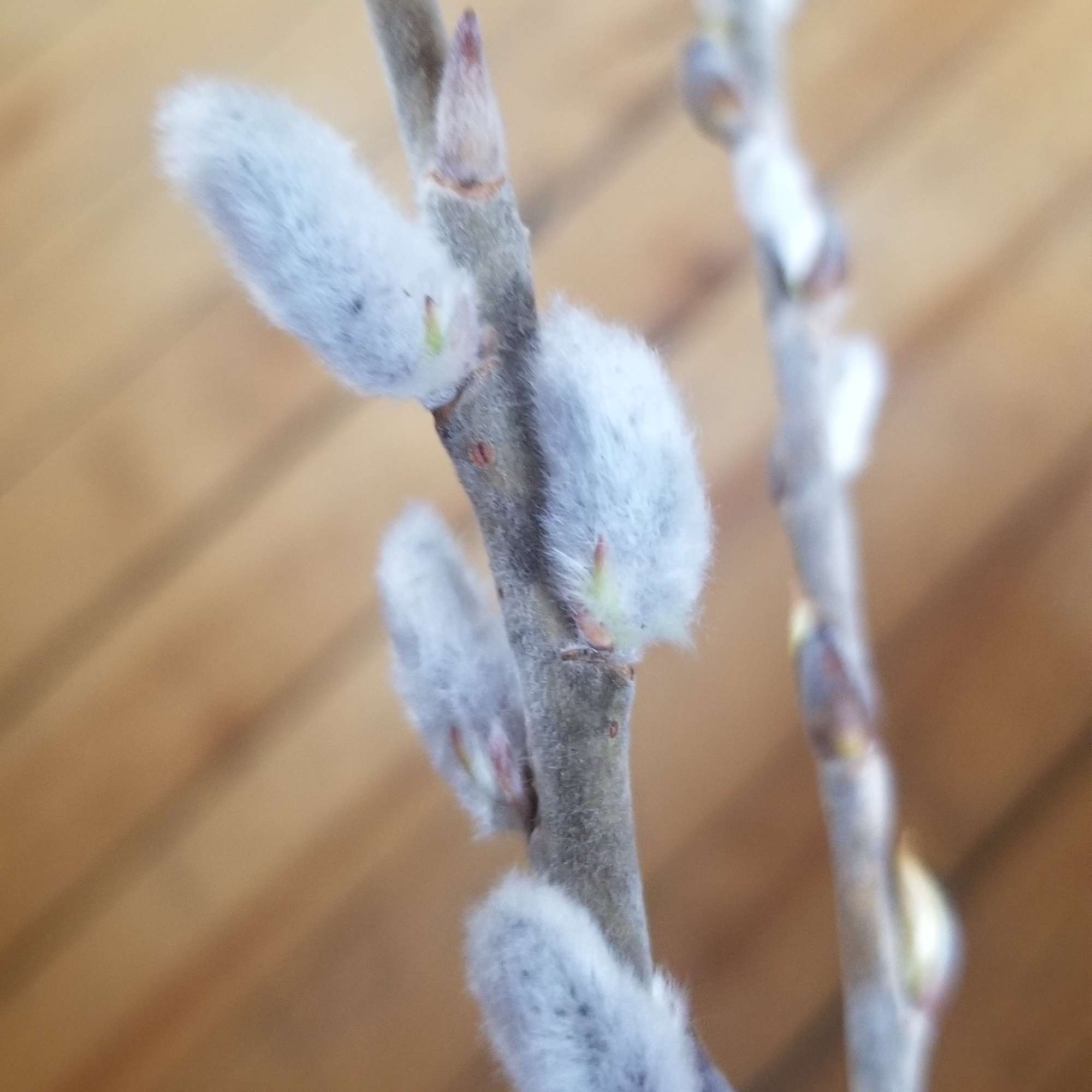
    Hardiness Zone: Ideal for hardiness zones 4 to 8, the Pussy Willow adapts seamlessly to diverse climates and weather conditions. Soil Type: Thrives in moist, well-drained soil but showcases adaptability to various soil types, including loamy or sandy soil compositions. Height and Width: Expect the Pussy Willow to grace your garden with a height reaching 5 to 6 feet and a spread ranging from 4 to 5 feet , providing an eye-catching presence in your landscape. Flowering Time: Prepare to be mesmerized by the enchanting catkins that emerge in late winter to early spring, transforming your garden with their soft, silvery-gray hues and becoming more distinct and viable for decorative purposes. Growth Habits: Known for its vigorous growth rate, this shrub boasts an upright, multi-stemmed growth pattern. Its branches are adorned with delightful, furry catkins, adding elegance to any setting. Flower Utilization: The flower capsules of the Pussy Willow offer unique decorative appeal and are often used in dried floral arrangements, adding a charming touch to bouquets and crafts. Additional Requirements: While the Pussy Willow is adaptable, it thrives best in areas with ample sunlight and regular moisture. Pruning can help maintain its desired shape and size. Read more here: Read More

    CA$17.00from
    View Plant
  • Red MapleIn Stock

    Red Maple

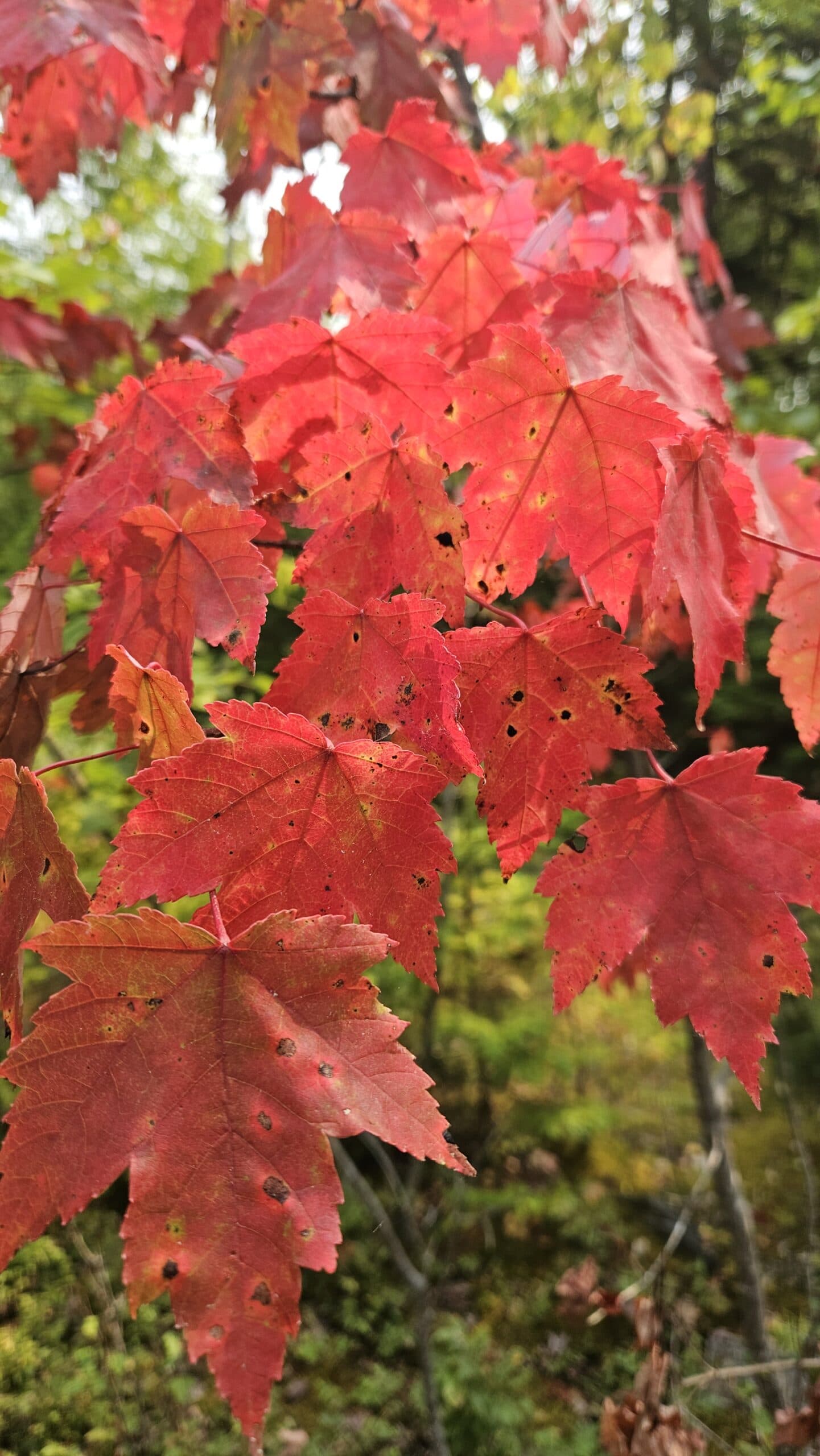
    Red Maple Bring beauty, shade, and ecological value to your land with this Red Maple (Acer rubrum) bundle. Ideal for larger plantings such as windbreaks, woodlots, forest restoration, shelterbelts, acreage projects , or creating fall colour displays. Red Maples are one of the most adaptable native hardwoods in Eastern Canada. They tolerate a wide range of soils, grow quickly, and provide brilliant red foliage in the fall , making them a favourite across Nova Scotia. What You Get Healthy roots and strong young growth Suitable for potting up or planting directly (depending on the plant type you select) Why This Pack Is Perfect Excellent for woodlot expansion Great for reforestation & stewardship projects Strong, hardy native species Provides habitat , shade , and biodiversity Stunning red foliage every autumn Fast-growing & low-maintenance Growing Conditions Hardiness: Zone 3–8 Sun: Full sun to partial shade Soil: Moist, well-drained preferred — but very adaptable Growth Rate: Fast Mature Height: 40–70 ft Wildlife Benefits Supports pollinators with early spring flowers Seeds feed birds & wildlife Provides nesting habitat Boosts biodiversity in forest ecosystems Perfect For Woodlot owners Forest restoration Acres & homesteads Windbreaks & shelterbelts Naturalized areas Long-term property improvement Ideal for buyers needing multiple trees for larger projects Planting & Care Choose a sunny or partially shaded location Loosen soil and plant each sapling at root-collar level Water deeply after planting Mulch to retain moisture Water weekly during the first growing season FAQs Q: How big are the saplings? A: Typically young nursery saplings suitable for planting directly or potting, depending on your selection. Q: Can I order more than one pack? A: Yes — Increase quantity for more bundles. Q: Are Red Maples good for woodlots? A: Absolutely. They’re fast-growing, hardy, and great for natural forests.

    CA$30.00from
    View Plant
  • Red Osier DogwoodShips SpringIn Stock

    Red Osier Dogwood

    Cornus sericea

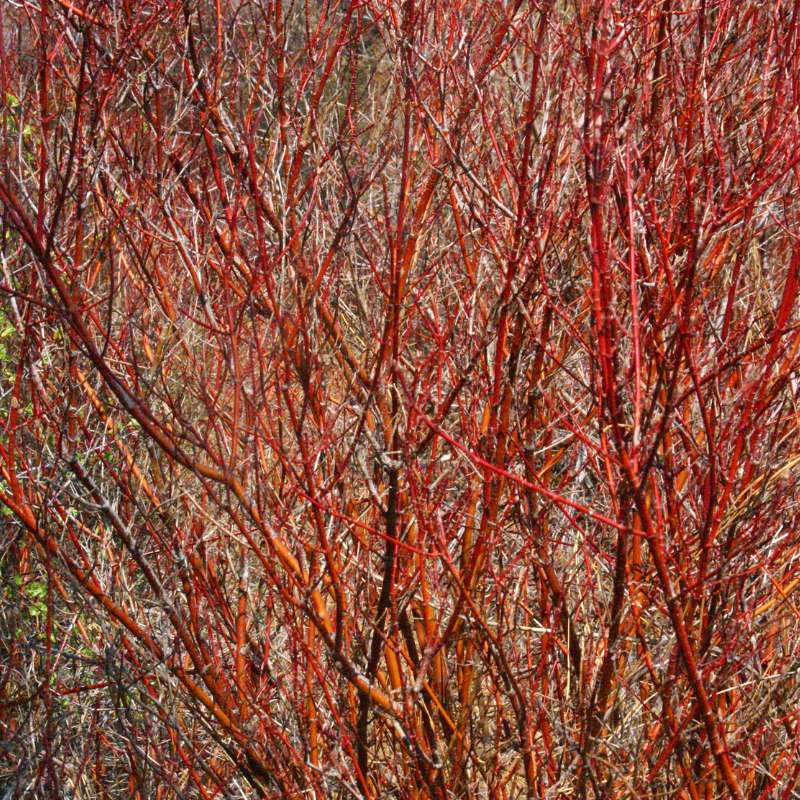
    Red Osier Dogwood: A Striking Landscape Choice Enhance your outdoor space with the beauty and versatility of Red Osier Dogwood. Discover why this native shrub is a favorite among gardeners: Hardiness Zone Also known as Red Twig Dogwwod it thrives in a wide range of Hardiness Zones, from Zone 2 to Zone 7. It's well-suited for various climates and regions. Ideal Soil Type Plant this Dogwood in moist to wet soils, making it perfect for rain gardens and areas with poor drainage. This hardy shrub adapts to a variety of soil types. Fruit Size While Red Osier Dogwood produces small, berry-like fruit, it's primarily grown for its striking red stems and vibrant foliage rather than its fruit. Plant Size Red Osier Dogwood typically reaches a height of 5 to 9 feet, with a similar spread. Its upright, arching branches create an attractive, multi-stemmed form that adds visual interest to your landscape. Flowering Time This shrub blooms in late spring to early summer, displaying clusters of small, creamy-white flowers. These flowers give way to clusters of small, white fruit that provide food for local wildlife. Growth Habits Known for its vigorous growth, this Dogwood is a deciduous shrub with brilliant red stems in winter. It's often used for erosion control along streambanks and as an ornamental hedge or border plant. What to Do with the Fruit While the fruit of is not typically harvested for human consumption, it serves as a valuable food source for birds and other wildlife. Consider planting it to support local ecosystems and attract wildlife to your garden. When It's Ripe The small, white fruit of Red Osier Dogwood ripens in late summer to early fall, providing a seasonal feast for birds and other wildlife in your area. Additional Requirements - Sunlight: This shrub tolerates both full sun and partial shade, making it versatile in various garden settings. - Pruning: While not typically required, occasional pruning can help maintain its shape and encourage vibrant new growth. - Watering: Keep the soil consistently moist, especially during the establishment phase, to ensure healthy growth. Why Choose Our Red Osier Dogwood - Native Beauty: Enjoy the natural charm and year-round appeal of this native shrub. - Wildlife Attraction: Support local ecosystems by providing a food source for birds and wildlife. - Landscape Versatility: Use it as a striking border plant, hedge, or erosion control solution. - Low Maintenance: Red Twig Dogwood thrives with minimal care, making it an excellent choice for busy gardeners. Elevate your landscape with the captivating beauty and ecological value of Red Osier Dogwood. Order now and transform your outdoor space with this versatile native shrub.

    • Zone 2–7
    • 8 ft
    • Part Shade
    CA$18.99from
    View Plant
  • Wild Rose - Rosa VirginianaIn Stock

    Wild Rose - Rosa Virginiana

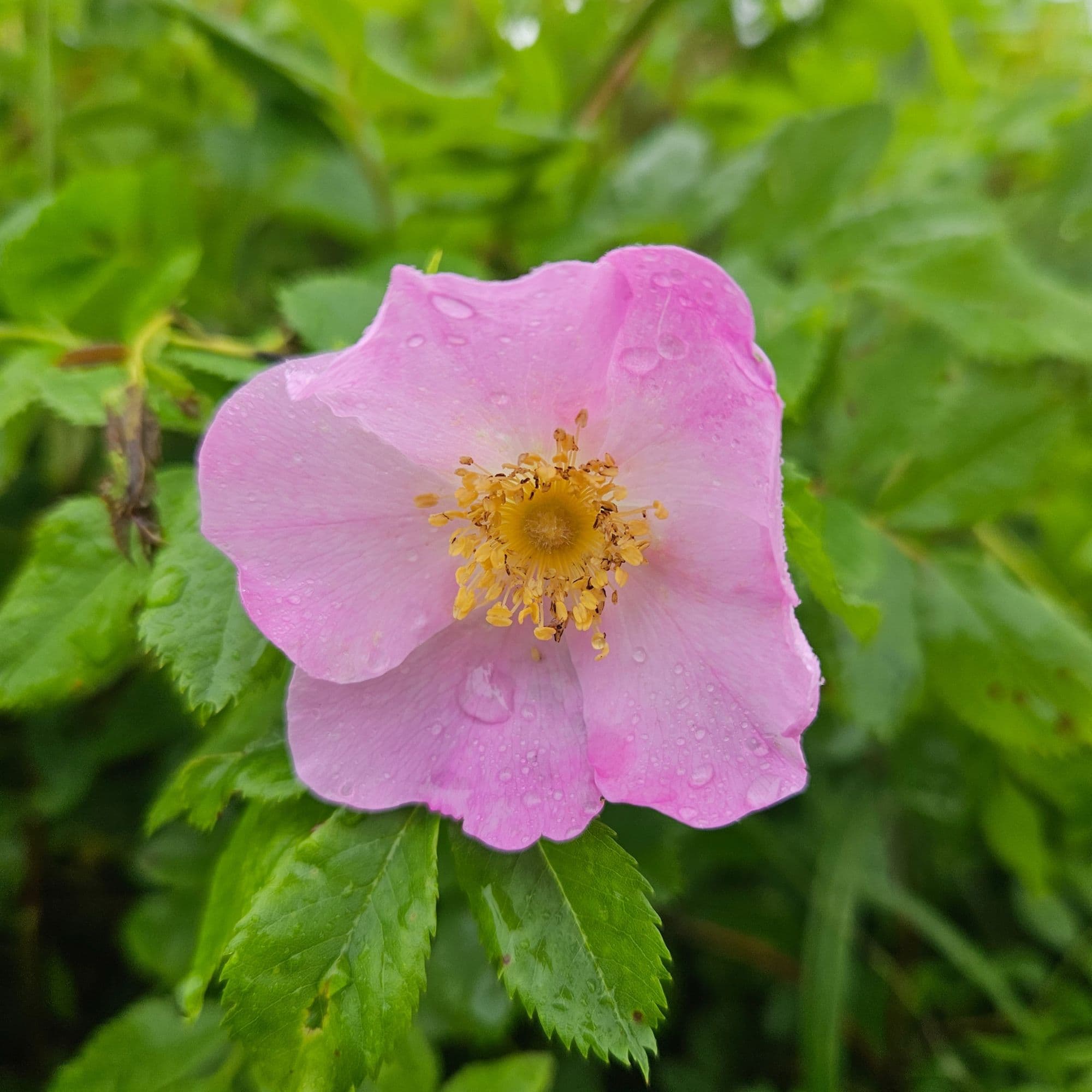
    Virginia Rose (Rosa virginiana) - ALL RECOMMENDED as POT-READY Sizes Explained A Grade (Pot-Ready): Start in a pot or nursery bed for one season before transplanting. B Grade (Pot-Ready): Start in a pot or nursery bed for one season before transplanting. The Rosa Virginiana will add a splash of beauty and wildlife attraction to your garden. This native North American shrub is not only aesthetically pleasing with its delicate pink flowers but also plays a crucial role in supporting local ecosystems. Key Features of Rosa Virginiana: Hardiness Zone : Thrives in Hardiness Zones 3 to 8, making it suitable for a wide range of climates. Soil Type : Prefers well-drained, sandy or loamy soils but is adaptable to clay and rocky soils, demonstrating its resilience. Height and Width : Grows to a height of 3 to 5 feet and spreads about 3 to 4 feet wide, making it an excellent choice for hedges, borders, or naturalized areas. Fruit Size : Produces small, round hips, approximately 0.5 to 1 inch in diameter, which are bright red to orange and highly nutritious. Growth Habits: Growth Rate : Moderate growth rate, establishing quickly in favorable conditions. Flowering Time : Blooms from late spring to early summer, showcasing fragrant, single to semi-double pink flowers that attract pollinators like bees and butterflies. Caring for Your Rosa Virginiana: Sunlight : Requires full sun to partial shade for optimal growth and blooming; ideally, it should receive at least 6 hours of direct sunlight daily. Watering : Water regularly during the first growing season to establish roots, then provide moderate water in subsequent years. This plant is drought-tolerant once established. Fertilization : Minimal fertilization is required. If desired, use a balanced fertilizer in early spring to promote vigorous growth. Harvesting Rose Hips: Ripening : The rose hips are typically ripe in late summer to early fall, turning a vibrant red or orange. Harvesting Tips : Collect ripe hips after the first frost for a sweeter taste. Wear gloves to avoid thorns while harvesting. Culinary and Medicinal Uses: The fruit of the Virginia Rose, known as rose hips, is not only beautiful but also packed with nutrients. Here are some uses: Culinary : Use rose hips to make jams, jellies, or teas. They can also be added to soups and salads for a unique flavor. Medicinal : Rich in vitamin C, rose hips have been used traditionally to boost the immune system and may have anti-inflammatory properties. Additional Information: Wildlife Benefits : The Virginia Rose provides food and habitat for various wildlife, including birds and pollinators, making it an excellent choice for ecological gardens. Pests and Diseases : Generally resistant to pests and diseases, but keep an eye out for aphids and spider mites. Prune as needed to maintain shape and remove any dead or diseased branches. Enhance your garden’s biodiversity and beauty with the Virginia Rose (Rosa virginiana). Order yours today and enjoy the stunning blooms and nutritious rose hips for years to come!

    CA$5.00from
    View Plant

Growing Guide

Why grow native plants?

Native plants are the ones this land already knows how to grow — no pampering, no watering schedule, no guilt. Plant them for the birds, the pollinators, the wet ditch nothing else survives, and the quiet satisfaction of putting things back.

  • Adapted, not acclimatized

    Thousands of years of local winters — these establish fast and stay put without fuss.

  • Habitat, instantly

    Native shrubs host the insects that feed the birds — the food web starts here.

  • Problem-site specialists

    Wet soil, erosion, poor ground: there's a native plant whose whole job is exactly that.

  • Low input by design

    Once established, most natives need nothing from you but admiration.

Solve wet ground the native way

Red osier dogwood, elderberry, and buttonbush thrive where lawns drown — streambanks, ditches, spring-soggy corners. Their roots hold soil while everything else feeds the birds.

Natives for wet soil

Plant a bird buffet

Serviceberry in June, elderberry in August, viburnum into winter — sequence native fruiting shrubs and the feeder refills itself from July to February.

Natives the birds love

Restoration in rows

For hedgerows, field edges, and riparian strips, plant natives at 1–2 m spacing and let them knit. Mixed rows beat monocultures — more bloom times, more habitat, more resilience.

Fast-establishing natives

Native Plants questions, answered

Why choose native over ornamental?

Natives support dramatically more insect and bird life, establish without irrigation once settled, and can't become the next invasive problem. Ornamentals decorate; natives participate.

Are native plants low-maintenance?

After the first season or two of establishment watering, most need essentially nothing — that's what ten thousand years of local adaptation buys.

What should I plant for pollinators?

Aim for a bloom relay: early willows and serviceberry, summer elderberry and dogwood, late natives for the stragglers. The pollinator filter shows what carries each shift.

Which natives handle erosion?

Red osier dogwood and willows are the classic bank-holders — fast roots, tolerant of flooding, easy to establish from our stock.

Is 'native' the same everywhere in Canada?

No — a species native to southern Ontario may be a newcomer in Nova Scotia. Each plant page lists native status honestly; when it matters for your project, check your provincial guidance too.

  • Zone-matched plants

    Every plant shows the zones where it thrives.

  • Grown in Nova Scotia

    Raised for Canadian winters, shipped across Canada.

  • Not sure what fits?

    Tell us your land and goals — we'll match you.

Need help choosing?Talk to a Plant Expert