Nova Scotia grown

The Discovery Garden

Shop All Plants

76 plants

Cold-hardy trees, berries, and native plants — every one grown for Canadian winters and matched to your zone.

Filters
  • American Elm TreeIn Stock

    American Elm Tree

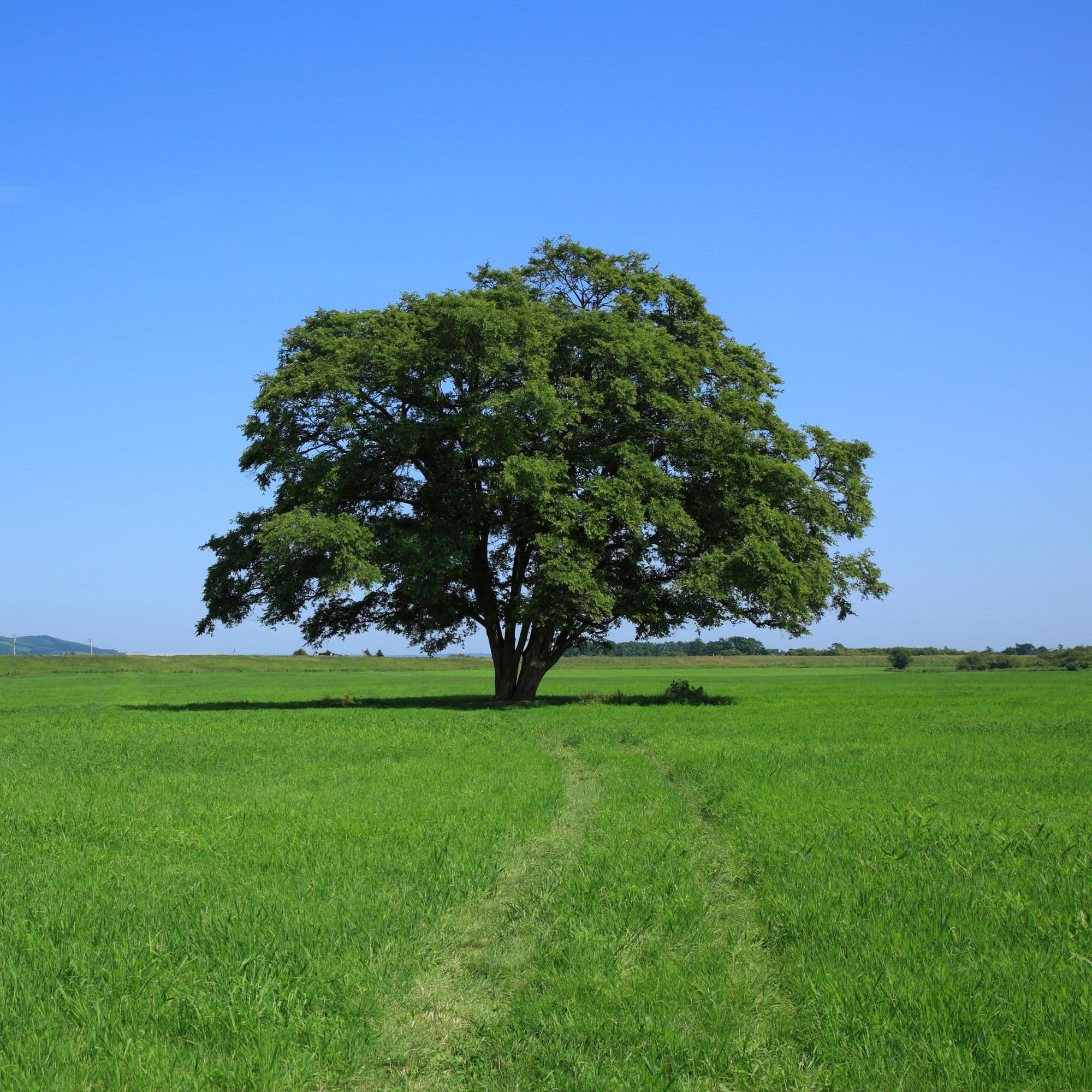
    The American Elm Tree The American elm tree, scientifically known as Ulmus americana , holds a significant place in the cultural and environmental history of North America. This majestic tree is renowned for its impressive height, which can reach up to 100 feet, and its expansive, arching canopy that often spans more than 50 feet. The graceful branches of the American elm create a natural umbrella. It offers shade and beauty to urban parks and rural landscapes alike. Its adaptability to different soil types and climates has allowed it to thrive in a variety of environments. A common sight from the Atlantic coast to the Great Lakes. Historically, the American elm has played a crucial role in American culture. It is often associated with community gathering places. Many towns have planted elms on their main streets, creating picturesque tree-lined avenues. The tree's ability to provide ample shade made it a favored choice for planting near sidewalks and public squares. In terms of ecological significance, the American elm contributes to the biodiversity of its habitat. It supports a variety of wildlife, including birds and insects, which utilize its branches and foliage for shelter and food. However, the American elm has faced challenges due to diseases such as Dutch elm disease. Dutch elm disease has significantly reduced its populations in certain areas. Despite these challenges, efforts to cultivate disease-resistant varieties continue , providing hope for the future of this iconic tree. Iconic North American shade tree known for its tall height and classic vase-shaped form. Fast-growing hardwood , excellent for large landscapes, homesteads, parks, and restoration projects. Tolerates urban conditions , including compacted soil, road salt, and air pollution. Adapts to many soil types — sand, loam, clay — and handles both occasional flooding and drought once established. Excellent habitat value , supporting birds, pollinators, and wildlife. Improved Dutch Elm Disease (DED) tolerance in many modern seed sources (but not fully immune unless a named resistant cultivar). Growth & Planting USDA Planting Zone: 2–9 Sunlight: Full sun to part shade (prefers full sun). Soil: Grows in almost any soil; prefers moist, well-drained loam. pH Range: 6.0–7.5 Spacing: 25–40 ft apart for long-term landscape or restoration planting. Mature height: 60–80 ft (sometimes over 100 ft). Growth rate: Fast — 2–3 ft per year in good conditions. Why American Elm Is Still Planted Today Majestic classic tree with unmatched canopy shape. Great for long-term shade along driveways, fields, and large yards. Ideal for restoration projects , riparian areas, and naturalized plantings. Hardy across nearly all of Canada , including Nova Scotia. Modern seed sources and breeding programs have increased DED resistance compared to historic populations. Conservation Efforts for the American Elm The American elm (Ulmus americana) has long been a beloved tree in the United States. Revered for its architectural beauty and capacity for urban adaptation. This majestic tree faces significant challenges, most notably due to the devastating impacts of Dutch elm disease (DED). This fungal infection, spread by the elm bark beetle and through tree root systems. This has dramatically diminished elm populations since its emergence in the mid-20th century. Symptoms of DED include wilting leaves, premature leaf drop, and dark streaks within the wood, giving rise to rapid tree decline. The disease threatens not only urban specimens but also wild populations, altering ecosystems that rely on the American elm for habitat and food sources. Current conservation efforts aim to combat this crisis on multiple fronts. Research institutions and universities are actively working to develop disease-resistant cultivars. Identifying and cross-breeding elms that exhibit natural resistance to DED,. Growing new seedlings that can be resistant to the diesease. We can reintroduce this vital species into both urban landscapes and forests. Local municipalities, recognize the cultural and environmental significance of the American elm. Then embark on replanting initiatives to restore these trees to their former prominence. Collaborations with environmental organizations bolster these efforts, integrating community education and awareness into their initiatives. Public participation plays a critical role in the conservation of the American elm. Communities are encouraged to engage in local replanting and care activities, increasing the chances of success for newly introduced trees. By fostering awareness of Dutch elm disease and actively participating in conservation initiatives. Individuals can help ensure that the American elm remains a vibrant part of the landscape for future generations. The preservation of this iconic tree is an ongoing effort that benefits not only the species itself but also the broader ecological networks in which it exists.
    CA$11.00from
    View Plant
  • American PersimmonIn Stock

    American Persimmon

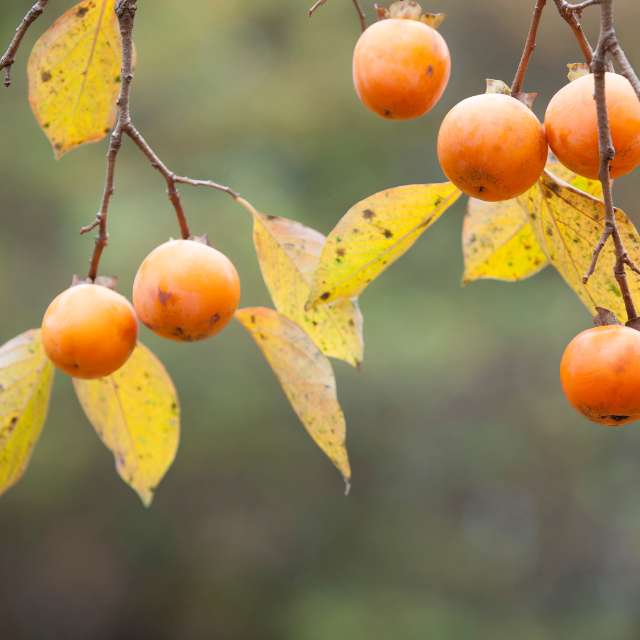
    American Persimmon (Diospyros virginiana) A Grade (Ground-Ready): Stronger, thicker stems for instant planting. B Grade (Ground-Ready): Smaller than A grade and suitable for planting directly in the ground. Pot-Ready: Start in a pot or nursery bed for one season before transplanting. Key Features American persimmon produces rich, sweet, caramel-flavoured fruit that becomes soft and delicious after the first frost. Exceptionally cold-hardy and resilient , thriving in regions far too cold for Asian persimmons. Fragrant spring flowers attract pollinators, followed by glowing orange fruit that ripens in late fall. Known for its strong, durable wood and beautiful natural form, making it both a fruit tree and an ornamental. Excellent for fresh eating (when fully ripe), baking, preserves, and traditional homestead recipes. Growth & Planting USDA Planting Zone: 4–9 (very hardy in the northern U.S. and Canada) Sunlight: Full sun for best fruiting; tolerates part shade. Soil: Adaptable to clay, loam, and sandy soils; prefers well-drained ground. pH Range: 6.0–7.5 Spacing: 20–30 ft for full-size trees. Mature Size: 30–50 ft tall, 20–30 ft wide. Pollination: Many seedlings require a male and female tree for fruiting; some seedlings may be self-fruitful, but not guaranteed. Why Grow American Persimmon? One of the hardiest fruit trees for cold climates, thriving where many fruit species struggle. Low-maintenance, long-lived , and extremely tolerant of drought, poor soil, and tough conditions. Produces flavourful, unique fruit with a taste unlike anything else—perfect for homesteads, food forests, and regenerative plantings. Do I need two trees? Yes — we strongly recommend buying two persimmon seedlings . American persimmons are usually male or female , and seedlings don’t reveal their sex until they’re older. Planting two increases your chances of getting both a male and a female , which means proper pollination and a full crop of fruit . One tree may grow well, but without a pollinating partner, it may not produce persimmons. Appearance: The tree's oval-rounded leaves, measuring 10-15cm, initially emerge as a deep, glossy green when young. As the seasons transition to autumn, this tree dons its finest attire by producing orange-yellow fruits, typically round to oval in shape and measuring 3-5cm in diameter. These fruits are nature's treasures, sweetest after experiencing a touch of chilly weather. Cultivation: American Persimmons thrive in warm, sunny climates, making them an ideal choice for gardens in southern Ontario, British Columbia, Nova Scotia, New Brunswick in Canada. And of course the United States. While they appreciate the sun's warmth, they do not tolerate extreme cold, ensuring their adaptability in a variety of settings. Unique Traits: One of the most captivating features of the American Persimmon is its dioecious nature, which means that individual trees can be male or female. However, the majority of cultivars are self-fertile, producing an abundance of fruit without the need for a male companion. These fruits are a real treat, known for their sweetness and unique flavor profile. They start out astringent when firm but soften as they ripen. Cold-Hardy and Remarkable Storage: What sets the American Persimmon apart is its ability to endure freezing temperatures. Even as winter's chill sets in, these fruits remain edible, standing strong on the tree until December. When they transition to a delightful shade of orange, they're ready to be picked. For those who can't wait, simply place them in a paper bag with apples to expedite the ripening process. Alternatively, you can freeze them overnight for a delectable frozen treat, perfect for enjoying the next day. Why Choose the American Persimmon? Aside from its stunning visual appeal, the American Persimmon is a perfect choice for those seeking a unique addition to their orchard. Its adaptability to various climates, self-fertility, and the exceptional taste of its fruits make it a top contender for both seasoned gardeners and newcomers alike. Plus, its cultural and historical significance adds a layer of depth to your garden's story. Order Yours Today: Experience the charm of the American Persimmon in your own garden. Place your order today at our online nursery. We're dedicated to providing you with healthy, vibrant trees that will thrive and bear delicious fruits for years to come. Transform your landscape with the allure of the American Persimmon – a sweet delight waiting to grace your orchard.

    CA$11.00from
    View Plant
  • Anise Hyssop Flower SeedsIn Stock

    Anise Hyssop Flower Seeds

    Agastache foeniculum

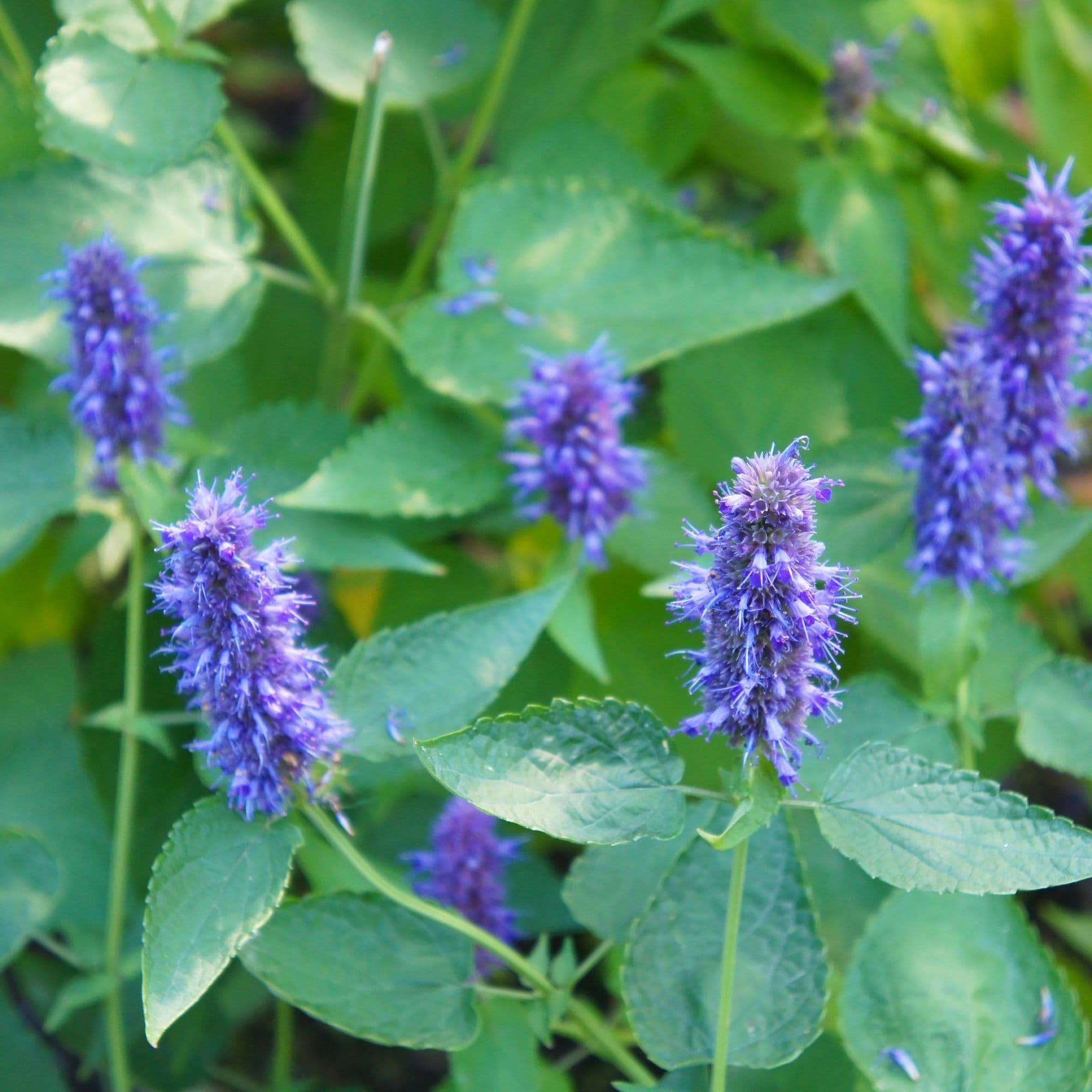
    The Anise Hyssop plant has many names. some like: Giant Hyssop and its latin name Agastache foeniculum These Anise Hyssop packets have 30 seeds in each. Anise hyssop has an erect stature and spikes of lavender blossoms, which make a striking statement in the garden. Anise hyssop, Agastache foeniculum , is a short-lived, edible herbaceous perennial in the Lamiaceae, or mint family. Pick the leaves to make a delicious minty flavoured tea. It’s a native plant suited to gardens in USDA Hardiness Zones 4 to 9. Long used in culinary and medicinal applications, its erect stature and spikes of lavender blossoms make a striking statement in the garden.

    CA$4.00from
    View Plant
  • Arrowwood ViburnumIn Stock

    Arrowwood Viburnum

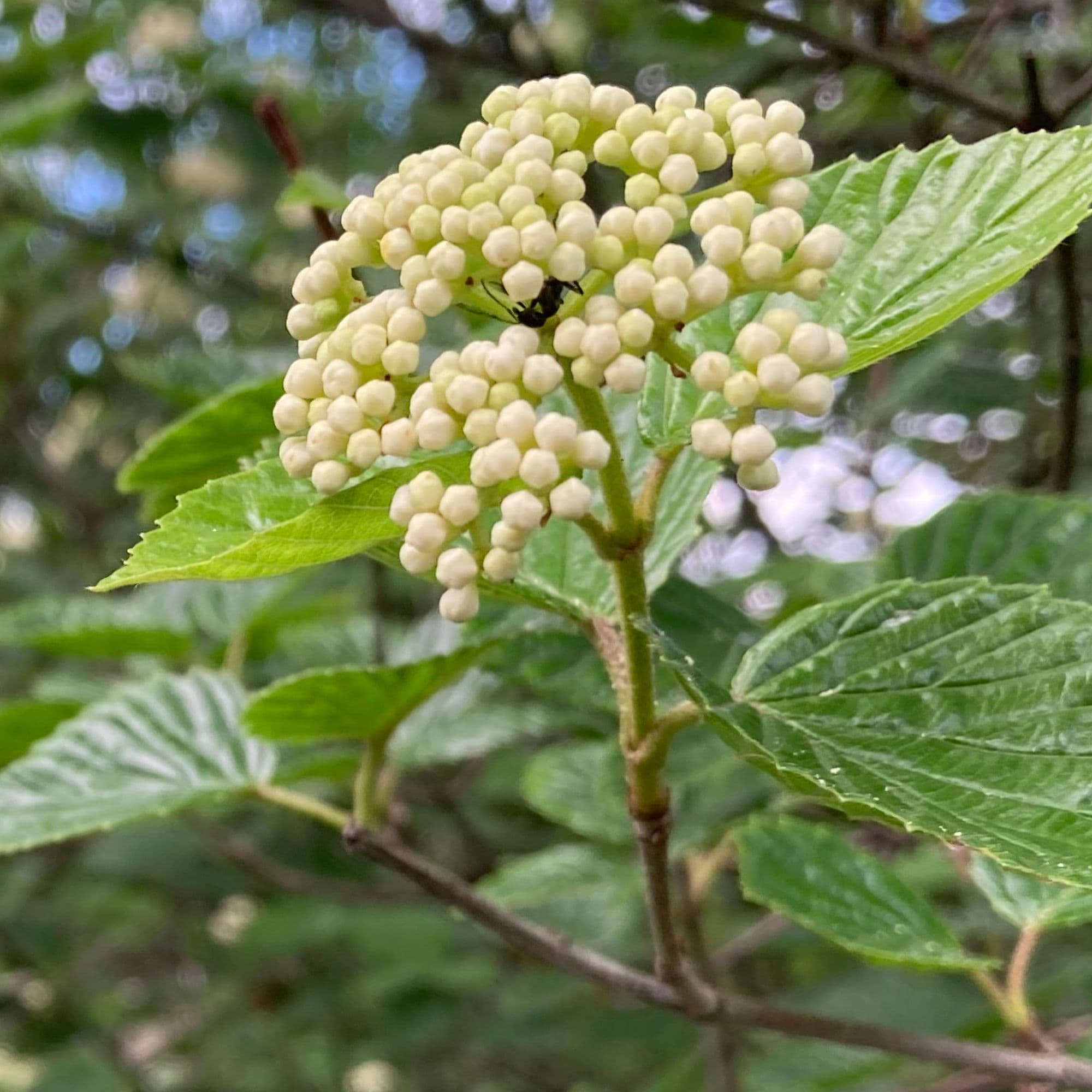
    Arrowwood Viburnum SIZES: Sizes Explained A Grade (Pot-Ready): Start in a pot or nursery bed for one season before transplanting. B Grade (Pot-Ready): Less roots or smaller than A grade. Start in a pot or nursery bed for one season before transplanting. Also known as arrowwood, and Viburnum Dentatum. This canadian native shrub is a must-have for any garden enthusiast. Its flat heads of flowers gracefully bloom in late spring, adding a burst of creamy white to your landscape. Hardy to zone 2a. A real cold hardy plant. Hardiness Zone : Zones 2a-8 , making it suitable for a wide range of climates, especially those with cold winters. Soil Type : Arrowwood Viburnum thrives in various soil types, including clay, loamy, and sandy soils. It prefers moist, well-draining soil but can tolerate wet conditions. It’s also drought-tolerant once established. Height and Spread : Reaching a mature height of 6-10 feet and a width of 6-8 feet, this shrub has a dense, rounded growth habit, making it an excellent choice for hedges or privacy screens. Flowering Time : The Arrowwood Viburnum produces clusters of creamy white, fragrant flowers in late spring to early summer, typically around May to June. Fruit : In late summer to early fall, the shrub bears small, blue-black berries (about 1/4 inch in diameter) that persist into winter. The fruit is edible but typically used for jams and preserves, as it can be somewhat tart when raw. The berries ripen in September and are a popular food source for birds and wildlife. Foliage : The dense, dark green leaves turn brilliant shades of yellow, red, or purple in the fall, offering stunning seasonal color. Growth Habits : Arrowwood Viburnum grows in full sun to partial shade, making it highly adaptable to different light conditions. It’s a low-maintenance plant that requires minimal pruning, though light shaping after flowering can help maintain its structure. Uses : Ideal for use in borders, foundation plantings, hedges, and wildlife gardens. Its strong root system also makes it an excellent choice for erosion control on slopes or unstable ground. Care Requirements : Water regularly during the first year to establish deep roots, and mulch to retain moisture. Afterward, it is quite drought-tolerant and requires minimal care. Fertilizing in the spring can encourage more vigorous growth and flowering. Attracting Wildlife Arrowwood is not just visually appealing; it’s also beneficial for local wildlife. The edible berries are snapped up by birds and other animals very quickly. it's even hard to see the fruits they are gone so quickly. A real bird attracting plant. Perfect for Your Garden As a compact garden shrub, arrowwood adds character to any space. With its showy hair-like clusters of blooms and lush foliage. This North American native is perfect for enhancing your garden’s beauty. Choose one today!

    CA$11.00from
    View Plant
  • Autumn Olive - Elaeagnus UmbellataIn Stock

    Autumn Olive - Elaeagnus Umbellata

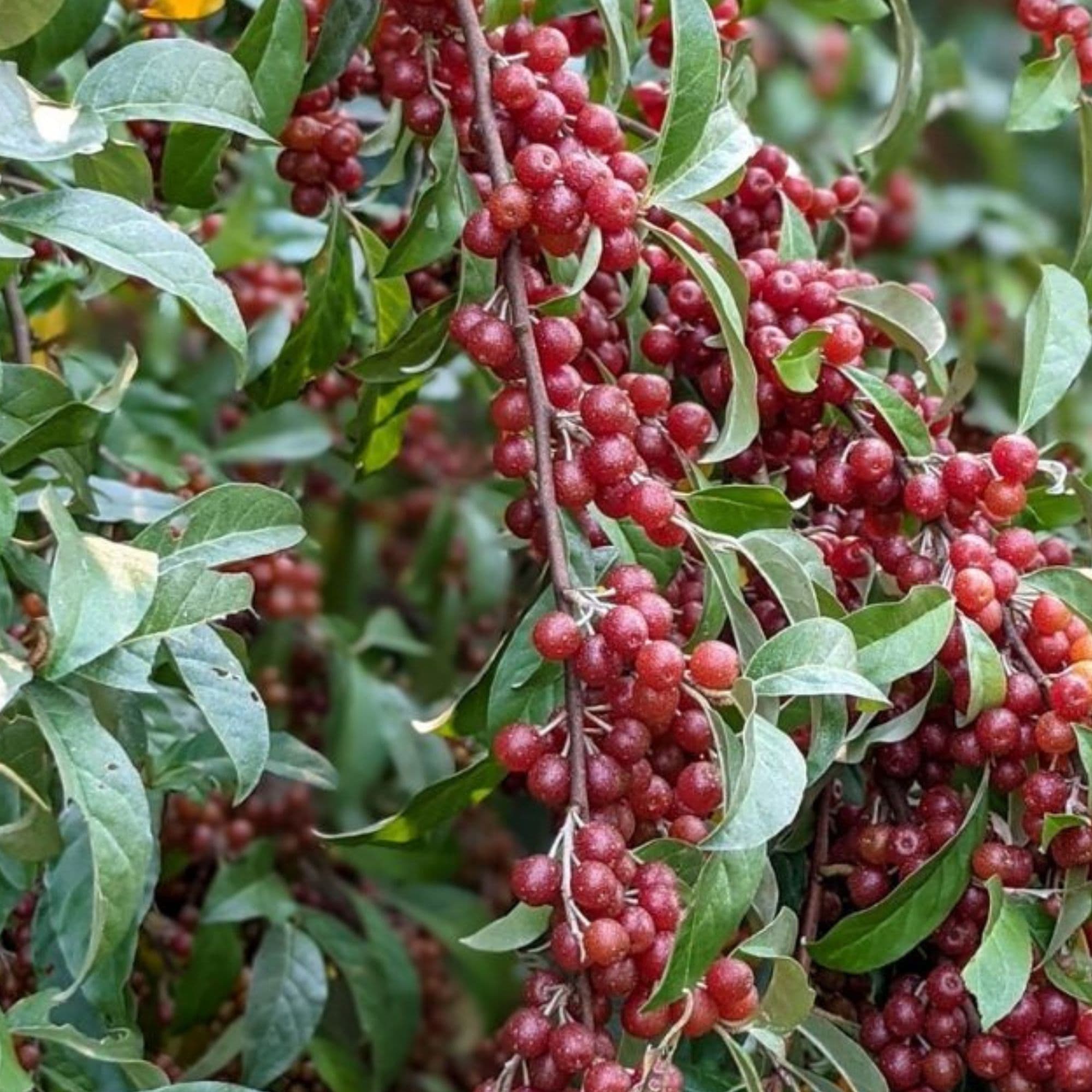
    Autumn Olive - Elaeagnus Umbellata This year our Autumn Olive plants are between 6 - 12 inches in height. Strong and healthy shrubs that you can plant either in the garden or pots. Give these plants extra care during their growth cycle during the spring and summer period. Elaeagnus umbellata, widely recognized as Japanese silverberry or autumn olive, is a deciduous shrub that belongs to the Elaeagnaceae family. This species is indigenous to East Asia, specifically Japan, Korea, and parts of China, and has been introduced to various regions, including North America, where it is now considered naturalized in many areas. The plant exhibits a versatile range of ecological and ornamental qualities, contributing to its popularity in landscaping and ecological restoration projects. In terms of physical characteristics, Elaeagnus umbellata can grow up to 10 feet in height, with a slightly spreading habit. The foliage consists of alternate leaves that are lanceolate to ovate in shape, typically measuring 2 to 4 inches long. The upper leaf surface is a rich green, while the underside is covered in silvery scales, resulting in a striking contrast that gives rise to its common name, silverberry. Its fragrant, yellowish-white flowers bloom in late spring to early summer, resembling small clusters, while the fruit ripens into small, reddish-orange drupes by late summer. The berry-like fruits are edible and have a sweet-tart flavor, attracting various wildlife, which assists in its propagation. The geographical distribution of Elaeagnus umbellata extends beyond its native habitat due to its adaptability to different soil types and climatic conditions. It thrives in disturbed areas, roadsides, and open fields, often colonizing in large patches. The names "autumn olive" stem from its fruiting period during autumn, and the olivaceous appearance of its leaves, respectively. Each of these common names reflects an essential aspect of the plant’s biology, highlighting its unique attributes and ecological role. Uses and Benefits of Japanese Silverberry The Japanese silverberry, scientifically known as Elaeagnus umbellata , is a multifaceted plant renowned for its numerous environmental, culinary, and medicinal advantages. One of its most significant ecological roles is its capability to fix nitrogen in the soil. This unique trait not only enhances soil fertility, but also promotes healthier ecosystems by enriching the soil quality, thus benefiting other plants and organisms within the environment. In culinary contexts, the Japanese silverberry’s small, edible fruits are gaining popularity for their distinctive taste and health benefits. These berries can be consumed fresh, dried, or made into jams, jellies, and sauces, adding versatility to various dishes. Rich in vitamins, antioxidants, and other beneficial compounds, Elaeagnus umbellata offers a nutritional boost that appeals to health-conscious consumers. From a landscaping perspective, the plant’s resilience and adaptability make it a favored choice for gardens and permaculture designs. It thrives in diverse environments, tolerating poor soils and varying moisture conditions. Its ability to enhance biodiversity while providing aesthetic value contributes to its increasing incorporation in sustainable gardening practices. However, it is essential to consider its potential invasiveness in certain regions, which necessitates careful management strategies to prevent ecological imbalance. The Japanese silverberry exemplifies a versatile plant that offers exceptional benefits across multiple domains, from environmental health and culinary applications to medicinal uses and landscaping. While its advantages are manifold, responsible management remains crucial for sustainable integration into natural habitats.

    CA$5.00from
    View Plant
  • Basket WillowIn Stock

    Basket Willow

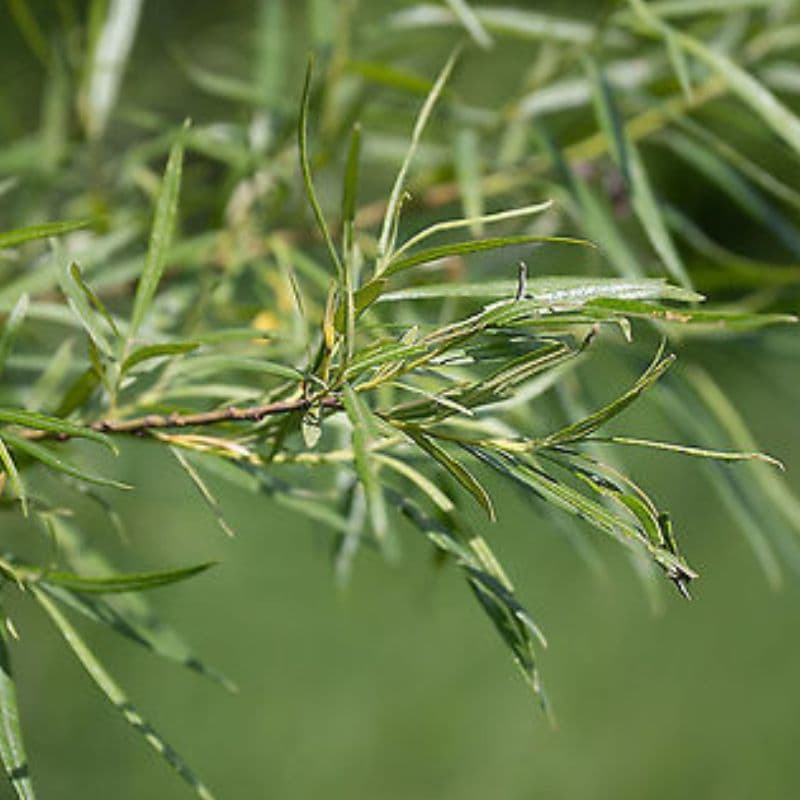
    SIZE: Basket willow plants are approximately 1 - 2 feet high. Hardiness Zone : Thrives in Zones 4–8, making it suitable for temperate regions with cool to moderate winters. Soil Requirements : Prefers moist, well-drained soils but is highly adaptable to various soil types, including clay, sandy, or loamy soils. Tolerates waterlogged conditions, making it ideal for wetland areas or near water features. Growth Habit : A deciduous, multi-stemmed shrub with a narrow, upright growth habit. Typically grows 10–20 feet tall and 6–12 feet wide , though it can be pruned to maintain a smaller size. Flowering Time : Produces small, inconspicuous yellowish catkins in early spring (March to April), which attract bees and other pollinators. Basket Willow Varieties Basket willow is a crucial material for artisans engaged in the craft of basket weaving. Among the various types available, three primary varieties stand out due to their distinctive characteristics: Black Maul, Bleu, and Red Belgian. Each of these varieties offers unique attributes that influence the aesthetics and functionality of the final basketry product. Black Maul willow is notable for its deep, rich color, which can range from dark brown to nearly black. This variety is appreciated for its excellent flexibility. Manipulate it into intricate designs without compromising its structure. Black Maul is highly durable, making it suitable for both decorative and functional baskets. Its robust nature ensures that it withstands daily use while retaining its visual appeal over time. For projects aiming for a rustic charm, Black Maul is often the preferred choice. Bleu willow is recognized for its stunning bluish-gray hue. Provides a modern touch to basketry creations. The striking color can set it apart from traditional brown tones, appealing to contemporary designs. Bleu willow's flexibility is also enables weavers to create delicate patterns. It is an excellent choice for ornamental baskets or sophisticated home decor pieces. The unique color can add a refreshing element to any basketry project. Red Belgian willow is distinguished by its vibrant reddish tint. Making it one of the most visually striking options in basketry. This variety is very flexible. As it ages, the color deepens, enhancing the allure of the finished product. Red Belgian is particularly favored for showing how varying colors can influence the overall appearance of baskets. Crafting Baskets with Willow Creating beautiful baskets using basket willow is both an art and a rewarding craft. This endeavor begins with procuring the right tools and materials, which are essential for successful basket weaving. The primary materials needed include, various types of basket willow. Tools such as a sharp knife, pruning shears, a measuring tape, and a sturdy board for work. A soaking tub is also beneficial, as soaking the willow helps to soften the material, making it pliable and easier to work with. The first step in the basket-making process is preparing the willow. Begin by selecting the desired willow varieties, such as basket willow for its long, flexible stems. Cut the willow into manageable lengths and soak the stems in cool water for several hours or overnight. Which hydrates the fibers and enhance their flexibility. Weaving process. Start by determining the basket's design and planning the base. Lay out three or four willow rods in a star shape, which will serve as the base. Secure the ends and begin placing additional willow rods around the base. Weave them in an under-and-over pattern to form the sides of the basket. As you progress, regularly check the height and symmetry of the basket to ensure it adheres to your intended design. Beginners may wish to start with a basic round basket before exploring more complex patterns. Along the way, it is crucial to keep the willow well-moistened to prevent cracking during the weaving process. If issues arise, such as breaking strands or uneven tension, adjusting your grip and applying a gentle tug can help maintain the integrity of the basket. Incorporating creative flourishes, such as embellishments and varied colors, can personalize your basket. With practice, your technique will improve, and you can experiment with different styles and functional designs. This hands-on craft not only encourages creativity but also allows one to appreciate the skill involved in traditional basketry willow weaving.

    CA$15.00from
    View Plant
  • Black AshIn Stock

    Black Ash

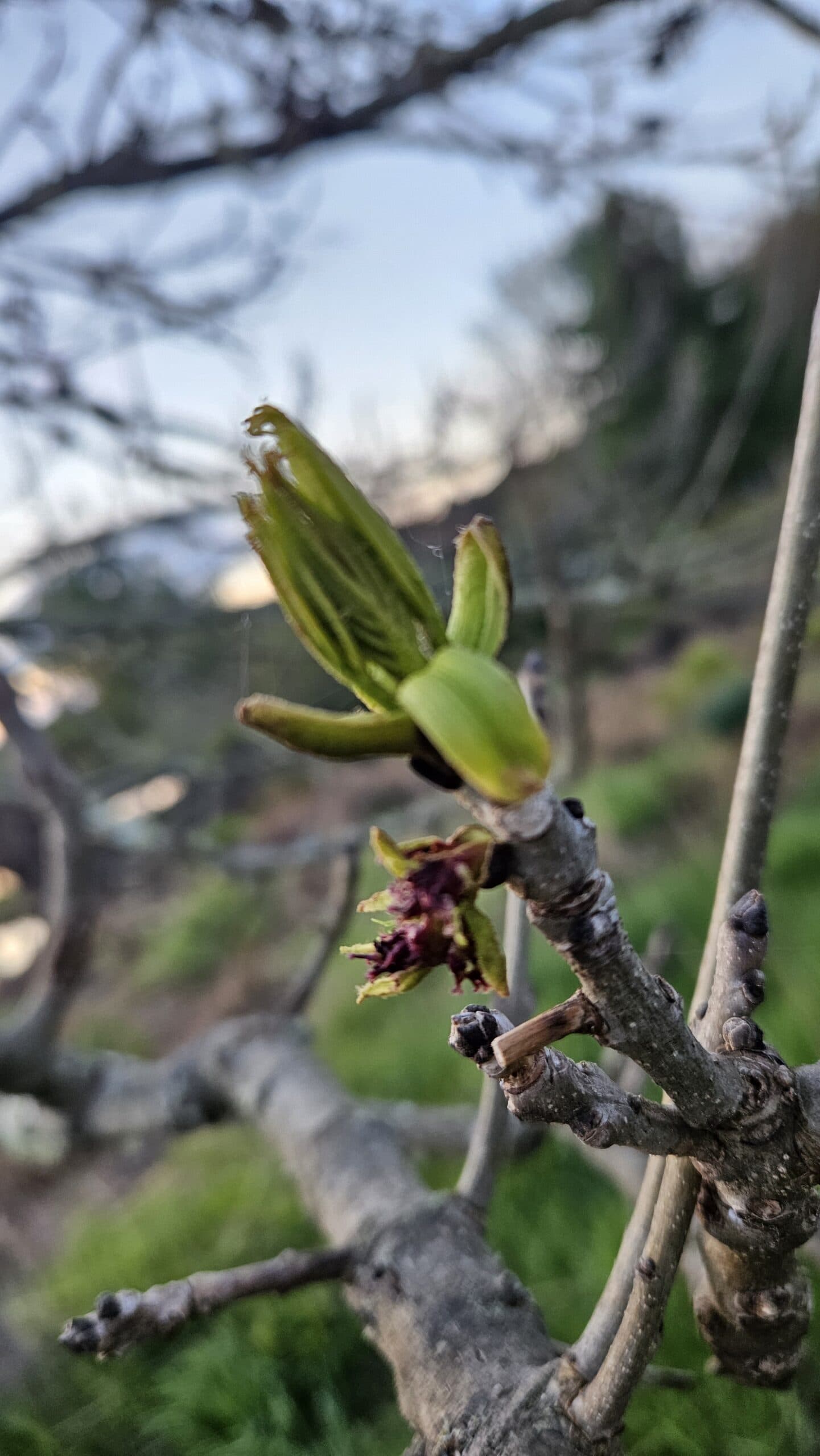
    Black Ash (Fraxinus nigra) — Native Wetland Tree Saplings for Restoration, Shade & Riparian Sites The Black Ash (Fraxinus nigra) is one of North America’s most valuable and adaptable native trees, especially for wet and shaded landscapes. If you’re restoring land, stabilizing a streambank, creating a wetland buffer, or expanding a native food-forest canopy, Black Ash is a strong, reliable, and ecologically rich choice. Why Black Ash? Black Ash stands out for its rare ability to thrive in wet, heavy soils where most trees struggle. Its roots tolerate seasonal flooding, marshy patches, and riparian zones, making it a top performer for restoration projects and erosion control . With a moderate-to-fast growth rate and a mature height of 40–60 feet , it forms a beautiful rounded canopy that cools, shelters wildlife, and improves ecosystem stability. Key Features ✔ Native North American tree with strong ecological value ✔ Thrives in wet, moist, or clay-heavy soils ✔ Hardy in USDA Zones 3–6 ✔ Excellent for riparian restoration, wetlands, and low-lying landscapes ✔ Moderate–fast growth rate for quick establishment ✔ Provides habitat for birds and pollinators ✔ Suitable for large gardens, homesteads, food forests, and ecological landscaping Growing & Care Guide Sunlight: Full sun to partial shade; young trees tolerate shade well Soil: Prefers moist/wet soils, clay, loam, or floodplain conditions Water: Keep consistently moist during the first 1–2 years Planting: Best planted in spring or fall Pruning: Minimal — only to remove dead, damaged, or crossing branches Pests: Monitor for emerald ash borer (EAB); check local regulations before planting Where Black Ash Grows Best (Zones & Conditions) Black Ash naturally grows in USDA Zones 3–6 . It performs best in cool climates, wet grounds, and shaded areas, especially: Riparian edges Moist woodlands Floodplains Swales & low-lying drainage spots Pond edges & naturalised native landscapes If your land has wet soil where nothing else grows well — Black Ash will. Uses & Landscape Benefits Native reforestation & woodland restoration Wetland enhancement and buffer creation Riparian/riverbank stabilization Food forest canopy layer (non-fruiting support tree) Shaded habitat creation Wildlife-supportive landscapes Frequently Asked Questions (FAQs) 1. What soil does Black Ash prefer? Black Ash thrives in moist to wet soils , clay, loam, and floodplain environments. It can tolerate periodic standing water. 2. What hardiness zones is Black Ash suitable for? It grows reliably in USDA Zones 3, 4, 5, and 6 . 3. How fast does Black Ash grow? It has a moderate to fast growth rate when planted in consistently moist soil. 4. Can I plant Black Ash in dry soil? It may grow in well-drained soils, but moisture is important during the first two years . Avoid dry, exposed, drought-prone areas. 5. Is Black Ash suitable for food forests? Yes! While it is not a fruiting tree, it makes an excellent canopy tree that supports microclimates and biodiversity. 6. Are there pest concerns? Emerald ash borer (EAB) is a known pest in many regions. Always check local regulations before ordering and monitor your saplings. 7. How tall does Black Ash get? Mature height ranges from 40–60 ft , depending on moisture, sunlight, and soil richness. Why Buy Black Ash Saplings from Little Tree Farm? Our saplings are locally grown , climate-adapted, and carefully nurtured for high survival rates . Whether you’re planting for ecology, shade, or restoration, we guarantee strong, healthy, ready-to-grow trees .

    CA$17.00from
    View Plant
  • Black Eyed Susan Seeds (rudbeckia hirta)In Stock

    Black Eyed Susan Seeds (rudbeckia hirta)

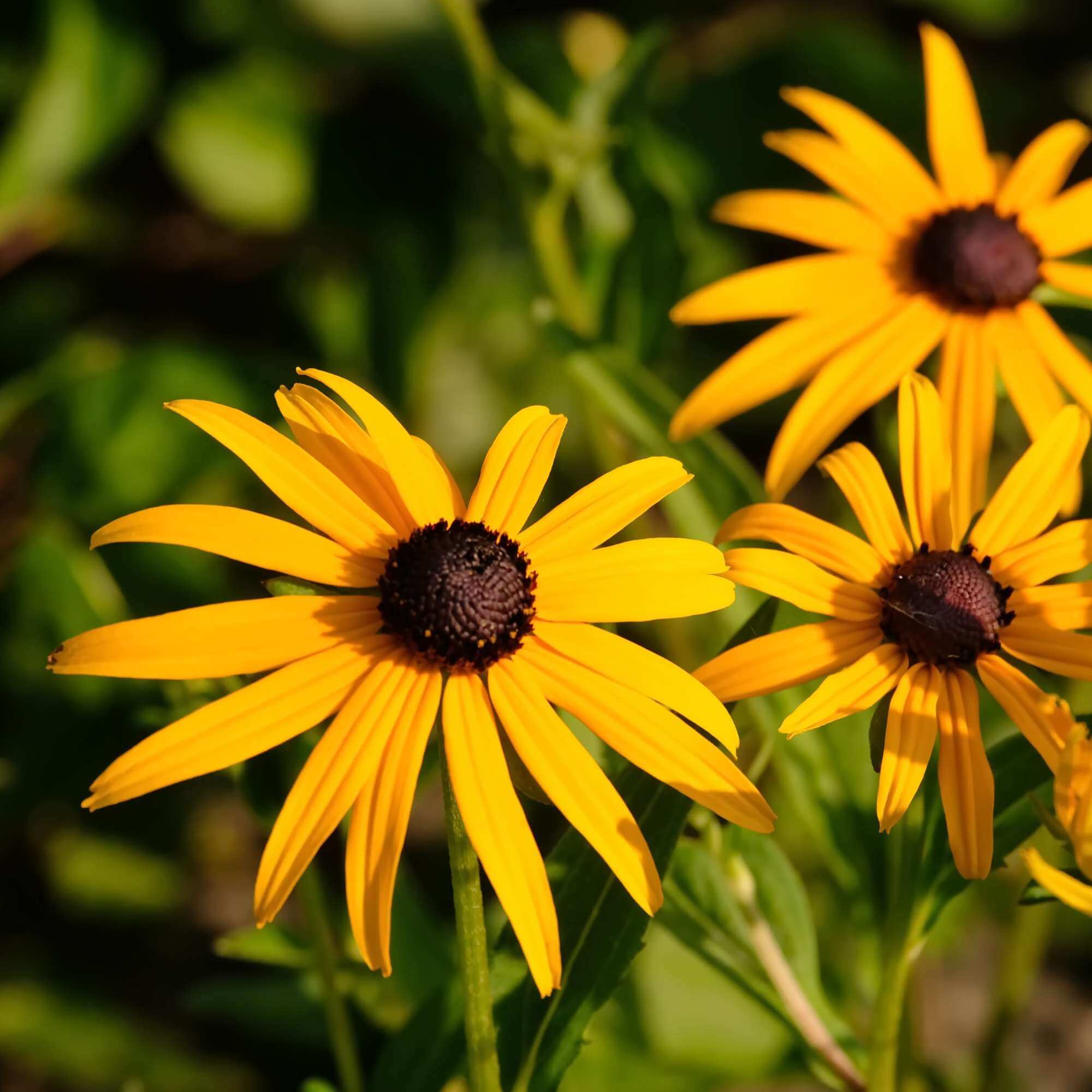
    Black-eyed Susan (Rudbeckia hirta) blooms from mid-summer to early fall and is a favorite of bees and other pollinators. A member of the sunflower family. Known for its bright yellow or orange flowers that are marked with a dark brown or black center. As a hardy and easy-to-grow plant. Well-suited to a variety of garden settings, including borders, meadows, and naturalized areas. Well-suited to a variety of soil conditions. It can grow in both dry and moist soil and is tolerant of drought, making it a good choice for areas with poor soil or low rainfall. Rudbeckia prefers full sun and can tolerate partial shade, although it may not flower as heavily in shaded areas. Black-eyed Susan typically reaches a height of 1-3 feet and has a spread of about 1-2 feet. It is perfect for gardens in between USDA hardiness zones 3-9.

    CA$4.00from
    View Plant
  • Black Chokeberry - Aronia MelanocarpaIn Stock

    Black Chokeberry - Aronia Melanocarpa

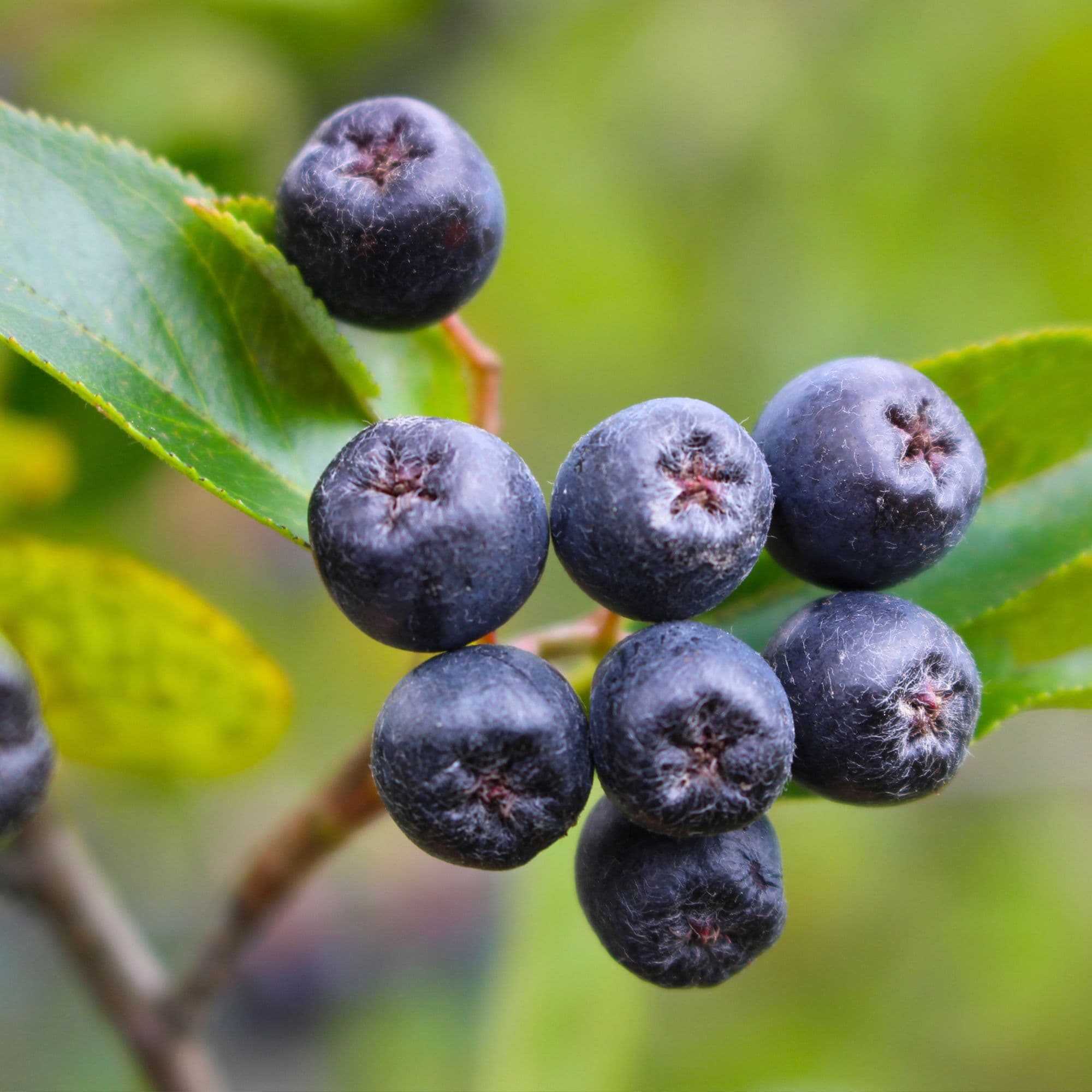
    Black Chokeberry - Aronia Melanocarpa Sizes Explained Pot-Ready: Start in a pot or nursery bed for one season before transplanting. Aronia melanocarpa, commonly known as black chokeberry, belongs to the Rosaceae family, which encompasses a variety of flowering plants, including roses and fruit-bearing shrubs. This deciduous shrub can grow to a height of 3 to 6 feet and is characterized by its glossy green leaves that turn a vibrant red during the autumn months. The black chokeberry is particularly noted for its clusters of small, round berries that appear in late summer, which transition from a green hue to a deep purple or black upon ripening. These berries are not only visually striking but are also known for their high levels of antioxidants, particularly anthocyanins, which confer numerous health benefits. Key Features Superfood berry shrub known for its extremely high antioxidants (higher than blueberries). Produces glossy black berries great for juice, wine, jams, syrups, baking, and drying. White spring blossoms followed by brilliant red fall colour , making it both edible and ornamental. Highly adaptable and thrives in tough conditions—wet soils, dry soils, clay, sand, or loam. Native to North America , excellent for pollinators and wildlife. Self-fertile and highly productive once established. Growth & Planting USDA Planting Zone: 3–8 Sunlight: Full sun to part shade (best fruiting in full sun). Soil: Tolerates wet, dry, acidic, neutral, and clay soils; very adaptable. pH Range: 5.0–7.0 Spacing: 3–5 ft between plants; 6–8 ft between rows. Mature Size: 4–8 ft tall and wide depending on conditions. Growth Rate: Moderate; forms a neat, dense shrub. Why Grow Black Chokeberry? Easy, low-maintenance berry shrub for cold climates. Excellent for hedges, food forests, wildlife plantings, and homestead orchards. Reliable yields even in poor soil or challenging sites. Perfect for Nova Scotia and Atlantic Canada , thriving in both wet and dry ground. Native to North America , Aronia melanocarpa thrives in a wide range of habitats, primarily found in regions spanning from Canada to the central United States. Especially common from Newfoundland to Ontario, where the shrub often grows in forested areas, wetlands, and along riverbanks. These environments provide the black chokeberry with optimal conditions for growth, such as well-drained, acidic soils and full sunlight. Although it is remarkably adaptable to varying soil types and moisture levels. One of the notable aspects of Aronia melanocarpa is its ability to withstand harsh conditions, including drought and poor soil quality. Making it an excellent candidate for landscaping and ecological restoration projects. Often appreciated for its ornamental qualities, as the shrub produces white or pink flowers in the spring that attract pollinators. The resilience and adaptability of the black chokeberry set it apart from many other members of the rose family, establishing its significance not only in horticulture but also in agricultural practices aimed at promoting biodiversity and sustainability. Health Benefits and Culinary Uses of Black Chokeberry Black chokeberry, scientifically known as Aronia melanocarpa, is widely recognized for its impressive health benefits, largely attributed to its high concentration of antioxidants, vitamins, and essential nutrients. Numerous studies have highlighted that these berries are particularly rich in anthocyanins, which are compounds responsible for their deep purple-black hue. Research indicates that the consumption of black chokeberries may play a role in reducing oxidative stress, thereby contributing to better overall health and potentially lowering the risk of chronic diseases such as heart disease and diabetes. An important aspect of black chokeberry is its strong anti-inflammatory properties. These berries contain a variety of vitamins including vitamin C and vitamin K. The fiber content in black chokeberries aids in digestive health, promoting a healthy gut microbiome. Incorporating these berries into one’s diet can thus serve to enhance nutritional intake while supporting overall wellness. To enjoy the culinary versatility of black chokeberries, one can consider various methods of preparation. They can be consumed fresh or used to create delicious jams, jellies, or syrups. Their tart flavor also pairs well with an array of dishes. For instance, black chokeberries can be added to smoothies for a nutritious beverage or incorporated into baked goods such as muffins and pies, providing a unique twist to traditional recipes. Additionally, they can be used in salads or as a topping for yogurt, enhancing both the taste and nutritional profile of the meal. For those interested in culinary experiments, a simple way to prepare black chokeberries is by creating a sauce that can accompany meats or vegetables. By simmering the berries with sugar, lemon juice, and a touch of water, one can develop a flavorful sauce that complements various dishes. This not only highlights the berries' natural sweetness but also allows for the exploration of their potential beyond mere decoration in the garden.

    CA$9.00from
    View Plant
  • BlackcurrantIn Stock

    Blackcurrant

    Ribes nigrum

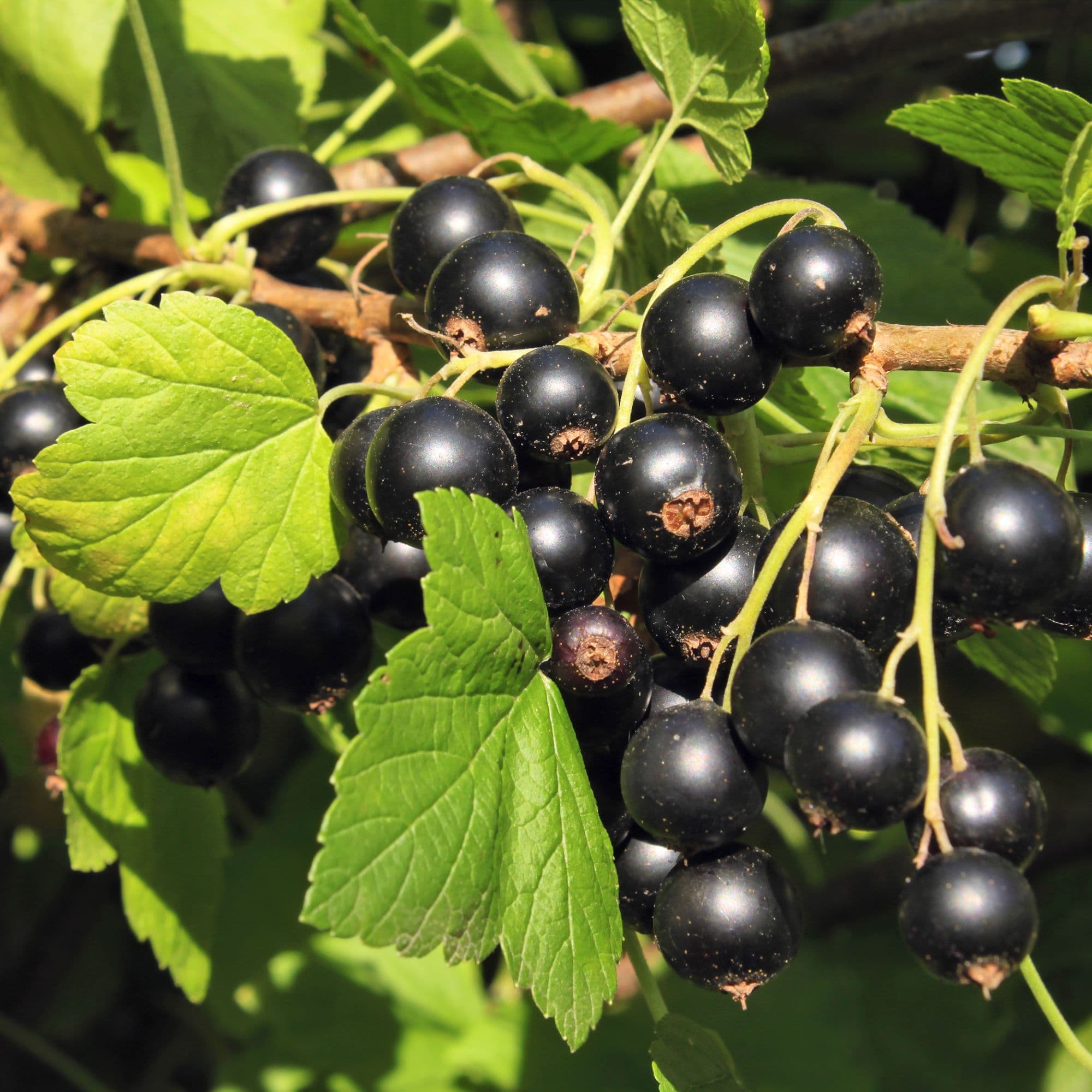
    Black currant plants are easy to grow and are dependable more so than fruit trees, if given good care. Grown for it's edible glossy black berries it is a medium sized woody shrub producing fruit in the summer months. Which are rich in sources of vitamin C. Size: Black currants grow into a 4 foot by 4 foot shrub. My recommendation. Plant 4 or more to get your fair share of berries. Freeze them and you'll have a years supply. The growing of shrub fruits such as black currants are not difficult, but there are good practices that are important for good results. The plants will live almost anywhere doing best in relatively moist climate and well drained soil. Plant growth and and fruitfulness are most satisfactory on soils well supplied with organic matter. Pruning black currants is necessery and should be done a little each year. Black currants are a versatile fruit that can be used in a variety of recipes. They have a sweet, tangy flavor and can be used as a juice or in jams and jellies and WINE! Make them into desserts such as pies, tarts, cakes and muffins. They can also be used to make black currant syrup, which can be used to flavor ice cream and other sweet treats. Key Features Known for its deep, rich flavour and extremely high antioxidant content—one of the most nutrient-dense berries you can grow. Produces heavy clusters of dark, aromatic berries ideal for jams, jellies, cordials, syrups, wines, and baking. Cold-hardy, vigorous, and disease-resistant , thriving in northern climates with minimal care. Compact, productive shrubs that reliably fruit year after year. Attractive spring flowers develop into long strings of glossy black berries in mid-summer. Growth & Planting USDA Planting Zone: 2–7 Sunlight: Full sun to part shade (full sun gives best yields). Soil: Prefers moist, well-drained loam; tolerates clay and varied soils. pH Range: 5.5–7.0 Spacing: 4–5 ft between plants. Mature Size: 3–5 ft tall and wide. Pollination: Self-fertile , but multiple plants increase production. Why Grow Black Currant? Offers exceptionally high yields and some of the healthiest berries available . Perfect for food forests, homesteads, hedgerows, and cool-climate gardens. Hardy, adaptable, and a reliable performer across Nova Scotia and all of Canada .

    CA$13.00from
    View Plant
  • Black LocustIn Stock

    Black Locust

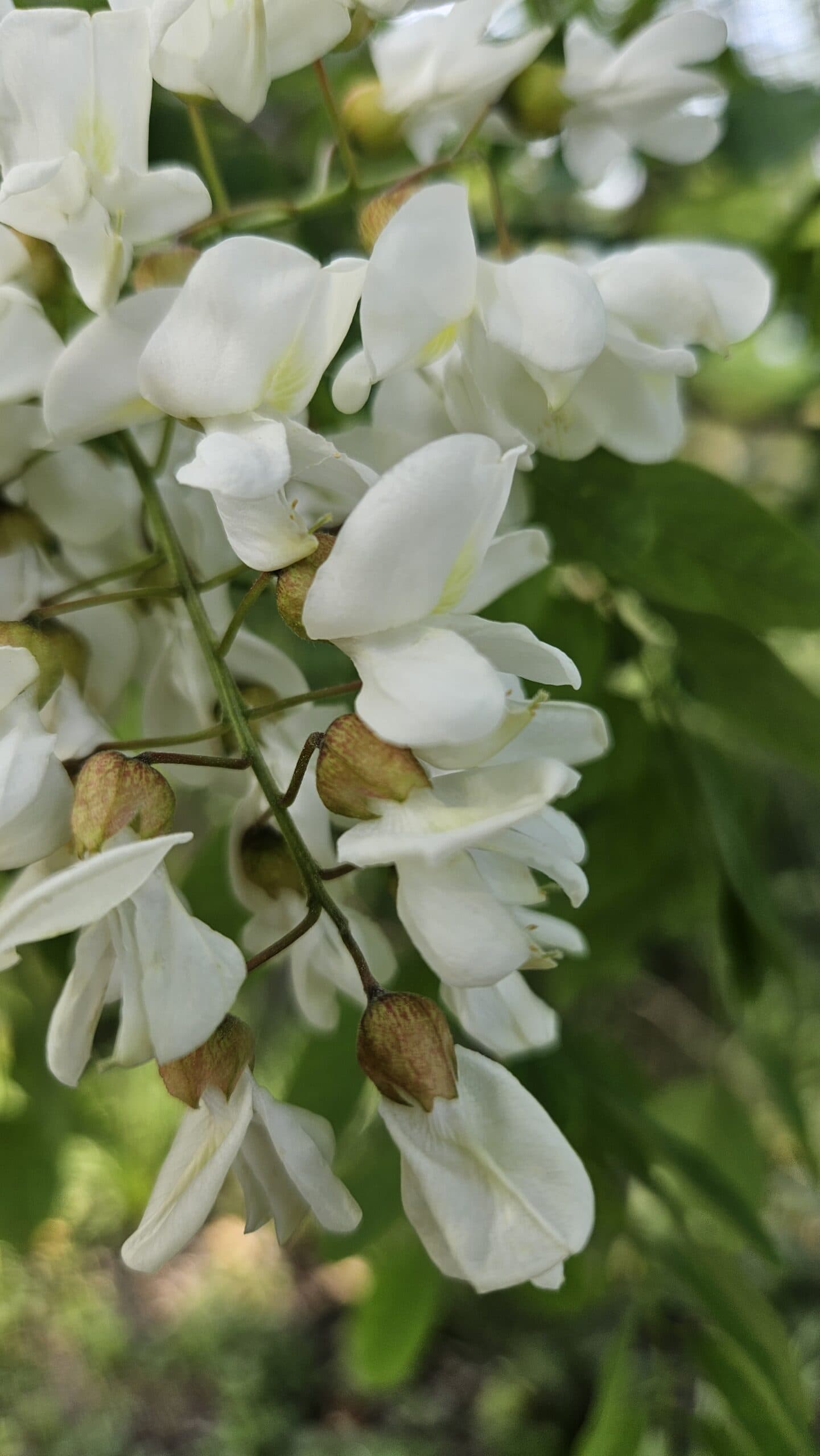
    Black Locust Tree – Robinia pseudoacacia The black locust tree for sale at Little Tree Farm is a hardy, fast-growing, nitrogen-fixing tree known for its resilience, soil-improving abilities, and extremely durable wood. This species thrives in Zones 3–9 , making it suitable for nearly every region of Canada—from cold Prairie climates to warmer coastal areas. Sizes Explained A Grade (Ground-Ready): Stronger, thicker stems for instant planting. B Grade (Ground-Ready): Thinner stems, but still suitable for planting directly in the ground. Pot-Ready: Start in a pot or nursery bed for one season before transplanting. Key Features Extremely fast-growing hardwood Nitrogen-fixing tree that enriches soil Highly rot-resistant wood (excellent for fence posts) Beautiful white, fragrant flowers Supports pollinators and beneficial insects Excellent for windbreaks, living fence lines, and erosion control Very drought-tolerant once established Growth Habit & Mature Size Black Locust is a vigorous pioneer species with a strong central trunk and upright branching. Height: 40–70 ft (12–21 m) Spread: 20–35 ft (6–10 m) Growth Rate: Fast (2–4 ft per year under good conditions) Lifespan: Long-lived hardwood with durable wood The tree typically forms open, airy foliage with compound leaves and deeply furrowed bark as it matures. Flowers, Wildlife Value & Pollination In late spring to early summer, Black Locust produces clusters of white, highly fragrant, nectar-rich flowers . Attracts honeybees, native bees, and beneficial insects Used in high-quality honey production Flowers add ornamental interest and aromatic value The tree also provides nesting habitat and cover for birds and small wildlife. Wood Quality & Uses Black Locust wood is famous for its durability and strength: One of the most rot-resistant woods in North America Ideal for fence posts, poles, timber, tool handles, outdoor structures Excellent fuelwood — burns hot and long Very strong wood for carpentry and rustic construction Homesteaders and farmers value Black Locust as one of the best “utility trees” you can plant. Growing Conditions Black Locust is extremely adaptable: Hardy in Zones 3–9 Thrives in full sun Tolerates poor soil, sandy soil, rocky slopes, and clay Drought-tolerant once established Performs exceptionally well on tough, degraded sites Strong wind tolerance — great for shelterbelts Avoid overly wet or waterlogged soil. Uses in Homesteads & Regenerative Agriculture Soil building (nitrogen fixer) Living fences and natural barriers Windbreaks and shelterbelts Erosion control on slopes Bee forage (excellent honey tree) Heat-efficient firewood Long-lasting posts with no chemical treatment Black Locust is considered one of the most useful trees in permaculture systems. What You’ll Receive Your tree is shipped bare-root in early spring , ready for planting. Seedlings are vigorous, healthy, and grown to handle Canadian climates. Each plant is inspected before shipping to ensure strong roots and disease-free growth. Planting & Care Plant in full sun for best growth Water deeply for the first season Mulch around the base to retain soil moisture Minimal pruning required Extremely low maintenance once established Black Locust establishes quickly and loves open space with plenty of sunlight. FAQs Q: What zone is Black Locust hardy to? Black Locust ( Robinia pseudoacacia ) is hardy in Zones 3–9 , making it suitable for most regions of Canada. Q: Is Black Locust good for fence posts? Yes. The wood is exceptionally rot-resistant and can last decades in the ground without treatment. Q: How fast does a Black Locust tree grow? It grows 2–4 ft per year under good soil and sun conditions. Q: Is Black Locust invasive? It spreads by root suckers in some regions. Plant in spaces where spreading is acceptable, or mow around the base to control shoots.

    CA$9.00from
    View Plant
  • Zone-matched plants

    Every plant shows the zones where it thrives.

  • Grown in Nova Scotia

    Raised for Canadian winters, shipped across Canada.

  • Not sure what fits?

    Tell us your land and goals — we'll match you.

Need help choosing?Talk to a Plant Expert

Cold-hardy plants for Canadian landscapes

Every tree, shrub, and berry in our nursery is grown in Nova Scotia and selected for real Canadian conditions — short summers, cold winters, and everything in between. Whether you're planting a nut orchard, a berry patch, or restoring habitat with native plants, start with your hardiness zone and plant with confidence.