 In Stock
American Elm Tree
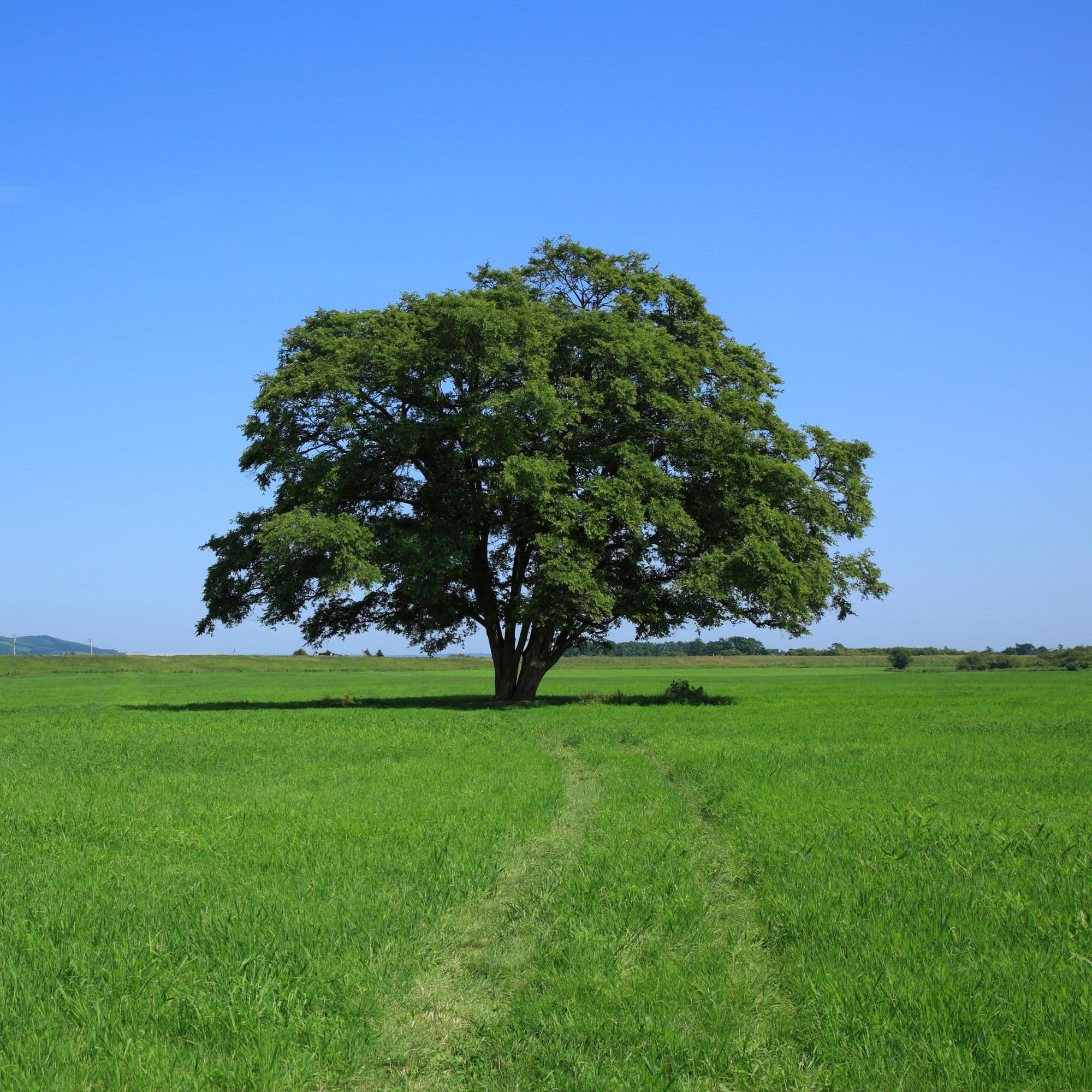
The American Elm Tree The American elm tree, scientifically known as Ulmus americana , holds a significant place in the cultural and environmental history of North America. This majestic tree is renowned for its impressive height, which can reach up to 100 feet, and its expansive, arching canopy that often spans more than 50 feet. The graceful branches of the American elm create a natural umbrella. It offers shade and beauty to urban parks and rural landscapes alike. Its adaptability to different soil types and climates has allowed it to thrive in a variety of environments. A common sight from the Atlantic coast to the Great Lakes. Historically, the American elm has played a crucial role in American culture. It is often associated with community gathering places. Many towns have planted elms on their main streets, creating picturesque tree-lined avenues. The tree's ability to provide ample shade made it a favored choice for planting near sidewalks and public squares. In terms of ecological significance, the American elm contributes to the biodiversity of its habitat. It supports a variety of wildlife, including birds and insects, which utilize its branches and foliage for shelter and food. However, the American elm has faced challenges due to diseases such as Dutch elm disease. Dutch elm disease has significantly reduced its populations in certain areas. Despite these challenges, efforts to cultivate disease-resistant varieties continue , providing hope for the future of this iconic tree. Iconic North American shade tree known for its tall height and classic vase-shaped form. Fast-growing hardwood , excellent for large landscapes, homesteads, parks, and restoration projects. Tolerates urban conditions , including compacted soil, road salt, and air pollution. Adapts to many soil types — sand, loam, clay — and handles both occasional flooding and drought once established. Excellent habitat value , supporting birds, pollinators, and wildlife. Improved Dutch Elm Disease (DED) tolerance in many modern seed sources (but not fully immune unless a named resistant cultivar). Growth & Planting USDA Planting Zone: 2–9 Sunlight: Full sun to part shade (prefers full sun). Soil: Grows in almost any soil; prefers moist, well-drained loam. pH Range: 6.0–7.5 Spacing: 25–40 ft apart for long-term landscape or restoration planting. Mature height: 60–80 ft (sometimes over 100 ft). Growth rate: Fast — 2–3 ft per year in good conditions. Why American Elm Is Still Planted Today Majestic classic tree with unmatched canopy shape. Great for long-term shade along driveways, fields, and large yards. Ideal for restoration projects , riparian areas, and naturalized plantings. Hardy across nearly all of Canada , including Nova Scotia. Modern seed sources and breeding programs have increased DED resistance compared to historic populations. Conservation Efforts for the American Elm The American elm (Ulmus americana) has long been a beloved tree in the United States. Revered for its architectural beauty and capacity for urban adaptation. This majestic tree faces significant challenges, most notably due to the devastating impacts of Dutch elm disease (DED). This fungal infection, spread by the elm bark beetle and through tree root systems. This has dramatically diminished elm populations since its emergence in the mid-20th century. Symptoms of DED include wilting leaves, premature leaf drop, and dark streaks within the wood, giving rise to rapid tree decline. The disease threatens not only urban specimens but also wild populations, altering ecosystems that rely on the American elm for habitat and food sources. Current conservation efforts aim to combat this crisis on multiple fronts. Research institutions and universities are actively working to develop disease-resistant cultivars. Identifying and cross-breeding elms that exhibit natural resistance to DED,. Growing new seedlings that can be resistant to the diesease. We can reintroduce this vital species into both urban landscapes and forests. Local municipalities, recognize the cultural and environmental significance of the American elm. Then embark on replanting initiatives to restore these trees to their former prominence. Collaborations with environmental organizations bolster these efforts, integrating community education and awareness into their initiatives. Public participation plays a critical role in the conservation of the American elm. Communities are encouraged to engage in local replanting and care activities, increasing the chances of success for newly introduced trees. By fostering awareness of Dutch elm disease and actively participating in conservation initiatives. Individuals can help ensure that the American elm remains a vibrant part of the landscape for future generations. The preservation of this iconic tree is an ongoing effort that benefits not only the species itself but also the broader ecological networks in which it exists.