Nova Scotia grown·Shipped across Canada·Seasonal bare-root shipping
Nursery grown
Grown with care in Nova Scotia
Cold-hardy selection
Secure packaging
Live arrival guarantee
Horse Chestnut Tree
The most amazing tree flower that shows in the spring time is the Horse Chestnut Tree With its beuatiful pink, white and yellow flowers. Yes! 3 different colours in one flower. I love calling them tri-flowers 🙂 When I first saw this flower up close I couldnt take my eyes off of it. These flowers are bundled together in a beautiful white cone shape. As you get closer to see.. the individual blossoms look like ballerinas dancing in the wind. Its one of the most fascinating tree flowers . Let me i
Plant typeFlowering Tree
Out of season — ordering reopens in November.
Browse varieties and plan your planting now. Product pages remain available year-round.
CA$15.00from · CAD
Ordering reopens in November
Size
Quantity
1
Horse Chestnut Tree—
CA$15.00
Why buy from Little Tree Farm?
Locally grown in Nova Scotia
Climate ready & hardy
Carefully packed for safe delivery
Live arrival guarantee
Product details
About Horse Chestnut Tree
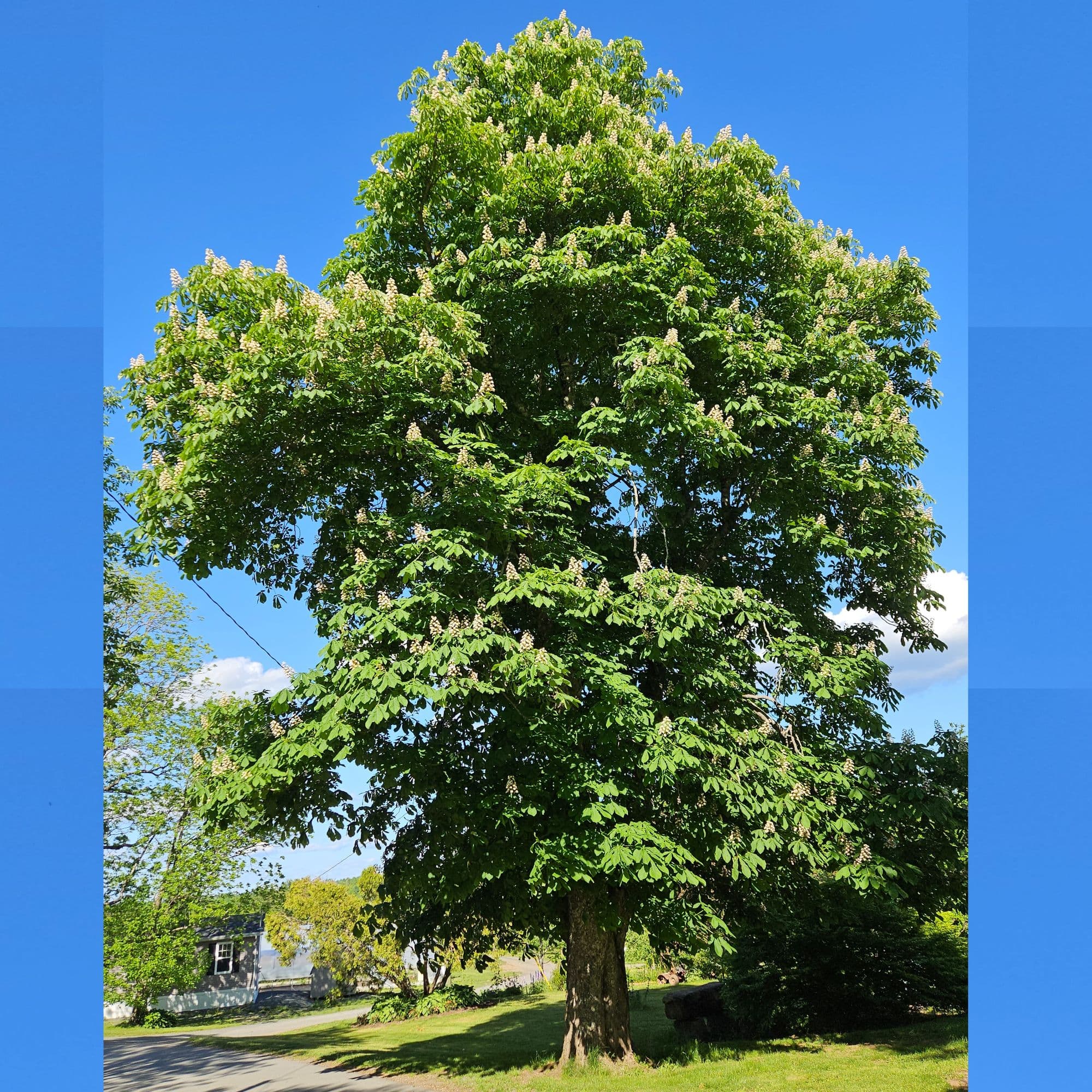
Horse Chestnut Tree The horse chestnut tree, known scientifically as Aesculus hippocastanum. It is a prominent deciduous tree that can reach heights of up to 30 meters. Characterized by its expansive, rounded crown and robust structure, it often features a broad trunk that can exceed one meter in diameter. The bark is initially smooth and gray but develops into a scaly, dark-brown texture with age. One of the tree’s most distinguishing attributes is its large, palmate leaves Which typically consist of five to seven leaflets extending from a central stem, creating an attractive fan-like appearance. Key Features Large, stately shade tree with a rounded crown and impressive presence. Showy white flower spikes in spring (10–12" tall) often flecked with pink or yellow—high ornamental value. Distinctive palm-shaped leaves (5–7 leaflets) that give a tropical look. Produces glossy brown nuts (“conkers”) inside spiky green husks—great for wildlife and traditional crafts. Tolerates urban conditions , pollution, compacted soil, and partial shade. Fast-growing hardwood , excellent for parks, estates, farm lanes, and large yards. Growth & Planting USDA Planting Zone: 3–7 Sunlight: Full sun to part shade (best flowering in full sun). Soil: Moist, well-drained loam is ideal, but tolerates clay, sand, and a range of conditions. pH: Neutral to slightly acidic ( 6.0–7.0 ). Spacing: 35–50 ft for long-term canopy development. Mature height: 50–75 ft Mature spread: 40–60 ft Growth rate: Moderate to fast. Why Grow Horse Chestnut? One of the most dramatic flowering trees for cold climates. Perfect for large properties, homesteads, and long driveways . Beautiful all year —big leaves in summer, conkers in fall, bold winter silhouette. Very hardy and adaptable , thriving across most of Canada, including Nova Scotia. Strong wildlife value , especially for pollinators during spring bloom. Horse chestnut trees thrive in a variety of soil types, although they prefer well-drained, moist, and fertile soils. They favor temperate climates with adequate rainfall and generally grow best in sunny locations, making them suitable for urban and suburban environments. The large, white flower clusters in spring are particularly striking and serve to attract pollinators, such as bees, contributing to biodiversity. Historically, the horse chestnut has been valued for its nuts, commonly referred to as conkers. These nuts have been used in traditional games and crafts. Caution is advised as they are toxic if ingested. The Magnificent Spring Blossoms of the Horse Chestnut Tree The horse chestnut tree (Aesculus hippocastanum) emerges as a spectacular sight each spring, thanks to its remarkable floral display. As buds unfurl, they reveal an abundance of large, upright flower clusters known as panicles, which can reach lengths of up to a foot. These panicles are striking, adorned with creamy white flowers that are often decorated with a blush of pink or yellow. Creating a vibrant contrast against the tree's lush green foliage. The flowers' distinct shape, with their elongated petals and prominent stamens, catches the eye of many admirers. Typically blooming in late April to early May, the timing of the blossoming season makes the horse chestnut tree a harbinger of spring. Drawing attention from both nature enthusiasts and casual passersby alike. Its blooming period usually lasts several weeks, offering ample opportunity for onlookers to appreciate its beauty. These blossoms are not only visually appealing; they also serve an important ecological purpose. The sweet, honey-like scent released by the flowers attracts a plethora of pollinators, including bees and butterflies. This not only aids in the reproduction of the horse chestnut tree but also contributes to the biodiversity of surrounding ecosystems. They play a role in supporting pollinator populations. Horse chestnut trees enhance the health of gardens, parks, and urban environments. Furthermore, the horse chestnut’s resplendent flowers can elevate the aesthetic quality of any landscape. Their towering presence and stunning floral display make them a favored choice for ornamental planting. Especially in public squares and residential areas.
Planting compatibility
Designed To Thrive Where You Live
Healthy roots start with the right match. Here's where this plant shines.
CA$15.00from · CAD
Ordering reopens in November
Size
Quantity
1
Horse Chestnut Tree—
CA$15.00
Keep exploring
Plants that grow well together
Companions, neighbours, and next additions for your landscape.
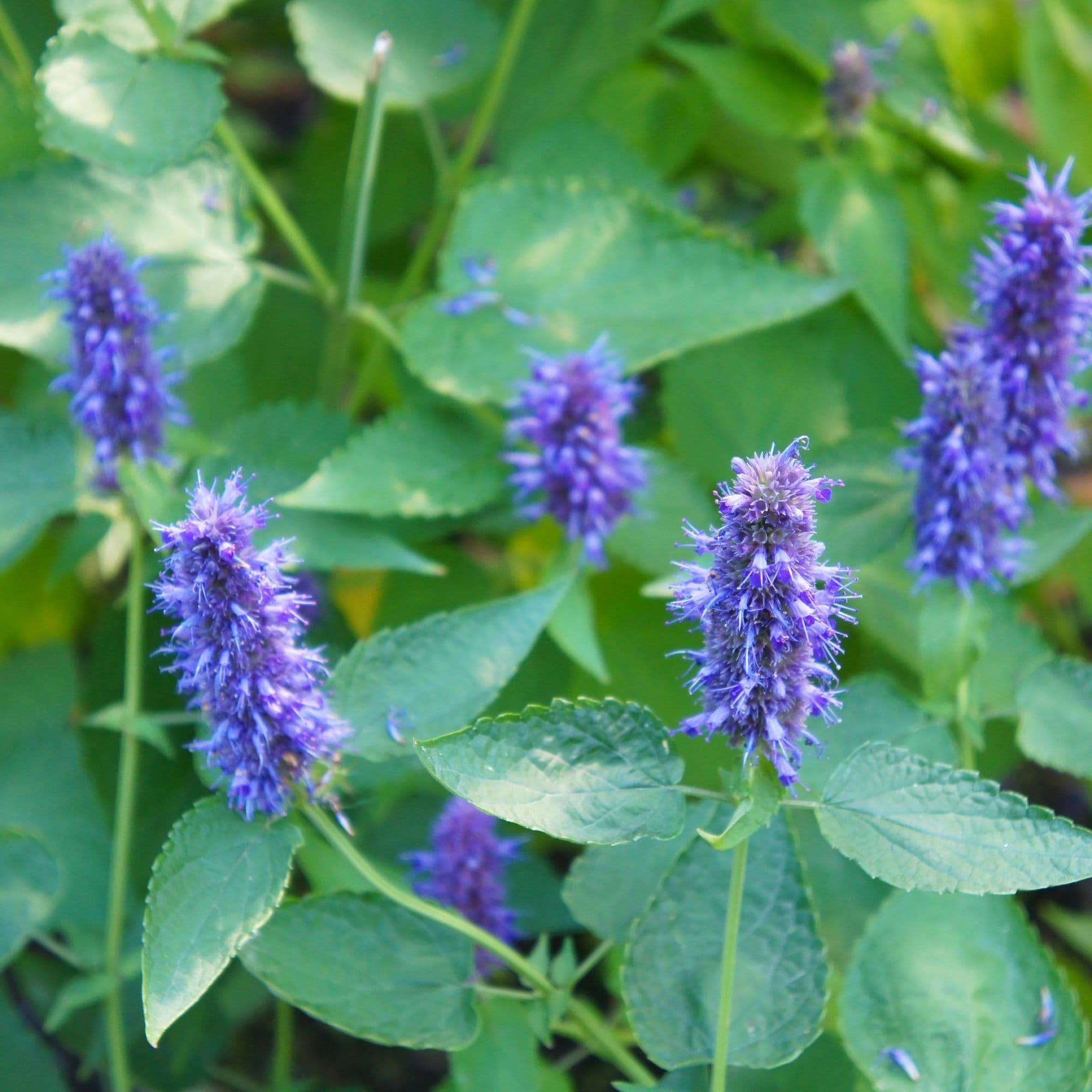
The Anise Hyssop plant has many names. some like: Giant Hyssop and its latin name Agastache foeniculum These Anise Hyssop packets have 30 seeds in each. Anise hyssop has an erect stature and spikes of lavender blossoms, which make a striking statement in the garden. Anise hyssop, Agastache foeniculum , is a short-lived, edible herbaceous perennial in the Lamiaceae, or mint family. Pick the leaves to make a delicious minty flavoured tea. It’s a native plant suited to gardens in USDA Hardiness Zones 4 to 9. Long used in culinary and medicinal applications, its erect stature and spikes of lavender blossoms make a striking statement in the garden.
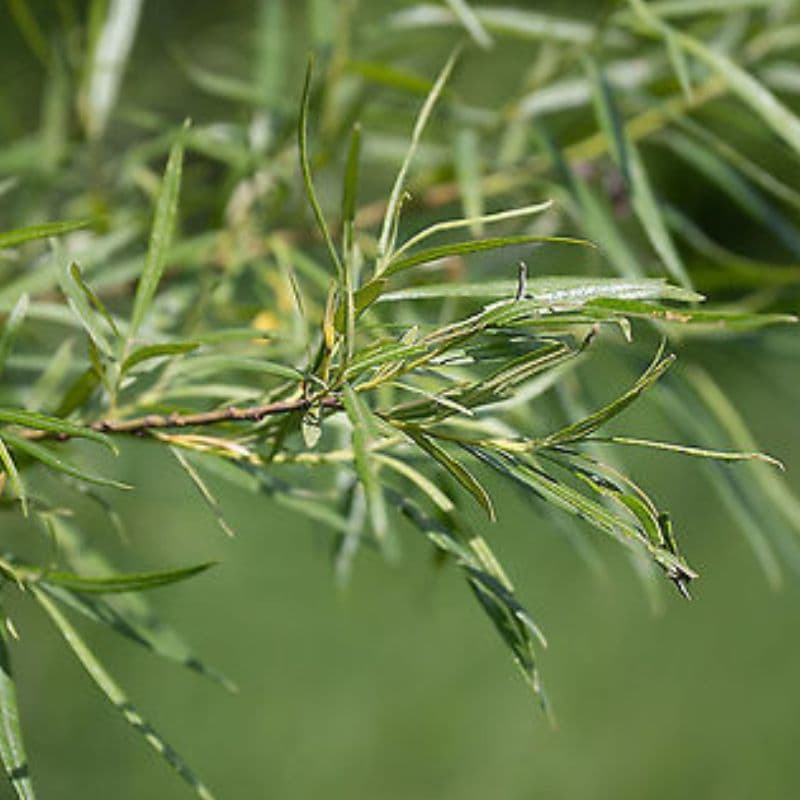
SIZE: Basket willow plants are approximately 1 - 2 feet high. Hardiness Zone : Thrives in Zones 4–8, making it suitable for temperate regions with cool to moderate winters. Soil Requirements : Prefers moist, well-drained soils but is highly adaptable to various soil types, including clay, sandy, or loamy soils. Tolerates waterlogged conditions, making it ideal for wetland areas or near water features. Growth Habit : A deciduous, multi-stemmed shrub with a narrow, upright growth habit. Typically grows 10–20 feet tall and 6–12 feet wide , though it can be pruned to maintain a smaller size. Flowering Time : Produces small, inconspicuous yellowish catkins in early spring (March to April), which attract bees and other pollinators. Basket Willow Varieties Basket willow is a crucial material for artisans engaged in the craft of basket weaving. Among the various types available, three primary varieties stand out due to their distinctive characteristics: Black Maul, Bleu, and Red Belgian. Each of these varieties offers unique attributes that influence the aesthetics and functionality of the final basketry product. Black Maul willow is notable for its deep, rich color, which can range from dark brown to nearly black. This variety is appreciated for its excellent flexibility. Manipulate it into intricate designs without compromising its structure. Black Maul is highly durable, making it suitable for both decorative and functional baskets. Its robust nature ensures that it withstands daily use while retaining its visual appeal over time. For projects aiming for a rustic charm, Black Maul is often the preferred choice. Bleu willow is recognized for its stunning bluish-gray hue. Provides a modern touch to basketry creations. The striking color can set it apart from traditional brown tones, appealing to contemporary designs. Bleu willow's flexibility is also enables weavers to create delicate patterns. It is an excellent choice for ornamental baskets or sophisticated home decor pieces. The unique color can add a refreshing element to any basketry project. Red Belgian willow is distinguished by its vibrant reddish tint. Making it one of the most visually striking options in basketry. This variety is very flexible. As it ages, the color deepens, enhancing the allure of the finished product. Red Belgian is particularly favored for showing how varying colors can influence the overall appearance of baskets. Crafting Baskets with Willow Creating beautiful baskets using basket willow is both an art and a rewarding craft. This endeavor begins with procuring the right tools and materials, which are essential for successful basket weaving. The primary materials needed include, various types of basket willow. Tools such as a sharp knife, pruning shears, a measuring tape, and a sturdy board for work. A soaking tub is also beneficial, as soaking the willow helps to soften the material, making it pliable and easier to work with. The first step in the basket-making process is preparing the willow. Begin by selecting the desired willow varieties, such as basket willow for its long, flexible stems. Cut the willow into manageable lengths and soak the stems in cool water for several hours or overnight. Which hydrates the fibers and enhance their flexibility. Weaving process. Start by determining the basket's design and planning the base. Lay out three or four willow rods in a star shape, which will serve as the base. Secure the ends and begin placing additional willow rods around the base. Weave them in an under-and-over pattern to form the sides of the basket. As you progress, regularly check the height and symmetry of the basket to ensure it adheres to your intended design. Beginners may wish to start with a basic round basket before exploring more complex patterns. Along the way, it is crucial to keep the willow well-moistened to prevent cracking during the weaving process. If issues arise, such as breaking strands or uneven tension, adjusting your grip and applying a gentle tug can help maintain the integrity of the basket. Incorporating creative flourishes, such as embellishments and varied colors, can personalize your basket. With practice, your technique will improve, and you can experiment with different styles and functional designs. This hands-on craft not only encourages creativity but also allows one to appreciate the skill involved in traditional basketry willow weaving.
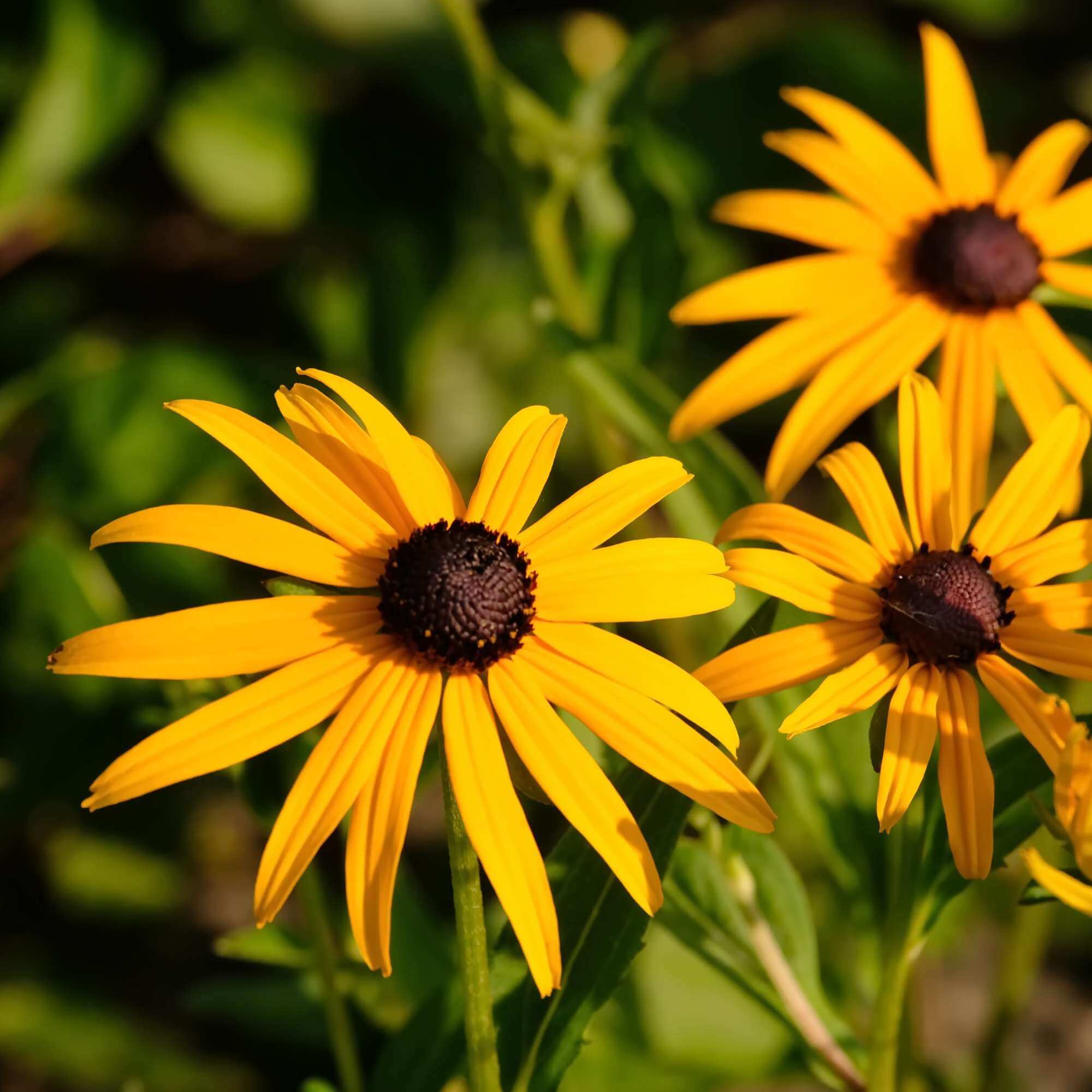
Black-eyed Susan (Rudbeckia hirta) blooms from mid-summer to early fall and is a favorite of bees and other pollinators. A member of the sunflower family. Known for its bright yellow or orange flowers that are marked with a dark brown or black center. As a hardy and easy-to-grow plant. Well-suited to a variety of garden settings, including borders, meadows, and naturalized areas. Well-suited to a variety of soil conditions. It can grow in both dry and moist soil and is tolerant of drought, making it a good choice for areas with poor soil or low rainfall. Rudbeckia prefers full sun and can tolerate partial shade, although it may not flower as heavily in shaded areas. Black-eyed Susan typically reaches a height of 1-3 feet and has a spread of about 1-2 feet. It is perfect for gardens in between USDA hardiness zones 3-9.
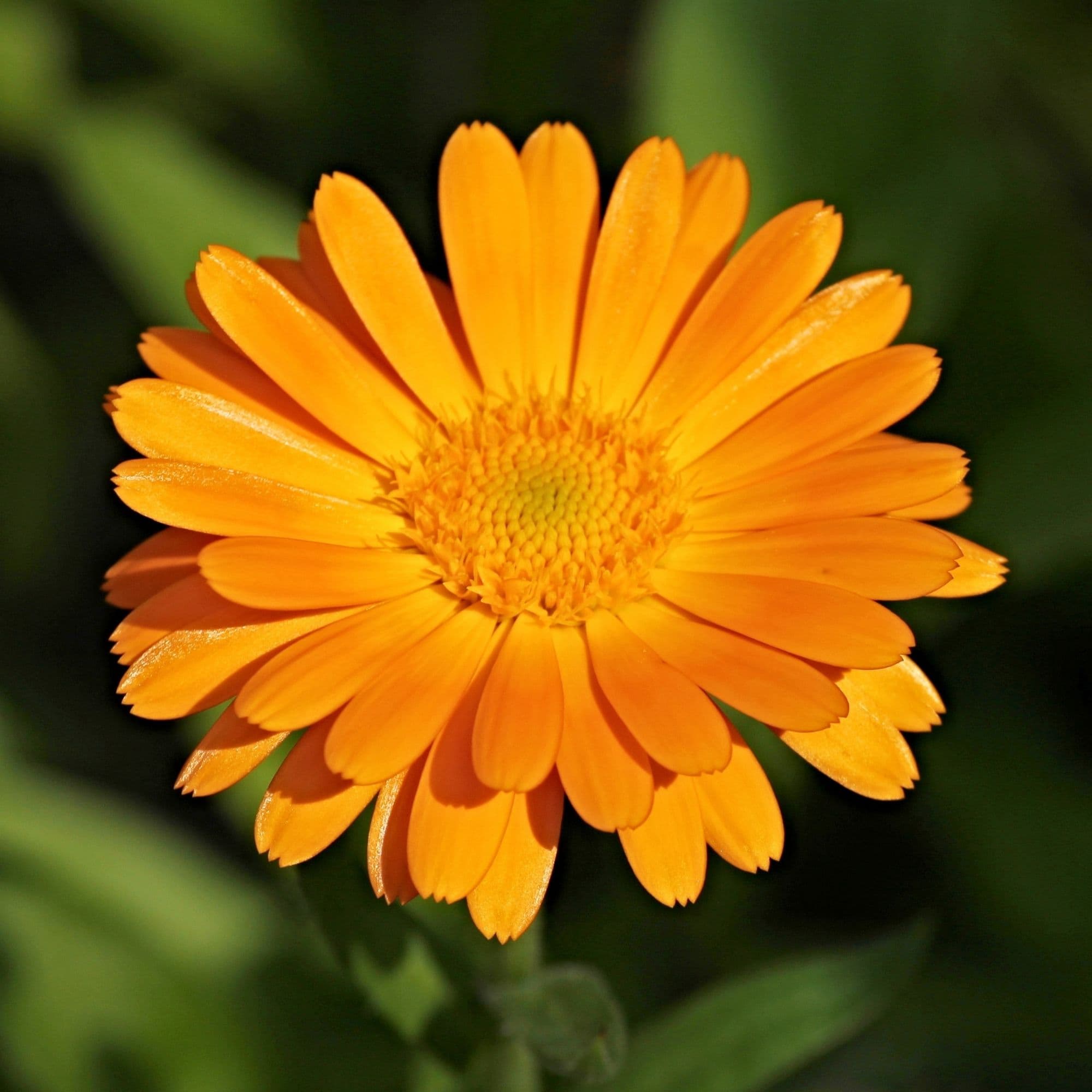
Bright yellow and orange flowers, historically used for culinary purposes, come from easy calendula care when growing this simple flower. Commonly called the pot marigold (Calendula officinalis). All parts of calendula plants are useful in many ways. Flowers and leaves of the calendula may be dried and stored for later use. In the vegetable garden, calendula draws aphids away from valuable plants. While uses of calendula plants are diverse, growing calendula in the flower or herb garden is an optimum use of this attractive plant. Calendula plants are frost tolerant and somewhat cold hardy and add long-lasting color and beauty in a flower bed or container.


 In Stock