Nova Scotia grown

Collection

Fruit Trees

24 plants

Turn your backyard into a cold-hardy harvest garden.

Filters

My hardiness zone

Zone 20Zone 30Zone 40Zone 50Zone 60Zone 70Zone 80

Pick your zone — we'll show only plants that thrive there.

Sunlight

  • American PersimmonIn Stock

    American Persimmon

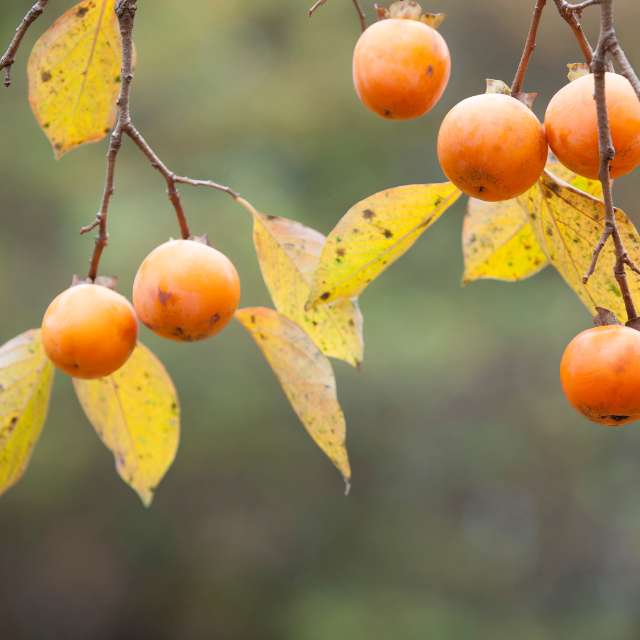
    American Persimmon (Diospyros virginiana) A Grade (Ground-Ready): Stronger, thicker stems for instant planting. B Grade (Ground-Ready): Smaller than A grade and suitable for planting directly in the ground. Pot-Ready: Start in a pot or nursery bed for one season before transplanting. Key Features American persimmon produces rich, sweet, caramel-flavoured fruit that becomes soft and delicious after the first frost. Exceptionally cold-hardy and resilient , thriving in regions far too cold for Asian persimmons. Fragrant spring flowers attract pollinators, followed by glowing orange fruit that ripens in late fall. Known for its strong, durable wood and beautiful natural form, making it both a fruit tree and an ornamental. Excellent for fresh eating (when fully ripe), baking, preserves, and traditional homestead recipes. Growth & Planting USDA Planting Zone: 4–9 (very hardy in the northern U.S. and Canada) Sunlight: Full sun for best fruiting; tolerates part shade. Soil: Adaptable to clay, loam, and sandy soils; prefers well-drained ground. pH Range: 6.0–7.5 Spacing: 20–30 ft for full-size trees. Mature Size: 30–50 ft tall, 20–30 ft wide. Pollination: Many seedlings require a male and female tree for fruiting; some seedlings may be self-fruitful, but not guaranteed. Why Grow American Persimmon? One of the hardiest fruit trees for cold climates, thriving where many fruit species struggle. Low-maintenance, long-lived , and extremely tolerant of drought, poor soil, and tough conditions. Produces flavourful, unique fruit with a taste unlike anything else—perfect for homesteads, food forests, and regenerative plantings. Do I need two trees? Yes — we strongly recommend buying two persimmon seedlings . American persimmons are usually male or female , and seedlings don’t reveal their sex until they’re older. Planting two increases your chances of getting both a male and a female , which means proper pollination and a full crop of fruit . One tree may grow well, but without a pollinating partner, it may not produce persimmons. Appearance: The tree's oval-rounded leaves, measuring 10-15cm, initially emerge as a deep, glossy green when young. As the seasons transition to autumn, this tree dons its finest attire by producing orange-yellow fruits, typically round to oval in shape and measuring 3-5cm in diameter. These fruits are nature's treasures, sweetest after experiencing a touch of chilly weather. Cultivation: American Persimmons thrive in warm, sunny climates, making them an ideal choice for gardens in southern Ontario, British Columbia, Nova Scotia, New Brunswick in Canada. And of course the United States. While they appreciate the sun's warmth, they do not tolerate extreme cold, ensuring their adaptability in a variety of settings. Unique Traits: One of the most captivating features of the American Persimmon is its dioecious nature, which means that individual trees can be male or female. However, the majority of cultivars are self-fertile, producing an abundance of fruit without the need for a male companion. These fruits are a real treat, known for their sweetness and unique flavor profile. They start out astringent when firm but soften as they ripen. Cold-Hardy and Remarkable Storage: What sets the American Persimmon apart is its ability to endure freezing temperatures. Even as winter's chill sets in, these fruits remain edible, standing strong on the tree until December. When they transition to a delightful shade of orange, they're ready to be picked. For those who can't wait, simply place them in a paper bag with apples to expedite the ripening process. Alternatively, you can freeze them overnight for a delectable frozen treat, perfect for enjoying the next day. Why Choose the American Persimmon? Aside from its stunning visual appeal, the American Persimmon is a perfect choice for those seeking a unique addition to their orchard. Its adaptability to various climates, self-fertility, and the exceptional taste of its fruits make it a top contender for both seasoned gardeners and newcomers alike. Plus, its cultural and historical significance adds a layer of depth to your garden's story. Order Yours Today: Experience the charm of the American Persimmon in your own garden. Place your order today at our online nursery. We're dedicated to providing you with healthy, vibrant trees that will thrive and bear delicious fruits for years to come. Transform your landscape with the allure of the American Persimmon – a sweet delight waiting to grace your orchard.
    CA$11.00from
    View Plant
  • Autumn Olive - Elaeagnus UmbellataIn Stock

    Autumn Olive - Elaeagnus Umbellata

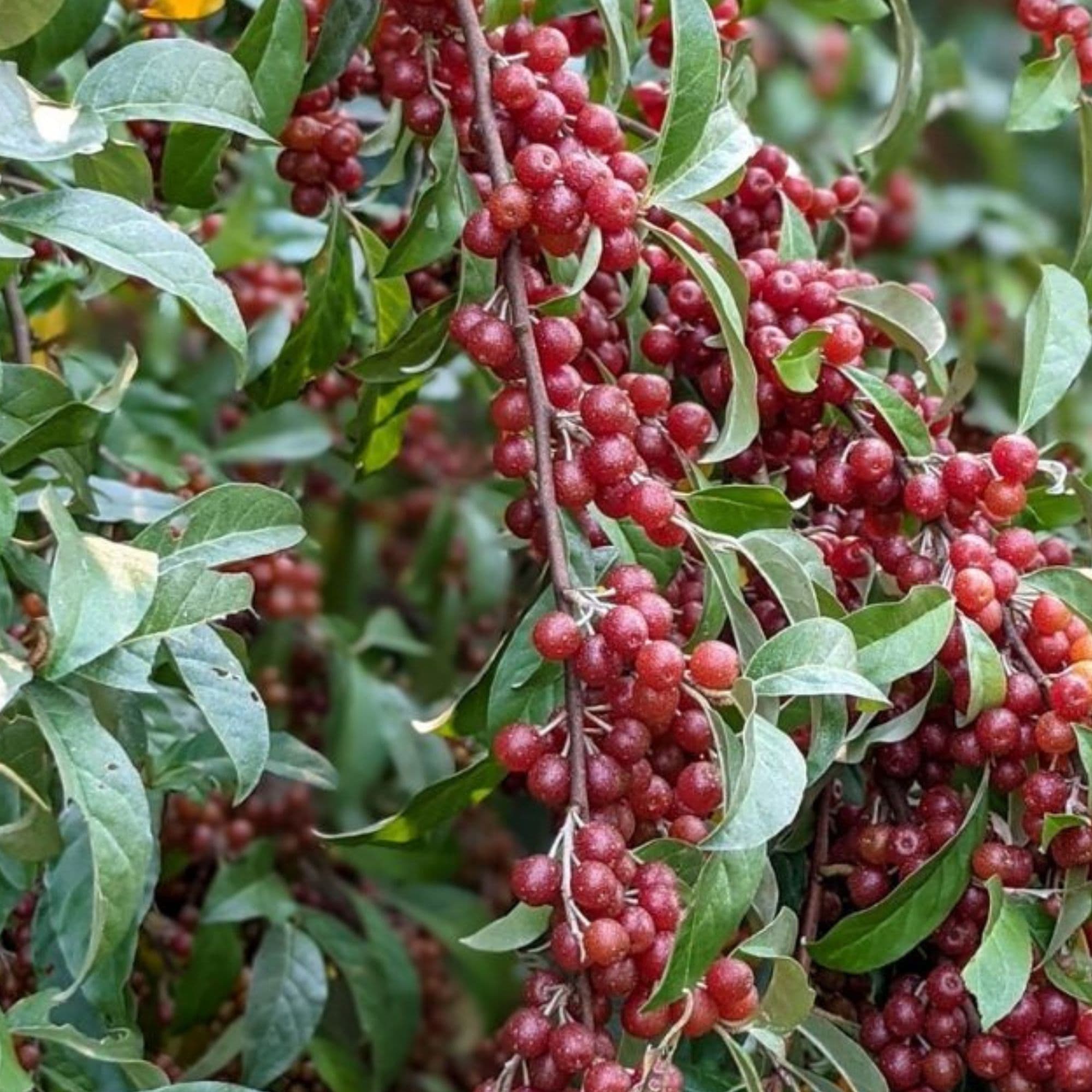
    Autumn Olive - Elaeagnus Umbellata This year our Autumn Olive plants are between 6 - 12 inches in height. Strong and healthy shrubs that you can plant either in the garden or pots. Give these plants extra care during their growth cycle during the spring and summer period. Elaeagnus umbellata, widely recognized as Japanese silverberry or autumn olive, is a deciduous shrub that belongs to the Elaeagnaceae family. This species is indigenous to East Asia, specifically Japan, Korea, and parts of China, and has been introduced to various regions, including North America, where it is now considered naturalized in many areas. The plant exhibits a versatile range of ecological and ornamental qualities, contributing to its popularity in landscaping and ecological restoration projects. In terms of physical characteristics, Elaeagnus umbellata can grow up to 10 feet in height, with a slightly spreading habit. The foliage consists of alternate leaves that are lanceolate to ovate in shape, typically measuring 2 to 4 inches long. The upper leaf surface is a rich green, while the underside is covered in silvery scales, resulting in a striking contrast that gives rise to its common name, silverberry. Its fragrant, yellowish-white flowers bloom in late spring to early summer, resembling small clusters, while the fruit ripens into small, reddish-orange drupes by late summer. The berry-like fruits are edible and have a sweet-tart flavor, attracting various wildlife, which assists in its propagation. The geographical distribution of Elaeagnus umbellata extends beyond its native habitat due to its adaptability to different soil types and climatic conditions. It thrives in disturbed areas, roadsides, and open fields, often colonizing in large patches. The names "autumn olive" stem from its fruiting period during autumn, and the olivaceous appearance of its leaves, respectively. Each of these common names reflects an essential aspect of the plant’s biology, highlighting its unique attributes and ecological role. Uses and Benefits of Japanese Silverberry The Japanese silverberry, scientifically known as Elaeagnus umbellata , is a multifaceted plant renowned for its numerous environmental, culinary, and medicinal advantages. One of its most significant ecological roles is its capability to fix nitrogen in the soil. This unique trait not only enhances soil fertility, but also promotes healthier ecosystems by enriching the soil quality, thus benefiting other plants and organisms within the environment. In culinary contexts, the Japanese silverberry’s small, edible fruits are gaining popularity for their distinctive taste and health benefits. These berries can be consumed fresh, dried, or made into jams, jellies, and sauces, adding versatility to various dishes. Rich in vitamins, antioxidants, and other beneficial compounds, Elaeagnus umbellata offers a nutritional boost that appeals to health-conscious consumers. From a landscaping perspective, the plant’s resilience and adaptability make it a favored choice for gardens and permaculture designs. It thrives in diverse environments, tolerating poor soils and varying moisture conditions. Its ability to enhance biodiversity while providing aesthetic value contributes to its increasing incorporation in sustainable gardening practices. However, it is essential to consider its potential invasiveness in certain regions, which necessitates careful management strategies to prevent ecological imbalance. The Japanese silverberry exemplifies a versatile plant that offers exceptional benefits across multiple domains, from environmental health and culinary applications to medicinal uses and landscaping. While its advantages are manifold, responsible management remains crucial for sustainable integration into natural habitats.

    CA$5.00from
    View Plant
  • Black Chokeberry - Aronia MelanocarpaIn Stock

    Black Chokeberry - Aronia Melanocarpa

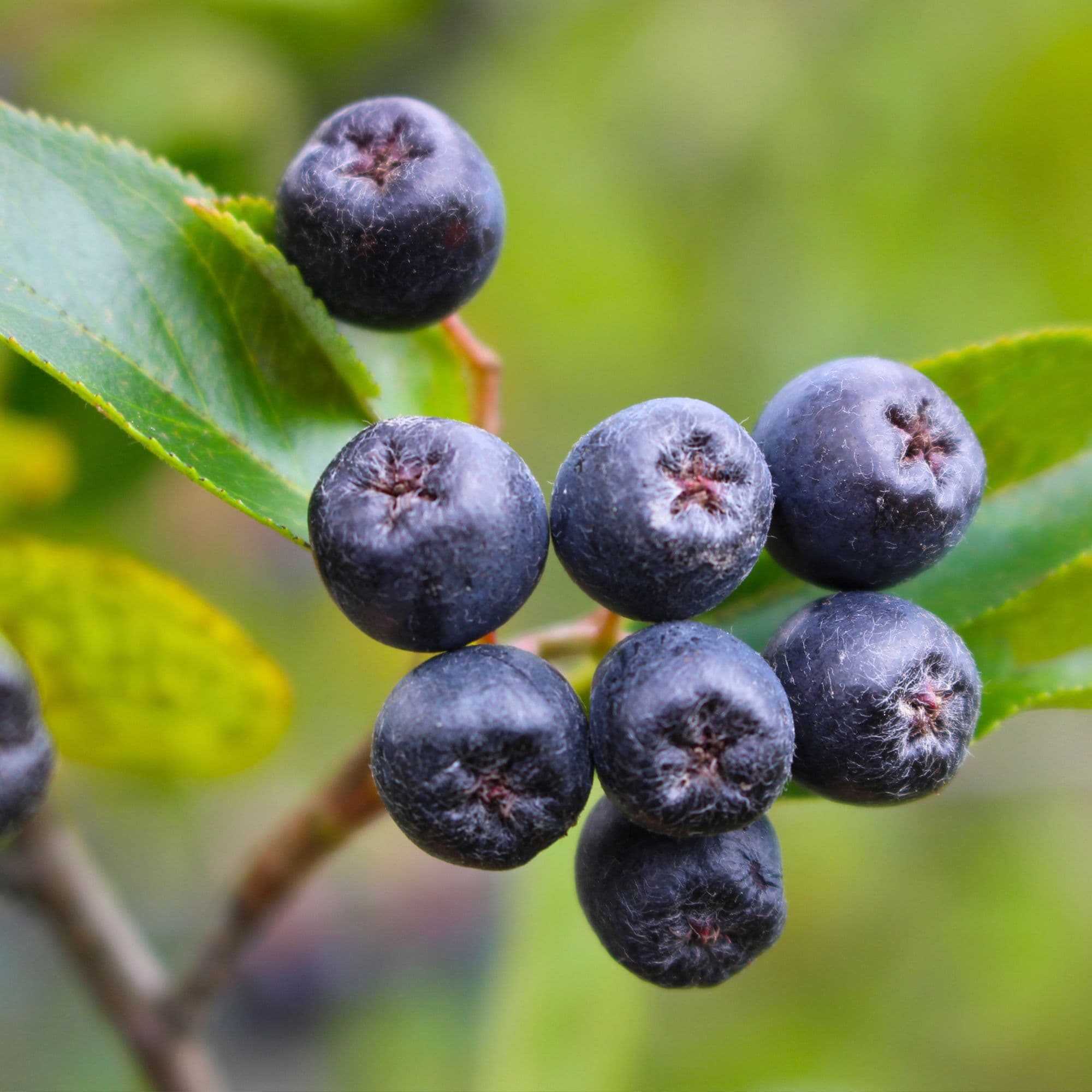
    Black Chokeberry - Aronia Melanocarpa Sizes Explained Pot-Ready: Start in a pot or nursery bed for one season before transplanting. Aronia melanocarpa, commonly known as black chokeberry, belongs to the Rosaceae family, which encompasses a variety of flowering plants, including roses and fruit-bearing shrubs. This deciduous shrub can grow to a height of 3 to 6 feet and is characterized by its glossy green leaves that turn a vibrant red during the autumn months. The black chokeberry is particularly noted for its clusters of small, round berries that appear in late summer, which transition from a green hue to a deep purple or black upon ripening. These berries are not only visually striking but are also known for their high levels of antioxidants, particularly anthocyanins, which confer numerous health benefits. Key Features Superfood berry shrub known for its extremely high antioxidants (higher than blueberries). Produces glossy black berries great for juice, wine, jams, syrups, baking, and drying. White spring blossoms followed by brilliant red fall colour , making it both edible and ornamental. Highly adaptable and thrives in tough conditions—wet soils, dry soils, clay, sand, or loam. Native to North America , excellent for pollinators and wildlife. Self-fertile and highly productive once established. Growth & Planting USDA Planting Zone: 3–8 Sunlight: Full sun to part shade (best fruiting in full sun). Soil: Tolerates wet, dry, acidic, neutral, and clay soils; very adaptable. pH Range: 5.0–7.0 Spacing: 3–5 ft between plants; 6–8 ft between rows. Mature Size: 4–8 ft tall and wide depending on conditions. Growth Rate: Moderate; forms a neat, dense shrub. Why Grow Black Chokeberry? Easy, low-maintenance berry shrub for cold climates. Excellent for hedges, food forests, wildlife plantings, and homestead orchards. Reliable yields even in poor soil or challenging sites. Perfect for Nova Scotia and Atlantic Canada , thriving in both wet and dry ground. Native to North America , Aronia melanocarpa thrives in a wide range of habitats, primarily found in regions spanning from Canada to the central United States. Especially common from Newfoundland to Ontario, where the shrub often grows in forested areas, wetlands, and along riverbanks. These environments provide the black chokeberry with optimal conditions for growth, such as well-drained, acidic soils and full sunlight. Although it is remarkably adaptable to varying soil types and moisture levels. One of the notable aspects of Aronia melanocarpa is its ability to withstand harsh conditions, including drought and poor soil quality. Making it an excellent candidate for landscaping and ecological restoration projects. Often appreciated for its ornamental qualities, as the shrub produces white or pink flowers in the spring that attract pollinators. The resilience and adaptability of the black chokeberry set it apart from many other members of the rose family, establishing its significance not only in horticulture but also in agricultural practices aimed at promoting biodiversity and sustainability. Health Benefits and Culinary Uses of Black Chokeberry Black chokeberry, scientifically known as Aronia melanocarpa, is widely recognized for its impressive health benefits, largely attributed to its high concentration of antioxidants, vitamins, and essential nutrients. Numerous studies have highlighted that these berries are particularly rich in anthocyanins, which are compounds responsible for their deep purple-black hue. Research indicates that the consumption of black chokeberries may play a role in reducing oxidative stress, thereby contributing to better overall health and potentially lowering the risk of chronic diseases such as heart disease and diabetes. An important aspect of black chokeberry is its strong anti-inflammatory properties. These berries contain a variety of vitamins including vitamin C and vitamin K. The fiber content in black chokeberries aids in digestive health, promoting a healthy gut microbiome. Incorporating these berries into one’s diet can thus serve to enhance nutritional intake while supporting overall wellness. To enjoy the culinary versatility of black chokeberries, one can consider various methods of preparation. They can be consumed fresh or used to create delicious jams, jellies, or syrups. Their tart flavor also pairs well with an array of dishes. For instance, black chokeberries can be added to smoothies for a nutritious beverage or incorporated into baked goods such as muffins and pies, providing a unique twist to traditional recipes. Additionally, they can be used in salads or as a topping for yogurt, enhancing both the taste and nutritional profile of the meal. For those interested in culinary experiments, a simple way to prepare black chokeberries is by creating a sauce that can accompany meats or vegetables. By simmering the berries with sugar, lemon juice, and a touch of water, one can develop a flavorful sauce that complements various dishes. This not only highlights the berries' natural sweetness but also allows for the exploration of their potential beyond mere decoration in the garden.

    CA$9.00from
    View Plant
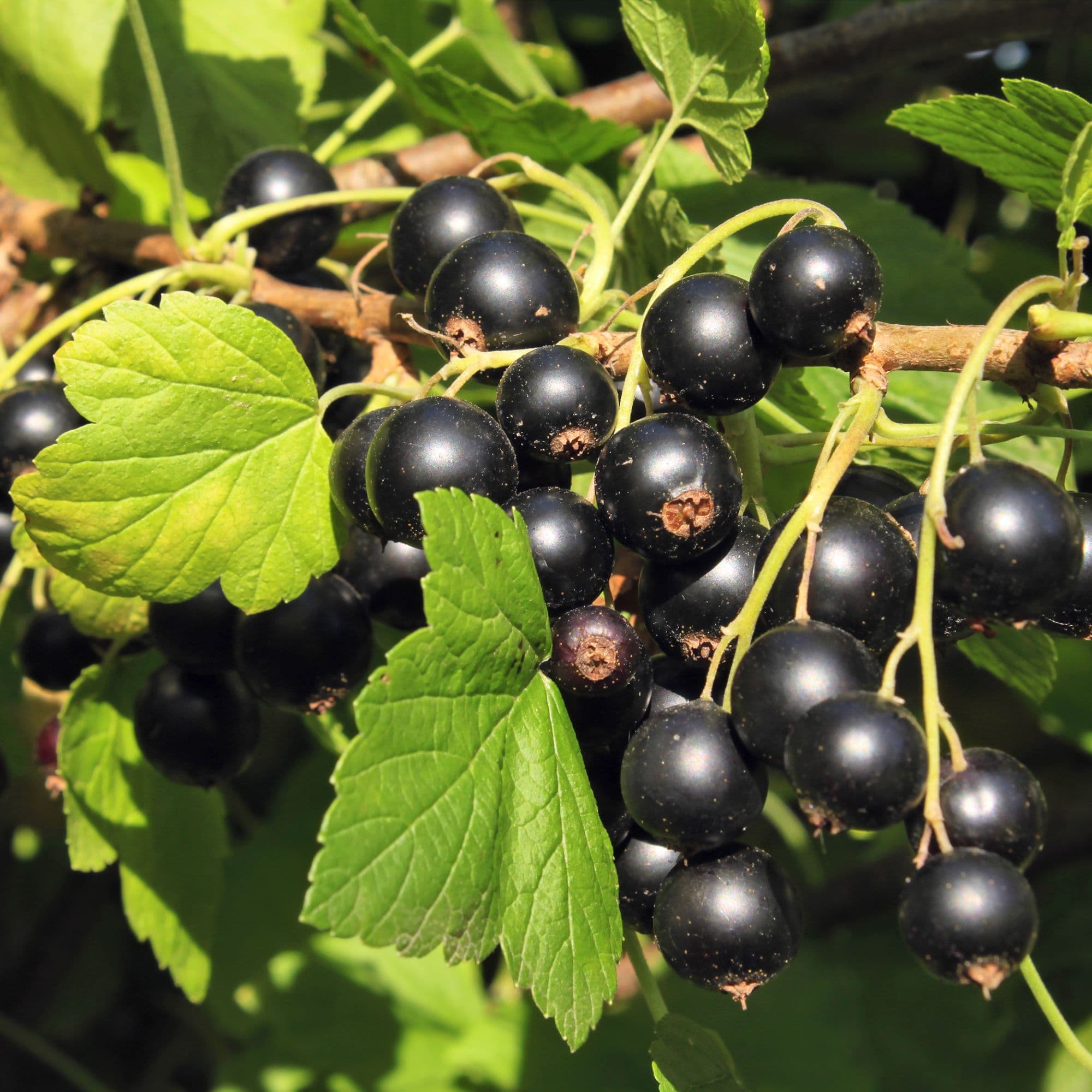
  • BlackcurrantIn Stock

    Blackcurrant

    Ribes nigrum

    Black currant plants are easy to grow and are dependable more so than fruit trees, if given good care. Grown for it's edible glossy black berries it is a medium sized woody shrub producing fruit in the summer months. Which are rich in sources of vitamin C. Size: Black currants grow into a 4 foot by 4 foot shrub. My recommendation. Plant 4 or more to get your fair share of berries. Freeze them and you'll have a years supply. The growing of shrub fruits such as black currants are not difficult, but there are good practices that are important for good results. The plants will live almost anywhere doing best in relatively moist climate and well drained soil. Plant growth and and fruitfulness are most satisfactory on soils well supplied with organic matter. Pruning black currants is necessery and should be done a little each year. Black currants are a versatile fruit that can be used in a variety of recipes. They have a sweet, tangy flavor and can be used as a juice or in jams and jellies and WINE! Make them into desserts such as pies, tarts, cakes and muffins. They can also be used to make black currant syrup, which can be used to flavor ice cream and other sweet treats. Key Features Known for its deep, rich flavour and extremely high antioxidant content—one of the most nutrient-dense berries you can grow. Produces heavy clusters of dark, aromatic berries ideal for jams, jellies, cordials, syrups, wines, and baking. Cold-hardy, vigorous, and disease-resistant , thriving in northern climates with minimal care. Compact, productive shrubs that reliably fruit year after year. Attractive spring flowers develop into long strings of glossy black berries in mid-summer. Growth & Planting USDA Planting Zone: 2–7 Sunlight: Full sun to part shade (full sun gives best yields). Soil: Prefers moist, well-drained loam; tolerates clay and varied soils. pH Range: 5.5–7.0 Spacing: 4–5 ft between plants. Mature Size: 3–5 ft tall and wide. Pollination: Self-fertile , but multiple plants increase production. Why Grow Black Currant? Offers exceptionally high yields and some of the healthiest berries available . Perfect for food forests, homesteads, hedgerows, and cool-climate gardens. Hardy, adaptable, and a reliable performer across Nova Scotia and all of Canada .

    CA$13.00from
    View Plant
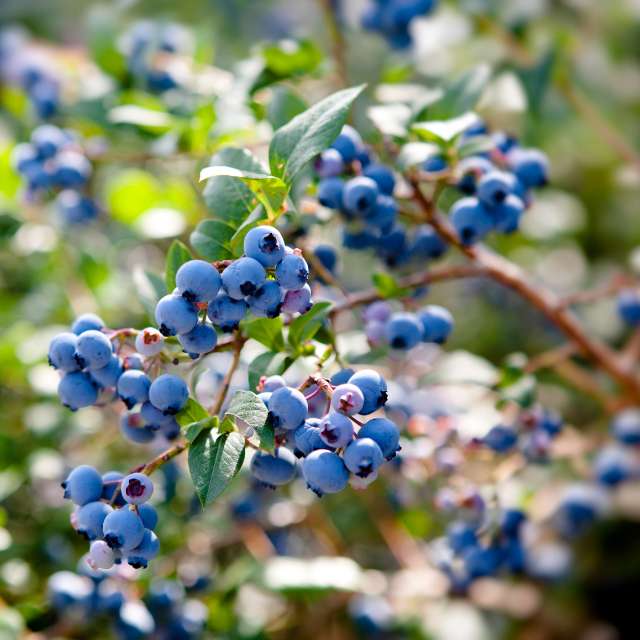
  • Blueberry PlantIn Stock

    Blueberry Plant

    Hardiness Zone : Our Blueberry Plant is hardy in Zones 3-7, making it perfect for a wide range of climates, from chilly winters to temperate summers. Soil Type : Thriving in well-draining, acidic soil, our Blueberry Plant prefers a pH level between 4.5 and 5.5. Be sure to amend your soil with organic matter to ensure optimal growth. Fruit Size : Expect luscious, medium-sized blueberries that burst with flavor – the ideal size for snacking, baking, or creating scrumptious jams. Height of Plant : This compact deciduous shrub reaches a mature height of 3-6 feet, making it easy to manage and harvest without a ladder. Flowering Time : Be prepared for a stunning display of delicate, white blossoms in late spring to early summer, attracting beneficial pollinators to your garden. Growth Habits : The Blueberry Plant boasts a neat, bushy growth habit, perfect for container gardening or as an attractive border plant in your garden. Its glossy green foliage adds aesthetic appeal to your landscape year-round. Requirements : Sunlight : Plant your Blueberry in a spot that receives at least 6-8 hours of sunlight daily for maximum fruit production. Watering : Keep the soil consistently moist but not waterlogged, especially during the growing season. Mulching helps retain moisture. Pruning : Regular pruning in late winter or early spring is essential to maintain shape and encourage new growth. Cross-Pollination : For the best yields, consider planting at least two different Blueberry varieties to facilitate cross-pollination. Other Information : Varieties : We have a selection of high-yielding Blueberry varieties which are mixed between early - mid season. Disease Resistance : Our Blueberry Plants are cultivated with care and are known for their resistance to common pests and diseases. Harvest : Expect to start harvesting delectable blueberries in mid to late summer, depending on the variety and your location.

    CA$17.00from
    View Plant
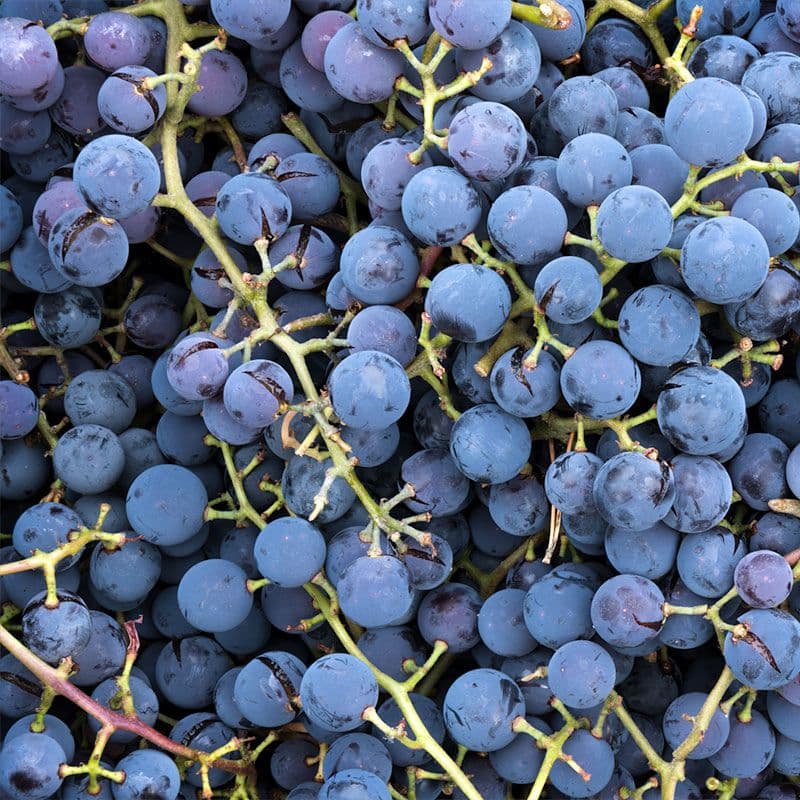
  • Concord GrapeIn Stock

    Concord Grape

    Concord Grape (Vitis labrusca ‘Concord’) – Key Features Classic North American variety famous for its deep blue skin and rich, sweet, “grape jelly” flavour. Excellent for fresh eating , juice, wine, jellies, jam, and preserves. Cold-hardy and vigorous , reliably productive across a wide range of climates. Self-fertile – only one plant needed to produce fruit. Medium-sized clusters with large, slip-skin berries (skin separates easily from the pulp). Strong disease resistance compared to European grape varieties. Heavy producer once established, with annual crops of abundant clusters. Growth & Planting Planting Zone: 4–8 Sunlight: Full sun (6–8 hours minimum). Soil: Well-drained loam, sandy loam, or light clay. Prefers slightly acidic to neutral soil ( pH 5.5–7.0 ). Spacing: 6–8 ft between plants; 8–10 ft between rows. Vine training: Best grown on a trellis, pergola, or fence; responds well to pruning. Time to fruit: Usually 2–3 years after planting. Why Concord Is a Customer Favourite Reliable in cold climates (great fit for Nova Scotia). Perfect homestead grape for juice, canning, and backyard wine. Low-maintenance once established and ideal for beginners. Long shelf life when harvested at peak ripeness. The Basics of Concord Grape Concord grapes, scientifically classified as Vitis labrusca, are a popular grape variety known for their distinctive flavor and versatility in various culinary applications. Primarily recognized for their deep blue to purple hue, Concord grapes are celebrated for their sweet, aromatic taste and unique musky, herbal undertones. This variety is often used in jams, jellies, and juices, as well as for winemaking, where it contributes to robust and fruity wines. The combination of sweetness and acidity makes Concord grapes particularly appealing to both consumers and growers alike. When it comes to cultivating Concord grape seedlings, specific growth conditions are crucial for successful development. These seedlings thrive in well-drained, loamy soils that are rich in organic matter. Adequate sunlight is essential; ideally, they should receive at least six to eight hours of direct sunlight daily to ensure robust growth and healthy fruit production. Moisture levels also play a significant role, as Concord grapes prefer consistently moist soil but are intolerant of waterlogged conditions that can lead to root rot. Cultivation and Care for Concord Grape Successfully cultivating Concord grape seedlings requires a thoughtful approach that integrates various gardening practices. To begin, proper planting is crucial. When planting Concord grape seedlings, ensure that the holes are at least 12 inches deep and three feet apart to facilitate adequate airflow and light exposure. This spacing not only helps prevent overcrowding but also promotes healthy growth by allowing each plant to access essential nutrients and water. Once the seedlings are planted, ongoing care is necessary to establish a robust vine. Regular pruning plays a vital role in maintaining the health and productivity of Concord grape seedlings. In the early stages, remove any weak or damaged shoots to encourage stronger growth. As the seedlings mature, focus on shaping the vine to enhance fruit production; cutting back excess foliage can improve sunlight penetration and air circulation around the grapes. Pest management is another critical aspect of cultivation. Be vigilant for common pests such as aphids and spider mites, which can negatively impact plant health. Implementing organic pest control methods, like introducing beneficial insects or using insecticidal soap, can help manage infestations effectively. Additionally, preventing diseases such as powdery mildew is essential; ensure that plants are well-spaced and that humidity levels remain low by allowing proper ventilation. Watering and fertilization are also key to the success of Concord grape seedlings. Initially, maintain consistent moisture, allowing the soil to dry slightly between watering sessions. As the plants develop, reduce watering frequency while ensuring the roots receive adequate hydration during dry spells. Fertilization should be appropriate, typically using a balanced fertilizer engineered for grapevines. Incorporating organic compost in the early spring can provide essential nutrients and improve soil structure, ultimately optimizing growth and yield.

    CA$17.00from
    View Plant
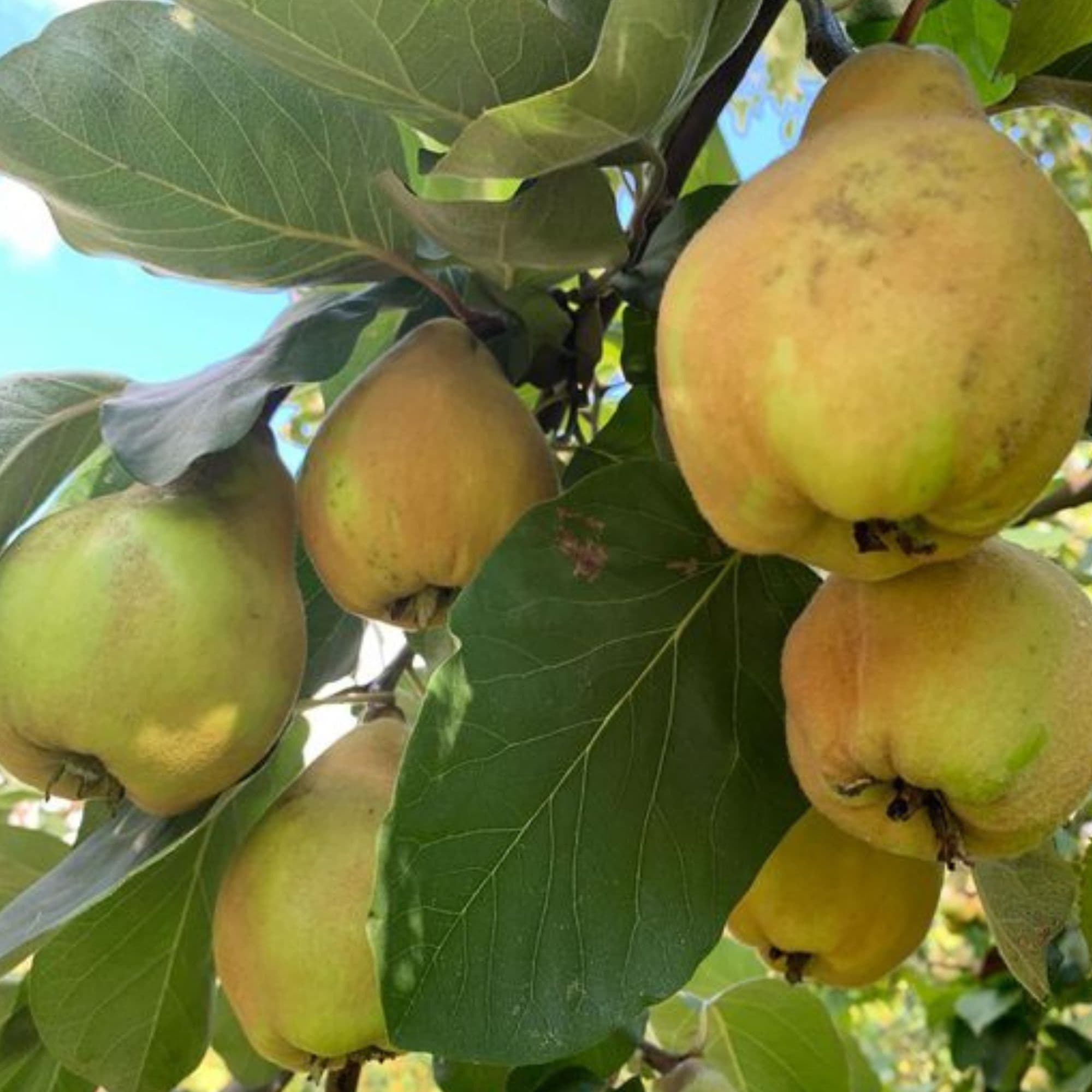
  • Giant of Zagreb QuinceIn Stock

    Giant of Zagreb Quince

    Giant of Zagreb Quince (Cydonia oblonga) SIZES ----- A - GRADE: 1 - 2 feet in height B - GRADE: 1 feet and under The Giant of Zagreb Quince is a highly productive fruiting tree known for its large, aromatic yellow fruits and its beautiful ornamental value. Perfect for home orchards, this quince variety offers not only delicious fruit but also stunning spring blooms. Key Features: Hardiness Zone : Thrives in Hardiness Zones 5 to 9, making it suitable for a wide range of climates. Soil Type : Prefers well-drained, fertile loamy soils but is adaptable to sandy and clay soils. Good drainage is essential to avoid root rot. Height and Width : Reaches a mature height of 10 to 15 feet and spreads 8 to 10 feet, making it ideal for smaller gardens or as part of a fruit orchard. Fruit Size : Produces large, golden-yellow fruits that can grow up to 4 inches in diameter, with firm, aromatic flesh perfect for culinary use. Growth Habits: Growth Rate : Moderate growth rate with a bushy, rounded canopy. It’s a deciduous tree that sheds its leaves in winter. Flowering Time : Blooms in mid-spring, producing delicate, pale pink to white flowers that add ornamental beauty to your garden and attract pollinators. Caring for Your Giant of Zagreb Quince: Sunlight : Requires full sun to partial shade for optimal fruit production. Ensure it gets at least 6 hours of direct sunlight daily. Watering : Water regularly during the first growing season to establish a deep, extensive root system. Once established, water deeply but less frequently, ensuring the soil stays moist but not waterlogged. Fertilization : Apply a balanced fertilizer in early spring to promote healthy growth and fruiting. Mulching around the base can help retain soil moisture and control weeds. Harvesting Quince Fruit: Ripening : The fruits ripen in late fall (September to October), turning a golden-yellow color and emitting a fragrant aroma when ready for harvest. Harvesting Tips : Harvest quince when they are fully ripe and fragrant. Unlike most fruits, quinces are best when cooked, as they are quite hard and astringent when raw. Culinary Uses: The Giant of Zagreb Quince produces fruits that are perfect for: Making jams, jellies, and marmalades. Baking into pies, tarts, and desserts. Cooking into sauces or poaching to bring out the rich flavor and aroma. Additional Information: Pollination : The Giant of Zagreb Quince is self-fertile but will benefit from cross-pollination with other quince varieties to increase fruit yield. Pests and Diseases : Generally resistant to most pests, though occasional monitoring for aphids, fire blight, or leaf spots is recommended. Pruning for airflow can help reduce disease risk. Ornamental Value: In addition to its productive fruit, the Giant of Zagreb Quince adds aesthetic beauty to any landscape with its attractive spring blooms and lush green foliage throughout the growing season. Add the Giant of Zagreb Quince to your garden or orchard today for a stunning tree that offers both ornamental appeal and delicious, aromatic fruit!

    CA$7.00from
    View Plant
  • Gooseberry PlantsIn Stock

    Gooseberry Plants

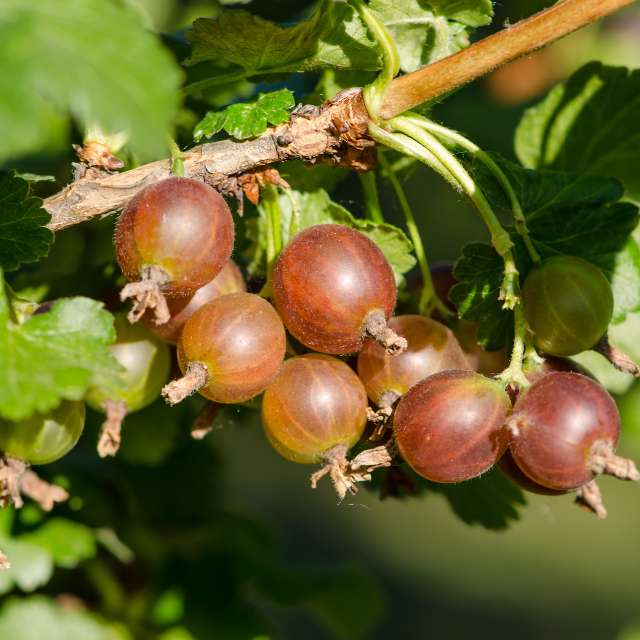
    Grow Your Own Delicious Gooseberries: Are you ready to transform your garden into a haven of sweet-tart goodness? Our Gooseberry Plants are the answer. With a host of benefits and easy care instructions, these shrubs are the perfect addition to your outdoor space. Goosberry Plants Hardiness Zone : Suitable for Zones 3-8, our Gooseberry Plants are tailored for northern climates, thriving in colder temperatures. Ideal Soil Type : These hardy shrubs prefer well-draining, loamy soil with a slightly acidic to neutral pH level (around 6.0 to 7.0). Fruit Size : Expect a bounty of small to medium-sized, delectable gooseberries, perfect for snacking or transforming into pies, jams, and preserves. Height of Plant : Our Gooseberry Plants reach a manageable height of 3 to 5 feet, making them a practical addition to any garden. Flowering Time : In early spring, your Gooseberry plant bursts into bloom with delicate, greenish-white or pink blossoms, attracting essential pollinators to your garden. Growth Habits : These plants feature a bushy and compact growth habit, making them ideal for small gardens, borders, or even container gardening. Their lush green foliage adds visual appeal year-round. What to Do with the Fruit of your Gooseberry Plants : Your Gooseberry harvest offers endless culinary possibilities. Enjoy them fresh, add them to salads, create mouthwatering pies, or craft tangy jams and jellies. The versatility of gooseberries will inspire your culinary creativity. Ripeness Indicator : Your gooseberries are ready for picking when they turn plump, soft, and slightly translucent, usually in mid to late summer. It's a clear sign they are at the peak of ripeness and flavor. Additional Requirements : Sunlight : Ensure your Gooseberry shrub receives at least 6-8 hours of sunlight daily for abundant fruit production. Watering : Keep the soil consistently moist, especially during the growing season, to support healthy growth and fruit development. Pruning : Regular pruning in late winter or early spring is essential to maintain shape and encourage new growth. Pollination : While some varieties are self-pollinating, consider planting multiple Gooseberry Plants to boost fruit production. Winter Care : In colder regions, provide winter protection to shield your plant from extreme temperatures. Why Choose Our Gooseberry Plants : Expertly Cultivated : Our Gooseberry Plants are grown with expertise, ensuring you receive robust, healthy specimens ready to thrive in your garden. Canadian Adaptability : Specifically chosen for Canadian climates, our Gooseberry Plants are hardy and built to withstand the challenges of Canadian winters. Abundant Harvests : Enjoy a plentiful supply of sweet-tart gooseberries, perfect for all your culinary adventures. Compact and Versatile : These shrubs fit into gardens of all sizes and can be incorporated into various garden styles, from traditional to modern. Beautiful Year-Round : Beyond the delicious fruit, your Gooseberry Plant provides year-round beauty with its attractive foliage and early spring blooms. Gooseberry plants for sale: Ready to elevate your gardening game and savor the joys of homegrown gooseberries? Our Gooseberry plants for sale are a delightful addition to any garden. Order now and look forward to a fruitful harvest that will add a burst of flavor to your culinary creations.

    CA$13.00from
    View Plant
  • Hardy Kiwi VineIn Stock

    Hardy Kiwi Vine

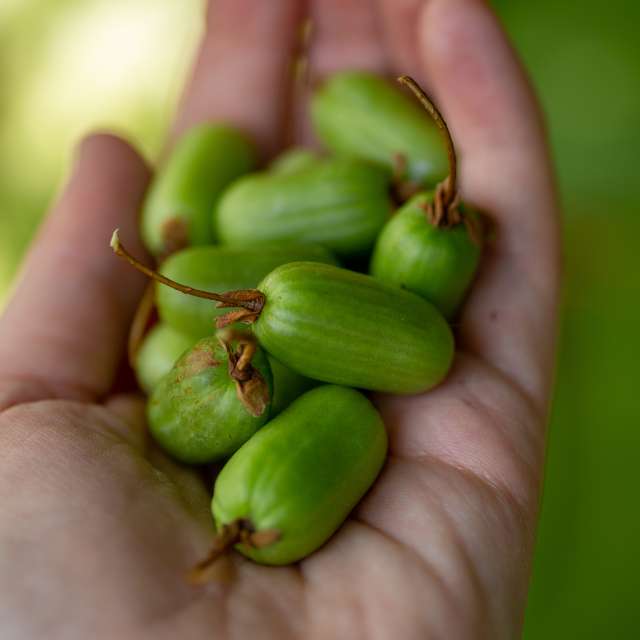
    Hardy Kiwi Canada. The Hardy Kiwi Vine, (female) scientifically known as Actinidia arguta, offers a unique twist on traditional kiwi fruits. It's a vigorous, deciduous vine that's native to East Asia, and it has earned the nickname "Arctic Kiwi" due to its cold-hardiness, making it suitable for a variety of climates. Little Tree Farm are thrilled to offer you the opportunity to bring this exotic vine to your garden. Hardiness zone: 4- 9 Hardy kiwi plants need a male and a female plant to be close by. Choose one male kiwi for every 8 female kiwi plants. This will ensure pollination of the female plant which will grow into the fruit you can enjoy. Sizes Explained A Grade (Ground-Ready): Stronger, thicker stems for instant planting. B Grade (Ground-Ready): Smaller then A grade and suitable for planting directly in the ground. Pot-Ready : Start in a pot or nursery bed for one season before transplanting. Key Features Hardy kiwi produces smooth, bite-sized kiwis with intensely sweet, tangy flavour—no peeling required. Much more cold-tolerant than grocery-store kiwi, thriving in northern climates where standard kiwi cannot survive. Fast-growing vines with lush, tropical-looking foliage that add beauty to arbors, trellises, pergolas, and fences. Begins producing abundant clusters of small green kiwis once established, typically within 3–5 years . Excellent for fresh eating, dehydrating, desserts, and home winemaking. Growth & Planting USDA Planting Zone: 4–8 Sunlight: Full sun for highest fruit production. Soil: Moist, well-drained soil rich in organic matter; avoid waterlogged sites. pH Range: 5.5–7.0 Spacing: 10–15 ft between vines; give strong trellis support. Mature Size: Vigorous vines reaching 15–25 ft or more. Pollination: Requires one male plant for every 6–8 female plants to produce fruit (unless it is a self-fertile variety like Issai). Why Grow Hardy Kiwi? Produces tropical-flavoured fruit in a cold climate—something most growers never expect. Heavy-yielding and long-lived once established, providing years of abundant harvests. Ideal for homesteads, food forests, and gardeners looking for a unique, productive, and resilient fruiting vine. Appearance: The Hardy Kiwi Vine is a lush and vigorous climber, known for its heart-shaped leaves that create a stunning green canopy during the growing season. It bears small, delectable kiwi fruits that are typically about the size of a grape, offering a delightful alternative to the larger, more common kiwifruits you may be familiar with. Flavor and Culinary Versatility: What truly sets the Arctic Kiwi apart is the flavor of its fruits. These petite treasures pack a punch of tart and sweet, often described as a cross between kiwi and strawberries. Their smooth, edible skin makes them an easy and convenient snack, and they are a culinary delight in desserts, salads. Cultivation: Hardy Kiwi Vines are renowned for their adaptability. They thrive in a wide range of climates, including cooler regions, which is a testament to their hardiness. Proper care and support, such as trellising, will encourage these vines to flourish and bear fruit for years to come. Why Choose the Hardy Kiwi Vine? If you're seeking a unique and rewarding addition to your garden, the Arctic Kiwi is an excellent choice. Its cold-hardiness, exquisite flavor, and culinary versatility make it a standout option for both experienced gardeners and newcomers. Plus, it's a conversation starter at garden gatherings, as friends and family marvel at this intriguing twist on the traditional kiwifruit. Hardy Kiwi Vine For Sale: Place your order today at our online nursery. We offer healthy, vibrant vines that will not only enhance your landscape but also tantalize your taste buds. Embark on a flavorful journey with the Hardy Kiwi Canada Vine.

    CA$9.00from
    View Plant
  • Wine GrapeIn Stock

    Wine Grape

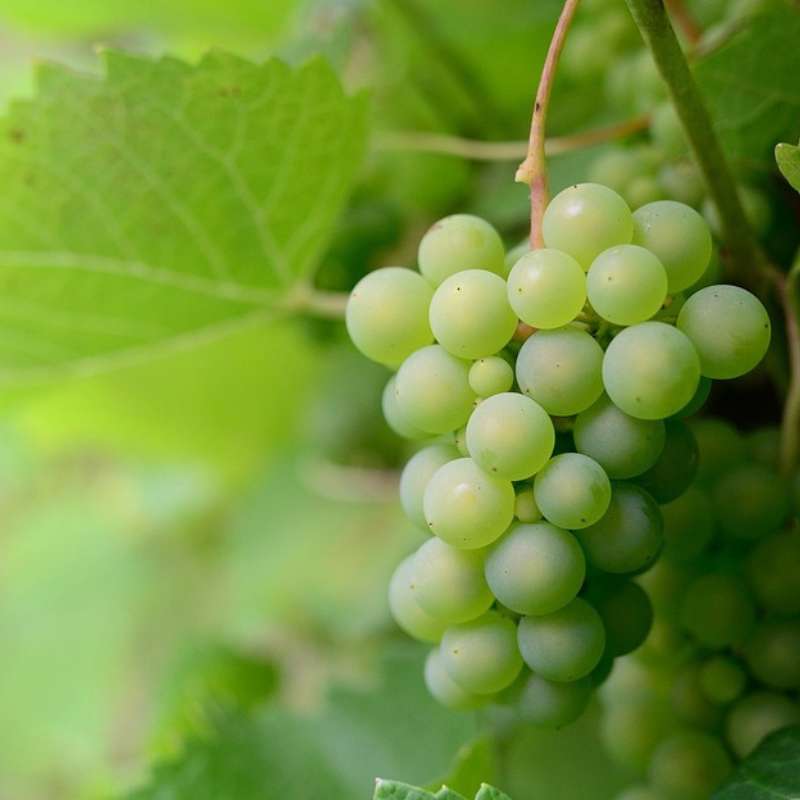
    Discover Pure Delight with Our White Eating Grapes Indulge in the succulent sweetness of homegrown White Eating Grapes. Here's why you'll love these delectable fruits: Hardiness Zone Perfect for Hardiness Zones 5-8, our White Eating Grapes thrive in a variety of climates, ensuring a fruitful harvest in your region. Ideal Soil Type White Eating Grapes flourish in well-draining, loamy soil with a slightly acidic to neutral pH level (around 6.0 to 7.0). Prepare your garden bed with ample organic matter to encourage robust growth. Fruit Size Savor plump, juicy white grapes, known for their sweet, refreshing taste. These grapes are generously sized, perfect for fresh snacking and delightful when used in desserts. Plant Size Our White Eating Grapevines typically reach heights of 6-8 feet and span 8-10 feet in width, creating an elegant and productive addition to your garden. Flowering Time These grapevines burst into bloom in early to mid-spring, producing clusters of delicate white flowers that give way to the delicious fruit. Growth Habits White Eating Grapes exhibit a climbing growth habit, requiring a sturdy trellis or support system to flourish. They are known for their lush green foliage and graceful vines. What to Do with the Fruit Your White Eating Grapes are perfect for fresh enjoyment, making delightful additions to fruit platters and salads. They are also ideal for crafting white wine, juices, and preserves. Ripeness Indicator Harvest your white grapes when they achieve a translucent appearance and a sweet aroma. Typically, they ripen in late summer to early fall, offering a taste of pure sweetness. Additional Requirements - Sunlight: Ensure your White Eating Grapevines receive at least 6-8 hours of sunlight daily for optimal fruit production. - Watering: Maintain consistently moist soil, especially during the growing season, to support healthy growth and fruit development. - Pruning: Regular pruning and training are necessary to manage the vines and encourage fruit-bearing canes. - Pollination: White Eating Grapes are self-pollinating, simplifying the cultivation process. - Disease Prevention: Implement proper vine care and management to prevent common grapevine diseases. Why Choose Our White Eating Grapes - Pure Sweetness: Experience the delight of sweet, succulent white grapes in your garden. - Abundant Harvest: These vines produce ample fruit, allowing you to enjoy the taste of your labor. - Perfect for Fresh Snacking: Add a touch of elegance to your fruit platters with these juicy, refreshing grapes. - Craft Delicious Treats: Use your harvest to create exquisite white wines, juices, and homemade preserves. - Elegant Garden Addition: The graceful vines and lush foliage of White Eating Grapevines enhance the aesthetic appeal of your outdoor space. Elevate your garden and your culinary creations with White Eating Grapes. Order now and look forward to a season of pure delight and sweet satisfaction.

    CA$15.00from
    View Plant
  • Haskap PlantIn Stock

    Haskap Plant

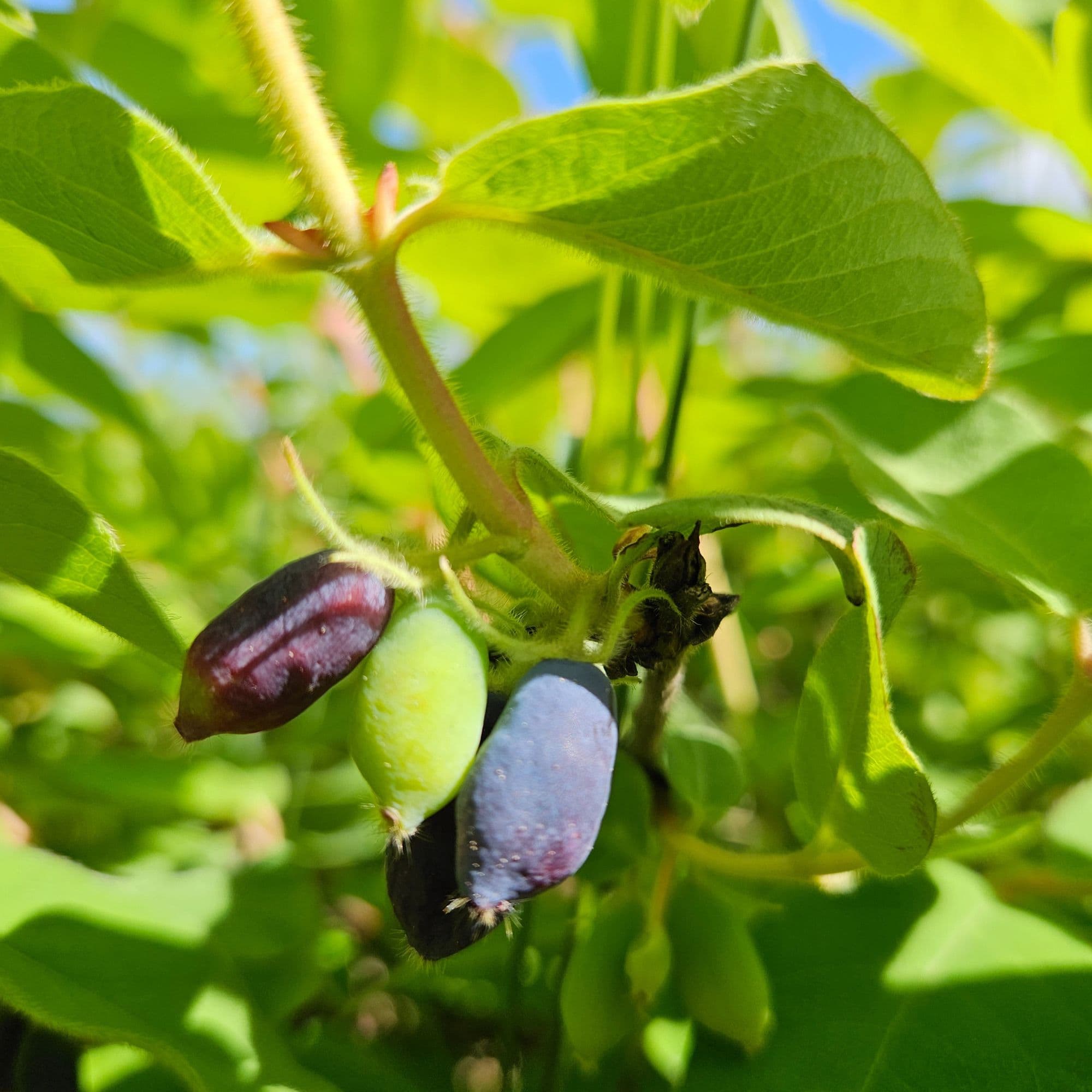
    Haskap Plant The Haskap plant, also known as Honeyberry plant, is a cold-hardy fruiting shrub perfect for adding delicious, nutrient-packed berries to your garden. With its early ripening fruit, cold tolerance, and easy care, the Haskap is a must-have for gardeners in cooler climates. Key Features: Hardiness Zone : Thrives in Hardiness Zones 2 to 7, making it ideal for cold climates where other berry plants may struggle. Soil Type : Prefers well-drained, slightly acidic to neutral soils with good organic matter. It can tolerate heavier soils but avoid waterlogged areas. Height and Width : Typically grows to 4 to 6 feet tall and 4 to 5 feet wide, making it a manageable size for home gardens or smaller spaces. Fruit Size : Produces elongated, blueberry-like fruits that are 1 to 1.5 inches long. The berries are rich in antioxidants and have a sweet-tart flavor. Growth Habits of the Haskap Plant: Growth Rate : Moderate growth rate, reaching maturity and bearing fruit in 2 to 3 years after planting. Flowering Time : Blooms in early spring (April), often before other fruit-bearing plants. The small, pale yellow flowers are frost-tolerant and attract pollinators. Caring for Your Haskap Plant: Sunlight : Requires full sun to partial shade for optimal growth and fruit production. Aim for at least 6 hours of direct sunlight daily. Watering : Regular watering is necessary, especially during dry spells. Ensure the soil is consistently moist, particularly during fruit development. Fertilization : Apply a balanced fertilizer in early spring before new growth begins to support healthy plant development and fruiting. Harvesting Haskap Berries: Ripening : The berries ripen in late spring to early summer (May to June), earlier than most other fruits. Harvesting Tips : Wait until the berries are fully ripe (dark blue to black color) for the best flavor. They can be eaten fresh, used in jams, jellies, or baked goods, or frozen for later use. Additional Information: Pollination : Planting at least two is necessary to ensure good fruit production. Wildlife Benefits : The flowers attract pollinators like bees, and the berries are a great food source for birds if left unharvested. Uses for Haskap Berries: The flavorful and nutritious Haskap berries can be used in a variety of ways: Eat fresh as a healthy snack. Use them in jams, jellies, sauces, and syrups. Add them to smoothies, yogurt, or baking recipes for a burst of flavor. Freeze them for future use in desserts or savory dishes.

    CA$7.00from
    View Plant
  • Lemon Balm PlantIn Stock

    Lemon Balm Plant

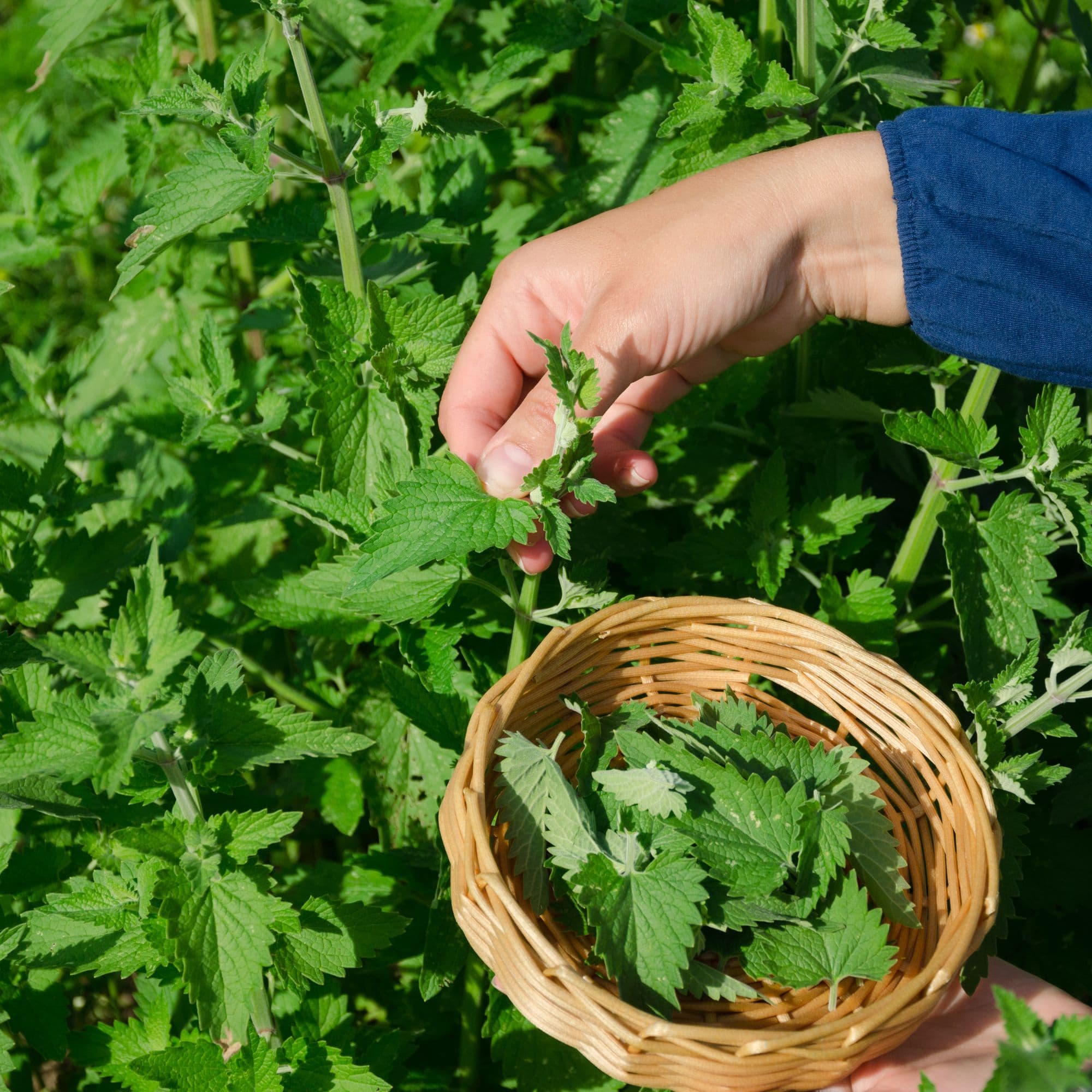
    Lemon Balm (Melissa officinalis) Key Features Lemon balm is a wonderfully aromatic herb prized for its bright, lemony fragrance and soothing, uplifting effects. Its tender green leaves release a calming citrus scent when brushed or crushed, making it a favourite for teas, culinary use, and natural wellness. A vigorous, easy-growing perennial that spreads gently and thrives in almost any soil, even in low-maintenance or beginner gardens. Bees adore its soft white blooms, making lemon balm an excellent addition to pollinator beds and herbal gardens. Highly versatile—use fresh or dried in teas, salads, desserts, syrups, herbal remedies, and homestead apothecary projects. Growth & Planting USDA Planting Zone: 3–9 (very hardy and winter-tough) Sunlight: Full sun to part shade; more shade helps keep flavour mild and leaves tender. Soil: Grows in almost any soil; prefers well-drained, moderately rich ground. pH Range: 6.0–7.5 Spacing: 12–18 inches for garden beds; allow room for spreading. Mature Size: 1–2 ft tall, 1–3 ft wide. Harvesting: Pick fresh leaves all season; cut back midsummer to encourage new, fragrant growth. Why Grow Lemon Balm? Lemon balm is one of the easiest, most rewarding herbs you’ll ever grow—fragrant, relaxing, and endlessly useful in the kitchen and home apothecary. It’s incredibly hardy, fast-growing, and dependable, returning bigger and stronger each year with almost no care. Perfect for tea lovers, pollinator gardens, herbalists, and anyone who wants a beautiful, fragrant plant that practically thrives on neglect. The flavour, scent, and versatility make lemon balm a must-have in every homestead garden.

    CA$17.00from
    View Plant

Growing Guide

Why grow fruit trees?

A fruit tree is the fastest way to make a yard feed you back. Ours are chosen for Canadian reality — short seasons, hard freezes, late frosts — so the harvest you picture actually arrives.

  • Real harvests, fast

    Most of our fruit trees bear within 2–5 years of planting — some the very next season.

  • Chosen for Canada

    Every selection is rated honestly for its zone, so a Zone 4 winter isn't a surprise.

  • Small-space friendly

    Compact and shrub-form options fit real backyards — you don't need an orchard block.

  • Blossoms feed the yard

    Spring fruit blossom is a pollinator banquet before it's ever a harvest.

Zone first, variety second

The prettiest catalogue variety means nothing if it dies in February. Filter by your zone and pick from trees that actually overwinter where you live — persimmon and mulberry for milder sites, serviceberry-type fruit for the coldest.

Fruit trees for Zone 4

Check the pollination note before you buy one of anything

Some fruit trees are self-fertile; many set far more fruit with a partner variety blooming at the same time. Every plant page tells you which it is and what to pair it with.

Self-fertile fruit trees

Full sun is the harvest budget

Six-plus hours of direct sun is what ripens fruit and sizes crops. Morning sun matters most — it dries dew and heads off fungal trouble before it starts.

Fruit for full-sun sites

Fruit Trees questions, answered

How soon will a fruit tree produce?

Varies by species: mulberries and some plums can fruit in 2–3 years, persimmon and pears more like 4–6. Each plant page lists years-to-harvest so you can plan the wait honestly.

Do fruit trees need two for pollination?

Some do, some don't. Self-fertile trees crop alone; others need a compatible partner blooming nearby. The pollination module on every plant page gives the straight answer.

When should I plant a fruit tree in Canada?

Dormant seasons — early spring as soon as soil works, or fall after leaf drop. That's exactly why we ship bare-root trees in those windows: they establish before summer asks anything of them.

What fruit grows in Zone 3?

More than most people think: hardy plums, certain apples, serviceberry, and bush fruit shrug off Zone 3 winters. Use the zone filter and shop from the survivors.

How much space does a fruit tree need?

Standard trees want 4–6 m between trunks; compact and shrub-form fruit is happy at 2–3 m. The Plant Passport on each page lists mature spread — trust it over wishful spacing.

  • Zone-matched plants

    Every plant shows the zones where it thrives.

  • Grown in Nova Scotia

    Raised for Canadian winters, shipped across Canada.

  • Not sure what fits?

    Tell us your land and goals — we'll match you.

Need help choosing?Talk to a Plant Expert