Nova Scotia grown

Collection

Nut Trees

1 plant

Plant long-term food, shade, and generational value.

Filters2

My hardiness zone

Zone 20Zone 31Zone 43Zone 53Zone 63Zone 73Zone 82

Pick your zone — we'll show only plants that thrive there.

Sunlight

Care level
Growth rate
Soil moisture
Mature height
Nature & wildlife
Harvest & readiness
Good to know
✕ Clear all filters (2)
  • ButternutShips SpringIn Stock

    Butternut

    Juglans cinerea

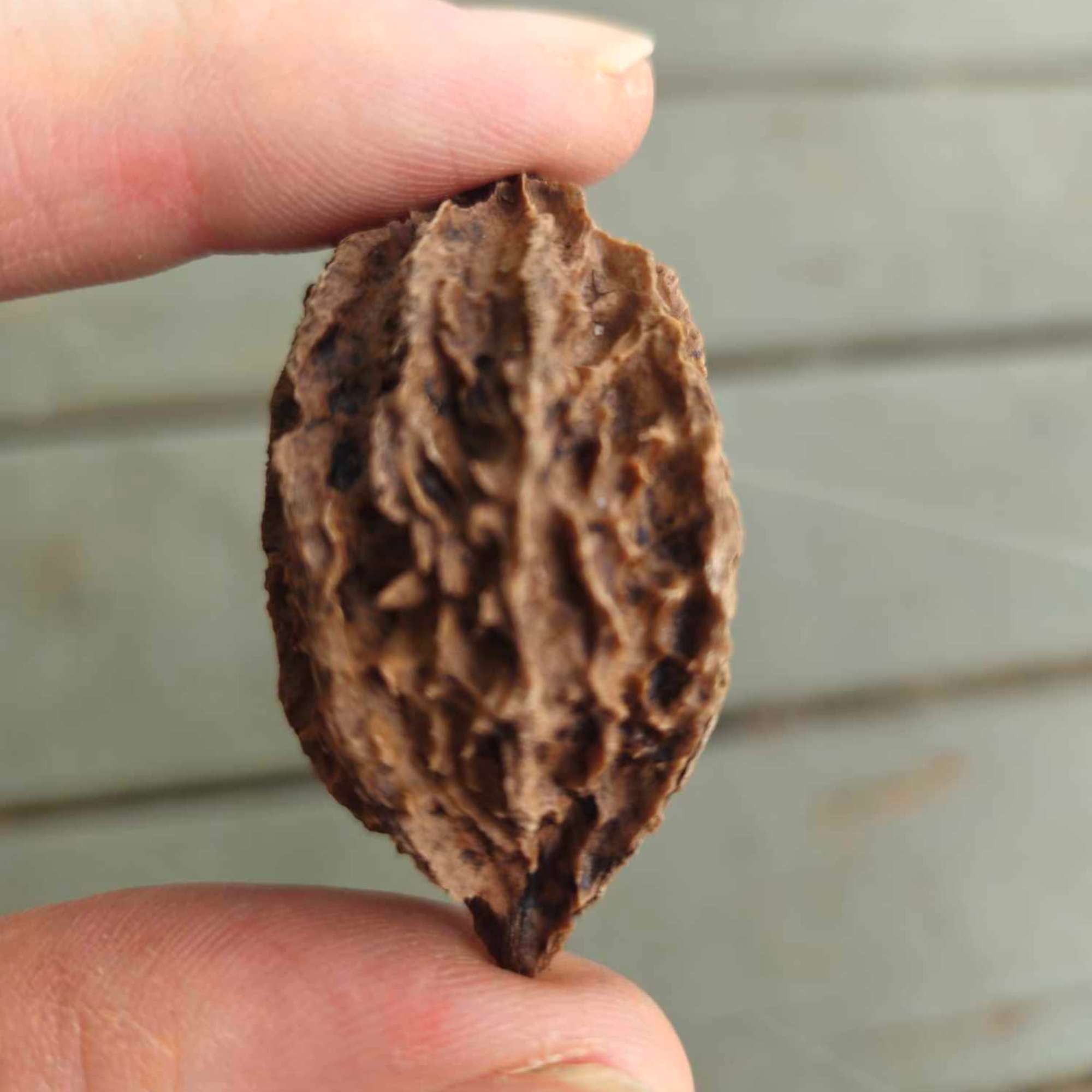
    Growing Zone: 3 - 7 SIZE: A Grade (Ground-Ready): Stronger, thicker stems for instant planting. B Grade (Ground-Ready): Smaller than A grade and suitable for planting directly in the ground. HYBRID BUTTERNUT: cross pollinated with extreme butternut qualities. The butternut tree, also called white walnut was once a very familiar and pleaseant site along the country roads and woodlands in North America, but in recent years it is little to be seen. The old butternut trees would probably still be here were it not for the blight and oyster-shell scale. A native tree of New Brunswick, Canada , there are rare pockets of older trees. Classified as an endangered species by the New Brunswick Nature Trust. This means that without some form of action, they could disappear from Canada or the entire planet. The butternut, named for its rich, delicious nuts , which are produced each year and in abundance every two to three years. This species grows well in open areas and is typically found at the edge of floodplains, along streams, and on rich upland sites. With links to a Canadian viking visit. Hardy throughout most of Canada and the United States butternuts can reach a height of 90 feet at a very old age. Juglans Cinerea Scientifically known as Juglans cinerea, is a deciduous tree belonging to the walnut family (Juglandaceae). Native to eastern North America and is closely related to the black walnut and the Japanese walnut, sharing similar characteristics and growing habits. Known for its elegant appearance , usually growing around 50 to 60 feet (15 to 18 meters). With a spread of about 40 to 50 feet (12 to 15 meters). It features a broad, rounded crown and attractive compound leaves. The foliage turns a striking golden yellow in the autumn , adding a touch of warmth to the landscape. This majestic tree prefers well drained soils. It grows well along the edges of rivers and brooks and watersheds in the New Brunswick area. It thrives in full sun to partial shade. It can tolerate a range of soil types, including sandy, loamy, and clay soils. However, it tends to perform best in deep, fertile soils. With a moderate growth rate and can live for several decades, providing shade, beauty, and a bountiful harvest of nuts. Butternut Tree Nut The Butternut tree produces oblong nuts with a rough, thick husk. When split open to reveal the sweet, oily kernel inside. The nuts have a buttery rich flavor. Its sweet, oily nuts, elegant appearance, and adaptability to a variety of soil types make it a desirable tree for both ornamental and edible purposes. However, the Butternut tree faces challenges from the butternut canker disease, which has significantly impacted its population. Grow your butternut tree today to help to conserve and protect this unique and valuable species, ensuring its survival for future generations to enjoy.

    • Zone 3–7
    • 50 ft
    • Full Sun
    CA$13.00from
    View Plant

Growing Guide

Why grow nut trees?

A nut tree is the slowest, surest investment a landscape can hold: a decade of patience buys fifty years of protein, shade, timber value, and wildlife food. Our nut trees are grown in Nova Scotia for real Canadian winters — black walnut, butternut, hazelnut, heartnut, and more.

  • Food that keeps

    Nuts store for months without processing — the most practical protein a home landscape can produce.

  • Cold-hardy genetics

    Our selections fruit reliably in short seasons — many are comfortable to Zone 4, several to Zone 3.

  • Legacy value

    Walnut and other hardwoods appreciate for decades — shade for you, timber value for the next generation.

  • Wildlife anchors

    Mature nut trees feed birds and mammals through winter and anchor a food-forest canopy.

Match the tree to your zone first

Hazelnut and black walnut handle Zone 4 with ease; butternut and some hickories push colder. Start from your hardiness zone and choose from what thrives there — not the other way around.

Nut trees for Zone 4

Plan for pollination — most nut trees want a partner

Hazelnuts and most walnuts set far better crops with a second tree nearby. Plant in pairs (or check the pollination notes on each plant page) and give big species 10–15 m of spacing; hazelnuts are happy at 3–5 m.

See self-fertile options

Starting out? Start with hazelnut

Hazelnuts stay shrub-sized, bear in 3–5 years instead of 10, tolerate pruning, and double as a hedge — the friendliest first nut by a wide margin.

Beginner-friendly nut trees

Nut Trees questions, answered

How long until a nut tree produces?

Hazelnuts typically begin bearing in 3–5 years. Black walnut, butternut, and heartnut usually take 7–12 years to meaningful crops — plant them for the decades, and plant hazelnuts for the meantime.

Do I need two nut trees for pollination?

Usually yes. Hazelnuts require a genetically different partner nearby, and walnuts crop far better with company. Each plant page lists its pollination requirement and good partners.

Which nut trees survive Zone 3?

Butternut and some hazelnut selections handle Zone 3 sites, especially with shelter from wind. Check the zone badge on each plant — we list the honest range, not the optimistic one.

Can I plant a walnut near my garden?

Give it distance. Walnuts release juglone, which suppresses tomatoes, apples, and some other plants. Keep vegetable beds and sensitive species 15–25 m from the mature dripline — plant pages list companions that tolerate it.

How far apart should nut trees go?

Full-canopy species (walnut, hickory) want 10–15 m between trunks. Hazelnuts are content at 3–5 m, closer if you're growing them as a hedge.

  • Zone-matched plants

    Every plant shows the zones where it thrives.

  • Grown in Nova Scotia

    Raised for Canadian winters, shipped across Canada.

  • Not sure what fits?

    Tell us your land and goals — we'll match you.

Need help choosing?Talk to a Plant Expert