Nova Scotia grown·Shipped across Canada·Seasonal bare-root shipping
Nursery grown
Grown with care in Nova Scotia
Hardy in Zones 4–9
Secure packaging
Live arrival guarantee
Black Walnut
Juglans nigra
Premium timber and rich nuts in one majestic tree. A true generational investment for open land.
Plant typeNut Tree
Mature height75 ft
Spread60 ft
Growth ratemedium
Out of season — ordering reopens in November.
Browse varieties and plan your planting now. Product pages remain available year-round.
CA$13.00from · CAD
Ordering reopens in November
Ships Spring
Size
Quantity
1
Black Walnut—
CA$13.00
Why buy from Little Tree Farm?
Locally grown in Nova Scotia
Climate ready & hardy
Carefully packed for safe delivery
Live arrival guarantee
Best planting time: Spring (Apr–Jun) · Dormant shipping ensures the best possible start.
Product details
About Black Walnut
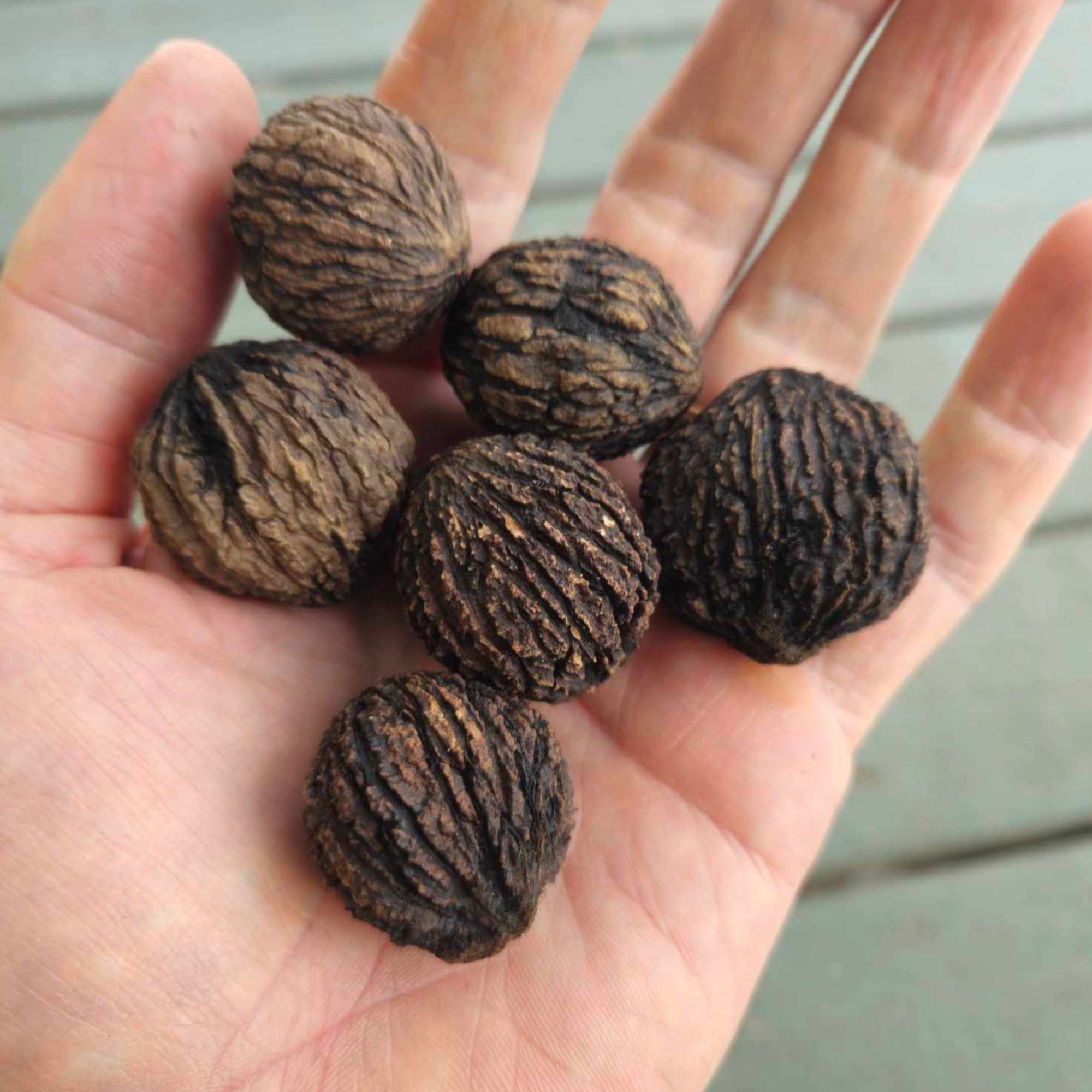
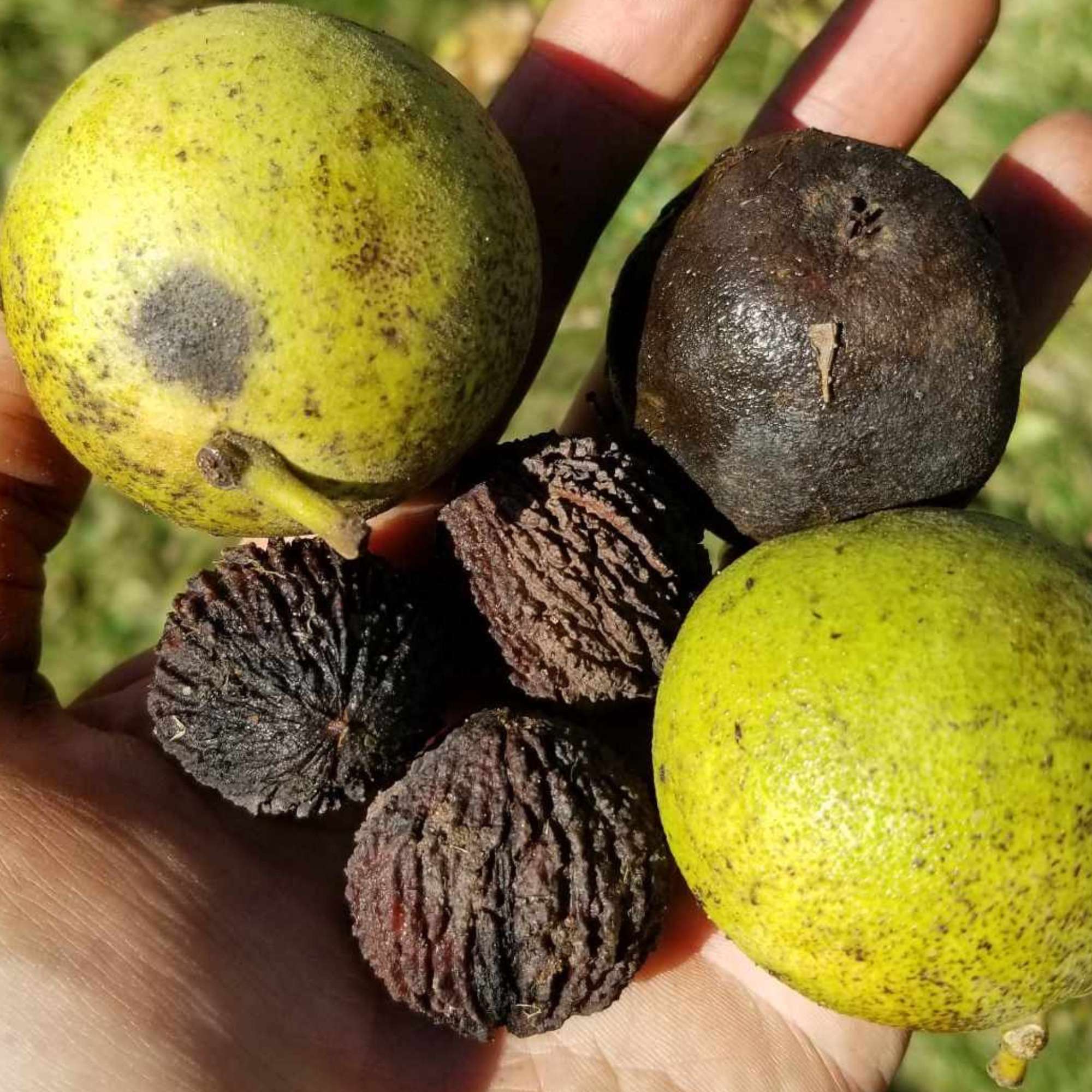
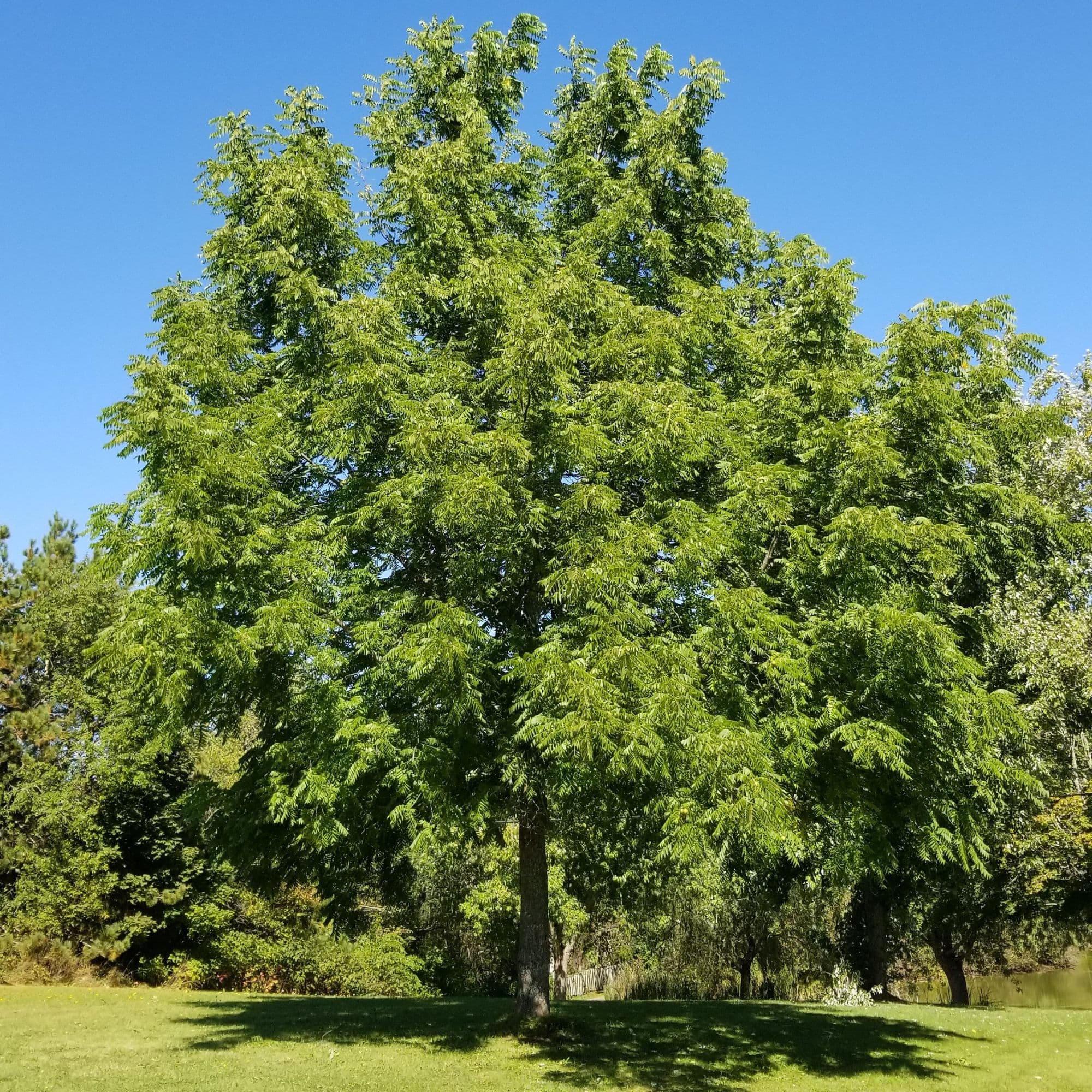
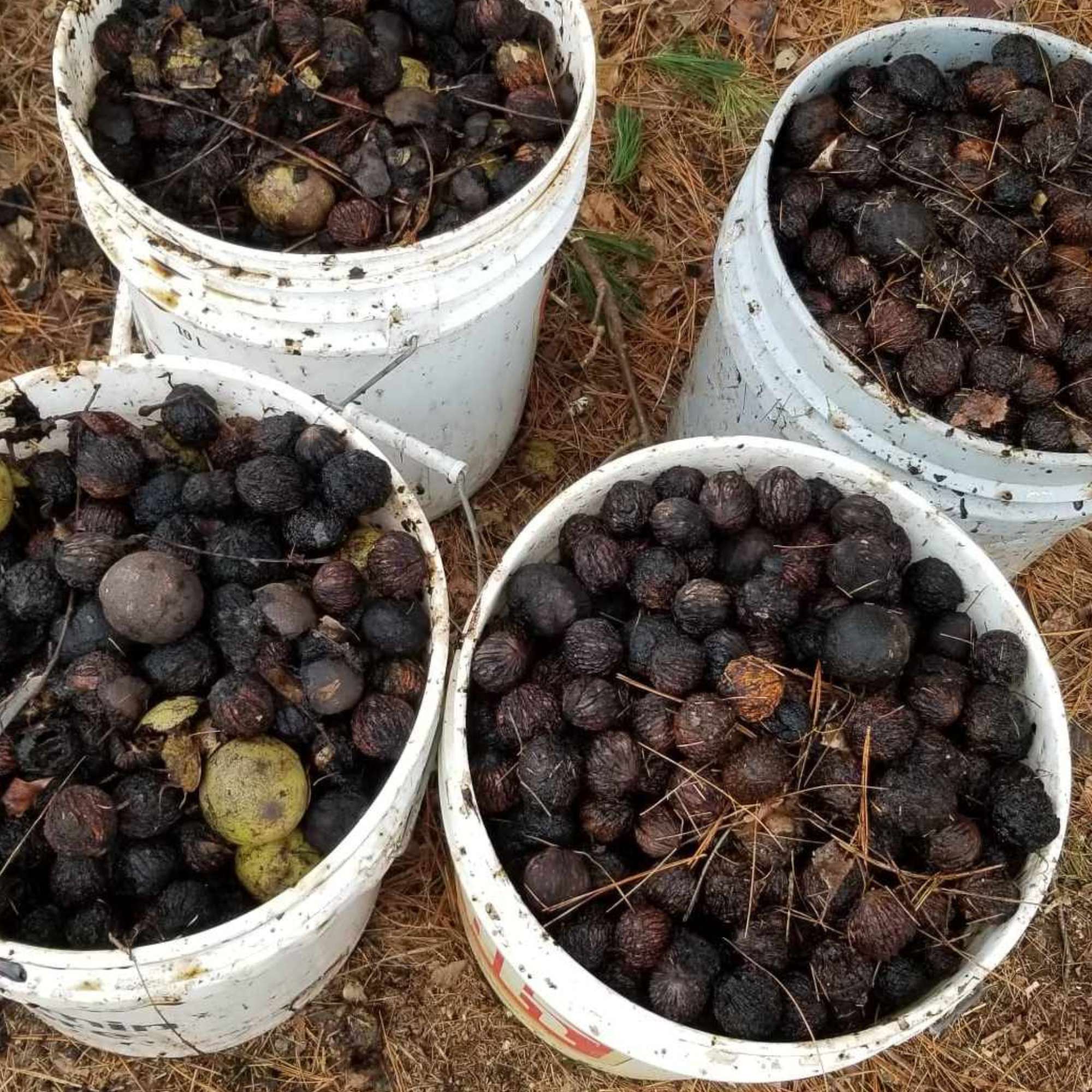
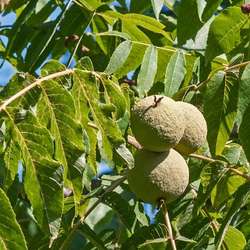
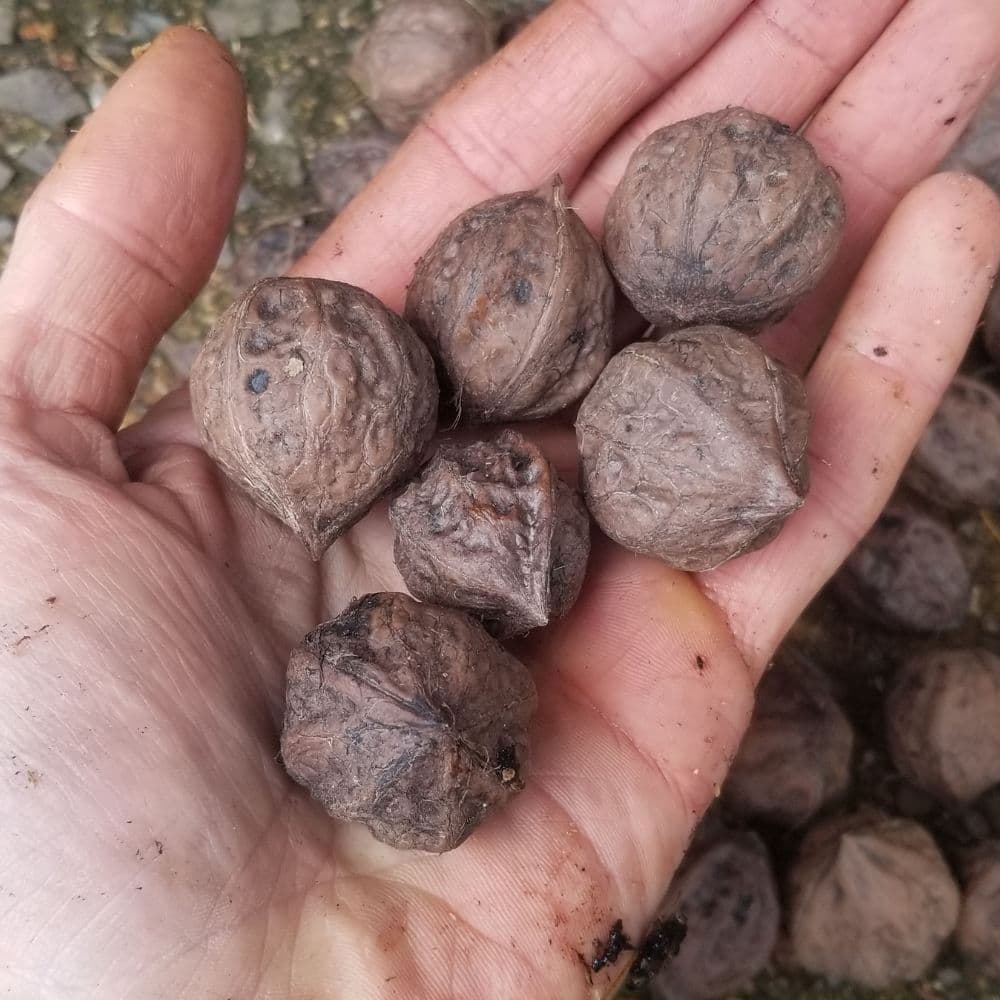
If you're looking for the ultimate food forest tree , then the Black Walnut is an essential addition. It is the powerhouse of nut trees — tall, strong, and sturdy, yet with a surprisingly tropical appearance. The long leaves sway in the wind in a way that almost resembles palm trees. It can be used as: A backdrop for your garden or landscape A tree in an orchard-style setting A striking feature tree in the front or backyard And best of all — it produces delicious edible nuts . Nut Production Edible nuts are of course the main reason many growers choose the Black Walnut tree. The tree begins producing delicious nuts at around 8 years of age . Unlike the typical walnut found in supermarkets, the Black Walnut has a unique flavour profile — smoky, bold, rich, and hearty. Once cracked from the shell, the nuts can be enjoyed: Raw In baking In cakes and cookies Harvesting Nuts Black walnuts are one of the easiest nuts to harvest . Each autumn, the nuts fall naturally from the tree to the ground, making collection simple. Just gather the green, golf-ball-sized husks and place them in a bucket or bag. Depending on growing conditions, some nuts may grow even larger. If you have multiple productive trees, selling the nuts can also become a small source of income . Timber Value Black Walnut is also highly valued for timber production . The wood is extremely sought after by furniture makers due to its: Strength Durability Beautiful dark colour Large mature Black Walnut trees have been known to sell for tens of thousands of dollars . On average: 40- 60 year-old trees grown for timber and veneer can be valued at between $1,000 - $5000 each With approximately 25 trees per acre , timber value could reach $30,000 - $125,000 per acre Allowing trees to mature for 50 years or more can significantly increase this value. Pollination For best nut production, it is recommended to plant at least two Black Walnut trees . Planting multiple trees improves pollination and helps ensure a healthy nut harvest. Mature Tree Size Black Walnut trees can grow to a mature height of approximately 80 feet . With good growing conditions and plenty of sunlight, they grow quickly and can reach 50 feet in height within a few decades . Sun or Shade? Black Walnut is naturally a forest tree . It can tolerate partial shade, but full sun will produce the best nut yields . Planting Instructions Your Black Walnut trees are shipped as bare-root seedlings approximately 1–3 feet tall . Roots are carefully wrapped and kept moist during shipping. When planting: Dig a hole about 1.5 times the size of the root system Add compost or rich soil if available Plant within 3 days of receiving the tree Spacing Black Walnut trees can be planted as close as 10 feet apart , but for orchards and timber production, spacing of around 20 feet apart is recommended. Ordering Instructions Select the quantity of Black Walnut tree seedlings Click Add to Cart Complete checkout using card, PayPal, or e-transfer Our bare-root tree sale is currently active , and quantities are limited each year. Don’t miss out — complete your Black Walnut tree order today . Sizes A Grade (Ground-Ready): Stronger, thicker stems for instant planting. B Grade (Ground-Ready): Thinner stems, but still suitable for planting directly in the ground.
Planting compatibility
Designed To Thrive Where You Live
Healthy roots start with the right match. Here's where this plant shines.
Hardiness
✓Zone 4 to 9
Cold hardy and resilient through northern winters.
Light
✓Full Sun Preferred
Thrives with 6+ hours of direct sunlight.
Soil
✓Deep, fertile
Prefers average moisture conditions.
Size
✓75 ft tall · 60 ft wide
Plant 40 ft apart for healthy growth.
Care
✓Moderate Care
A little attention goes a long way.
Growth
✓Medium — settles in, then takes off
First harvest in about 8 years.
Climate confidence
Excellent for Zones 4–9 — plant with full confidence.
Possible in Zone 3 with a sheltered spot and winter protection.
Not recommended below Zone 3.
Works well for
timber
nuts
legacy planting
open land
Feeds the birdsWildlife food source
Honest fit and pollination guidance
Good for
✓timber
✓nuts
✓legacy planting
✓open land
Not ideal for
We'd rather tell you now than disappoint you later.
✕small yards
✕planting near sensitive plants (juglone)
Self-fertile — one plant is enough
This plant sets fruit on its own, though a second plant often improves yields.
Ships Spring
Reserved now, shipped in the spring planting window
This plant travels dormant — no leaves to wilt, energy stored in the roots. Spring shipping means it wakes up in your soil, not in a box.
Your order reserves the plant; we grow it on until it's time.
Dug fresh, roots wrapped moist, packed by hand.
Shipped when your zone's planting weeks arrive — planting guide included.
Local to Nova Scotia? Free farm pickup is available for your Black Walnut at checkout. Details on the shipping page.
Common questions
Before you plant
Will it survive in my zone?+
Black Walnut is hardy in Zones 4–9. Inside that range it will handle winter reliably; one zone colder is possible with a sheltered site and mulch.
Do I need more than one?+
No — Black Walnut is self-fertile, so a single plant will produce. A second plant can still improve yields.
When will it ship?+
Ships Spring — we ship in the ideal planting window for your region, with roots protected and planting instructions included.
How big does it get?+
Expect roughly 75 ft tall and 60 ft wide at maturity, so plant about 40 ft apart.
How soon will it produce?+
Typically around 8 years to first harvest — young plants put their energy into roots first, and it pays off for decades.
Keep exploring
Plants that grow well together
Companions, neighbours, and next additions for your landscape.
SIZES: A Grade (Ground-Ready): Stronger, thicker stems for instant planting. B Grade (Ground-Ready): Smaller than A grade and suitable for planting directly in the ground. This Buartnut tree is a cross between a Heartnut and a Butternut tree. Growing to a height of 50 feet in some cases. Trees can be pruned to take on one leader. But if left unattended it can branch out in a shrub like formation but 50 feet high. Amazing right? The Heartnut was introduced from Japan over 100 years ago as one of the best nut tree species. The Butternut is a New Brunswick native tree, which thrives in swampy and cold climates. The Buartnut tree has taken on the best qualities of these 2 trees and is very cold hardy and thrives in all types of soils. Grows from zone 3 - 8 It also has luxurious, almost tropical foilage, the buartnut provides a dense shade, yet grass still grows under it. Buartnuts, along with other members of the japanese walnut species, thrives in both clay and sandy soils. Nut tree experts describe it as a "veritable goat in it's feeding habits, making it a rapid grower." Buartnut Tree The nut form can differ slightly. Usually round to oval shape with a flat base and pointed tip. On the tree you see green pods produced in a cluster. Sometimes ten or more. Their flavour is creamy, smooth and buttery which tastes much like the Butternut. Generally the tree tends to bears annually. In it's native home, the parent trees grow throughout zones 3 - 8 We know of these nut trees growing from Nova Scotia to New Foundland across Ontario and further. It is a hardy and adaptable tree, capable of growing in a wide range of climates and soil types. Buartnut trees require cross-pollination to set fruit. Ensure that you have at least two buartnut trees in close proximity to facilitate pollination and maximize nut production. (Maximum approx 50 feet)
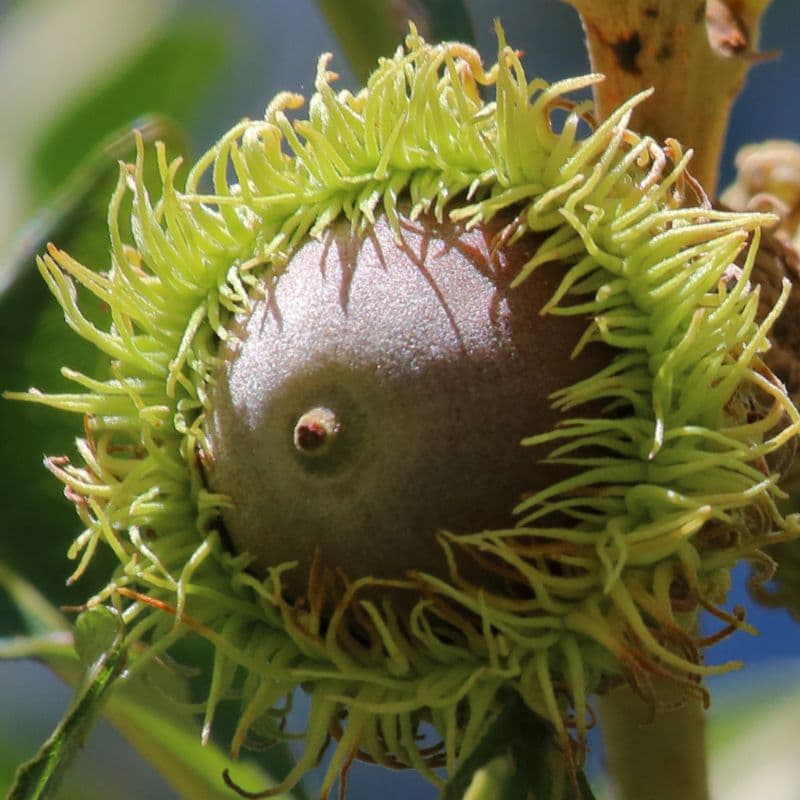
The Burr Oak, also known as Bur Oak, is a hardy, long-lived tree perfect for both ornamental and functional purposes in your garden or landscape. Known for its rugged beauty and adaptability, this native North American oak is an excellent choice for those looking to plant a resilient and productive tree. SIZES. A Grade: 8 plus inches B Grade: 5 plus inches Key Features Hardiness Zone : Thrives in Zones 3–8, making it suitable for a wide range of climates, including cold northern areas. Soil Requirements : Adaptable to various soil types, including clay, loam, sandy, or even slightly alkaline soils. Prefers well-drained conditions but tolerates occasional flooding. Growth Habit : A slow-growing, deciduous tree with a majestic, rounded crown. Mature Burr Oaks can reach a height of 70–80 feet and a width of 60–80 feet, creating a broad and imposing canopy. Flowering Time : Produces inconspicuous yellowish-green flowers in spring, typically from April to May, depending on your region. Fruit and Uses Acorn Characteristics : Burr Oak acorns are among the largest of all oak species, measuring up to 2 inches long and featuring a fringed cap that gives the tree its name. Ripening Time : Acorns mature in early autumn (September to October). Uses : While bitter due to tannins, Burr Oak acorns can be leached and ground into flour for cooking. They also provide a vital food source for wildlife, including squirrels, deer, and birds. Additional Information Light Requirements : Prefers full sun but can tolerate partial shade. Water Needs : Once established, the Burr Oak is drought-tolerant but benefits from occasional deep watering during prolonged dry spells. Longevity : A long-lived species, with some trees living for over 300 years. Wildlife Benefits : Provides habitat and food for a variety of wildlife, including nesting sites for birds and shade for larger mammals. Pest and Disease Resistance : Generally resistant to pests and diseases, though occasional issues with oak wilt or powdery mildew may occur in less-than-ideal conditions. Why Plant a Burr Oak? The Burr Oak’s towering stature and resilience make it an excellent choice for shade, erosion control, or as a focal point in your landscape. Its large acorns and rugged bark add seasonal interest, while its adaptability ensures success in a wide range of environments. Whether you’re creating a naturalized woodland or simply seeking a low-maintenance shade tree, the Burr Oak is a timeless addition to any property
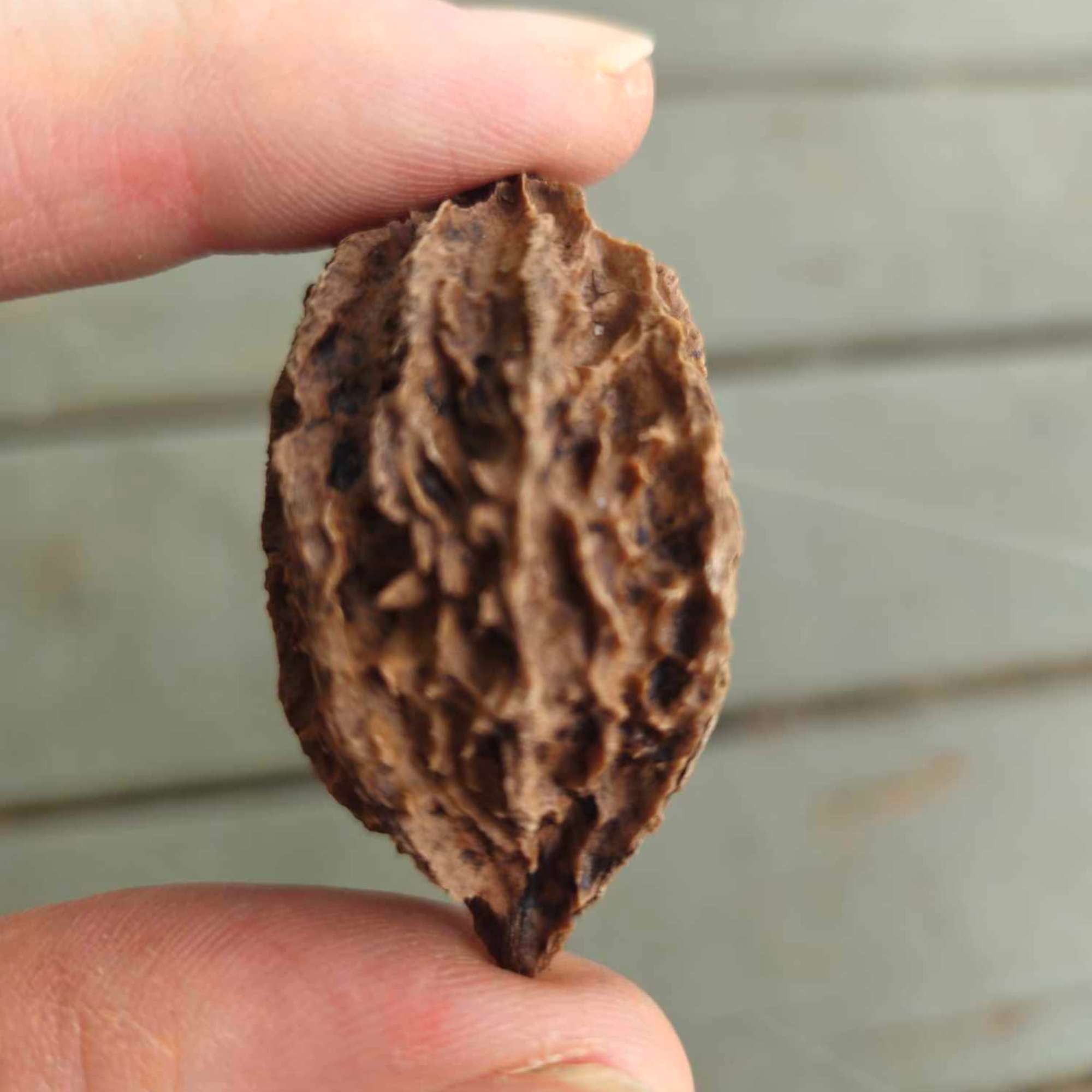
Growing Zone: 3 - 7 SIZE: A Grade (Ground-Ready): Stronger, thicker stems for instant planting. B Grade (Ground-Ready): Smaller than A grade and suitable for planting directly in the ground. HYBRID BUTTERNUT: cross pollinated with extreme butternut qualities. The butternut tree, also called white walnut was once a very familiar and pleaseant site along the country roads and woodlands in North America, but in recent years it is little to be seen. The old butternut trees would probably still be here were it not for the blight and oyster-shell scale. A native tree of New Brunswick, Canada , there are rare pockets of older trees. Classified as an endangered species by the New Brunswick Nature Trust. This means that without some form of action, they could disappear from Canada or the entire planet. The butternut, named for its rich, delicious nuts , which are produced each year and in abundance every two to three years. This species grows well in open areas and is typically found at the edge of floodplains, along streams, and on rich upland sites. With links to a Canadian viking visit. Hardy throughout most of Canada and the United States butternuts can reach a height of 90 feet at a very old age. Juglans Cinerea Scientifically known as Juglans cinerea, is a deciduous tree belonging to the walnut family (Juglandaceae). Native to eastern North America and is closely related to the black walnut and the Japanese walnut, sharing similar characteristics and growing habits. Known for its elegant appearance , usually growing around 50 to 60 feet (15 to 18 meters). With a spread of about 40 to 50 feet (12 to 15 meters). It features a broad, rounded crown and attractive compound leaves. The foliage turns a striking golden yellow in the autumn , adding a touch of warmth to the landscape. This majestic tree prefers well drained soils. It grows well along the edges of rivers and brooks and watersheds in the New Brunswick area. It thrives in full sun to partial shade. It can tolerate a range of soil types, including sandy, loamy, and clay soils. However, it tends to perform best in deep, fertile soils. With a moderate growth rate and can live for several decades, providing shade, beauty, and a bountiful harvest of nuts. Butternut Tree Nut The Butternut tree produces oblong nuts with a rough, thick husk. When split open to reveal the sweet, oily kernel inside. The nuts have a buttery rich flavor. Its sweet, oily nuts, elegant appearance, and adaptability to a variety of soil types make it a desirable tree for both ornamental and edible purposes. However, the Butternut tree faces challenges from the butternut canker disease, which has significantly impacted its population. Grow your butternut tree today to help to conserve and protect this unique and valuable species, ensuring its survival for future generations to enjoy.
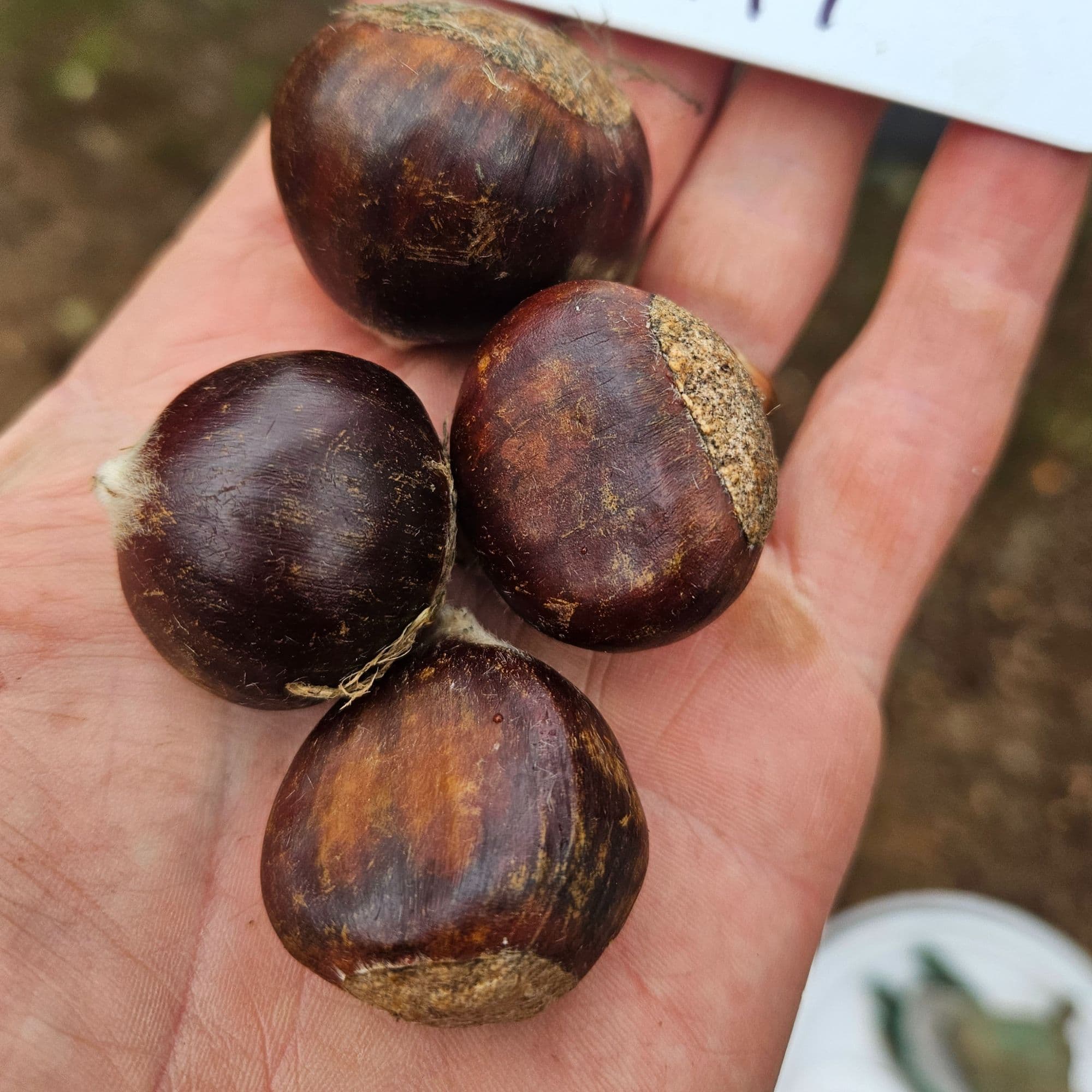
Sweet Chestnut Trees – Grow Your Own Edible Chestnuts Sizes A Grade (Ground-Ready): Stronger, thicker stems for instant planting. B Grade (Ground-Ready): Thinner stems, but still suitable for planting directly in the ground. Pot-Ready: Start in a pot or nursery bed for one season before transplanting. Tree Characteristics Hardiness Zones: 5–9 Mature Height: 40–60 feet Mature Width: 30–40 feet Growth Habit: Fast-growing, upright, and spreading, developing a broad canopy as it matures. Soil Requirements: Thrives in well-drained, slightly acidic to neutral soils ( pH 5.5 to 6.5 ). Prefers loamy or sandy soil but will tolerate clay with proper drainage. Does not like overly wet soil. Sunlight: Full sun is essential for optimal growth and nut production. Watering: Requires moderate watering, especially during dry periods. Flowering and Nut Production Flowering Time: Blooms in late spring to early summer ( June–July ), producing showy catkins that attract pollinators. Fruit Size: The spiny burrs contain 2–3 sweet chestnuts each , about 1 to 1.5 inches in diameter . Harvest Time: Nuts are ready for harvest in late fall (October) , when the burrs split open naturally and drop ripe chestnuts to the ground. Uses of Sweet Chestnut Trees Once harvested, chestnuts can be: Roasted (over an open fire, of course) Boiled Used in a variety of recipes From stuffing to chestnut flour for baking , chestnuts are high in carbohydrates and fiber, making them a nutritious addition to your diet. Planting & Care Tips Spacing: Plant chestnut trees about 30–40 feet apart to give them plenty of room to grow. Pollination: Although partially self-fertile, planting more than one tree will increase nut production through cross-pollination . Pruning: Minimal pruning is required, but occasional thinning of the canopy can help improve air circulation and sunlight penetration . With proper care, the Sweet Chestnut Tree will reward you with both beauty and bounty for many years. Perfect for growers in Zones 5–9 , this versatile tree thrives in a variety of soil types and makes an excellent addition to orchards, food forests, or large garden spaces .
 In Stock