 Ships SpringIn Stock
Black Walnut
Juglans nigra
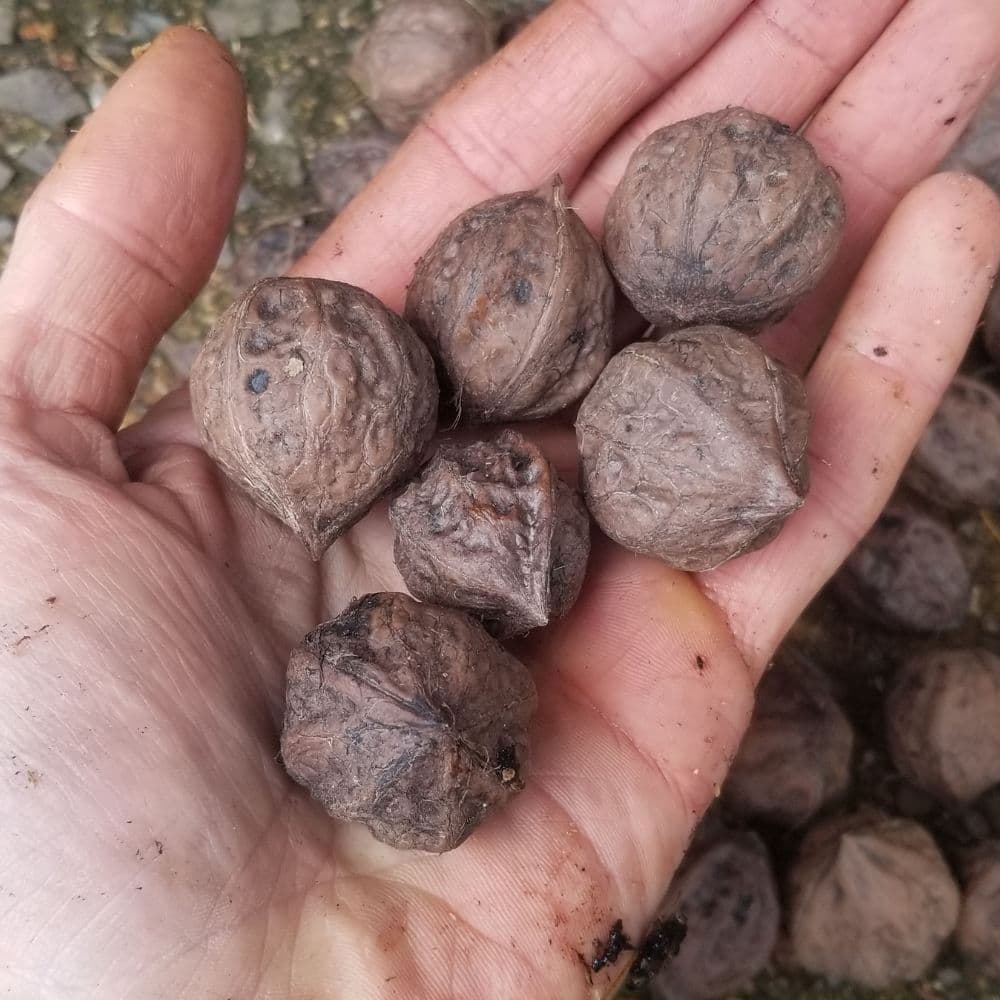
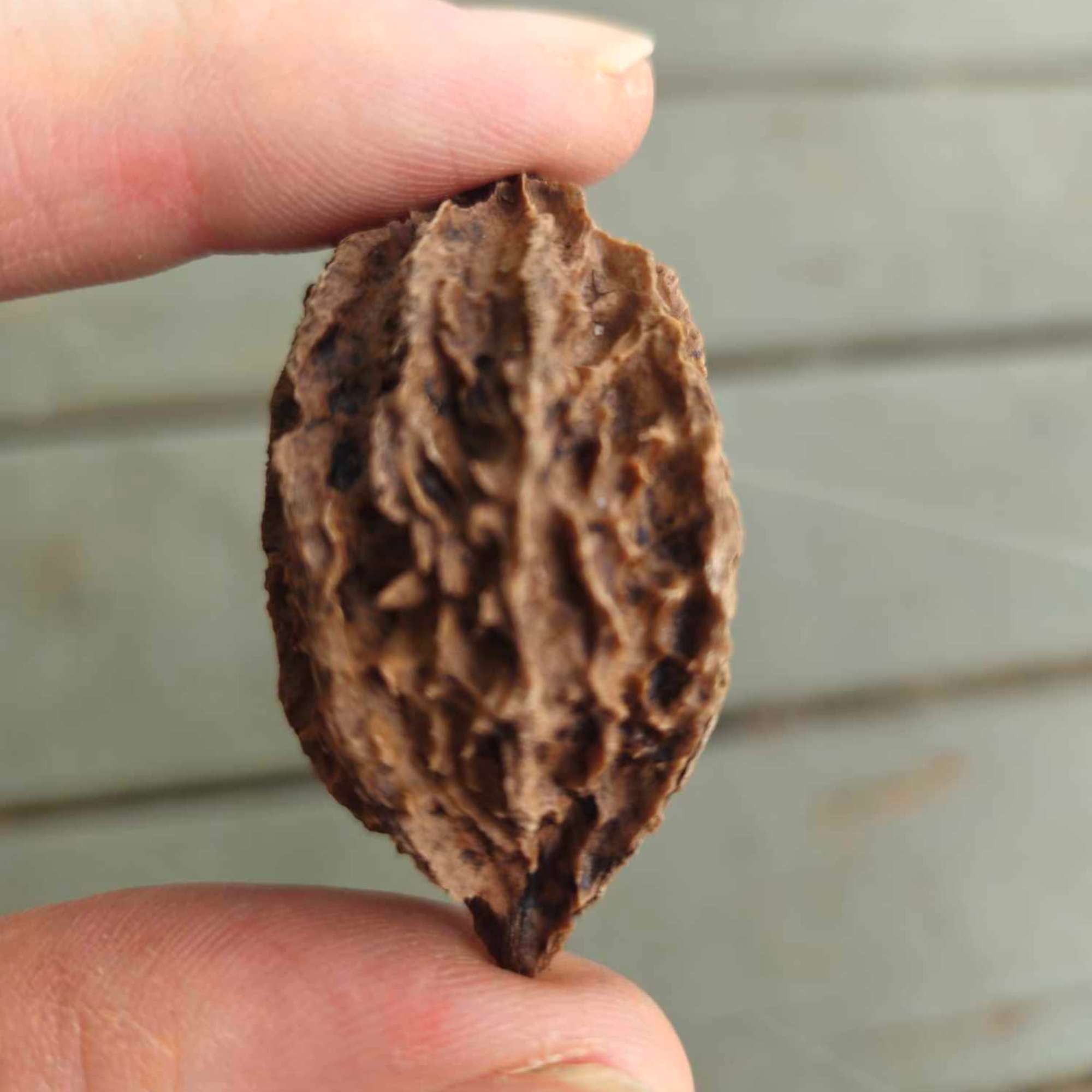
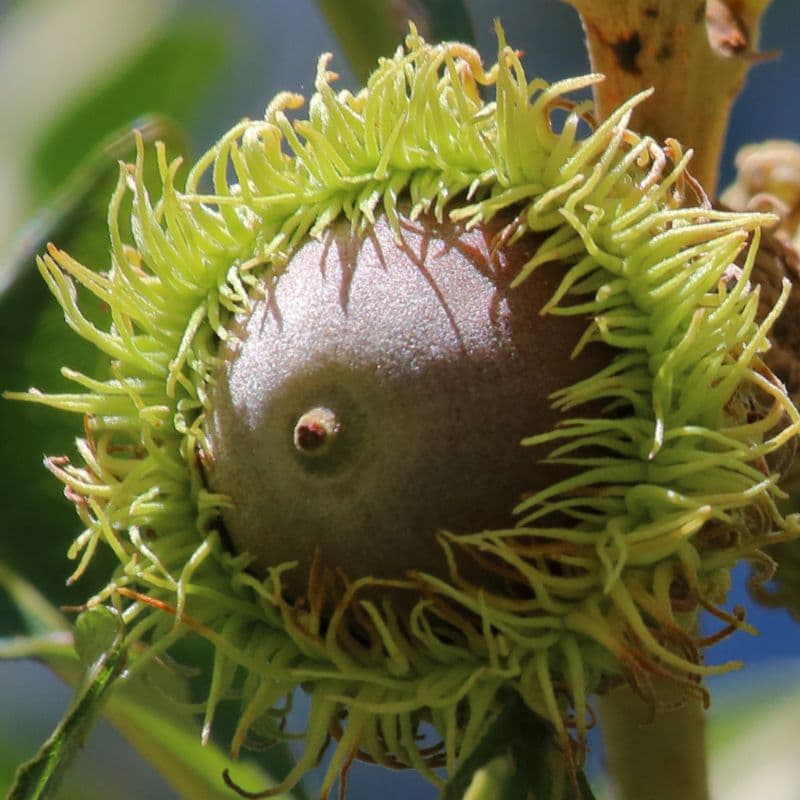
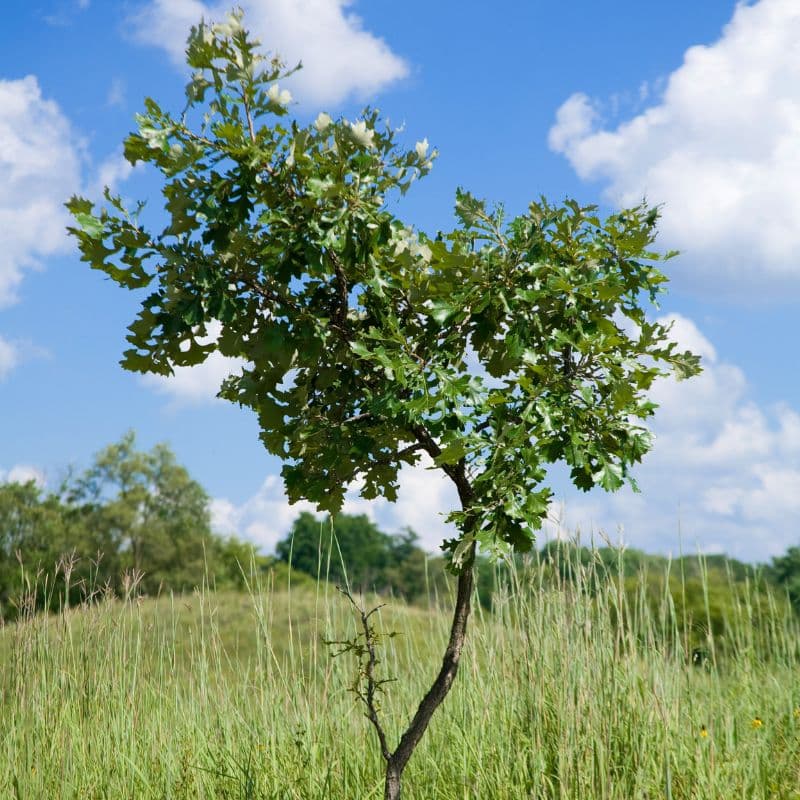
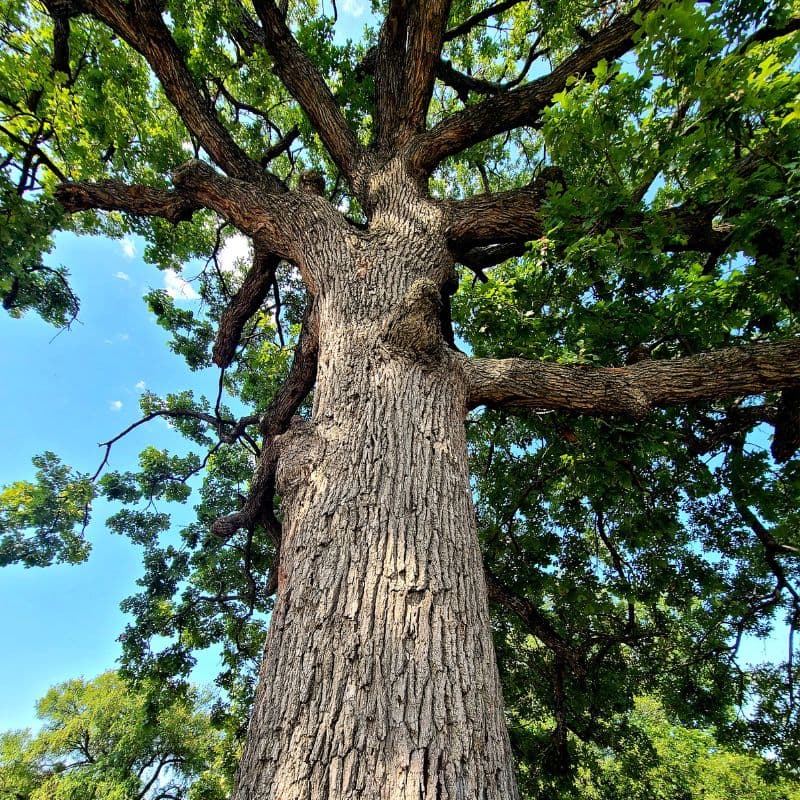
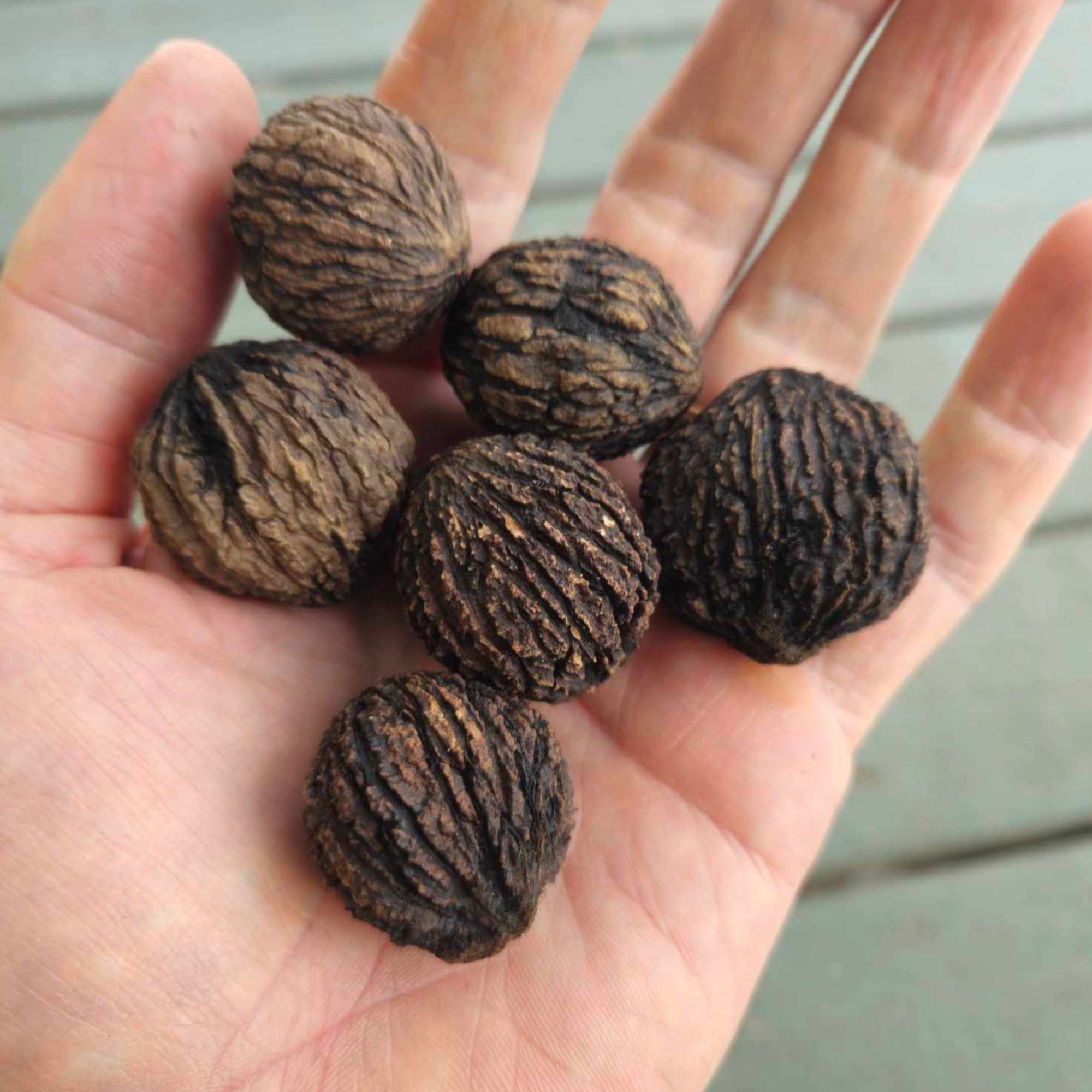
If you're looking for the ultimate food forest tree , then the Black Walnut is an essential addition. It is the powerhouse of nut trees — tall, strong, and sturdy, yet with a surprisingly tropical appearance. The long leaves sway in the wind in a way that almost resembles palm trees. It can be used as: A backdrop for your garden or landscape A tree in an orchard-style setting A striking feature tree in the front or backyard And best of all — it produces delicious edible nuts . Nut Production Edible nuts are of course the main reason many growers choose the Black Walnut tree. The tree begins producing delicious nuts at around 8 years of age . Unlike the typical walnut found in supermarkets, the Black Walnut has a unique flavour profile — smoky, bold, rich, and hearty. Once cracked from the shell, the nuts can be enjoyed: Raw In baking In cakes and cookies Harvesting Nuts Black walnuts are one of the easiest nuts to harvest . Each autumn, the nuts fall naturally from the tree to the ground, making collection simple. Just gather the green, golf-ball-sized husks and place them in a bucket or bag. Depending on growing conditions, some nuts may grow even larger. If you have multiple productive trees, selling the nuts can also become a small source of income . Timber Value Black Walnut is also highly valued for timber production . The wood is extremely sought after by furniture makers due to its: Strength Durability Beautiful dark colour Large mature Black Walnut trees have been known to sell for tens of thousands of dollars . On average: 40- 60 year-old trees grown for timber and veneer can be valued at between $1,000 - $5000 each With approximately 25 trees per acre , timber value could reach $30,000 - $125,000 per acre Allowing trees to mature for 50 years or more can significantly increase this value. Pollination For best nut production, it is recommended to plant at least two Black Walnut trees . Planting multiple trees improves pollination and helps ensure a healthy nut harvest. Mature Tree Size Black Walnut trees can grow to a mature height of approximately 80 feet . With good growing conditions and plenty of sunlight, they grow quickly and can reach 50 feet in height within a few decades . Sun or Shade? Black Walnut is naturally a forest tree . It can tolerate partial shade, but full sun will produce the best nut yields . Planting Instructions Your Black Walnut trees are shipped as bare-root seedlings approximately 1–3 feet tall . Roots are carefully wrapped and kept moist during shipping. When planting: Dig a hole about 1.5 times the size of the root system Add compost or rich soil if available Plant within 3 days of receiving the tree Spacing Black Walnut trees can be planted as close as 10 feet apart , but for orchards and timber production, spacing of around 20 feet apart is recommended. Ordering Instructions Select the quantity of Black Walnut tree seedlings Click Add to Cart Complete checkout using card, PayPal, or e-transfer Our bare-root tree sale is currently active , and quantities are limited each year. Don’t miss out — complete your Black Walnut tree order today . Sizes A Grade (Ground-Ready): Stronger, thicker stems for instant planting. B Grade (Ground-Ready): Thinner stems, but still suitable for planting directly in the ground.
- Zone 4–9
- 75 ft
- Full Sun