 In Stock
American Persimmon
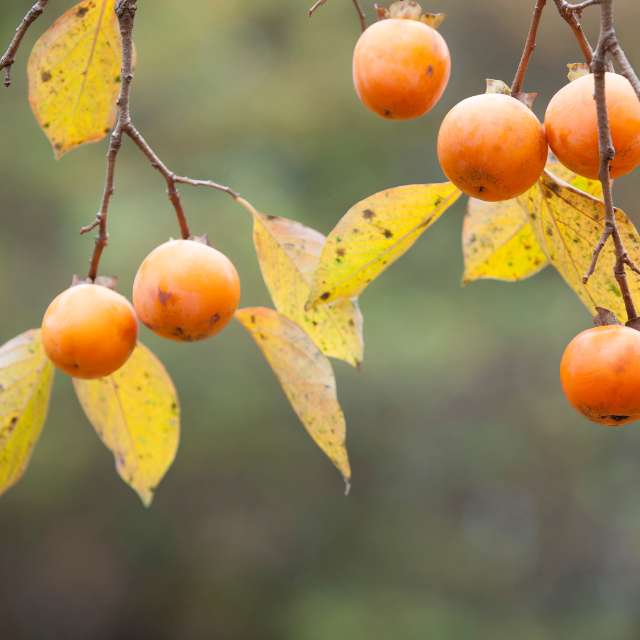
American Persimmon (Diospyros virginiana) A Grade (Ground-Ready): Stronger, thicker stems for instant planting. B Grade (Ground-Ready): Smaller than A grade and suitable for planting directly in the ground. Pot-Ready: Start in a pot or nursery bed for one season before transplanting. Key Features American persimmon produces rich, sweet, caramel-flavoured fruit that becomes soft and delicious after the first frost. Exceptionally cold-hardy and resilient , thriving in regions far too cold for Asian persimmons. Fragrant spring flowers attract pollinators, followed by glowing orange fruit that ripens in late fall. Known for its strong, durable wood and beautiful natural form, making it both a fruit tree and an ornamental. Excellent for fresh eating (when fully ripe), baking, preserves, and traditional homestead recipes. Growth & Planting USDA Planting Zone: 4–9 (very hardy in the northern U.S. and Canada) Sunlight: Full sun for best fruiting; tolerates part shade. Soil: Adaptable to clay, loam, and sandy soils; prefers well-drained ground. pH Range: 6.0–7.5 Spacing: 20–30 ft for full-size trees. Mature Size: 30–50 ft tall, 20–30 ft wide. Pollination: Many seedlings require a male and female tree for fruiting; some seedlings may be self-fruitful, but not guaranteed. Why Grow American Persimmon? One of the hardiest fruit trees for cold climates, thriving where many fruit species struggle. Low-maintenance, long-lived , and extremely tolerant of drought, poor soil, and tough conditions. Produces flavourful, unique fruit with a taste unlike anything else—perfect for homesteads, food forests, and regenerative plantings. Do I need two trees? Yes — we strongly recommend buying two persimmon seedlings . American persimmons are usually male or female , and seedlings don’t reveal their sex until they’re older. Planting two increases your chances of getting both a male and a female , which means proper pollination and a full crop of fruit . One tree may grow well, but without a pollinating partner, it may not produce persimmons. Appearance: The tree's oval-rounded leaves, measuring 10-15cm, initially emerge as a deep, glossy green when young. As the seasons transition to autumn, this tree dons its finest attire by producing orange-yellow fruits, typically round to oval in shape and measuring 3-5cm in diameter. These fruits are nature's treasures, sweetest after experiencing a touch of chilly weather. Cultivation: American Persimmons thrive in warm, sunny climates, making them an ideal choice for gardens in southern Ontario, British Columbia, Nova Scotia, New Brunswick in Canada. And of course the United States. While they appreciate the sun's warmth, they do not tolerate extreme cold, ensuring their adaptability in a variety of settings. Unique Traits: One of the most captivating features of the American Persimmon is its dioecious nature, which means that individual trees can be male or female. However, the majority of cultivars are self-fertile, producing an abundance of fruit without the need for a male companion. These fruits are a real treat, known for their sweetness and unique flavor profile. They start out astringent when firm but soften as they ripen. Cold-Hardy and Remarkable Storage: What sets the American Persimmon apart is its ability to endure freezing temperatures. Even as winter's chill sets in, these fruits remain edible, standing strong on the tree until December. When they transition to a delightful shade of orange, they're ready to be picked. For those who can't wait, simply place them in a paper bag with apples to expedite the ripening process. Alternatively, you can freeze them overnight for a delectable frozen treat, perfect for enjoying the next day. Why Choose the American Persimmon? Aside from its stunning visual appeal, the American Persimmon is a perfect choice for those seeking a unique addition to their orchard. Its adaptability to various climates, self-fertility, and the exceptional taste of its fruits make it a top contender for both seasoned gardeners and newcomers alike. Plus, its cultural and historical significance adds a layer of depth to your garden's story. Order Yours Today: Experience the charm of the American Persimmon in your own garden. Place your order today at our online nursery. We're dedicated to providing you with healthy, vibrant trees that will thrive and bear delicious fruits for years to come. Transform your landscape with the allure of the American Persimmon – a sweet delight waiting to grace your orchard.