Black Chokeberry (Aronia)
Aronia melanocarpa
A superfood berry on a bulletproof native shrub — glossy fruit, fiery fall colour, zero fuss.
- Zone 3–8
- 6 ft
- Full Sun
CA$22.99from
View PlantNova Scotia grownShipped across CanadaSeasonal bare-root shipping
The Discovery Garden
Cold-hardy trees, berries, and native plants — every one grown for Canadian winters and matched to your zone.
Plant type
My hardiness zone
Sunlight
Aronia melanocarpa
A superfood berry on a bulletproof native shrub — glossy fruit, fiery fall colour, zero fuss.
 Ships SpringIn Stock
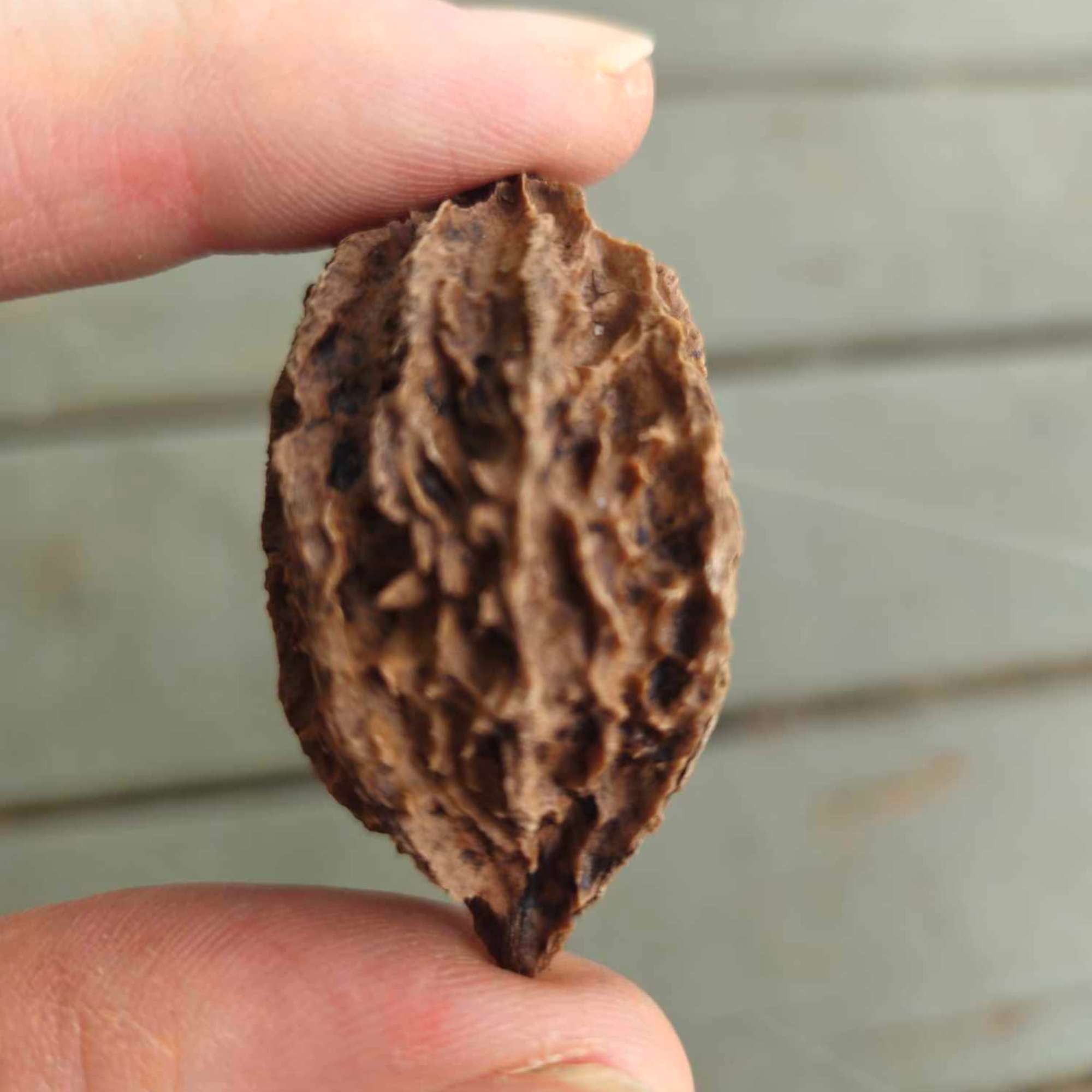
Juglans cinerea
Growing Zone: 3 - 7 SIZE: A Grade (Ground-Ready): Stronger, thicker stems for instant planting. B Grade (Ground-Ready): Smaller than A grade and suitable for planting directly in the ground. HYBRID BUTTERNUT: cross pollinated with extreme butternut qualities. The butternut tree, also called white walnut was once a very familiar and pleaseant site along the country roads and woodlands in North America, but in recent years it is little to be seen. The old butternut trees would probably still be here were it not for the blight and oyster-shell scale. A native tree of New Brunswick, Canada , there are rare pockets of older trees. Classified as an endangered species by the New Brunswick Nature Trust. This means that without some form of action, they could disappear from Canada or the entire planet. The butternut, named for its rich, delicious nuts , which are produced each year and in abundance every two to three years. This species grows well in open areas and is typically found at the edge of floodplains, along streams, and on rich upland sites. With links to a Canadian viking visit. Hardy throughout most of Canada and the United States butternuts can reach a height of 90 feet at a very old age. Juglans Cinerea Scientifically known as Juglans cinerea, is a deciduous tree belonging to the walnut family (Juglandaceae). Native to eastern North America and is closely related to the black walnut and the Japanese walnut, sharing similar characteristics and growing habits. Known for its elegant appearance , usually growing around 50 to 60 feet (15 to 18 meters). With a spread of about 40 to 50 feet (12 to 15 meters). It features a broad, rounded crown and attractive compound leaves. The foliage turns a striking golden yellow in the autumn , adding a touch of warmth to the landscape. This majestic tree prefers well drained soils. It grows well along the edges of rivers and brooks and watersheds in the New Brunswick area. It thrives in full sun to partial shade. It can tolerate a range of soil types, including sandy, loamy, and clay soils. However, it tends to perform best in deep, fertile soils. With a moderate growth rate and can live for several decades, providing shade, beauty, and a bountiful harvest of nuts. Butternut Tree Nut The Butternut tree produces oblong nuts with a rough, thick husk. When split open to reveal the sweet, oily kernel inside. The nuts have a buttery rich flavor. Its sweet, oily nuts, elegant appearance, and adaptability to a variety of soil types make it a desirable tree for both ornamental and edible purposes. However, the Butternut tree faces challenges from the butternut canker disease, which has significantly impacted its population. Grow your butternut tree today to help to conserve and protect this unique and valuable species, ensuring its survival for future generations to enjoy.
Lonicera caerulea
The earliest fruit of the season — tart-sweet berries on an ultra-hardy shrub. Plant two varieties.
 Ships SpringIn Stock
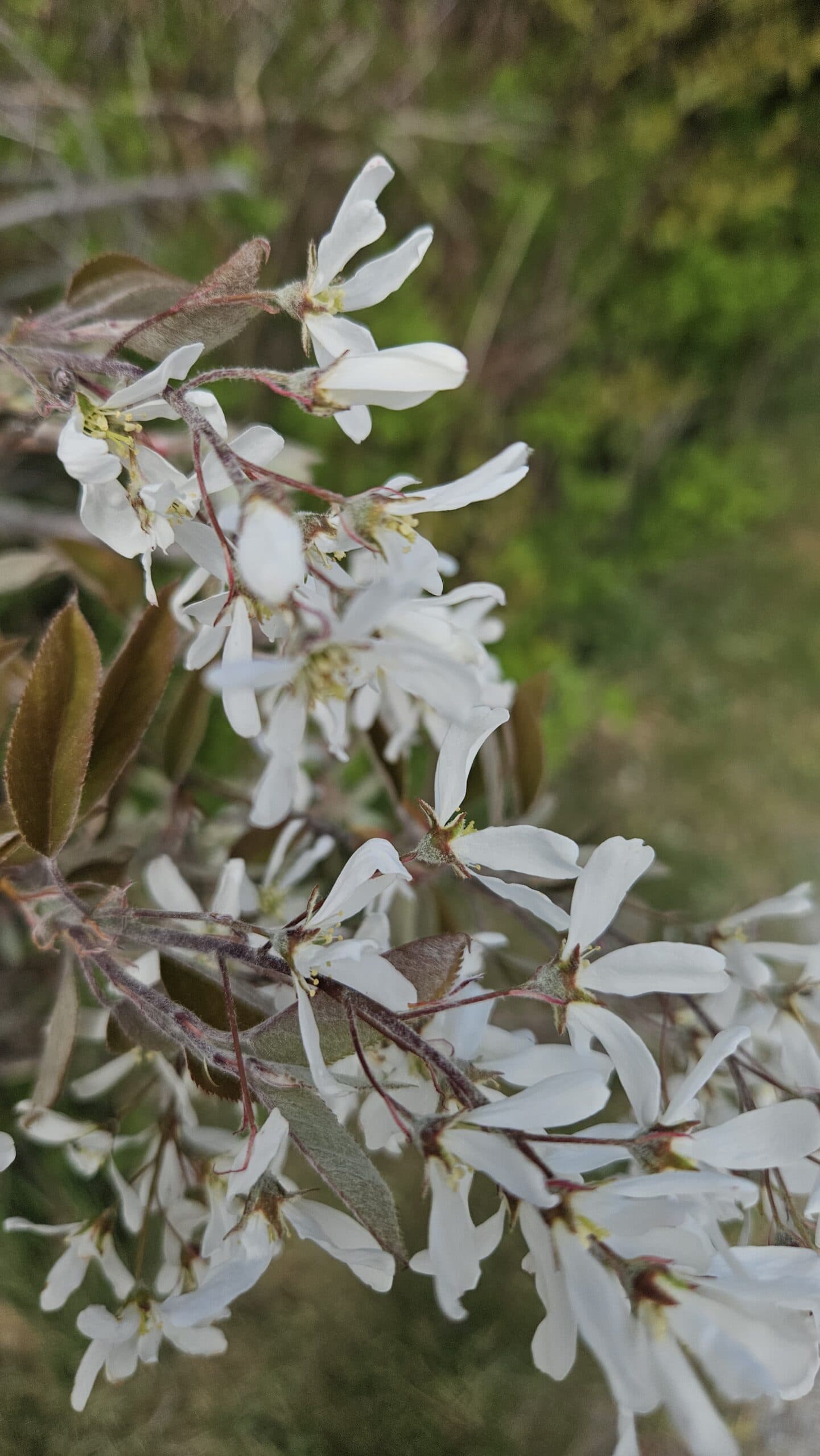
Amelanchier alnifolia
The Serviceberry: Canada's Four-Season Tree (Juneberry / Saskatoon) The Serviceberry ( Amelanchier spp. ), also affectionately known as Juneberry or Saskatoon Berry in the West, is arguably the most valuable multi-purpose native tree for the Canadian landscape. Whether you need a small, elegant shade tree, an edible fruit producer for your homestead, or simply a plant that delivers year-round aesthetic brilliance, the Serviceberry is the definitive choice. We offer species and cultivars renowned for their superior flavour and cold hardiness, ensuring success from Nova Scotia to the Prairies. A True Four-Season Ornamental Spring Spectacle: Serviceberry is one of the first trees to bloom in spring, often before the leaves emerge, covering the branches in a cloud of delicate, slightly fragrant white flowers. Summer Harvest: The flowers give way to clusters of small, sweet, purple-blue berries—similar in appearance to blueberries but often with a richer, nutty, almost almond-like flavour. Autumn Fire: The foliage transforms into brilliant shades of orange, red, and golden yellow, rivaling any non-native species for fall colour. Winter Elegance: Once bare, the smooth, ash-grey bark stands out against the snow, often exhibiting beautiful vertical reddish fissures for textural interest. Growing Your Own Saskatoon Superfruit Our Serviceberry trees are selected for their flavour and productivity. The ripe berries are a delight straight off the branch but are also perfect for jams, pies, cobblers, and preserves . Pro Tip: Saskatoon berries are a high-value crop commercially cultivated in Western Canada. To beat the birds (which love them!), consider netting your tree as the fruit begins to ripen in late June/early July, and pick the berries when they are dark purple-blue, not red. Specifications & Planting Success Specification Details Common Names Serviceberry, Juneberry, Saskatoon, Shadbush Scientific Name Amelanchier spp. (Often A. canadensis or the hardy fruiting A. alnifolia .) Canadian Hardiness Zone 2–9 (Varies by species; we focus on Zone 2/3 tolerant stock) Mature Size 4–8m (12–25 ft) tall, depending on if grown as a shrub or single-stem tree. Light Requirements Full Sun to Partial Shade (Full sun yields the best flower and berry production). Soil Tolerance Tolerates most soils, including clay and alkaline. Prefers moist, well-drained loam. Native Status Native to nearly all of Canada, making it an ecological powerhouse. FAQs Q: Are Serviceberry berries truly edible, and what do they taste like? A: Yes, they are completely edible and delicious! They are often described as tasting like a mix between a blueberry, a cherry, and an apple, with a distinct sweet, nutty finish. They are a favourite of many Indigenous communities and commercial fruit growers. Q: Does Serviceberry require a pollinator plant? A: Most Serviceberry species, including the popular A. alnifolia (Saskatoon), are generally self-fertile and can produce fruit from a single tree. Planting multiple specimens, however, can lead to a slightly larger crop. Q: How fast does Serviceberry grow? A: Serviceberry has a moderate growth rate, typically adding 30–60 cm (1–2 ft) per year. It quickly establishes its multi-season features, often blooming and fruiting within 2-3 years of planting.
 Ships SpringIn Stock
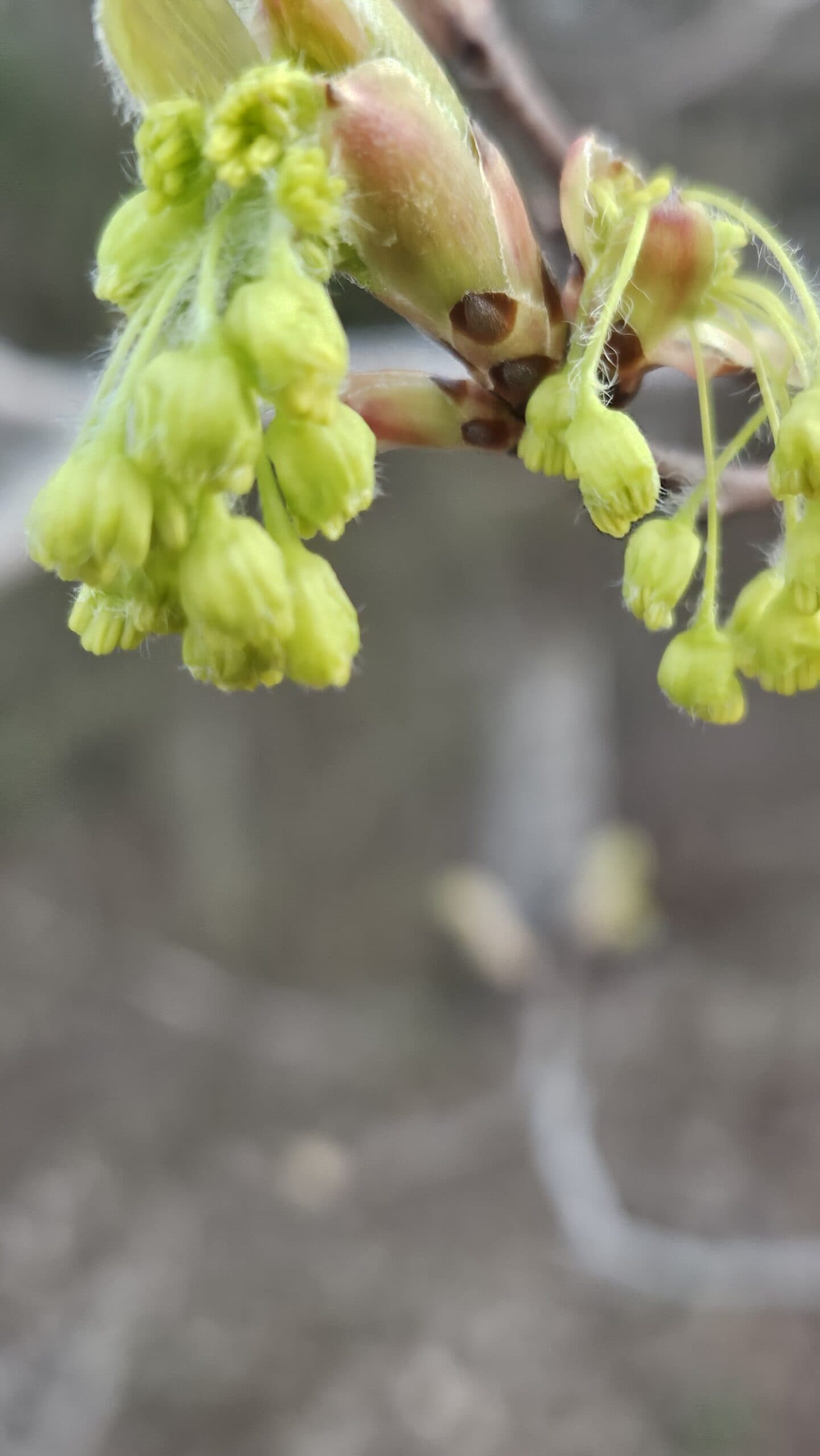
Acer saccharum
The sugar maple tree for sale at Little Tree Farm is a top choice for Canadian gardeners seeking a reliable shade tree and syrup producer. Acer saccharum is hardy in Zones 3–8 , establishes well in well-drained soils, and delivers stunning fall colour plus years of sweet sap. About this sugar maple (Acer saccharum) The sugar maple is a North American native prized for its dense shade, brilliant autumn colour, and sap used for maple syrup. Our stock is grown for health and vigor — available as pot-grown saplings for smaller landscapes and field-grown / balled-and-burlapped options for immediate planting. Hardiness & growing zones Hardy to Zones 3–8 . Suitable across much of Canada, from cooler inland regions to milder southern zones. Check your local hardiness zone to confirm best performance. Sizes & formats available Saplings (pot-ready) — ideal for container planting and patios. Field-grown / root-balled (ground-ready) — larger plants for immediate landscape impact. (Offer both size/format options as separate variations if you want.) Soil & site recommendations Prefers well-drained loam with regular moisture; tolerates clay if drainage is adequate. Full sun to light shade. Give young trees a sheltered spot from extreme winds while they establish. Planting & care Plant at the same depth as in the pot or root ball. Water deeply for the first 2–3 seasons, mulch to retain moisture, and avoid deep fertilizing in year one. Prune only dead or crossing branches in late winter. Uses & benefits Shade & street tree Backyard and orchard specimen Maple syrup production (sap producer) Long-term landscape and food-forest component Common questions Q: What zones are sugar maples hardy to? A: Sugar maples (Acer saccharum) are hardy to Zones 3–8 in Canada. Q: Can I plant a sugar maple in a pot? A: Yes — small saplings are suitable for pots for a few seasons; for long-term growth, plant in the ground once it's established. Q: When is the best time to plant a sugar maple? A: Early spring or fall are ideal — cooler temperatures help roots establish before summer heat or deep winter. Why buy from Little Tree Farm Nursery-grown with attention to root health and acclimatization for Canadian climates. We package and ship carefully across Canada; local pickup available at our farm. All plants are inspected for vigor and pests before dispatch. Shipping, sizing & guarantees See product options for size specifics. Ground-ready trees will have a planting/root care guide. We recommend ordering in fall or early spring for best transplant success. Contact us if you need custom shipping or larger sizes.
Zone-matched plants
Every plant shows the zones where it thrives.
Grown in Nova Scotia
Raised for Canadian winters, shipped across Canada.
Not sure what fits?
Tell us your land and goals — we'll match you.
Every tree, shrub, and berry in our nursery is grown in Nova Scotia and selected for real Canadian conditions — short summers, cold winters, and everything in between. Whether you're planting a nut orchard, a berry patch, or restoring habitat with native plants, start with your hardiness zone and plant with confidence.