Nova Scotia grown

Collection

Native Plants

1 plant

Restore beauty, habitat, and resilience with plants that belong.

Filters1

My hardiness zone

Zone 22Zone 32Zone 42Zone 52Zone 62Zone 72Zone 80

Pick your zone — we'll show only plants that thrive there.

Sunlight

Care level
Growth rate
Soil moisture
Mature height
Nature & wildlife
Harvest & readiness
Good to know
✕ Clear all filters (1)
  • Red Osier DogwoodShips SpringIn Stock

    Red Osier Dogwood

    Cornus sericea

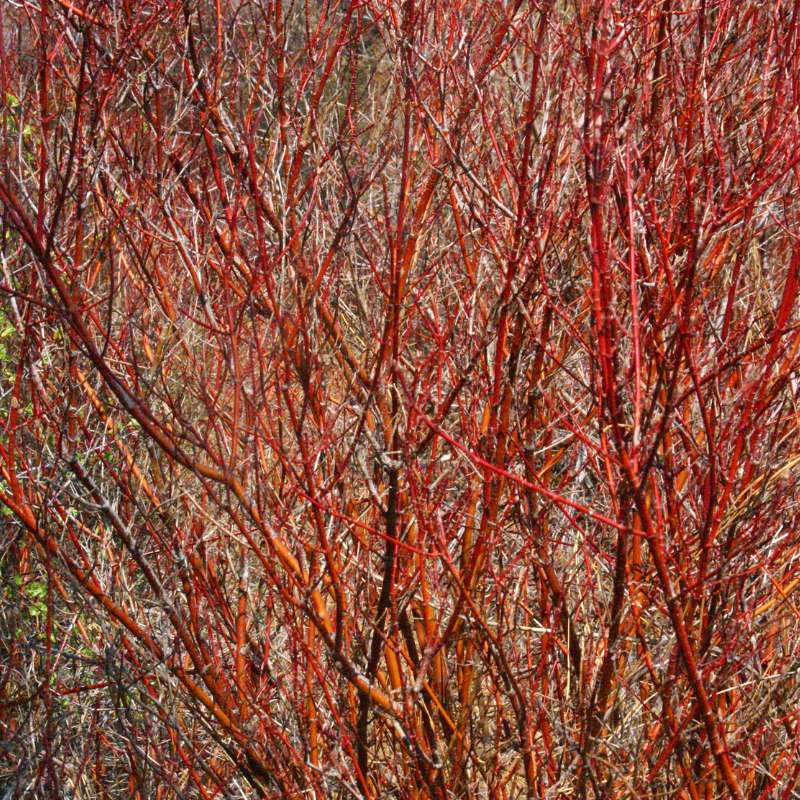
    Red Osier Dogwood: A Striking Landscape Choice Enhance your outdoor space with the beauty and versatility of Red Osier Dogwood. Discover why this native shrub is a favorite among gardeners: Hardiness Zone Also known as Red Twig Dogwwod it thrives in a wide range of Hardiness Zones, from Zone 2 to Zone 7. It's well-suited for various climates and regions. Ideal Soil Type Plant this Dogwood in moist to wet soils, making it perfect for rain gardens and areas with poor drainage. This hardy shrub adapts to a variety of soil types. Fruit Size While Red Osier Dogwood produces small, berry-like fruit, it's primarily grown for its striking red stems and vibrant foliage rather than its fruit. Plant Size Red Osier Dogwood typically reaches a height of 5 to 9 feet, with a similar spread. Its upright, arching branches create an attractive, multi-stemmed form that adds visual interest to your landscape. Flowering Time This shrub blooms in late spring to early summer, displaying clusters of small, creamy-white flowers. These flowers give way to clusters of small, white fruit that provide food for local wildlife. Growth Habits Known for its vigorous growth, this Dogwood is a deciduous shrub with brilliant red stems in winter. It's often used for erosion control along streambanks and as an ornamental hedge or border plant. What to Do with the Fruit While the fruit of is not typically harvested for human consumption, it serves as a valuable food source for birds and other wildlife. Consider planting it to support local ecosystems and attract wildlife to your garden. When It's Ripe The small, white fruit of Red Osier Dogwood ripens in late summer to early fall, providing a seasonal feast for birds and other wildlife in your area. Additional Requirements - Sunlight: This shrub tolerates both full sun and partial shade, making it versatile in various garden settings. - Pruning: While not typically required, occasional pruning can help maintain its shape and encourage vibrant new growth. - Watering: Keep the soil consistently moist, especially during the establishment phase, to ensure healthy growth. Why Choose Our Red Osier Dogwood - Native Beauty: Enjoy the natural charm and year-round appeal of this native shrub. - Wildlife Attraction: Support local ecosystems by providing a food source for birds and wildlife. - Landscape Versatility: Use it as a striking border plant, hedge, or erosion control solution. - Low Maintenance: Red Twig Dogwood thrives with minimal care, making it an excellent choice for busy gardeners. Elevate your landscape with the captivating beauty and ecological value of Red Osier Dogwood. Order now and transform your outdoor space with this versatile native shrub.

    • Zone 2–7
    • 8 ft
    • Part Shade
    CA$18.99from
    View Plant

Growing Guide

Why grow native plants?

Native plants are the ones this land already knows how to grow — no pampering, no watering schedule, no guilt. Plant them for the birds, the pollinators, the wet ditch nothing else survives, and the quiet satisfaction of putting things back.

  • Adapted, not acclimatized

    Thousands of years of local winters — these establish fast and stay put without fuss.

  • Habitat, instantly

    Native shrubs host the insects that feed the birds — the food web starts here.

  • Problem-site specialists

    Wet soil, erosion, poor ground: there's a native plant whose whole job is exactly that.

  • Low input by design

    Once established, most natives need nothing from you but admiration.

Solve wet ground the native way

Red osier dogwood, elderberry, and buttonbush thrive where lawns drown — streambanks, ditches, spring-soggy corners. Their roots hold soil while everything else feeds the birds.

Natives for wet soil

Plant a bird buffet

Serviceberry in June, elderberry in August, viburnum into winter — sequence native fruiting shrubs and the feeder refills itself from July to February.

Natives the birds love

Restoration in rows

For hedgerows, field edges, and riparian strips, plant natives at 1–2 m spacing and let them knit. Mixed rows beat monocultures — more bloom times, more habitat, more resilience.

Fast-establishing natives

Native Plants questions, answered

Why choose native over ornamental?

Natives support dramatically more insect and bird life, establish without irrigation once settled, and can't become the next invasive problem. Ornamentals decorate; natives participate.

Are native plants low-maintenance?

After the first season or two of establishment watering, most need essentially nothing — that's what ten thousand years of local adaptation buys.

What should I plant for pollinators?

Aim for a bloom relay: early willows and serviceberry, summer elderberry and dogwood, late natives for the stragglers. The pollinator filter shows what carries each shift.

Which natives handle erosion?

Red osier dogwood and willows are the classic bank-holders — fast roots, tolerant of flooding, easy to establish from our stock.

Is 'native' the same everywhere in Canada?

No — a species native to southern Ontario may be a newcomer in Nova Scotia. Each plant page lists native status honestly; when it matters for your project, check your provincial guidance too.

  • Zone-matched plants

    Every plant shows the zones where it thrives.

  • Grown in Nova Scotia

    Raised for Canadian winters, shipped across Canada.

  • Not sure what fits?

    Tell us your land and goals — we'll match you.

Need help choosing?Talk to a Plant Expert