Nova Scotia grown

Collection

Wood Lot & Legacy

1 plant

Plant shade, timber, wildlife, and value into your land.

Filters1

My hardiness zone

Zone 20Zone 31Zone 41Zone 51Zone 61Zone 71Zone 81

Pick your zone — we'll show only plants that thrive there.

Sunlight

Care level
Growth rate
Soil moisture
Mature height
Nature & wildlife
Harvest & readiness
Good to know
✕ Clear all filters (1)
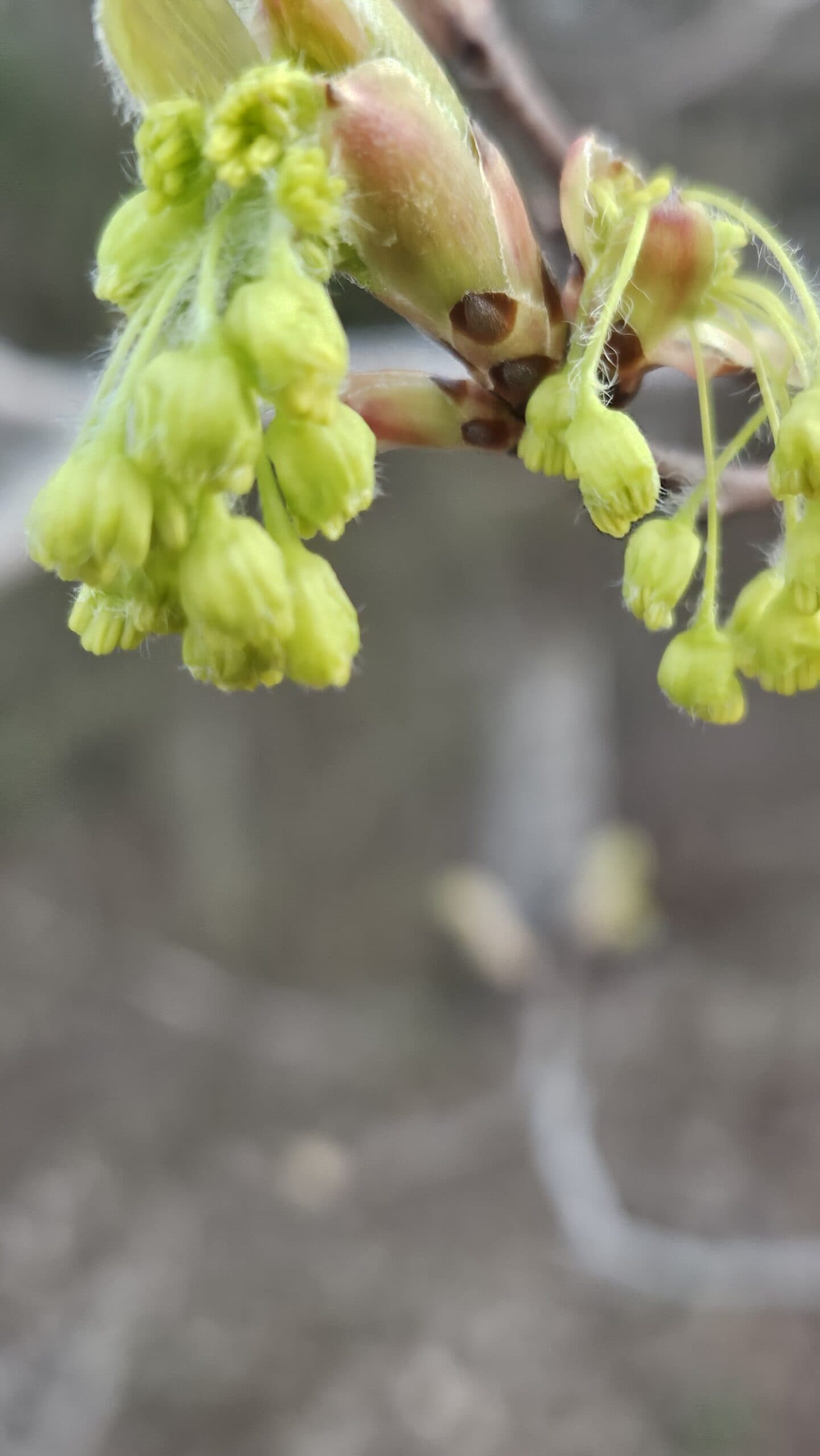
  • Sugar MapleShips SpringIn Stock

    Sugar Maple

    Acer saccharum

    The sugar maple tree for sale at Little Tree Farm is a top choice for Canadian gardeners seeking a reliable shade tree and syrup producer. Acer saccharum is hardy in Zones 3–8 , establishes well in well-drained soils, and delivers stunning fall colour plus years of sweet sap. About this sugar maple (Acer saccharum) The sugar maple is a North American native prized for its dense shade, brilliant autumn colour, and sap used for maple syrup. Our stock is grown for health and vigor — available as pot-grown saplings for smaller landscapes and field-grown / balled-and-burlapped options for immediate planting. Hardiness & growing zones Hardy to Zones 3–8 . Suitable across much of Canada, from cooler inland regions to milder southern zones. Check your local hardiness zone to confirm best performance. Sizes & formats available Saplings (pot-ready) — ideal for container planting and patios. Field-grown / root-balled (ground-ready) — larger plants for immediate landscape impact. (Offer both size/format options as separate variations if you want.) Soil & site recommendations Prefers well-drained loam with regular moisture; tolerates clay if drainage is adequate. Full sun to light shade. Give young trees a sheltered spot from extreme winds while they establish. Planting & care Plant at the same depth as in the pot or root ball. Water deeply for the first 2–3 seasons, mulch to retain moisture, and avoid deep fertilizing in year one. Prune only dead or crossing branches in late winter. Uses & benefits Shade & street tree Backyard and orchard specimen Maple syrup production (sap producer) Long-term landscape and food-forest component Common questions Q: What zones are sugar maples hardy to? A: Sugar maples (Acer saccharum) are hardy to Zones 3–8 in Canada. Q: Can I plant a sugar maple in a pot? A: Yes — small saplings are suitable for pots for a few seasons; for long-term growth, plant in the ground once it's established. Q: When is the best time to plant a sugar maple? A: Early spring or fall are ideal — cooler temperatures help roots establish before summer heat or deep winter. Why buy from Little Tree Farm Nursery-grown with attention to root health and acclimatization for Canadian climates. We package and ship carefully across Canada; local pickup available at our farm. All plants are inspected for vigor and pests before dispatch. Shipping, sizing & guarantees See product options for size specifics. Ground-ready trees will have a planting/root care guide. We recommend ordering in fall or early spring for best transplant success. Contact us if you need custom shipping or larger sizes.

    • Zone 3–8
    • 70 ft
    • Full Sun
    CA$15.00from
    View Plant

Growing Guide

Why grow wood lot & legacy?

Some trees are planted for the planter; these are planted for whoever comes next. Sugar maple, red oak, black walnut — the slow hardwoods that become shade, syrup, sawlogs, and the reason a piece of land stays in the family.

  • Appreciating assets

    A well-sited hardwood adds value every year for a century — few investments compound like standing timber.

  • Work while they grow

    Maples tap for syrup, oaks feed wildlife, walnuts drop crops — a woodlot earns its keep long before harvest.

  • A habitat engine

    Mature hardwood canopy is the most life-dense structure a property can grow.

  • The legacy move

    Trees planted at a child's birth are middle-aged at their retirement. That's the point.

Design the woodlot before you dig

Space hardwoods 3–5 m apart for straight timber form (they race each other upward), or 8–12 m for open-grown shade and crop trees. Decide which future you're planting — the spacing is the decision.

The tallest trees we grow

Windbreaks pay rent forever

A two-row shelterbelt — conifer-dense on the wind side, hardwood behind — cuts heating costs, shelters livestock and gardens, and catches snow where you want it.

Fast-growing choices

Plant in waves, not all at once

Fifty trees planted over five springs beats two hundred planted in one exhausted weekend. Bare-root woodlot stock is economical enough to plant in patient annual rounds.

Zone 3–hardy legacy trees

Wood Lot & Legacy questions, answered

How fast do hardwoods actually grow?

Honest numbers: red oak and black walnut put on 30–60 cm a year when happy; sugar maple is slower and worth it. 'Fast' in hardwoods means decades, not seasons — that's why the value holds.

How many trees for a small woodlot?

A quarter-acre grove is 25–60 trees at timber spacing. Start with 10–20 each spring and you'll have a real woodlot inside five years without breaking your back.

When can I tap a maple?

Sugar maples are generally tappable around 25 cm trunk diameter — roughly 25–40 years old. Plant them now; your successors will thank you every March.

Bare-root or potted for woodlot planting?

Bare-root, almost always — cheaper per tree, lighter to handle by the dozen, and dormant stock establishes beautifully. It's how reforestation is done.

Do legacy trees need care?

Water in year one, guard the bark from rodents and deer while young, and prune for a single straight leader early. After that, the tree mostly just needs time.

  • Zone-matched plants

    Every plant shows the zones where it thrives.

  • Grown in Nova Scotia

    Raised for Canadian winters, shipped across Canada.

  • Not sure what fits?

    Tell us your land and goals — we'll match you.

Need help choosing?Talk to a Plant Expert