Nova Scotia grownShipped across CanadaSeasonal bare-root shipping
Land Stewardship · Canada
Give your land a lasting purpose.
If you own rural land, woodland, or inherited property you no longer want, its next chapter does not have to be an afterthought. Explore responsible transfer, restoration, and long-term stewardship options with Little Tree Farm.
An early conversation creates no obligation. Every property and every possible arrangement is reviewed individually.
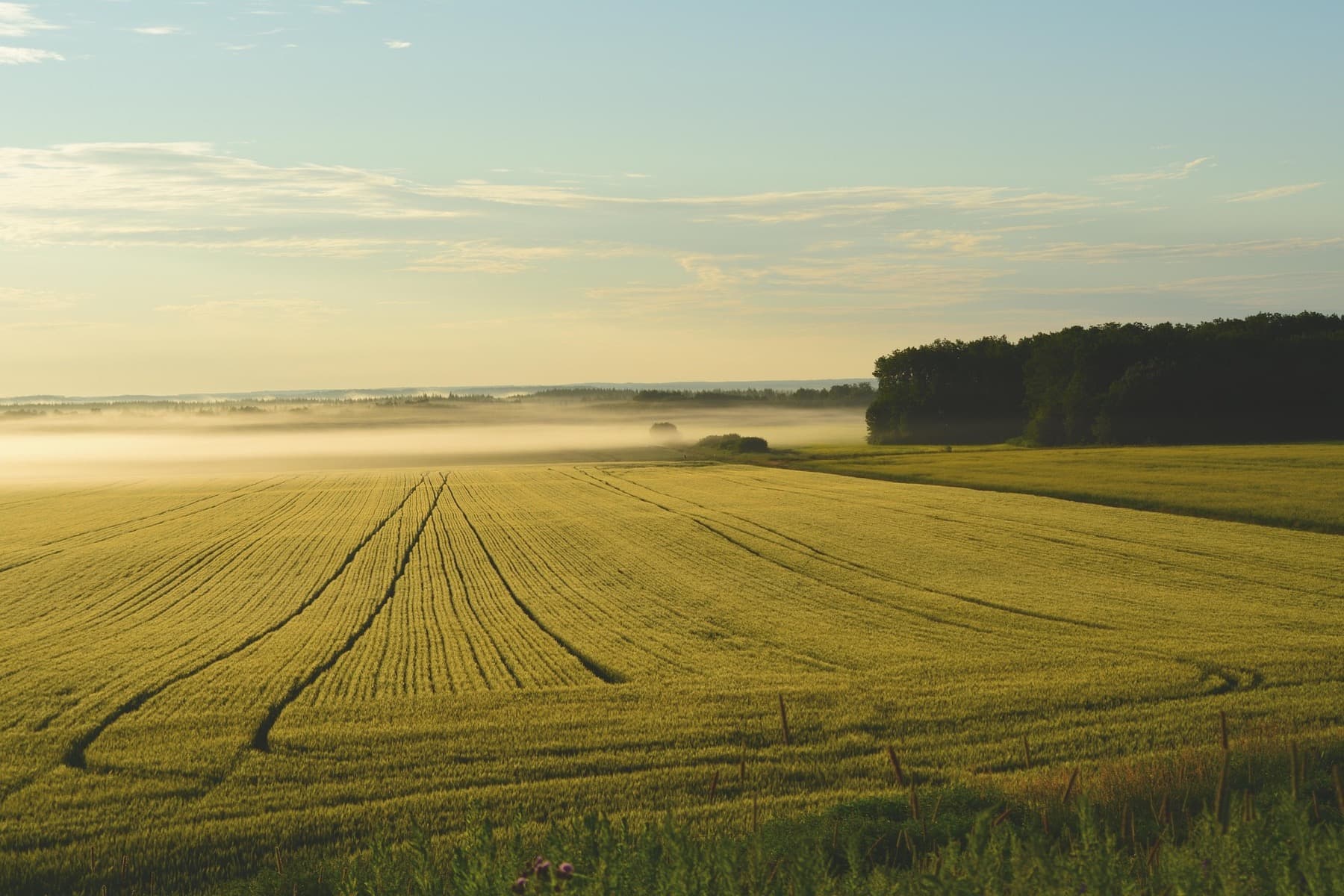
A living boundary
A parcel is more than acreage. It is habitat, memory, responsibility, and possibility held in one place.
- 01
Listen firstBegin with the future you hope for.
- 02
Review honestlyNot every property or path will fit.
- 03
Formalize carefullyIndependent advice comes before transfer.
Begin where you are
Which decision are you actually facing?
You do not need a finished plan. Start with the situation that feels closest to yours and identify the next useful question.
- 01
I no longer want the land
Cost, distance, health, or a change in life can turn meaningful property into a responsibility you no longer want. That does not make you a poor steward.
A useful first move: Separate the need to stop owning it from the question of who should own it next.
- 02
My family does not want it
Children may live elsewhere, have different priorities, or simply not want the work. Honest succession planning is kinder than leaving an unwanted responsibility unresolved.
A useful first move: Ask what family members actually want, then document the future you hope for.
- 03
I am planning my will
Naming land in a will is not the same as creating an executable stewardship plan. Estate costs, title issues, taxes, and recipient capacity all matter.
A useful first move: Speak with the intended recipient and your own legal and tax advisers early.
- 04
I want to protect or restore it
You may care most about woodland, water, wildlife, or bringing abandoned ground back to life. Donation is one possible route, but not the only one.
A useful first move: Begin with the outcome you value, then compare the tools that could support it.
Stewardship is a verb
Preservation is one path. Good care can take several forms.
The right role begins with what is already there and what can realistically be sustained.
Protect
Keep existing woodland, wetlands, and habitat functioning where restraint is the right form of care.
Restore
Repair degraded ground with patient, site-appropriate planting and natural regeneration.
Grow
Establish native seed, nut, nursery, or forest systems where active management fits the land.
Teach
Use an accessible landscape to share practical knowledge about trees, seed, and stewardship.
Property review
Acreage starts the description. It does not finish the assessment.
No two properties carry the same history, constraints, or possibilities. These are the facts behind a responsible first review — not a scorecard, valuation, or promise of acceptance.
- 01Place
- Province, municipality, nearby land uses, and practical stewardship distance.
- 02Ground
- Acreage, drainage, slope, existing forest, habitat, and visible disturbance.
- 03Access
- Legal and physical access, roads, seasonal conditions, and boundaries.
- 04Title
- Ownership, easements, mortgages, liens, taxes, zoning, and other interests.
- 05Structures
- Buildings, wells, septic systems, utilities, safety, and maintenance burden.
- 06Future fit
- Landowner wishes, realistic uses, operating cost, and durable care.
Province, approximate acreage, current condition, and what you hope happens next are enough for an initial inquiry. Exact addresses, title records, and financial documents can wait.
How the conversation moves
No leap from inquiry to transfer.
A responsible process narrows uncertainty in stages. You remain in control of whether to continue, and formal advice comes before formal commitment.
- You01
Share the outline
Province, approximate acreage, present condition, and the future you care about.
- Little Tree Farm02
Make an initial review
We consider broad fit, known constraints, and whether a conversation would be useful.
- Together03
Talk through the land
We listen to its history and clarify what you do — and do not — want.
- Together04
Compare realistic paths
That may mean more planning, donation, future gift, sale, another recipient, or no transfer.
- Your advisers05
Get independent advice
Your own lawyer, accountant, appraiser, or other adviser examines the consequences.
- All parties06
Complete due diligence
Only a viable path moves to title review, inspections, formal terms, and agreements.
Land Stewardship Knowledge Centre
Read for the decision you are actually facing.
The approved guide library is being rebuilt in the storefront’s native design system. Guides will appear here only after their route, metadata, structured data, and internal links pass review.
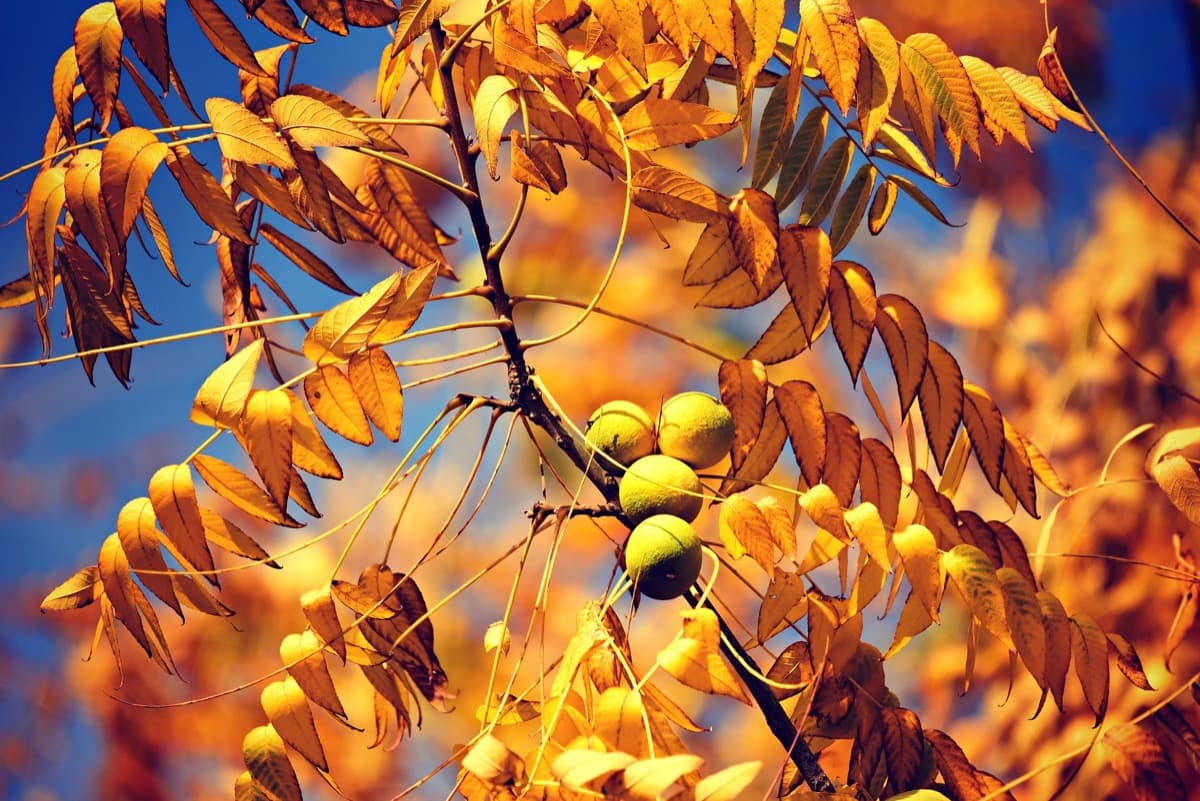
Options for Unwanted Rural Property
Seven realistic paths when the property no longer fits your life — with the trade-offs made clear.
Leave Land in Your Will
The decisions, professional advice, and acceptance planning a future gift of land requires.
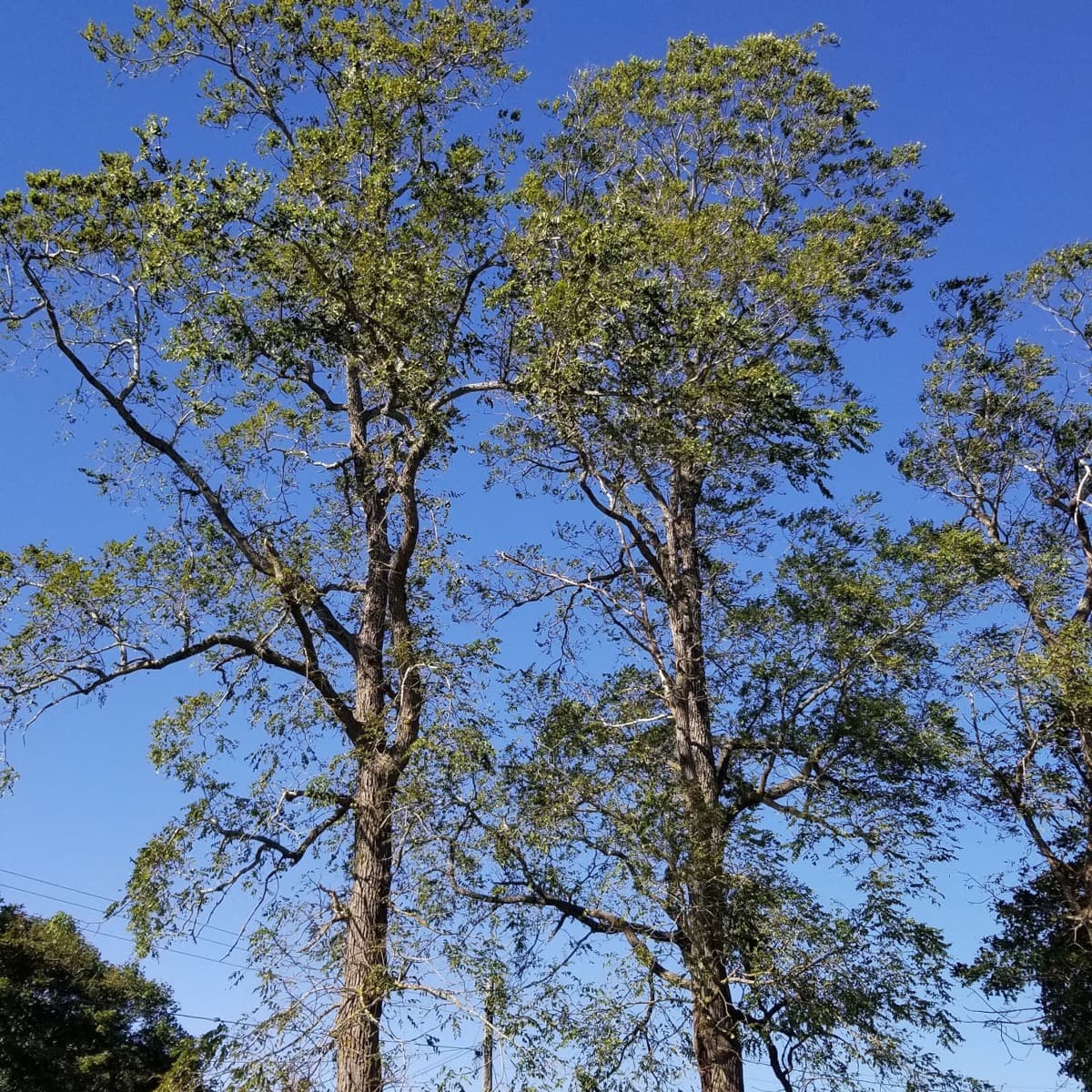
Donate Land in Canada
Understand outright gifts, retained use, conservation tools, tax questions, and when selling may be better.
When You No Longer Want the Woodlot
A practical and personal way to think through cost, care, family wishes, and letting go well.
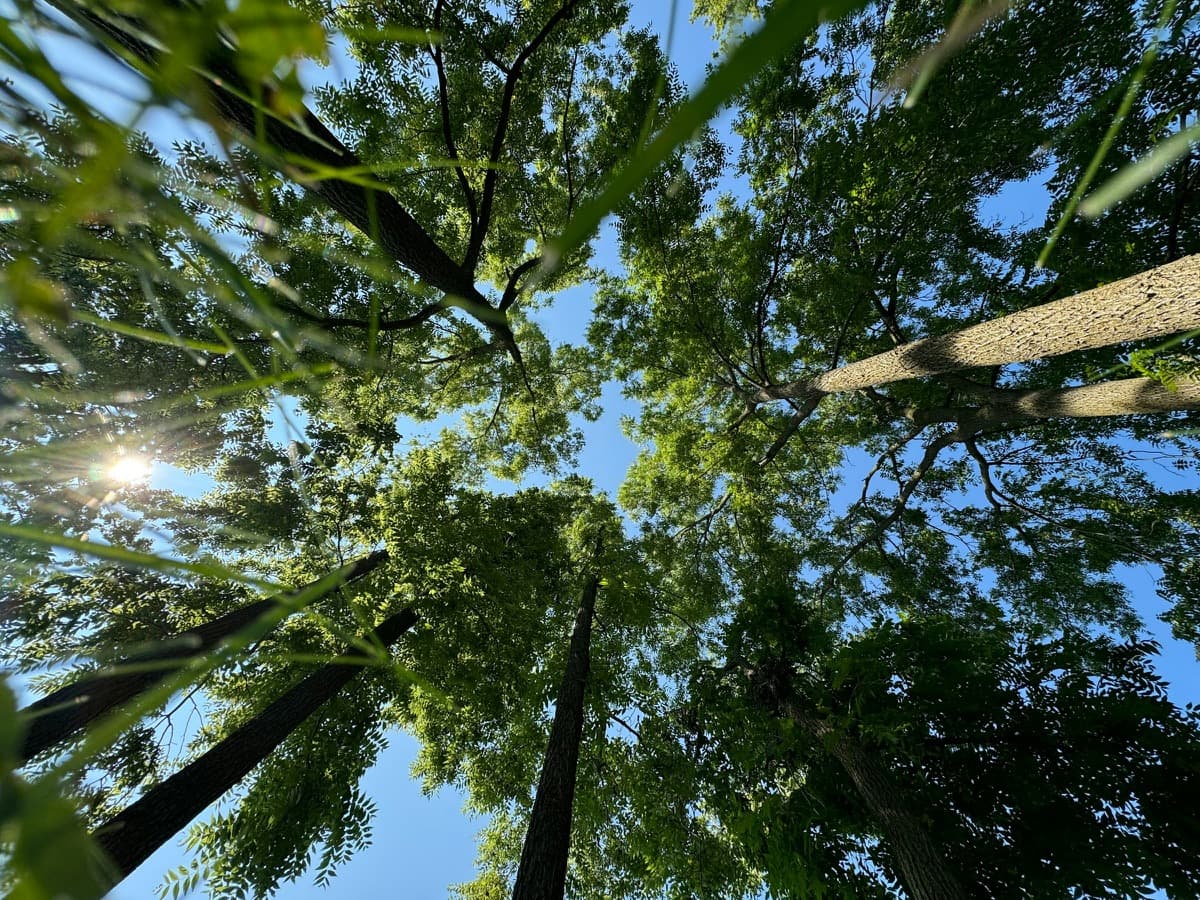
What Happens to the Land Next?
A story of two possible futures — and the planning decisions that separate them.
Create a Forest Legacy
Move through a century of change and see how stewardship choices compound over time.
Options for Inherited Property
Compare selling, transferring, gifting, donating, keeping or disclaiming inherited rural land in Canada.
When Your Children Don’t Want the Farm
Practical paths for succession, sale, leasing, restoration, estate planning and a new family legacy.
Stewardship of Rural Land
A practical guide to caring for, using, restoring and planning the long future of private land.
Plain answers
Land stewardship questions
Does Little Tree Farm accept every property?
No. Every property must be reviewed individually. Location, legal status, access, condition, liabilities, cost, and realistic long-term stewardship potential can all affect whether any arrangement is workable.
Will Little Tree Farm purchase my land?
Possibly, but no purchase or price is guaranteed. The realistic path may instead be a conventional sale, a donation or future gift, another recipient, more planning, or no transfer to Little Tree Farm.
Can land be donated in Canada?
Land can generally be gifted or transferred, but legal and tax consequences depend on the owner, property, recipient, and structure. A donation does not automatically produce a charitable receipt. Obtain independent legal and tax advice.
Can I specify what happens to the land?
Your wishes should be discussed clearly. Whether they can bind future owners depends on the law, the property, and the formal documents used. A conversation or informal understanding is not a permanent land-use restriction.
Can I reach out before I am ready to act?
Yes. An early conversation can help identify the facts and professional advice you may need. It creates no obligation for you to proceed and no obligation for Little Tree Farm to accept or acquire the property.
Begin before you are certain
A first conversation can be small.
You do not need a transfer plan, appraisal, or complete file. Begin with the province, approximate acreage, broad condition, and the future you would like to explore.
“I own about 40 acres of mixed woodland. My children do not want it, but I would rather not see it cleared.”
Initial inquiry · no obligation
Tell us the broad shape of the property.
Share only broad details here. Your inquiry is saved privately for the Little Tree Farm team; optional program updates require separate consent.
Begin the conversationPlease do not include an exact address, deeds, title documents, financial details, identification numbers, or other sensitive records.
Private first conversation
Tell us only the broad shape of the land.
You do not need a transfer plan, appraisal, or complete file. Province, approximate acreage, broad condition, and your hopes are enough to begin.