Nova Scotia grown

The Discovery Garden

Shop All Plants

2 plants

Cold-hardy trees, berries, and native plants — every one grown for Canadian winters and matched to your zone.

Filters2
  • Black WalnutShips SpringIn Stock

    Black Walnut

    Juglans nigra

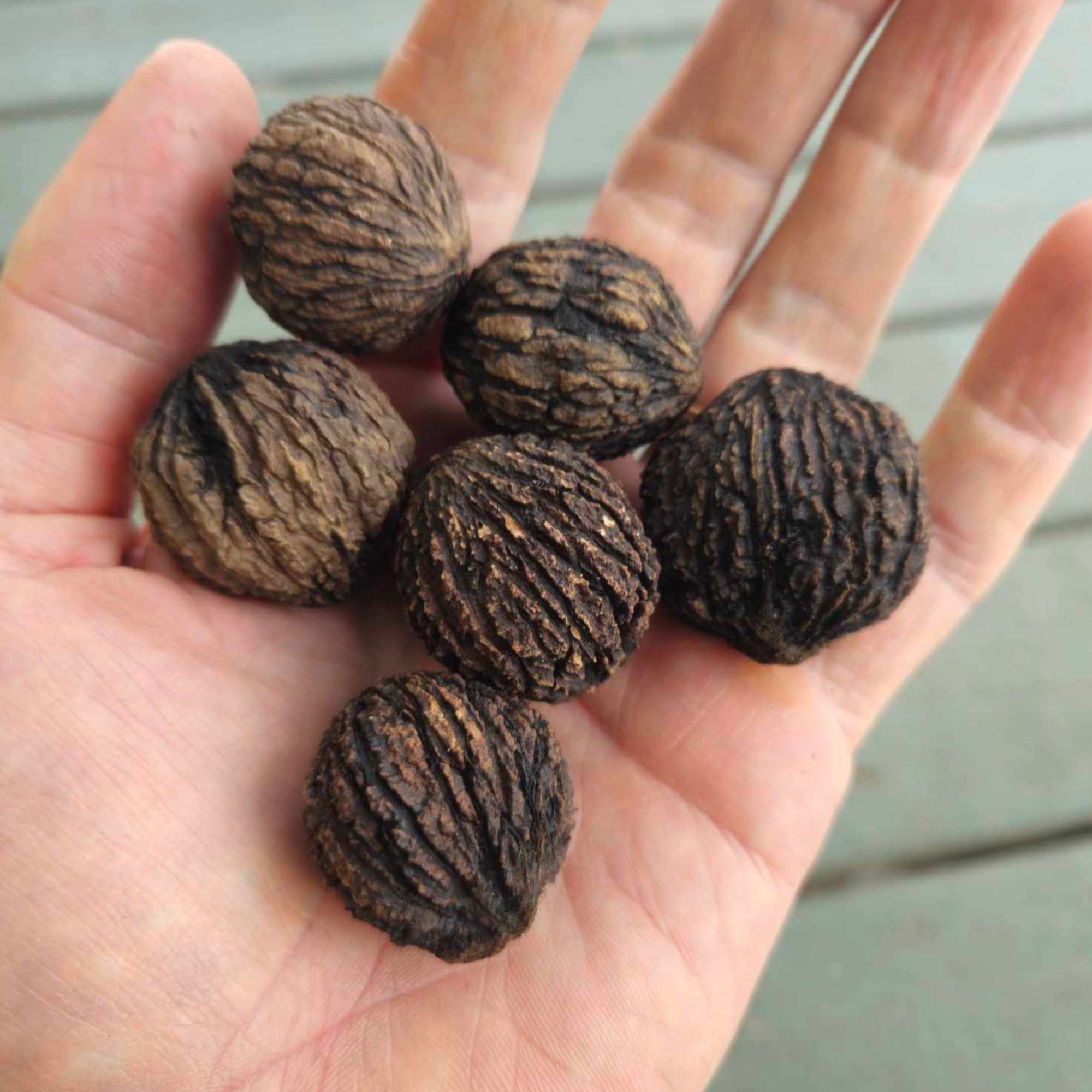
    If you're looking for the ultimate food forest tree , then the Black Walnut is an essential addition. It is the powerhouse of nut trees — tall, strong, and sturdy, yet with a surprisingly tropical appearance. The long leaves sway in the wind in a way that almost resembles palm trees. It can be used as: A backdrop for your garden or landscape A tree in an orchard-style setting A striking feature tree in the front or backyard And best of all — it produces delicious edible nuts . Nut Production Edible nuts are of course the main reason many growers choose the Black Walnut tree. The tree begins producing delicious nuts at around 8 years of age . Unlike the typical walnut found in supermarkets, the Black Walnut has a unique flavour profile — smoky, bold, rich, and hearty. Once cracked from the shell, the nuts can be enjoyed: Raw In baking In cakes and cookies Harvesting Nuts Black walnuts are one of the easiest nuts to harvest . Each autumn, the nuts fall naturally from the tree to the ground, making collection simple. Just gather the green, golf-ball-sized husks and place them in a bucket or bag. Depending on growing conditions, some nuts may grow even larger. If you have multiple productive trees, selling the nuts can also become a small source of income . Timber Value Black Walnut is also highly valued for timber production . The wood is extremely sought after by furniture makers due to its: Strength Durability Beautiful dark colour Large mature Black Walnut trees have been known to sell for tens of thousands of dollars . On average: 40- 60 year-old trees grown for timber and veneer can be valued at between $1,000 - $5000 each With approximately 25 trees per acre , timber value could reach $30,000 - $125,000 per acre Allowing trees to mature for 50 years or more can significantly increase this value. Pollination For best nut production, it is recommended to plant at least two Black Walnut trees . Planting multiple trees improves pollination and helps ensure a healthy nut harvest. Mature Tree Size Black Walnut trees can grow to a mature height of approximately 80 feet . With good growing conditions and plenty of sunlight, they grow quickly and can reach 50 feet in height within a few decades . Sun or Shade? Black Walnut is naturally a forest tree . It can tolerate partial shade, but full sun will produce the best nut yields . Planting Instructions Your Black Walnut trees are shipped as bare-root seedlings approximately 1–3 feet tall . Roots are carefully wrapped and kept moist during shipping. When planting: Dig a hole about 1.5 times the size of the root system Add compost or rich soil if available Plant within 3 days of receiving the tree Spacing Black Walnut trees can be planted as close as 10 feet apart , but for orchards and timber production, spacing of around 20 feet apart is recommended. Ordering Instructions Select the quantity of Black Walnut tree seedlings Click Add to Cart Complete checkout using card, PayPal, or e-transfer Our bare-root tree sale is currently active , and quantities are limited each year. Don’t miss out — complete your Black Walnut tree order today . Sizes A Grade (Ground-Ready): Stronger, thicker stems for instant planting. B Grade (Ground-Ready): Thinner stems, but still suitable for planting directly in the ground.

    • Zone 4–9
    • 75 ft
    • Full Sun
    CA$13.00from
    View Plant
  • Sugar MapleShips SpringIn Stock

    Sugar Maple

    Acer saccharum

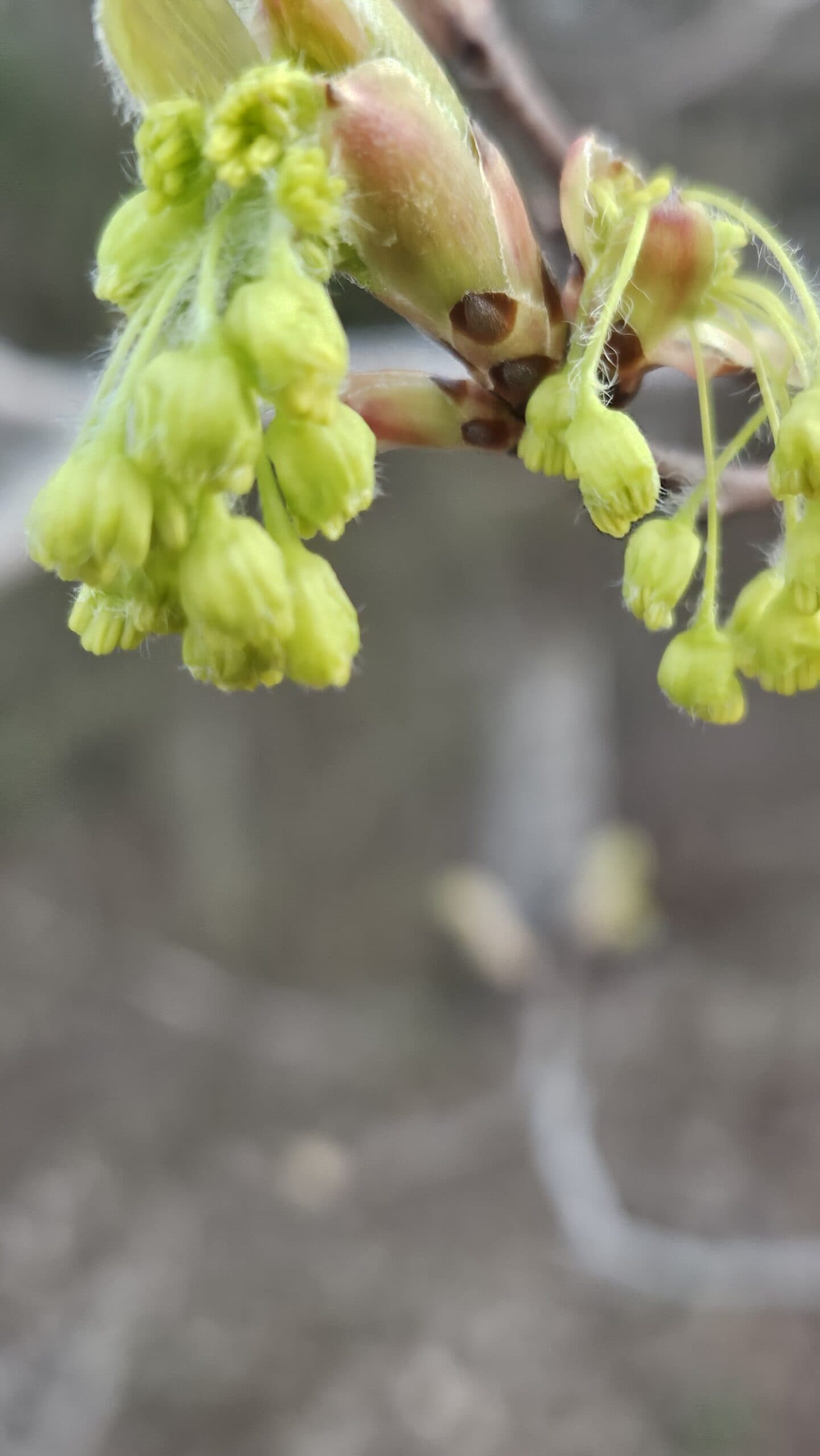
    The sugar maple tree for sale at Little Tree Farm is a top choice for Canadian gardeners seeking a reliable shade tree and syrup producer. Acer saccharum is hardy in Zones 3–8 , establishes well in well-drained soils, and delivers stunning fall colour plus years of sweet sap. About this sugar maple (Acer saccharum) The sugar maple is a North American native prized for its dense shade, brilliant autumn colour, and sap used for maple syrup. Our stock is grown for health and vigor — available as pot-grown saplings for smaller landscapes and field-grown / balled-and-burlapped options for immediate planting. Hardiness & growing zones Hardy to Zones 3–8 . Suitable across much of Canada, from cooler inland regions to milder southern zones. Check your local hardiness zone to confirm best performance. Sizes & formats available Saplings (pot-ready) — ideal for container planting and patios. Field-grown / root-balled (ground-ready) — larger plants for immediate landscape impact. (Offer both size/format options as separate variations if you want.) Soil & site recommendations Prefers well-drained loam with regular moisture; tolerates clay if drainage is adequate. Full sun to light shade. Give young trees a sheltered spot from extreme winds while they establish. Planting & care Plant at the same depth as in the pot or root ball. Water deeply for the first 2–3 seasons, mulch to retain moisture, and avoid deep fertilizing in year one. Prune only dead or crossing branches in late winter. Uses & benefits Shade & street tree Backyard and orchard specimen Maple syrup production (sap producer) Long-term landscape and food-forest component Common questions Q: What zones are sugar maples hardy to? A: Sugar maples (Acer saccharum) are hardy to Zones 3–8 in Canada. Q: Can I plant a sugar maple in a pot? A: Yes — small saplings are suitable for pots for a few seasons; for long-term growth, plant in the ground once it's established. Q: When is the best time to plant a sugar maple? A: Early spring or fall are ideal — cooler temperatures help roots establish before summer heat or deep winter. Why buy from Little Tree Farm Nursery-grown with attention to root health and acclimatization for Canadian climates. We package and ship carefully across Canada; local pickup available at our farm. All plants are inspected for vigor and pests before dispatch. Shipping, sizing & guarantees See product options for size specifics. Ground-ready trees will have a planting/root care guide. We recommend ordering in fall or early spring for best transplant success. Contact us if you need custom shipping or larger sizes.

    • Zone 3–8
    • 70 ft
    • Full Sun
    CA$15.00from
    View Plant
  • Zone-matched plants

    Every plant shows the zones where it thrives.

  • Grown in Nova Scotia

    Raised for Canadian winters, shipped across Canada.

  • Not sure what fits?

    Tell us your land and goals — we'll match you.

Need help choosing?Talk to a Plant Expert

Cold-hardy plants for Canadian landscapes

Every tree, shrub, and berry in our nursery is grown in Nova Scotia and selected for real Canadian conditions — short summers, cold winters, and everything in between. Whether you're planting a nut orchard, a berry patch, or restoring habitat with native plants, start with your hardiness zone and plant with confidence.