Nova Scotia grown

The Discovery Garden

Shop All Plants

17 plants

Cold-hardy trees, berries, and native plants — every one grown for Canadian winters and matched to your zone.

Filters1
  • Ornamental Onion Seed (allium)In Stock

    Ornamental Onion Seed (allium)

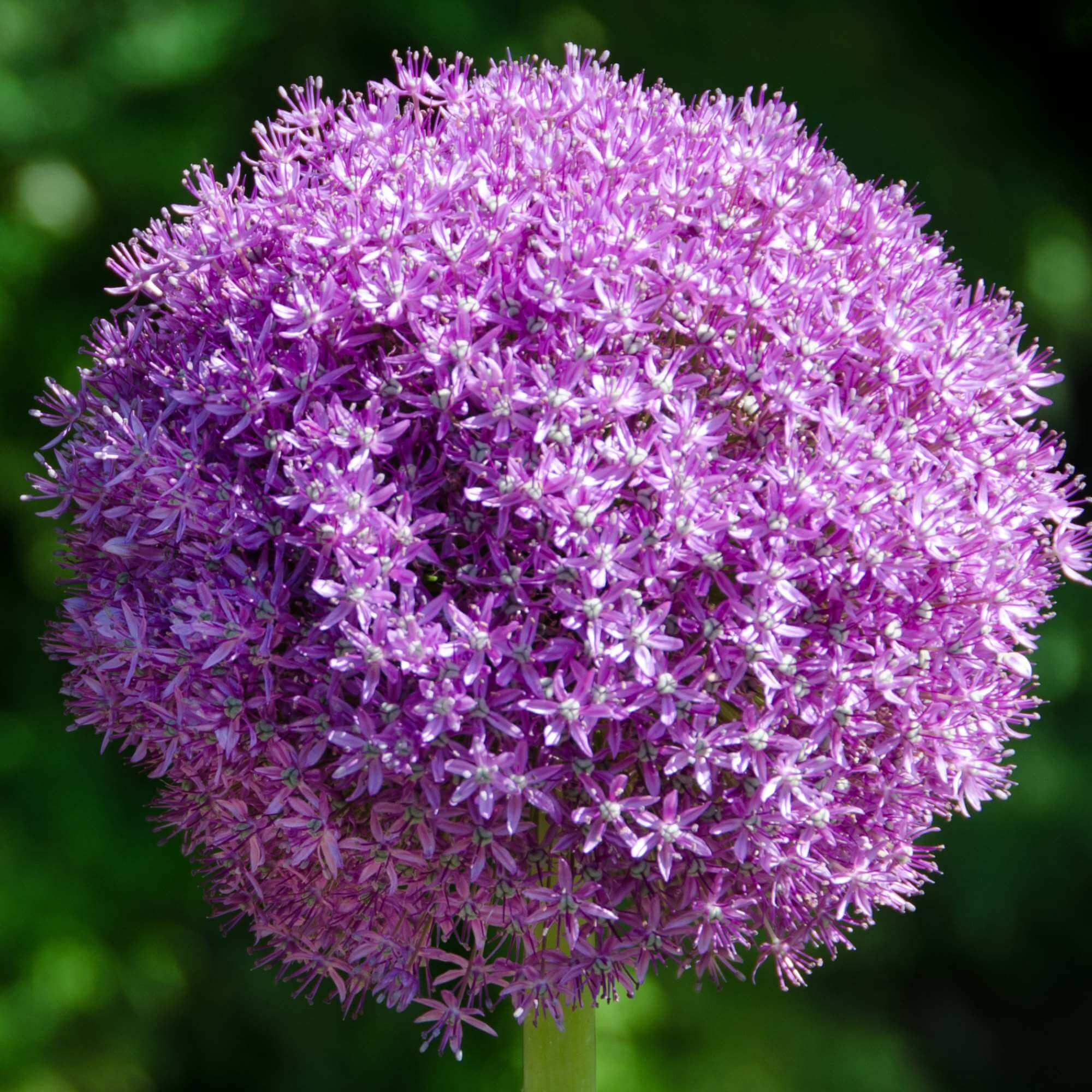
    The ornamental onion is a type of flowering plant that belongs to the Allium genus. It's native to parts of Asia, Europe, and the Middle East, but it's now grown all over the world. It's a perennial, which means it comes back year after year. It likes well-draining soil and sunlight, and it's hardy in zones 4-9. It has round clusters of small flowers that are shades of pink and purple. The flowers are on tall stems and are surrounded by long, narrow leaves. It usually grows to about 1-3 feet tall and spreads out about 1-2 feet wide. It can handle a variety of climates, but it's not frost-tolerant, but will come back each year. Ornamental onion plants are not only attractive, but they are also deer-resistant and drought-tolerant, making them a good choice for gardens in areas with these challenges.
    CA$4.00from
    View Plant
  • Panicle HydrangeaIn Stock

    Panicle Hydrangea

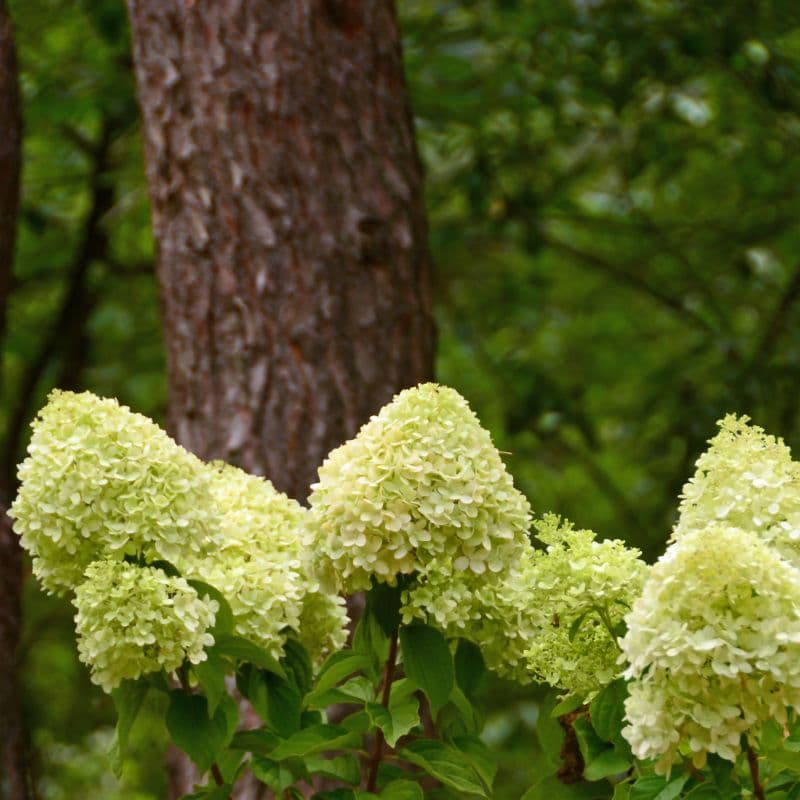
    The Panicle Hydrangea is a standout ornamental shrub prized for its stunning cone-shaped flower clusters and adaptability. Perfect for gardens, borders, and hedges, this low-maintenance plant offers months of floral beauty and works well in a variety of landscape designs. SIZE: This Panicle Hydrange plant is approximately 5 inches high. Key Features Hardiness Zone : Thrives in Zones 3–8 , making it a reliable choice for cold and temperate climates. Soil Requirements : Prefers moist, well-drained soil with a slightly acidic to neutral pH (5.8–7.0). While it can tolerate a range of soils, enriched garden loam ensures optimal growth and flowering. Growth Habit : A deciduous shrub with an upright, bushy growth habit. Mature Panicle Hydrangeas typically reach 6–15 feet in height and 6–12 feet in width, depending on the variety. Compact cultivars are available for smaller gardens. Flowering Time : Blooms from mid-summer to late fall (July to October) , providing long-lasting seasonal interest. Flowers and Uses Flower Characteristics : Produces large, conical flower clusters up to 12–18 inches long. The blooms start as creamy white, then gradually transition to shades of pink, red, or green as the season progresses, depending on the variety. Cut and Dried Flowers : Perfect for fresh floral arrangements and can be dried for wreaths, bouquets, or home decor. Care and Maintenance Light Requirements : Performs best in full sun to partial shade. In hotter climates, partial afternoon shade helps prevent heat stress. Water Needs : Requires regular watering, especially during dry periods. Mulching around the base conserves soil moisture and reduces weeds. Pruning : Prune in late winter or early spring to shape the plant and encourage vigorous growth. Panicle Hydrangeas bloom on new wood, so annual pruning enhances flower production. Pest and Disease Resistance : Generally pest-resistant and not prone to major diseases. Proper spacing ensures good air circulation and reduces the risk of fungal issues. Why Choose Panicle Hydrangea? The Panicle Hydrangea offers unmatched versatility and beauty in the garden. Its long flowering season, changing bloom colors, and low-maintenance nature make it a favorite among gardeners. Whether you’re creating a focal point, planting a hedge, or adding to a mixed border, the Panicle Hydrangea is a reliable and stunning choice.

    CA$11.00from
    View Plant
  • Valerian SeedsIn Stock

    Valerian Seeds

    Valeriana officinalis

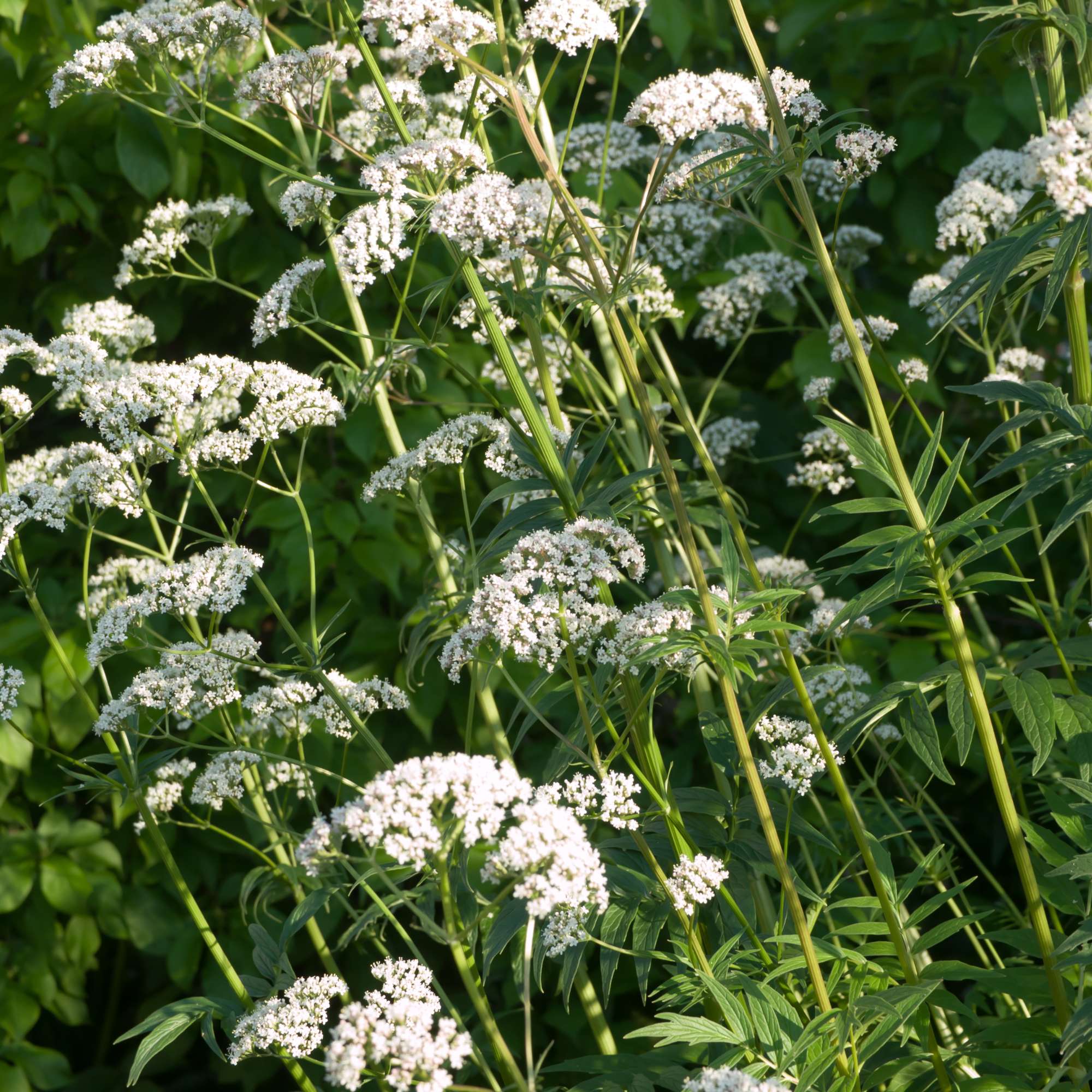
    Valerian (Valeriana officinalis) is a flowering herb that is native to Europe and Asia. It is prized for its beautiful, fragrant flowers and its calming, relaxing properties. It typically flowers in the summer months, from June through August. The flowers of the valerian plant are white or pink and have a sweet, pleasant scent. The plant grows four to five feet tall with broad leaves and fragrant white, pink, or pale violet flowers borne in clusters. It has heavy spreading root stocks that are strong smelling and used dried for medicinal purposes. Propogate by seeds, sown in a well protected sunny seed bed as soon as they ripe or by division of the roots in fall or spring. Plant seeds 12 inches apart. Valerian thrives best in a rich and rarther heavy loam, well supplied with water. These seeds produce tall, stately plants that will add a touch of elegance to any outdoor space. Valerian is a hardy herb that can withstand a wide range of growing conditions, making it a great choice for both experienced gardeners and beginners.

    CA$4.00from
    View Plant
  • Weigela PlantIn Stock

    Weigela Plant

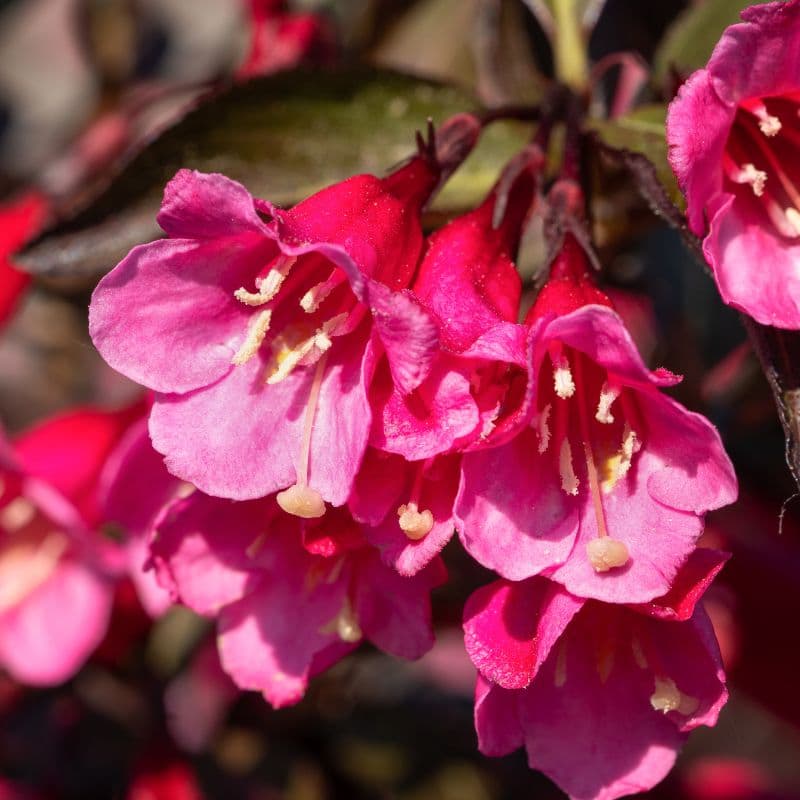
    Old Fashioned Weigela The Old Fashioned Weigela plant has a rich and captivating history that traces its roots back to Asia. It was first discovered in the early 19th century in China and Korea. Where its vibrant flowers and hardy nature caught the attention of botanists. In 1845, the Old Fashioned Weigela quickly gained popularity among gardeners and landscape designers. Its adaptability to a range of soil types and climates made it an ideal candidate for ornamental gardens. Lush foliage but also for its beautiful trumpet-shaped blooms that appear in the spring and summer, typically ranging from pale pink to deep magenta. As the Old Fashioned Weigela made its way to North America, it continued to capture the hearts of horticulturists and homeowners alike. Its resilience against urban conditions, including drought and poor soil, has allowed it to thrive in various environments, further enhancing its appeal. Over time, the plant has been cultivated into various forms, but the original variety remains a favorite due to its classic charm and low-maintenance nature. Its ability to attract pollinators such as bees and butterflies also adds to its desirability. A somewhat staple in environmentally friendly gardening practices. This plant is not just a beautiful addition to any landscape but also a testament to the timeless charm it embodies. Cultivation and Care of Old Fashioned Weigela Plant Old Fashioned Weigela, known for its delightful blooms and attractive foliage, thrives when given the right conditions. This deciduous shrub flourishes in full to partial sunlight, ideally receiving at least six hours of direct sunlight each day. While adaptable, it performs best in well-draining soil enriched with organic matter. A slightly acidic to neutral pH is optimal for growth, promoting healthy root systems. Regular watering is essential, particularly during dry spells. Pruning should occur immediately after flowering in late spring to early summer. This timing encourages new growth, which enhances blooming in subsequent seasons. Remove any dead, damaged, or crossing branches to maintain an open structure. Thinning the plant by about one-third of its total height can also stimulate healthy growth and rejuvenate the shrub. When planting, it is advisable to do so in the spring or early fall. This timing allows the roots to establish before the onset of harsh winter temperatures or the heat of summer. Common diseases that Old Fashioned Weigela may encounter include powdery mildew and leaf spot. Adequate spacing, ensuring good air circulation around the plants, and avoiding overhead watering can mitigate these issues. Additionally, promoting blooming involves ensuring the plant is well-fed with a balanced fertilizer applied in early spring. By understanding these cultivation and care practices, garden enthusiasts can enjoy the vibrant beauty of Old Fashioned Weigela for many years to come.

    CA$11.00from
    View Plant
  • Zone-matched plants

    Every plant shows the zones where it thrives.

  • Grown in Nova Scotia

    Raised for Canadian winters, shipped across Canada.

  • Not sure what fits?

    Tell us your land and goals — we'll match you.

Need help choosing?Talk to a Plant Expert

Cold-hardy plants for Canadian landscapes

Every tree, shrub, and berry in our nursery is grown in Nova Scotia and selected for real Canadian conditions — short summers, cold winters, and everything in between. Whether you're planting a nut orchard, a berry patch, or restoring habitat with native plants, start with your hardiness zone and plant with confidence.