 In Stock
Black Locust
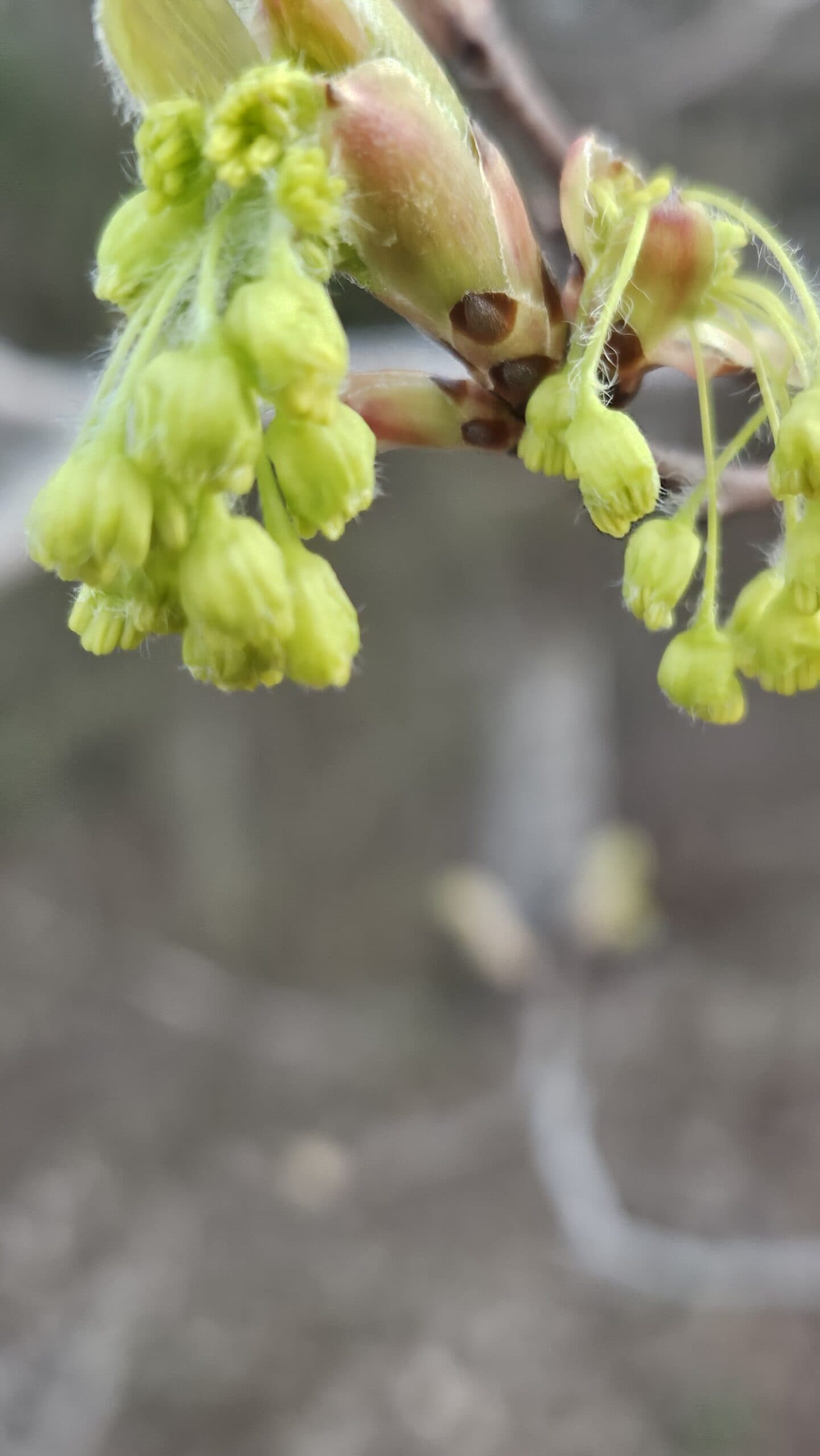
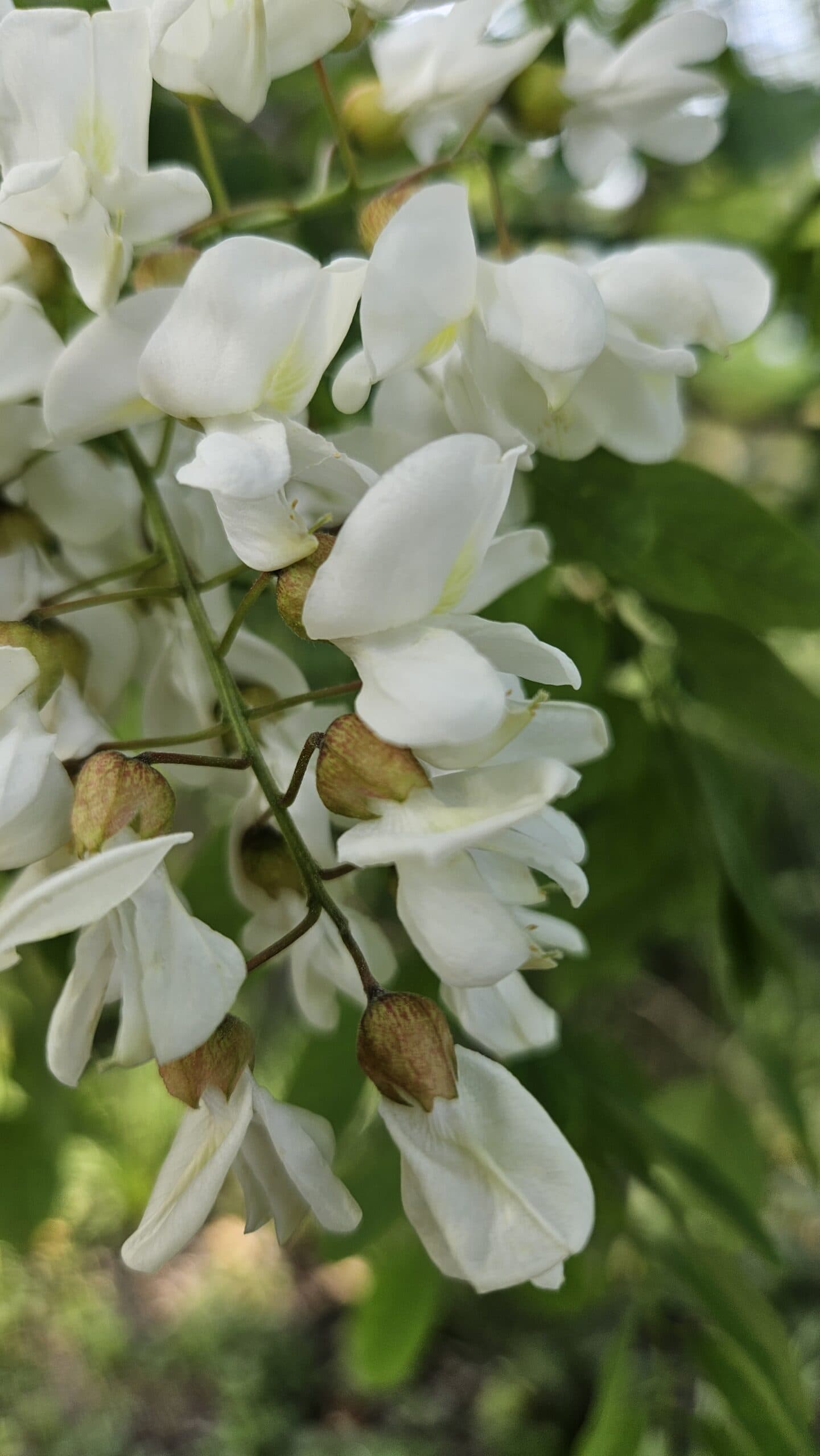
Black Locust Tree – Robinia pseudoacacia The black locust tree for sale at Little Tree Farm is a hardy, fast-growing, nitrogen-fixing tree known for its resilience, soil-improving abilities, and extremely durable wood. This species thrives in Zones 3–9 , making it suitable for nearly every region of Canada—from cold Prairie climates to warmer coastal areas. Sizes Explained A Grade (Ground-Ready): Stronger, thicker stems for instant planting. B Grade (Ground-Ready): Thinner stems, but still suitable for planting directly in the ground. Pot-Ready: Start in a pot or nursery bed for one season before transplanting. Key Features Extremely fast-growing hardwood Nitrogen-fixing tree that enriches soil Highly rot-resistant wood (excellent for fence posts) Beautiful white, fragrant flowers Supports pollinators and beneficial insects Excellent for windbreaks, living fence lines, and erosion control Very drought-tolerant once established Growth Habit & Mature Size Black Locust is a vigorous pioneer species with a strong central trunk and upright branching. Height: 40–70 ft (12–21 m) Spread: 20–35 ft (6–10 m) Growth Rate: Fast (2–4 ft per year under good conditions) Lifespan: Long-lived hardwood with durable wood The tree typically forms open, airy foliage with compound leaves and deeply furrowed bark as it matures. Flowers, Wildlife Value & Pollination In late spring to early summer, Black Locust produces clusters of white, highly fragrant, nectar-rich flowers . Attracts honeybees, native bees, and beneficial insects Used in high-quality honey production Flowers add ornamental interest and aromatic value The tree also provides nesting habitat and cover for birds and small wildlife. Wood Quality & Uses Black Locust wood is famous for its durability and strength: One of the most rot-resistant woods in North America Ideal for fence posts, poles, timber, tool handles, outdoor structures Excellent fuelwood — burns hot and long Very strong wood for carpentry and rustic construction Homesteaders and farmers value Black Locust as one of the best “utility trees” you can plant. Growing Conditions Black Locust is extremely adaptable: Hardy in Zones 3–9 Thrives in full sun Tolerates poor soil, sandy soil, rocky slopes, and clay Drought-tolerant once established Performs exceptionally well on tough, degraded sites Strong wind tolerance — great for shelterbelts Avoid overly wet or waterlogged soil. Uses in Homesteads & Regenerative Agriculture Soil building (nitrogen fixer) Living fences and natural barriers Windbreaks and shelterbelts Erosion control on slopes Bee forage (excellent honey tree) Heat-efficient firewood Long-lasting posts with no chemical treatment Black Locust is considered one of the most useful trees in permaculture systems. What You’ll Receive Your tree is shipped bare-root in early spring , ready for planting. Seedlings are vigorous, healthy, and grown to handle Canadian climates. Each plant is inspected before shipping to ensure strong roots and disease-free growth. Planting & Care Plant in full sun for best growth Water deeply for the first season Mulch around the base to retain soil moisture Minimal pruning required Extremely low maintenance once established Black Locust establishes quickly and loves open space with plenty of sunlight. FAQs Q: What zone is Black Locust hardy to? Black Locust ( Robinia pseudoacacia ) is hardy in Zones 3–9 , making it suitable for most regions of Canada. Q: Is Black Locust good for fence posts? Yes. The wood is exceptionally rot-resistant and can last decades in the ground without treatment. Q: How fast does a Black Locust tree grow? It grows 2–4 ft per year under good soil and sun conditions. Q: Is Black Locust invasive? It spreads by root suckers in some regions. Plant in spaces where spreading is acceptable, or mow around the base to control shoots.