Nova Scotia grown

The Discovery Garden

Shop All Plants

14 plants

Cold-hardy trees, berries, and native plants — every one grown for Canadian winters and matched to your zone.

Filters1
  • Smooth HydrangeaIn Stock

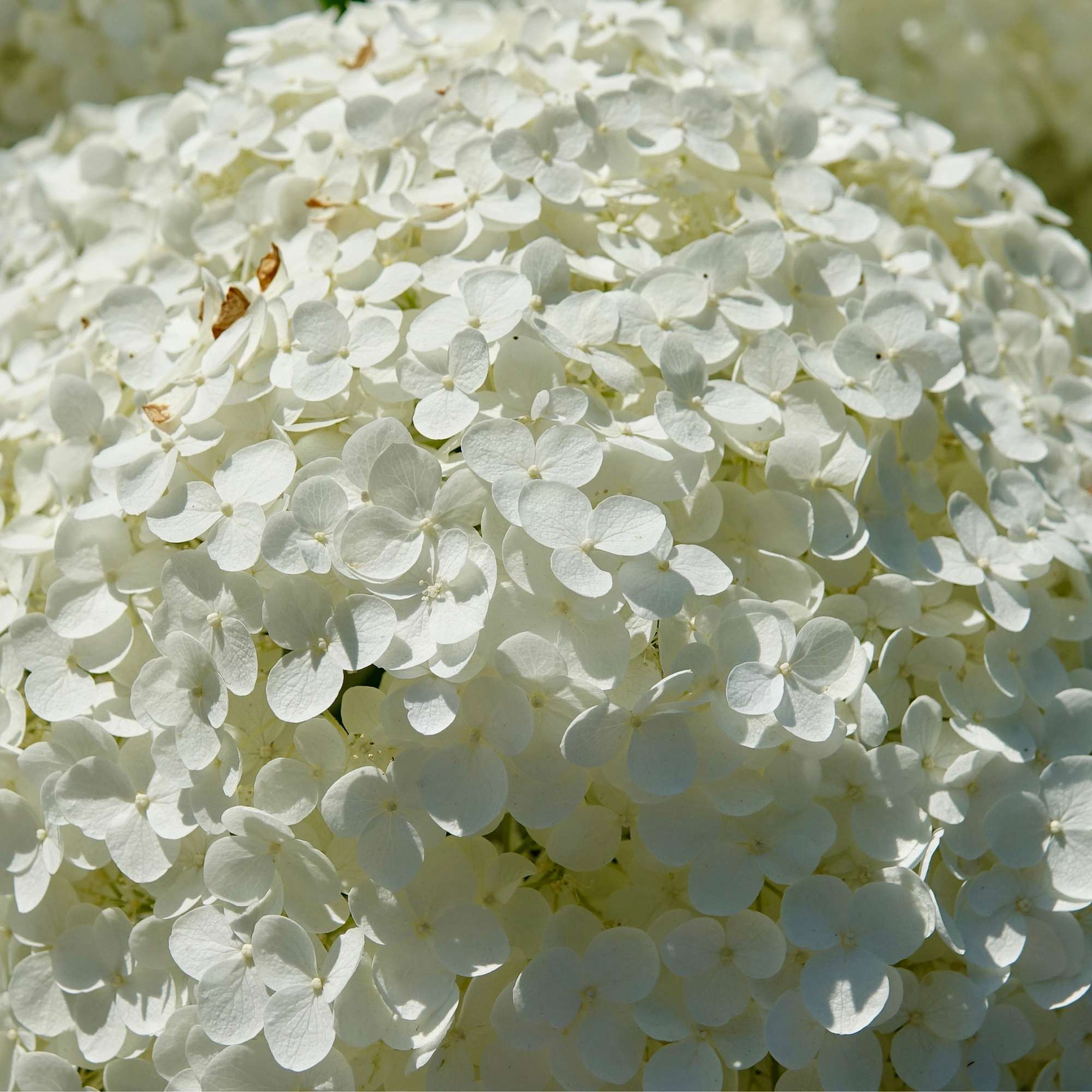
    Smooth Hydrangea

    Embrace the enchanting beauty of the Smooth Hydrangea (Hydrangea arborescens) – a captivating flowering shrub that graces gardens with its elegant blooms and versatility. A Grade (Ground-Ready): Stronger, thicker stems for instant planting. B Grade (Pot-Ready): Thinner stems, but still suitable for planting directly in the ground. Key Features: Hardiness Zone (3-9): This resilient shrub thrives in hardiness zones 3 to 9, showcasing adaptability across various climates and making it suitable for a wide range of gardens. Soil Preferences: Smooth Hydrangeas prefer well-draining soil rich in organic matter. A blend of loamy soil with consistent moisture content ensures optimal growth and flowering. Height and Width: Expect these shrubs to reach heights of 3 to 5 feet and spread to about 4 to 6 feet, providing a lush and full appearance in garden landscapes. Flowering Time: These hydrangeas bloom during the summer, showcasing large, round clusters of flowers in shades of white, pink, or green. Flowering typically begins in late spring or early summer and lasts through the season. Growth Habits: Smooth Hydrangeas exhibit a rounded, mounding growth habit, providing a compact and neat appearance in garden beds or borders. Long-Lasting Flowers: One notable feature of Smooth Hydrangeas is their ability to retain dried flowers on the plant, extending visual interest and appeal through the fall and winter months. These dried flowers add texture and charm to winter landscapes. Additional Requirements: Sunlight Needs: While they prefer partial shade, Smooth Hydrangeas tolerate full sun to partial shade, thriving in locations with morning sun and afternoon shade in hotter climates. Watering and Maintenance: Maintain consistent moisture levels in the soil, especially during hot and dry periods. Pruning is generally minimal, primarily focusing on removing dead or damaged stems in late winter or early spring. Soil pH and Color Variations: Adjusting soil pH can alter flower colors; acidic soil produces blue blooms, while alkaline soil results in pink blooms. Fertilizing with appropriate amendments can affect coloration. With its stunning floral displays, adaptable nature, and lasting appeal, the Smooth Hydrangea stands as a versatile and elegant choice for gardeners seeking a beautiful addition to their landscapes. Whether as a focal point or as part of a mixed border, these hydrangeas offer enduring charm and grace to outdoor spaces.
    CA$13.00from
    View Plant
  • SpicebushIn Stock

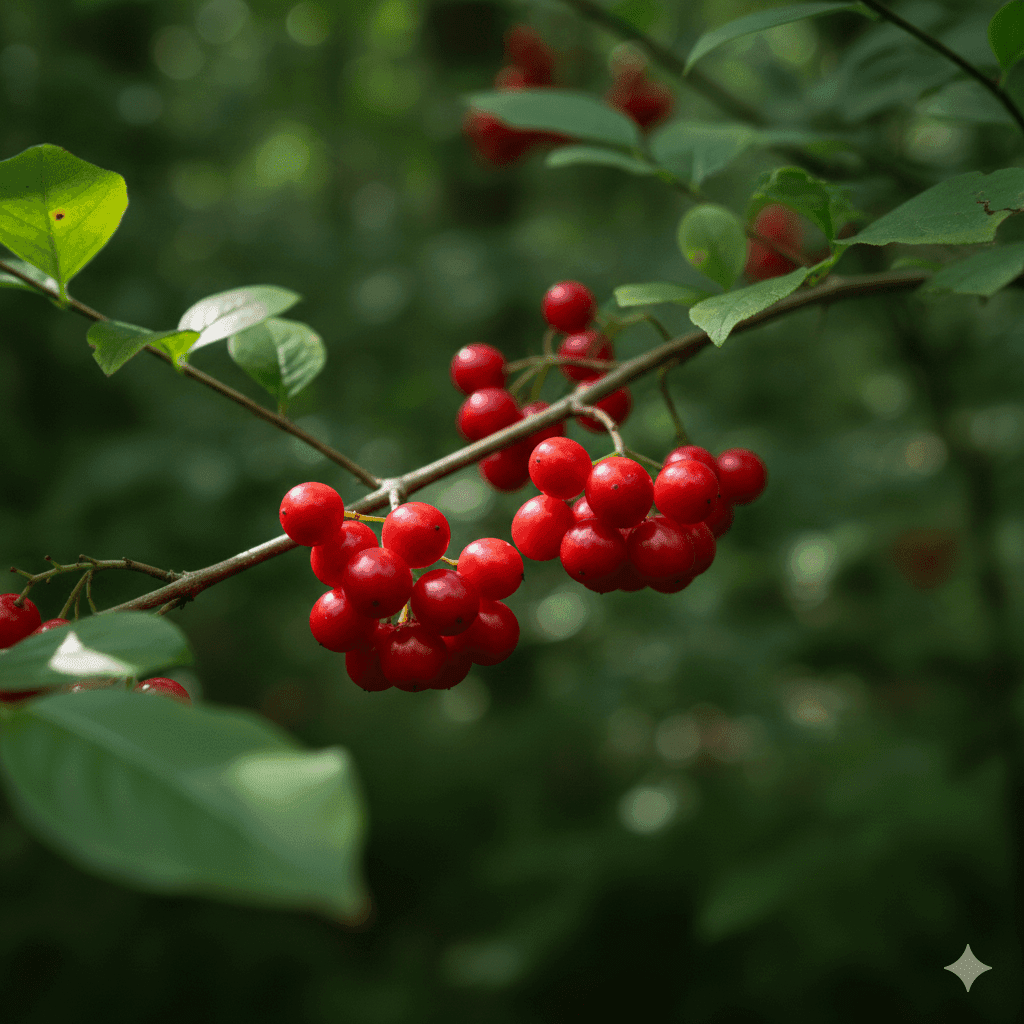
    Spicebush

    Spicebush ( Lindera benzoin ) is one of the most valuable native shrubs for Eastern North American landscapes. With its aromatic leaves, bright yellow early spring flowers, and striking red berries, this shrub creates year-round beauty while supporting dozens of native species. POT READY - Pot-Ready plants are young and eager to grow! These smaller plants are best started in a suitably sized pot or garden bed for their first year A true woodland specialist, Spicebush thrives in shaded or partially shaded sites, making it perfect for forest edges, understory plantings, and wildlife gardens. Even in low-light conditions, it delivers fragrance, color, habitat, and ecological richness. Why Choose Spicebush • Essential native species for healthy forest ecosystems • Fragrant leaves with a spicy citrus scent • Blooms very early in spring, feeding emerging pollinators • Host plant for the Spicebush Swallowtail Butterfly • Red berries beloved by birds and wildlife • Thrives in shade where many shrubs fail • Excellent for naturalized or woodland landscapes • Pest-resistant and low maintenance Quick Facts Feature Details Botanical Name Lindera benzoin Hardiness Zone 4–9 Height 6–12 ft Spread 6–10 ft Growth Rate Moderate Exposure Part Shade to Full Shade Soil Moist, rich, well-drained woodland soil Wildlife Value Extremely high Bloom Color Yellow Fall Color Gold Fruit Red berries (female plants) Planting & Care Spicebush grows best in moist, rich, well-drained soil and partial shade, though it adapts well to a range of woodland conditions. Plant in early spring or fall, mulch well, and water during the first season. Once established, it becomes low maintenance and thrives on its own. Ideal Uses • Woodland gardens • Pollinator gardens • Native restoration projects • Shade borders • Bird-friendly landscapes • Moist, shaded naturalized areas FAQ SECTION Does Spicebush grow in shade? Yes — it thrives in partial to full shade and is ideal for woodland areas. Does it attract pollinators? Absolutely. Spicebush is one of the earliest blooming native shrubs and provides crucial food for early spring pollinators. Does Spicebush produce berries? Female plants produce bright red berries in late summer and fall. If you want fruit, plant at least one male nearby. Is Spicebush deer resistant? It has moderate deer resistance, but young plants may need protection. What wildlife does it support? It is the host plant for the Spicebush Swallowtail Butterfly and provides berries for birds. Does it require full sun? No — it performs best in part shade or full shade. SPECIFICATIONS TABLE Attribute Value Botanical Name Lindera benzoin Mature Height 6–12 ft Mature Spread 6–10 ft Growth Form Multi-stem deciduous shrub Light Part Shade – Full Shade Soil Moist, rich, well-drained Water Moderate Hardiness Zone 4–9 Flowering Early spring yellow blooms Fruit Red drupes (female plants) Wildlife Value Exceptional

    CA$9.00from
    View Plant
  • Zone-matched plants

    Every plant shows the zones where it thrives.

  • Grown in Nova Scotia

    Raised for Canadian winters, shipped across Canada.

  • Not sure what fits?

    Tell us your land and goals — we'll match you.

Need help choosing?Talk to a Plant Expert

Cold-hardy plants for Canadian landscapes

Every tree, shrub, and berry in our nursery is grown in Nova Scotia and selected for real Canadian conditions — short summers, cold winters, and everything in between. Whether you're planting a nut orchard, a berry patch, or restoring habitat with native plants, start with your hardiness zone and plant with confidence.