Nova Scotia grown

Collection

Native Plants

14 plants

Restore beauty, habitat, and resilience with plants that belong.

Filters

My hardiness zone

Zone 22Zone 32Zone 42Zone 52Zone 62Zone 72Zone 80

Pick your zone — we'll show only plants that thrive there.

Sunlight

Care level
Growth rate
Soil moisture
Mature height
Nature & wildlife
Harvest & readiness
Good to know
  • Smooth HydrangeaIn Stock

    Smooth Hydrangea

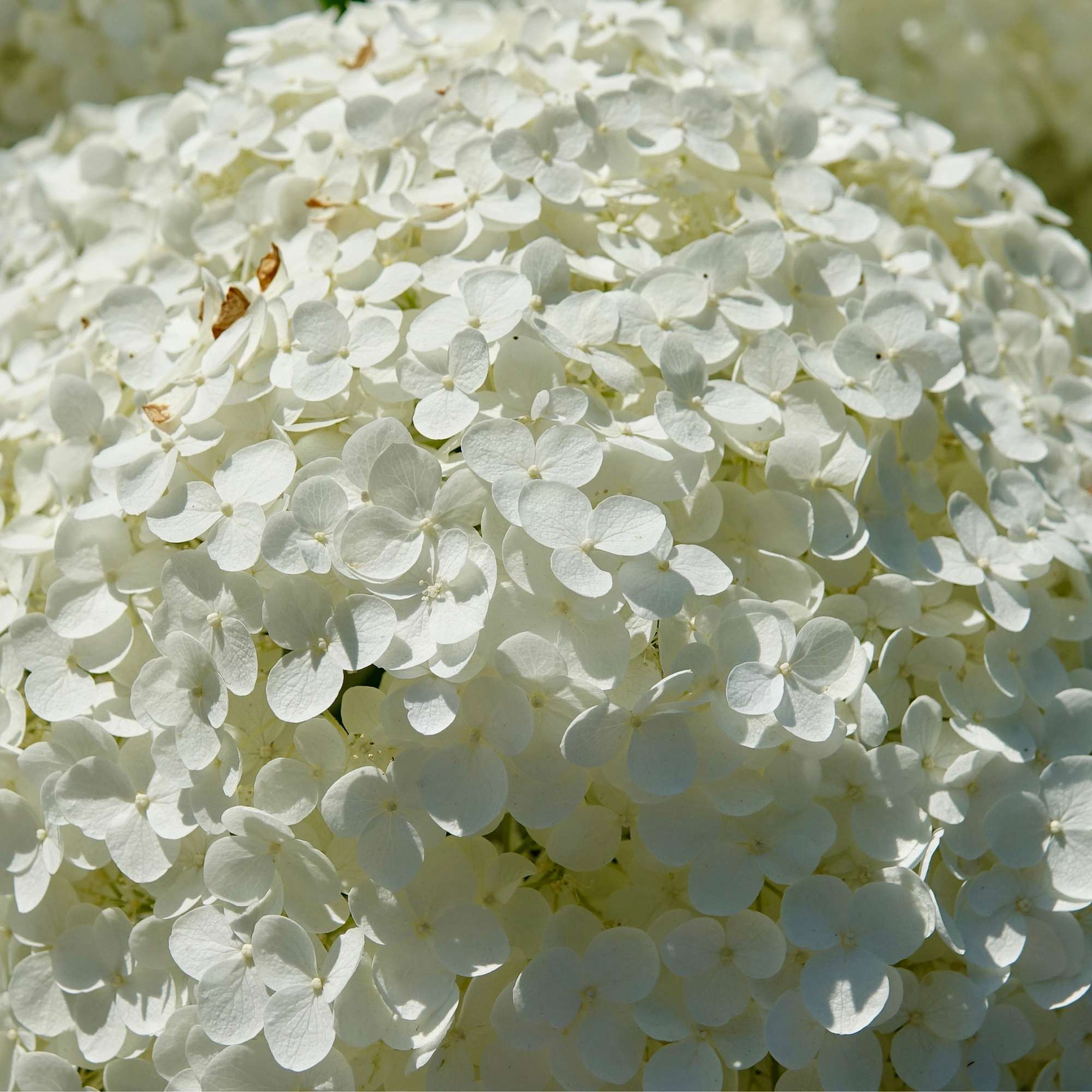
    Embrace the enchanting beauty of the Smooth Hydrangea (Hydrangea arborescens) – a captivating flowering shrub that graces gardens with its elegant blooms and versatility. A Grade (Ground-Ready): Stronger, thicker stems for instant planting. B Grade (Pot-Ready): Thinner stems, but still suitable for planting directly in the ground. Key Features: Hardiness Zone (3-9): This resilient shrub thrives in hardiness zones 3 to 9, showcasing adaptability across various climates and making it suitable for a wide range of gardens. Soil Preferences: Smooth Hydrangeas prefer well-draining soil rich in organic matter. A blend of loamy soil with consistent moisture content ensures optimal growth and flowering. Height and Width: Expect these shrubs to reach heights of 3 to 5 feet and spread to about 4 to 6 feet, providing a lush and full appearance in garden landscapes. Flowering Time: These hydrangeas bloom during the summer, showcasing large, round clusters of flowers in shades of white, pink, or green. Flowering typically begins in late spring or early summer and lasts through the season. Growth Habits: Smooth Hydrangeas exhibit a rounded, mounding growth habit, providing a compact and neat appearance in garden beds or borders. Long-Lasting Flowers: One notable feature of Smooth Hydrangeas is their ability to retain dried flowers on the plant, extending visual interest and appeal through the fall and winter months. These dried flowers add texture and charm to winter landscapes. Additional Requirements: Sunlight Needs: While they prefer partial shade, Smooth Hydrangeas tolerate full sun to partial shade, thriving in locations with morning sun and afternoon shade in hotter climates. Watering and Maintenance: Maintain consistent moisture levels in the soil, especially during hot and dry periods. Pruning is generally minimal, primarily focusing on removing dead or damaged stems in late winter or early spring. Soil pH and Color Variations: Adjusting soil pH can alter flower colors; acidic soil produces blue blooms, while alkaline soil results in pink blooms. Fertilizing with appropriate amendments can affect coloration. With its stunning floral displays, adaptable nature, and lasting appeal, the Smooth Hydrangea stands as a versatile and elegant choice for gardeners seeking a beautiful addition to their landscapes. Whether as a focal point or as part of a mixed border, these hydrangeas offer enduring charm and grace to outdoor spaces.
    CA$13.00from
    View Plant
  • SpicebushIn Stock

    Spicebush

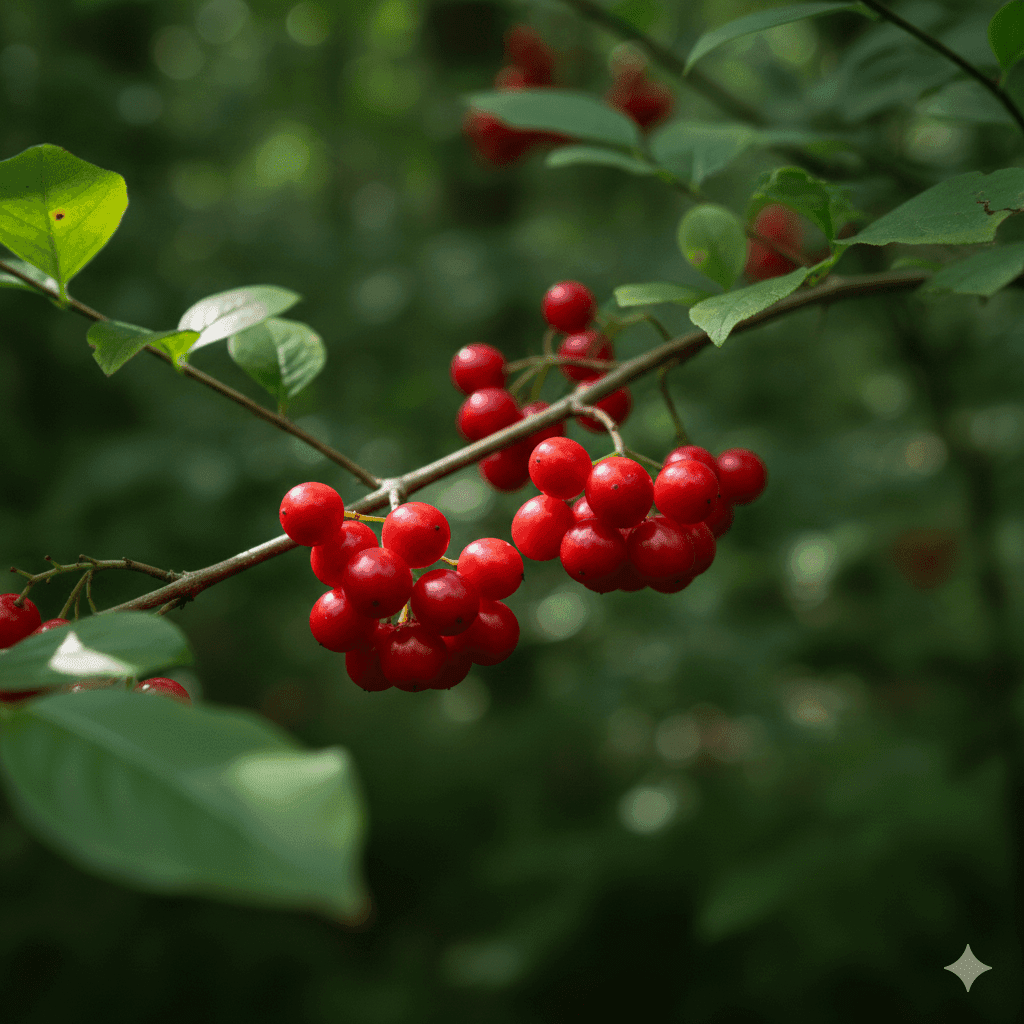
    Spicebush ( Lindera benzoin ) is one of the most valuable native shrubs for Eastern North American landscapes. With its aromatic leaves, bright yellow early spring flowers, and striking red berries, this shrub creates year-round beauty while supporting dozens of native species. POT READY - Pot-Ready plants are young and eager to grow! These smaller plants are best started in a suitably sized pot or garden bed for their first year A true woodland specialist, Spicebush thrives in shaded or partially shaded sites, making it perfect for forest edges, understory plantings, and wildlife gardens. Even in low-light conditions, it delivers fragrance, color, habitat, and ecological richness. Why Choose Spicebush • Essential native species for healthy forest ecosystems • Fragrant leaves with a spicy citrus scent • Blooms very early in spring, feeding emerging pollinators • Host plant for the Spicebush Swallowtail Butterfly • Red berries beloved by birds and wildlife • Thrives in shade where many shrubs fail • Excellent for naturalized or woodland landscapes • Pest-resistant and low maintenance Quick Facts Feature Details Botanical Name Lindera benzoin Hardiness Zone 4–9 Height 6–12 ft Spread 6–10 ft Growth Rate Moderate Exposure Part Shade to Full Shade Soil Moist, rich, well-drained woodland soil Wildlife Value Extremely high Bloom Color Yellow Fall Color Gold Fruit Red berries (female plants) Planting & Care Spicebush grows best in moist, rich, well-drained soil and partial shade, though it adapts well to a range of woodland conditions. Plant in early spring or fall, mulch well, and water during the first season. Once established, it becomes low maintenance and thrives on its own. Ideal Uses • Woodland gardens • Pollinator gardens • Native restoration projects • Shade borders • Bird-friendly landscapes • Moist, shaded naturalized areas FAQ SECTION Does Spicebush grow in shade? Yes — it thrives in partial to full shade and is ideal for woodland areas. Does it attract pollinators? Absolutely. Spicebush is one of the earliest blooming native shrubs and provides crucial food for early spring pollinators. Does Spicebush produce berries? Female plants produce bright red berries in late summer and fall. If you want fruit, plant at least one male nearby. Is Spicebush deer resistant? It has moderate deer resistance, but young plants may need protection. What wildlife does it support? It is the host plant for the Spicebush Swallowtail Butterfly and provides berries for birds. Does it require full sun? No — it performs best in part shade or full shade. SPECIFICATIONS TABLE Attribute Value Botanical Name Lindera benzoin Mature Height 6–12 ft Mature Spread 6–10 ft Growth Form Multi-stem deciduous shrub Light Part Shade – Full Shade Soil Moist, rich, well-drained Water Moderate Hardiness Zone 4–9 Flowering Early spring yellow blooms Fruit Red drupes (female plants) Wildlife Value Exceptional

    CA$9.00from
    View Plant

Growing Guide

Why grow native plants?

Native plants are the ones this land already knows how to grow — no pampering, no watering schedule, no guilt. Plant them for the birds, the pollinators, the wet ditch nothing else survives, and the quiet satisfaction of putting things back.

  • Adapted, not acclimatized

    Thousands of years of local winters — these establish fast and stay put without fuss.

  • Habitat, instantly

    Native shrubs host the insects that feed the birds — the food web starts here.

  • Problem-site specialists

    Wet soil, erosion, poor ground: there's a native plant whose whole job is exactly that.

  • Low input by design

    Once established, most natives need nothing from you but admiration.

Solve wet ground the native way

Red osier dogwood, elderberry, and buttonbush thrive where lawns drown — streambanks, ditches, spring-soggy corners. Their roots hold soil while everything else feeds the birds.

Natives for wet soil

Plant a bird buffet

Serviceberry in June, elderberry in August, viburnum into winter — sequence native fruiting shrubs and the feeder refills itself from July to February.

Natives the birds love

Restoration in rows

For hedgerows, field edges, and riparian strips, plant natives at 1–2 m spacing and let them knit. Mixed rows beat monocultures — more bloom times, more habitat, more resilience.

Fast-establishing natives

Native Plants questions, answered

Why choose native over ornamental?

Natives support dramatically more insect and bird life, establish without irrigation once settled, and can't become the next invasive problem. Ornamentals decorate; natives participate.

Are native plants low-maintenance?

After the first season or two of establishment watering, most need essentially nothing — that's what ten thousand years of local adaptation buys.

What should I plant for pollinators?

Aim for a bloom relay: early willows and serviceberry, summer elderberry and dogwood, late natives for the stragglers. The pollinator filter shows what carries each shift.

Which natives handle erosion?

Red osier dogwood and willows are the classic bank-holders — fast roots, tolerant of flooding, easy to establish from our stock.

Is 'native' the same everywhere in Canada?

No — a species native to southern Ontario may be a newcomer in Nova Scotia. Each plant page lists native status honestly; when it matters for your project, check your provincial guidance too.

  • Zone-matched plants

    Every plant shows the zones where it thrives.

  • Grown in Nova Scotia

    Raised for Canadian winters, shipped across Canada.

  • Not sure what fits?

    Tell us your land and goals — we'll match you.

Need help choosing?Talk to a Plant Expert