Nova Scotia grown

The Discovery Garden

Shop All Plants

24 plants

Cold-hardy trees, berries, and native plants — every one grown for Canadian winters and matched to your zone.

Filters1
  • Kentucky Coffee TreeIn Stock

    Kentucky Coffee Tree

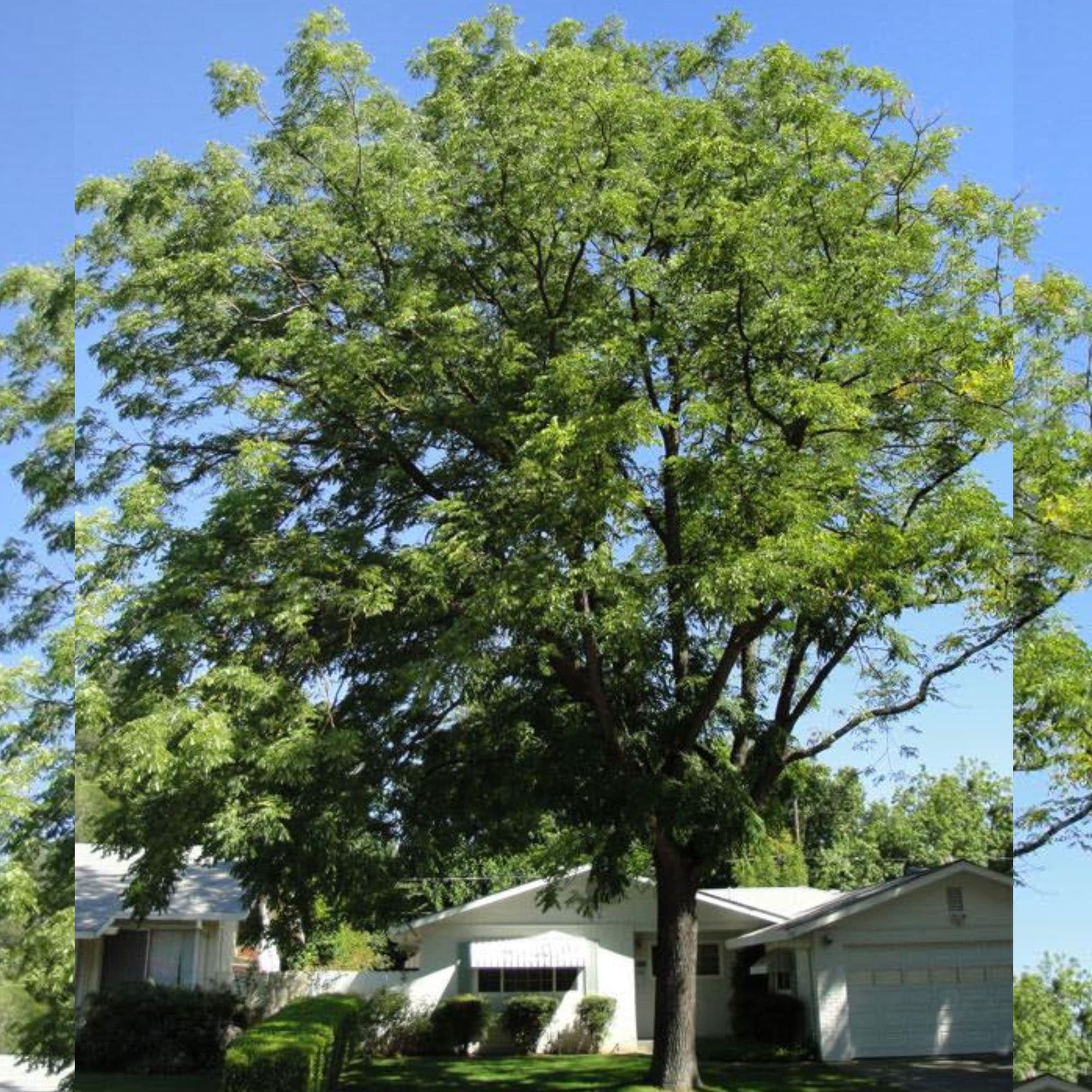
    Kentucky Coffee Tree (Gymnocladus dioicus) Kentucky Coffee Tree, a stunning and hardy native tree known for its unique appearance and ecological benefits. Perfect for large spaces, this tree offers beauty and shade while supporting local wildlife. Sizes Explained A Grade (Ground-Ready): Stronger, thicker stems for instant planting. B Grade (Ground-Ready): suitable for planting directly in the ground. Pot-Ready: Start in a pot or nursery bed for one season before transplanting. Key Features: Hardiness Zone : Thrives in Hardiness Zones 4 to 8, making it suitable for a variety of climates across the United States. Soil Type : Prefers well-drained, loamy soils but is adaptable to clay and poor soils, showcasing its resilience. Height and Width : Grows to an impressive height of 60 to 75 feet and a spread of 40 to 50 feet, providing ample shade and beauty to your yard. Fruit Size : Produces distinctive, large seed pods that are 4 to 8 inches long, containing seeds that resemble coffee beans. Growth Habits: Growth Rate : Slow to moderate growth rate; can take several years to establish, with a mature canopy developing over time. Flowering Time : Flowers in late spring to early summer, featuring small, fragrant white flowers that attract pollinators like bees. Caring for Your Kentucky Coffee Tree: Sunlight : Requires full sun for optimal growth and flowering; ideally, it should receive at least 6 hours of direct sunlight daily. Watering : Water regularly during the first growing season to establish roots, then provide moderate water in subsequent years. This tree is drought-tolerant once established. Fertilization : Minimal fertilization is needed. If desired, use a balanced fertilizer in early spring to promote healthy growth. Using the Seeds: Ripening : The seed pods are typically ripe in late summer to early fall, turning brown and splitting open. Culinary Uses : While the seeds are not commonly used in cooking, they can be roasted and ground to produce a caffeine-free coffee substitute. Always ensure proper preparation, as raw seeds can be toxic. Additional Information: Wildlife Benefits : The Kentucky Coffee Tree provides habitat and food for birds and other wildlife, making it a fantastic addition to naturalized gardens. Pests and Diseases : Generally resistant to pests and diseases, but monitor for common issues such as leaf spots and borers. Enhance your landscape with the Kentucky Coffee Tree (Gymnocladus dioicus) and enjoy its unique beauty, shade, and ecological benefits. Order yours today and watch it thrive for generations!
    CA$13.00from
    View Plant
  • In Stock

    Malus Crabapple

    Understanding Malus Crabapple: Characteristics and Varieties Malus crabapple, belonging to the Rosaceae family, is a captivating genus comprising a diverse range of tree species and cultivars. These trees, native to temperate regions of the Northern Hemisphere, are renowned for their striking flowers and ornamental value, making them a popular choice in landscaping. The scientific classification of Malus places it firmly within a lineage that encompasses various fruit-bearing species, yet it is the decorative aspects of crabapples that often steal the spotlight. There are numerous species of Malus crabapple, each exhibiting unique characteristics. Some of the more prominent varieties include Malus floribunda, known for its abundant pink to white blossoms, and Malus x zumi, which is appreciated for its compact size and appealing form. Additionally, Malus sylvestris, often referred to as the European crabapple, is notable for its small edible fruits. These varieties differ not only in flower color—ranging from deep pink to white—but also in tree stature, with some growing as small shrubs while others emerge as sizeable trees with wide canopies. Crabapple trees thrive in a variety of habitats, usually preferring well-drained soil and sunny locations. They often exhibit a strong adaptability to different environments, making them a versatile addition to gardens and parks. The growth patterns also vary; some species may reach heights of up to 30 feet, while others may remain compact, suitable for smaller spaces. Seasonal changes bring further appeal, as these trees showcase vibrant foliage in autumn and interesting fruit that can attract wildlife during the winter months. In summary, understanding the characteristics and varieties of Malus crabapple provides valuable insights into their aesthetic appeal and biodiversity. Their ornamental uses in landscaping highlight the potential for these trees to enhance gardens while contributing positively to the ecosystem. Cultivating Malus Crabapple: Care and Maintenance Tips Cultivating Malus crabapple trees requires a thoughtful approach to care and maintenance to ensure their health and vitality. First and foremost, selecting the right location is essential; crabapple trees thrive in full sun with at least six hours of direct sunlight daily. An area with well-draining soil is preferable, as poor drainage can lead to root rot and other complications. Ideal soil conditions should be rich in organic matter, with a slightly acidic to neutral pH, typically ranging from 6.0 to 7.0. Watering practices play a crucial role in the growth of Malus crabapple trees. Newly planted trees require consistent moisture to establish strong roots, which can be achieved through deep watering once a week. As the trees mature, annual rainfall often suffices, but during dry spells, supplemental watering may be necessary. Furthermore, fertilization is important in promoting healthy growth; a balanced fertilizer applied in early spring can provide essential nutrients. However, it's imperative not to over-fertilize, as this may lead to excessive leaf growth at the expense of flowering. Pruning is another critical aspect of maintaining crabapple trees. Regular pruning encourages healthy growth, improves air circulation, and promotes an abundance of flowers. Ideally, pruning should occur in late winter or early spring before new growth begins. Removing dead, damaged, or crossing branches will enhance the tree's structure and overall aesthetic appeal. Additionally, keeping an eye on pest and disease issues is vital. Common pests include aphids and spider mites, which can be managed through organic sprays or introducing beneficial insects. Implementing preventive measures, such as proper spacing and sanitation, can minimize the likelihood of infections like apple scab or fire blight. Lastly, Malus crabapple trees offer significant benefits to local wildlife, as their blossoms attract pollinators, and the fruit serves as food for various birds and small mammals. Thus, cultivating these trees contributes to enhancing garden biodiversity, making them a valuable addition to any landscape.

    CA$15.00from
    View Plant
  • Nanking CherryIn Stock

    Nanking Cherry

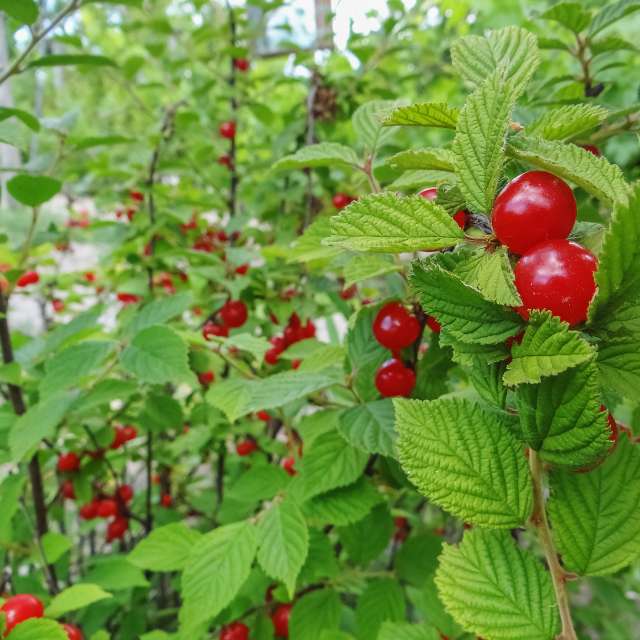
    Nanking Cherry ( Prunus tomentosa ) The Nanking Cherry is a must-have for any gardener who wants a versatile. Easy-to-grow shrub that offers gorgeous spring flowers and delicious summer cherries . This hardy plant is ideal for creating an attractive hedge or adding a fruit-bearing focal point to your yard. USDA Hardiness Zones : 2-7 Mature Height : 6-10 feet Mature Width : 6-10 feet Growth Habit : A compact, rounded shrub with a spreading growth habit that’s perfect for smaller spaces or as a hedge. Flowering Time : Early spring, producing fragrant white to light pink flowers before the leaves emerge, attracting pollinators like bees and butterflies. Fruit Size : Small to medium-sized bright red cherries, about ½ inch in diameter, perfect for eating fresh or making preserves. Soil Requirements : Thrives in well-drained soils, tolerating both sandy and loamy soil types. Prefers slightly acidic to neutral pH (6.0-7.0). Sunlight : Full sun to partial shade. Watering : Moderate watering; drought-tolerant once established. Harvest & Uses The juicy red cherries are ready to harvest in mid to late summer . These sweet-tart fruits are perfect for fresh eating, jams, jellies, and even pies. Also a favorite for making flavorful syrups and wine. Nanking Cherry Taste Nanking Cherry offers the best of both worlds: eye-catching beauty and delicious homegrown fruit . It's a sour cherry. Not like a lemon, but with a burst of flavour. It's an ideal choice for gardeners in colder climates, as it's extremely hardy and thrives in Zones 2-7. With its easy-care nature and abundant fruiting , you’ll enjoy fresh cherries year after year. Bring charm and a tasty harvest to your garden! A Grade (Ground-Ready): Stronger, thicker stems for instant planting. B Grade (Ground-Ready): Smaller than A grade and suitable for planting directly in the ground. Pot-Ready: Start in a pot or nursery bed for one season before transplanting.

    CA$11.00from
    View Plant
  • Osage orangeIn Stock

    Osage orange

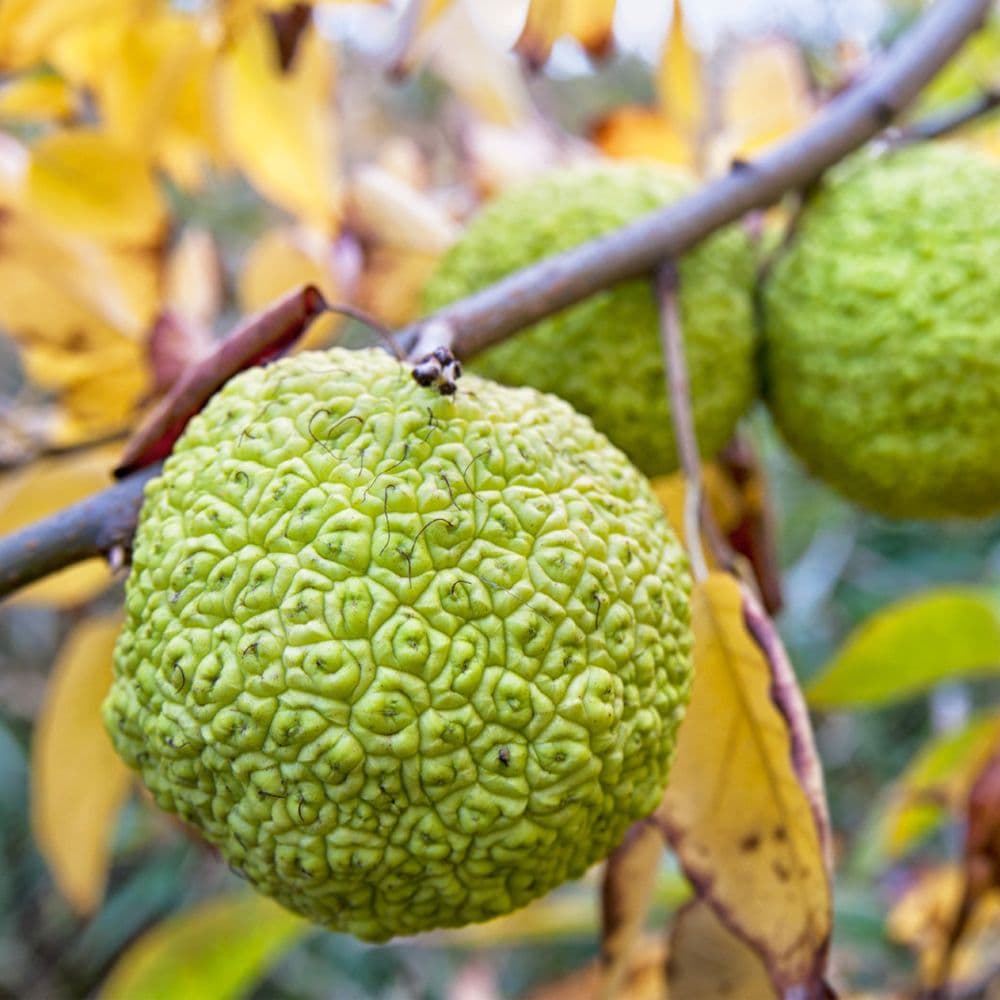
    Osage Orange Tree – Maclura pomifera The Osage Orange Tree is a tough, fast-growing, and extremely resilient tree known for its striking green, grapefruit-sized fruits and strong, rot-resistant wood. This hardy species is valued for windbreaks, living fences, wildlife habitat, and long-term homestead planting. Sizes Explained A Grade (Ground-Ready): Stronger, thicker stems for instant planting. B Grade (Ground-Ready): suitable for planting directly in the ground. Pot-Ready: Start in a pot or nursery bed for one season before transplanting. Key Features Extremely hardy, drought-tolerant tree Fast-growing and long-lived Distinctive bumpy green fruits Dense wood—one of the strongest North American hardwoods Excellent for hedges, windbreaks, and wildlife cover Mature Size & Growth Habit of the Osage Orange The Osage Orange develops a dense, full crown with strong upright branches. Height: 30–50 ft (9–15 m) Spread: 20–40 ft (6–12 m) Naturally forms a thick, impenetrable hedge when planted densely Thorny branches create excellent livestock barriers (natural fencing) Fruit & Wildlife Value The large green fruits, sometimes called “hedge apples,” are not typically eaten by humans, but they offer other benefits: Wildlife uses the fruit for shelter and forage Seeds attract squirrels and small mammals Fruits add ornamental and seasonal interest Historically believed to deter insects when placed in barns or basements Growing Conditions Osage Orange is one of the easiest trees to grow: Hardy in Zones 5–9 Thrives in full sun Tolerates poor soil, clay, drought, and wind Resistant to disease and pests Great for homesteads, farms, and natural wind barriers Why Grow an Osage Orange? One of the most durable woods in North America Historically prized for making bows Excellent as a natural living fence Great long-term tree for shelterbelts Low-maintenance and extremely tough What You’ll Receive Your Osage Orange tree is shipped bare-root in early spring, ready for planting. Strong, healthy seedlings grown with care ensure fast establishment and long-term success. Tough, Adaptable, and Perfect for Challenging Sites The Osage Orange is one of the most adaptable trees you can plant. It thrives where many other species struggle — dry fields, windy hilltops, poor soil, and heavy clay are no problem. Once established, it requires almost no care. This makes it an excellent choice for property owners who want a reliable, long-lived tree with minimal maintenance. Natural Windbreak and Shelterbelt This tree excels at creating strong wind protection. Its dense branching, fast growth, and deep root system make it a dependable shelterbelt species. Plant in rows for a long-lasting windbreak that will protect gardens, livestock, and buildings. The Osage Orange maintains its strength and form even in tough storms, offering consistent environmental benefits year after year. Living Fences and Homestead Use Historically, Osage Orange earned the nickname “hedge tree” because it was widely planted as a living fence before barbed wire was invented. When planted densely, the thorny branches form an almost impenetrable barrier. Homesteaders and farmers still use it today for natural fencing, wildlife corridors, and boundary lines. It offers a sustainable, low-maintenance alternative to wooden or metal fencing. Unique Fruits and Old-World Character The striking green “hedge apples” add seasonal charm and curiosity to the landscape. While not commonly eaten, the fruit is unique and decorative. The seeds attract wildlife, and many people enjoy using the fruit for fall displays. Its unusual appearance makes the tree a conversation piece in gardens and farmyards. Exceptionally Strong Wood The wood of Osage Orange is incredibly dense and rot resistant — one of the most durable woods in North America. Historically, Indigenous communities prized it for making powerful, long-lasting bows. Even today, the wood is valued for fence posts, tool handles, and specialty woodworking. Its durability ensures that any fallen branches or cuttings can be repurposed for practical use. Suitability for Canadian Growers Despite its southern origin, Osage Orange performs surprisingly well in parts of Canada. It thrives in: Southern Ontario Southern Quebec Nova Scotia (in warmer or protected sites) Maritime microclimates Prairie shelterbelts (zone-dependent) Its cold hardiness, drought tolerance, and adaptability make it a smart long-term planting choice for eco-conscious growers and rural landowners.

    CA$7.00from
    View Plant
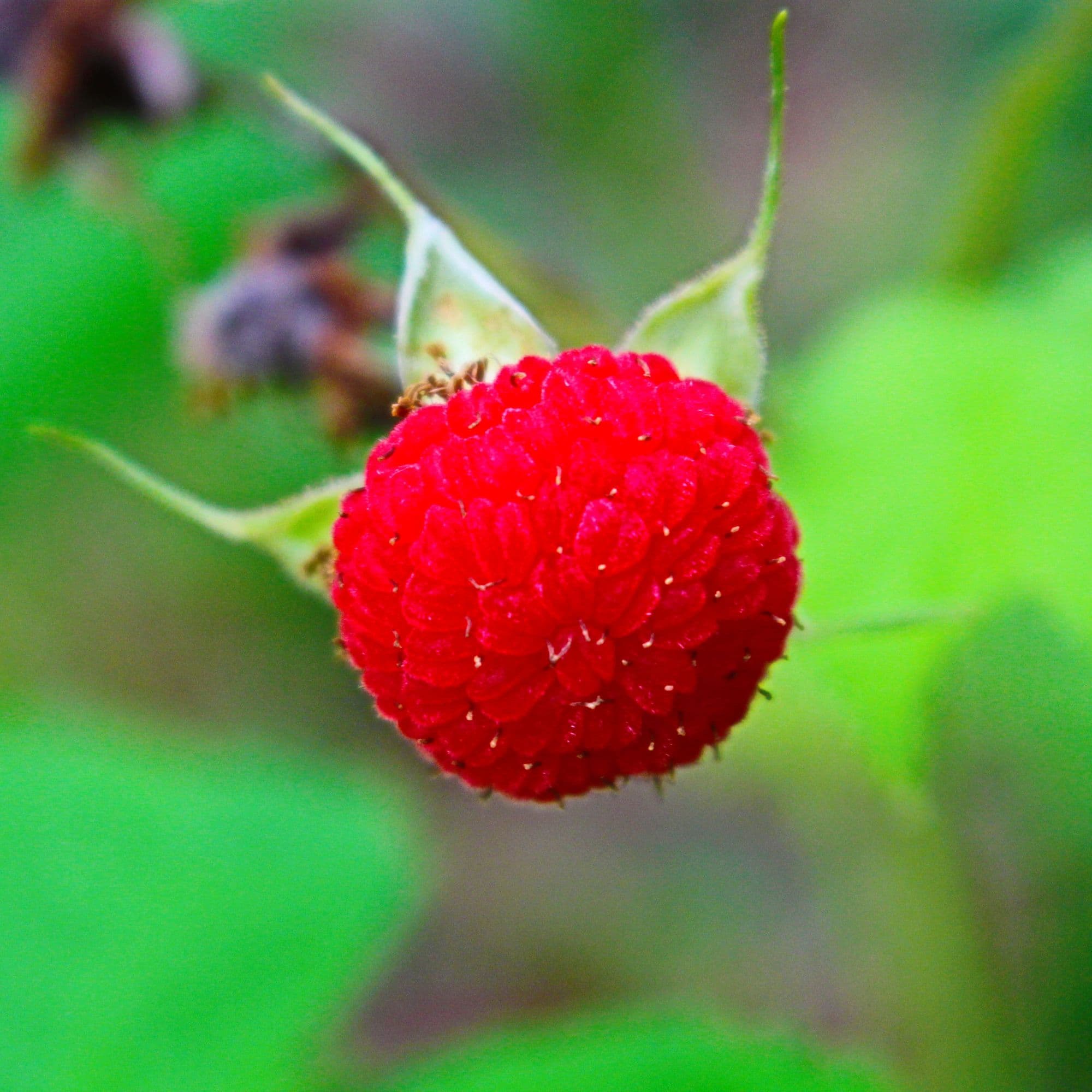
  • Flowering Purple Raspberry - Eastern ThimbleberryIn Stock

    Flowering Purple Raspberry - Eastern Thimbleberry

    Rubus Odoratus The flowering purple raspberry, scientifically known as Rubus odoratus . I like to refer to as the Eastern Thimbleberry. This unique plant is celebrated for its striking purple flowers, vibrant foliage and of course....... Delicious raspberries. Which are in the shape of a dome or thimble. Sizes Explained A Grade (Ground-Ready): Stronger, thicker stems for instant planting. B Grade (Ground-Ready): Suitable for planting directly in the ground. Pot-Ready: Start in a pot or nursery bed for one season before transplanting. Characteristics of the Eastern Thimbleberry Similar to the western states and their thimbleberry. The Purple Flowering Raspberry is characterized by its large, serrated leaves. Delicate, cup-shaped blooms. And the fruits are red like raspberries and domed shape Different to the regular raspberry cone shape fruits. Thimbleberry Rubus odoratus is native to the eastern regions of North America It thrivies in moist woodlands, forest edges, and clearings. Its growth pattern has ability to reach heights of 3 to 5 feet. The shrub often spreads through its root systems, making it an effective ground cover in suitable environments. The fruit produced by Rubus odoratus is a small, aggregate berry, resembling a thimble, thus earning its common name. These edible berries are not only enjoyed by humans but also provide sustenance for various wildlife. Its vibrant flowers seem to go on forever throughthe summer season. Everytime we look there are more new flowers. Which means new berries. Since each flower will grow a fruit. Plants are great like that. Did I mention that the flowering purple raspberry is a native plant. Yes! It's native to the eastern provinces of Canada. From Nova Scotia to Ontario. Cultivating and Caring for Eastern Thimbleberry It is a beloved perennial that thrives in any conditions. Eastern thimbleberries prefer full to partial sunlight. But.... I've seen them growing below a forested covered canopy of large trees. Ideally choosing a location that receives at least 4 to 6 hours of sunlight daily is best. This exposure enhances blooming and fruiting, allowing the plant to flourish. Regarding soil, Rubus odoratus thrives best in loamy, well-drained soil enriched with organic matter. Good drainage is crucial, as overly soggy soil can lead to root rot. Don't let it sit in a wet boggy place. Of course, regular watering is important during the growing season. Particularly when the plant is establishing its roots or setting fruit. As the plant matures, applying mulch can help retain soil moisture while suppressing weeds. You can plant the raspberry approximately 3 to 4 feet apart. Prune and remove dead or weak canes each year to allow for healthier new growth. Key Features Beautiful ornamental raspberry with large, hibiscus-like purple-rose flowers. Long bloom period from early summer into fall—excellent for pollinators. Produces edible raspberries , soft and somewhat dry, best for fresh snacking or wildlife. Broad, maple-like leaves give it a lush, shrubby appearance. Forms a dense, bushy thicket —useful for naturalized plantings, understory layers, and habitat gardening. No thorns (unlike most raspberries). Native to eastern North America , including parts of Canada. Growth & Planting Planting Zone: 3–8 Sunlight: Full sun to part shade (flowers longest in full sun). Soil: Moist, well-drained soils; tolerates clay and sandy loam. pH: Slightly acidic to neutral ( 5.5–7.0 ). Spacing: 3–5 ft between plants; wider if you want to control spread. Mature size: 3–6 ft tall and wide. Growth habit: Suckering shrub; spreads slowly by underground stems. Why Grow Purple-Flowering Raspberry? Incredible summer colour —one of the showiest native shrubs. Pollinator magnet , especially bees and butterflies. Wildlife-friendly edible berries . Great for woodland edges, understory gardens, and naturalized areas . Low-maintenance , hardy, and adaptable to tough sites.

    CA$9.00from
    View Plant
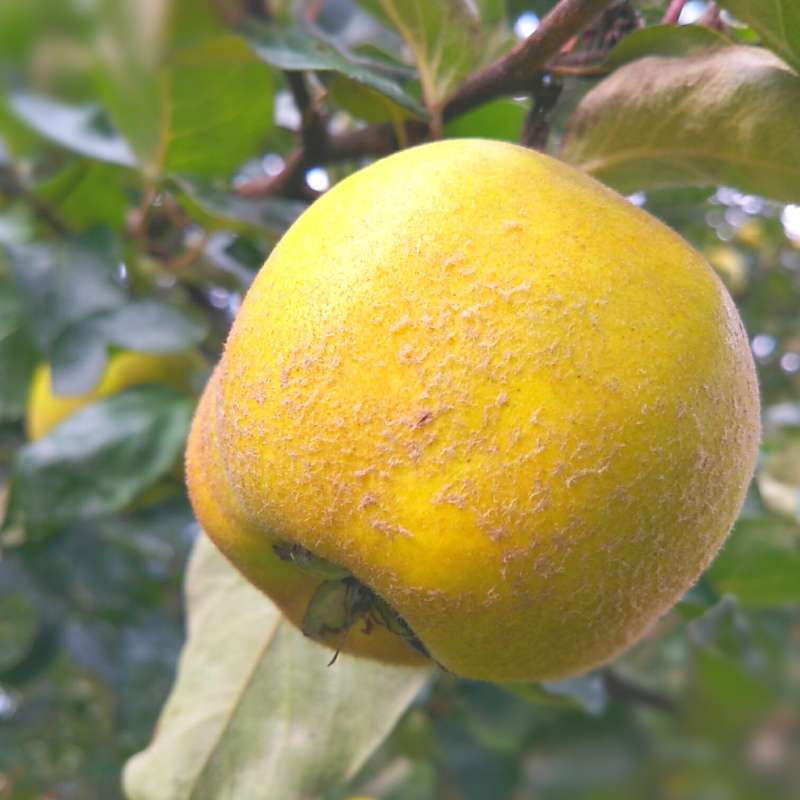
  • QuinceIn Stock

    Quince

    Our Quince Shrub ( Chaenomeles Speciosa) ,a versatile and hardy addition to any landscape. Read on to discover why this exceptional plant deserves a place in your garden. Pot-Ready: Start in a pot or nursery bed for one season before transplanting. Hardiness Zone: Ideal for USDA hardiness zones 5-9, our Quince Shrub thrives in a wide range of climates, making it suitable for many regions. Soil Type: Plant your Quince Shrub in well-draining soil with a slightly acidic to neutral pH. Loamy soil is ideal, but this resilient plant can adapt to various soil types. Fruit Size: Expect to harvest pear-shaped quinces that typically range from 2 to 4 inches in size. These fruits are renowned for their aromatic and distinctive flavor. Height and Width: This compact shrub typically reaches a height of 6 to 10 feet and a similar spread. Its manageable size makes it suitable for smaller gardens and containers. Flowering Time: In late spring to early summer, your Quince Shrub will burst into a breathtaking display of pink and white blossoms, attracting pollinators and adding visual appeal to your garden. Growth Habits: Known for its spreading and bushy growth habit, the Quince Shrub forms a dense, attractive canopy. Regular pruning can help maintain its shape and encourage fruit production. Fruit Utilization: Quinces are incredibly versatile. They can be used in various culinary creations, including preserves, jellies, pies, and tarts. Their high pectin content makes them perfect for creating flavorful jams. Harvesting Ripe Fruit: Quinces are typically ready for harvest in late fall. The fruits should be firm and yellow with a pleasant fragrance. Once harvested, they can be stored in a cool, dry place and will continue to ripen, becoming even more fragrant and flavorful. Additional Requirements: Full sun to partial shade is ideal for optimal fruit production. Regular watering, especially during dry spells, is essential to keep the soil consistently moist. Annual pruning helps improve air circulation and fruit production. Protect young shrubs from frost during the winter months. Incorporate our Quince Shrub into your garden, and you'll enjoy not only its ornamental beauty but also the delightful fruits it produces. Whether you're a seasoned gardener or just starting, this hardy shrub is sure to be a rewarding addition. Don't miss out on the opportunity to elevate your garden with this charming and flavorful Quince Shrub. Order yours today and savor the rewards for years to come!

    CA$15.00from
    View Plant
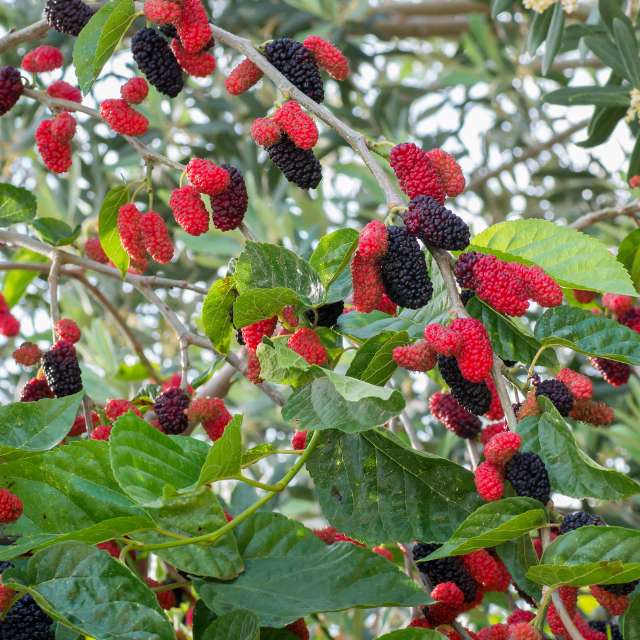
  • Red Mulberry TreeIn Stock

    Red Mulberry Tree

    The Red Mulberry Tree, scientifically known as Morus rubra, is a splendid native species that beckons with its elegant appearance and bountiful harvest. Known for its versatility and resilience, this tree offers not only a beautiful canopy but also delectable, sweet fruits that are a delight for your taste buds. Appearance: The Red Mulberry Tree showcases lush, deciduous foliage, with leaves that vary from glossy green to heart-shaped. As the seasons unfold, this tree transforms into a majestic specimen, providing cooling shade and visual charm to your garden. Its reddish-brown bark adds character to its overall appeal. Fruit and Culinary Versatility: What truly sets the Red Mulberry apart is the abundance of sweet, juicy fruits it bears. These delectable mulberries are packed with flavor, akin to a blend of blackberry and raspberry with a hint of honey. They are perfect for fresh snacking, creating jams, pies, or as an enchanting addition to your fruit salads. Cultivation: Red Mulberry Trees thrive in a range of climates, making them an ideal choice for gardens across the United States and Canada. They are well-suited for USDA Hardiness Zones 4-8, offering adaptability to various conditions. At our nursery, we provide sapling trees ready to grace your garden with their beauty and productivity. Why Choose the Red Mulberry Tree? If you're seeking a tree that combines aesthetic appeal with a fruitful harvest, the Red Mulberry Tree is an excellent choice. Its resilience, delightful fruits, and culinary versatility make it a standout option for gardeners of all levels. Plus, it attracts wildlife, from birds to squirrels, adding an element of natural wonder to your outdoor space. Order Now: Awaken your taste buds to the wonders of homegrown, sweet mulberries. A remarkable addition that will bring a touch of natural charm to your garden.

    CA$15.00from
    View Plant
  • RedcurrantIn Stock

    Redcurrant

    Ribes rubrum

    Key Features Cold-hardy berry shrub known for its bright red, tart-sweet clusters of fruit. Excellent for jams, jellies, sauces, wine, cordials, and fresh snacking . Heavy producer with long, dangling trusses of berries that are easy to pick. Self-fertile , but yields improve with multiple plants. Compact, tidy shrub , ideal for small gardens, food forests, and homesteads. Excellent wildlife and pollinator value. Growth & Planting USDA Planting Zone: 2–7 Sunlight: Full sun to part shade (best fruiting in full sun). Soil: Prefers moist, well-drained loam; tolerant of clay and variable soil. pH Range: 5.5–7.0 Spacing: 4–5 ft between plants. Mature Size: 3–5 ft tall and wide. Bearing Age: Begins producing in 2–3 years . Why Grow Red Currants? Dependable crops even in cold or wet summers. Great addition to hedges, mixed borders, and food forests. Hardy across most of Canada , including Nova Scotia. Attractive foliage and long, jewel-like berry strings that look beautiful on the shrub. Redcurrant. GROWTH: Good growth in first year. Mature shrub reaches 4 feet tall and 3 feet wide. Sizes Explained A Grade (Ground-Ready): Stronger, thicker stems for instant planting. B Grade (Ground-Ready): Smaller than A grade and suitable for planting directly in the ground. Pot-Ready: Start in a pot or nursery bed for one season before transplanting. Delicious tasting fruit in a little red berry. Juicy and sweet when picked just right. Makes endless creations for breakfast and snacks. Excess can be placed in a freezer for longer term storage. TIP: Red currants are self fertile but more productive if planted with other red currants for pollination.

    CA$11.00from
    View Plant
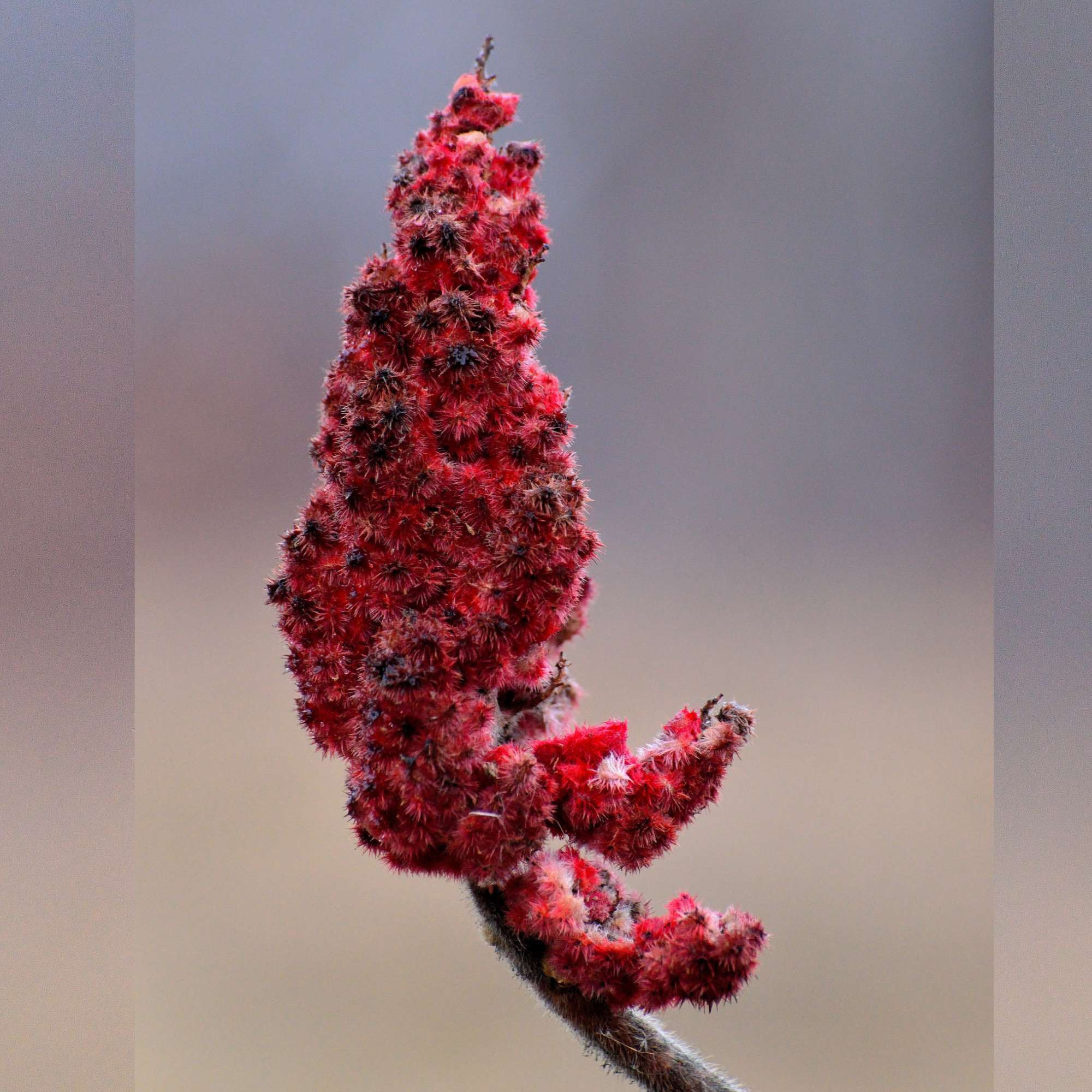
  • Staghorn SumacIn Stock

    Staghorn Sumac

    Staghorn Sumac: Elevate your garden's allure with the Staghorn Sumac (Rhus typhina). This striking deciduous shrub boasts resilience and visual appeal, thriving in various conditions and hardiness zones 4-8. A Grade (Ground-Ready): Stronger, thicker stems for instant planting. B Grade (Ground-Ready): Smaller than A grade and suitable for planting directly in the ground. C Grade: Start in a pot or nursery bed for one season before transplanting. Key Features: Hardiness Zone (4-8): This hardy shrub adapts effortlessly to climates ranging from chilly winters to warm summers, making it an ideal choice for a diverse range of landscapes. Soil Preferences: The Staghorn Sumac flourishes in well-drained soil types, including loamy, sandy, or rocky soils, showcasing its adaptability to different soil conditions. Fruit Size and Appearance: Expect vibrant clusters of red fruit measuring around ¼ to ½ inch in diameter, adding a pop of color and visual interest to your garden. Height and Width: With a height spanning 15 to 25 feet and a width of approximately 20 to 30 feet, this shrub suits gardens of varying sizes, lending a captivating presence. Flowering Time: During late spring to early summer, the Staghorn Sumac displays dense, conical flower clusters that attract pollinators, contributing to its aesthetic charm. Growth Habits: Featuring an upright, spreading growth pattern and distinct fern-like foliage, this plant offers texture and depth to your garden landscape. Fruit Utilization: Harvest ripe fruit clusters in late summer to early fall for diverse purposes. The dried and ground fruit serves as a tangy spice or creates refreshing beverages like sumac-ade. Determining Ripeness: Identify ripe fruit by its vibrant red coloration and plumpness, indicating the perfect time for harvesting. Additional Requirements: Sunlight Needs: Optimal growth and fruit production occur in full sun to partial shade, requiring adequate sunlight exposure. Watering Requirements: While moderately drought-tolerant, consistent watering during dry spells aids in establishing healthy growth. Maintenance Tips: Pruning supports managing size and shape, fostering a fuller appearance and maintaining garden aesthetics. Conclusion: With its versatility, visual allure, and low maintenance, the Staghorn Sumac stands as a valuable addition to any garden or landscape. Elevate your outdoor space effortlessly with this resilient and stunning shrub!

    CA$7.00from
    View Plant
  • Thornless BlackberryIn Stock

    Thornless Blackberry

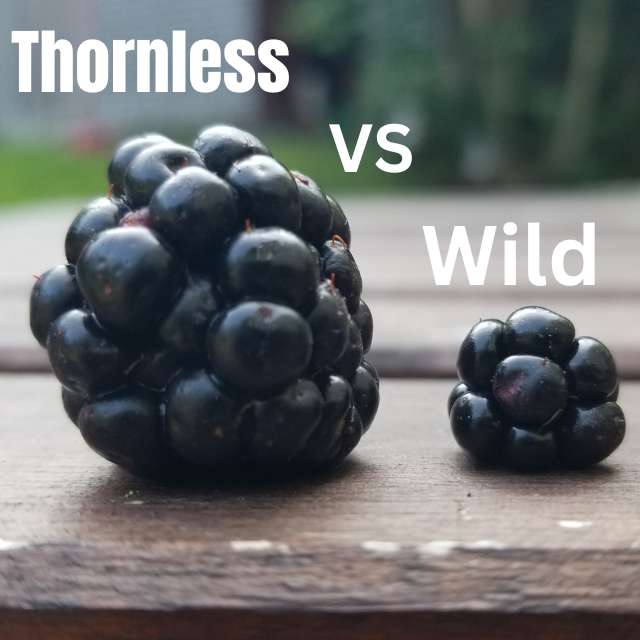
    Grow Your Own Delicious Thornless Blackberry Plants Experience the delight of homegrown thornless blackberries with our premium Thornless Blackberry plants. Here's why you'll love them: Sizes Explained A Grade (Ground-Ready): Stronger, thicker stems for instant planting. B Grade (Ground-Ready): Thinner stems, but still suitable for planting directly in the ground. Pot-Ready: Start in a pot or nursery bed for one season before transplanting. Hardiness Zone Suitable for Hardiness Zones 4-9, these thornless blackberry plants adapt to various climates, ensuring a reliable harvest in your region. Ideal Soil Type Thornless Blackberries thrive in well-draining, loamy soil with a slightly acidic to neutral pH level (around 5.5 to 7.0). Prepare your garden bed with rich, organic matter for optimal growth. Fruit Size Enjoy plump, juicy blackberries that are larger than many other varieties. Their robust size and sweet flavor make them perfect for fresh snacking, desserts, jams, and pies. Plant Size Our Thornless Blackberry plants typically reach heights of 4-6 feet, with a similar width, creating a compact and manageable berry patch in your garden. Flowering Time These blackberry bushes burst into bloom in late spring to early summer, attracting essential pollinators to your garden. Growth Habits Thornless Blackberries are known for their erect and self-supporting growth habit. You won't have to worry about thorns while tending to your berry patch. What to Do with the Fruit Your Thornless Blackberry harvest offers endless culinary possibilities. Enjoy them fresh, add them to smoothies, make delectable jams, bake mouthwatering pies, or even use them in savory dishes. Ripeness Indicator Harvest your blackberries when they turn glossy black and easily come off the plant with a gentle tug. Ripe berries typically appear in mid to late summer. Additional Requirements - Sunlight: Ensure your Thornless Blackberry plants receive at least 6-8 hours of sunlight daily for robust fruit production. - Watering: Keep the soil consistently moist, especially during the growing season, to support healthy growth and fruit development. - Pruning: Regular pruning in late winter or early spring helps maintain shape and encourages new growth. - Pollination: While these blackberries are self-pollinating, planting multiple plants can increase fruit production. - Support: Consider trellising or staking to support heavy fruit-laden canes during the growing season. Why Choose Our Thornless Blackberry Plants - High-Yield Harvest: Our Thornless Blackberry plants yield an abundance of sweet, thorn-free berries. - Compact and Manageable: These plants are perfect for small gardens or even container gardening. - Culinary Versatility: From desserts to savory dishes, explore the endless culinary possibilities of homegrown blackberries. - Easy Care: These low-maintenance plants thrive with minimal effort, so you can enjoy a fruitful harvest without the hassle of thorns. Elevate your garden and your culinary creations with Thornless Blackberries. Order now and look forward to a season of mouthwatering, thorn-free delights.

    CA$9.00from
    View Plant
  • White CurrantIn Stock

    White Currant

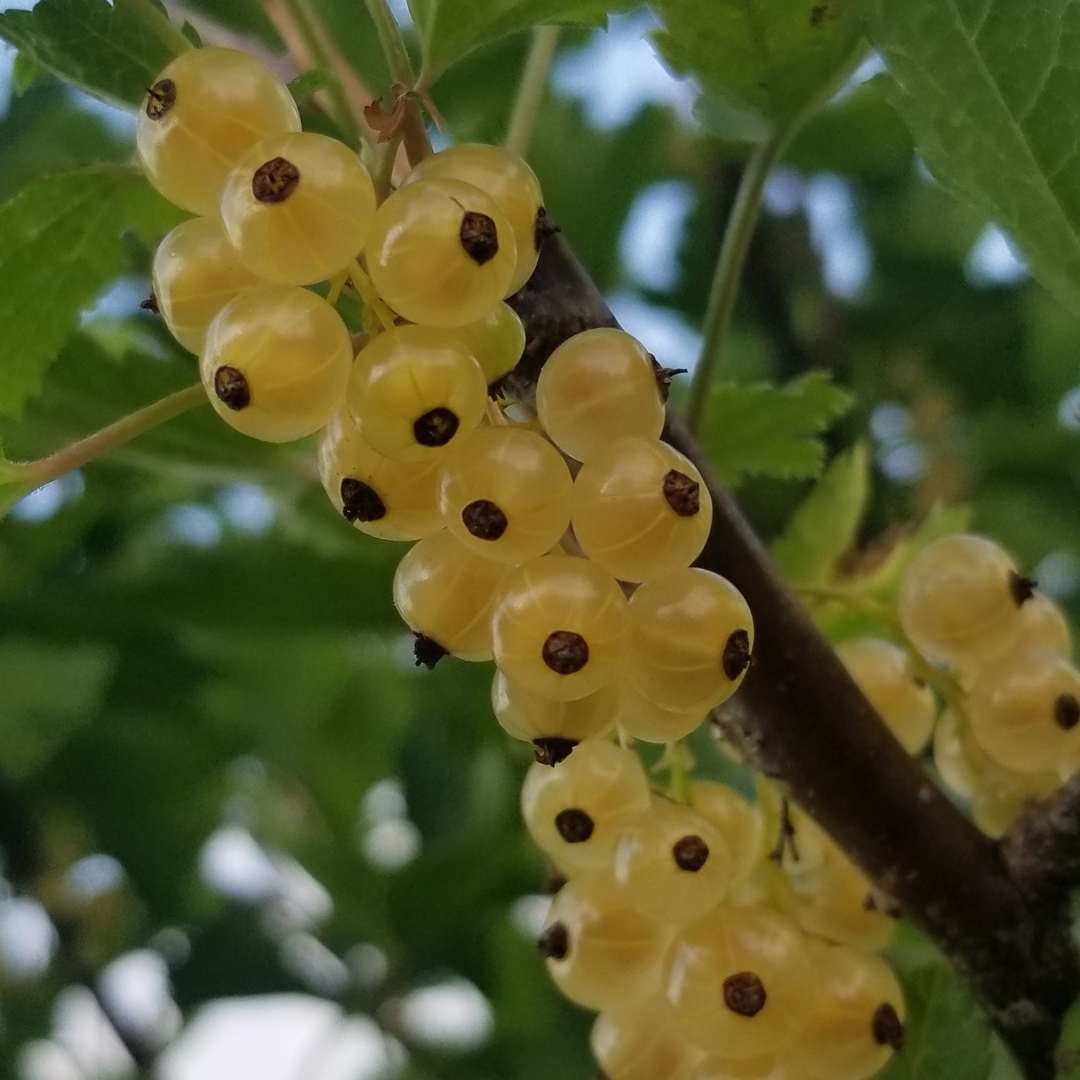
    Introducing White Currants Experience the delightful world of White Currants – nature's sweet treasures that elevate your garden and your culinary creations. A Grade (Ground-Ready): Stronger, thicker stems for instant planting. B Grade (Ground-Ready): Smaller than A grade and suitable for planting directly in the ground. Hardiness Zone White Currants thrive in Hardiness Zones 3-7, making them a versatile choice for a wide range of climates and regions. Ideal Soil Type Plant your White Currant bushes in well-draining, loamy soil enriched with organic matter. They prefer slightly acidic to neutral soil with a pH range of 6.0 to 7.0. Fruit Size These dainty gems produce small, translucent berries that burst with a unique sweet-tart flavor. Perfect for snacking, garnishes, preserves, and creative culinary endeavors. Plant Size Your White Currant bushes typically reach a compact height of 3-4 feet , with a similar width. Making them an excellent choice for small gardens, containers, or espaliered against a wall. Flowering Time White Currant bushes grace your garden with clusters of delicate white flowers in early to mid-spring. These blossoms not only look enchanting but also attract essential pollinators. Growth Habits White Currant bushes have a dense and bushy growth habit. They are known for their vigorous branching and compact shape, making them easy to manage and prune. What to Do with the Fruit Your bountiful White Currant harvest offers endless culinary possibilities. Enjoy them fresh, add a burst of flavor to salads, create exquisite jams, jellies, or infuse into beverages. These berries are perfect for both sweet and savory dishes. Ripeness Indicator Harvest your White Currants when they turn translucent and have a slightly soft texture. Typically, they ripen in late spring to early summer, inviting you to savor their unique sweetness. Additional Requirements - Sunlight: Provide your White Currant bushes with full sun to partial shade, ensuring they receive at least 6-8 hours of sunlight daily for optimal fruit production. - Watering: Maintain consistently moist soil, especially during the growing season, to support healthy growth and fruit development. - Pruning: Regular pruning during late winter or early spring helps maintain shape and encourages new growth. - Pollination: White Currants are typically self-pollinating, simplifying the cultivation process. - Pest Control: Monitor for common pests and implement preventive measures to ensure a thriving crop. Why Choose Our White Currant Bushes - Unique Sweetness: Delight in the distinctive sweet-tart flavor of White Currants, a delightful addition to your garden. - Compact and Manageable: These bushes fit perfectly in small gardens or containers, offering a high yield in limited space. - Culinary Versatility: From sweet desserts to savory delights, explore the culinary wonders of White Currants. - Easy Care: These low-maintenance bushes thrive with minimal effort, providing a steady supply of delectable berries. Order now and look forward to a season of sweet, tangy delights.

    CA$15.00from
    View Plant
  • Wine GrapesIn Stock

    Wine Grapes

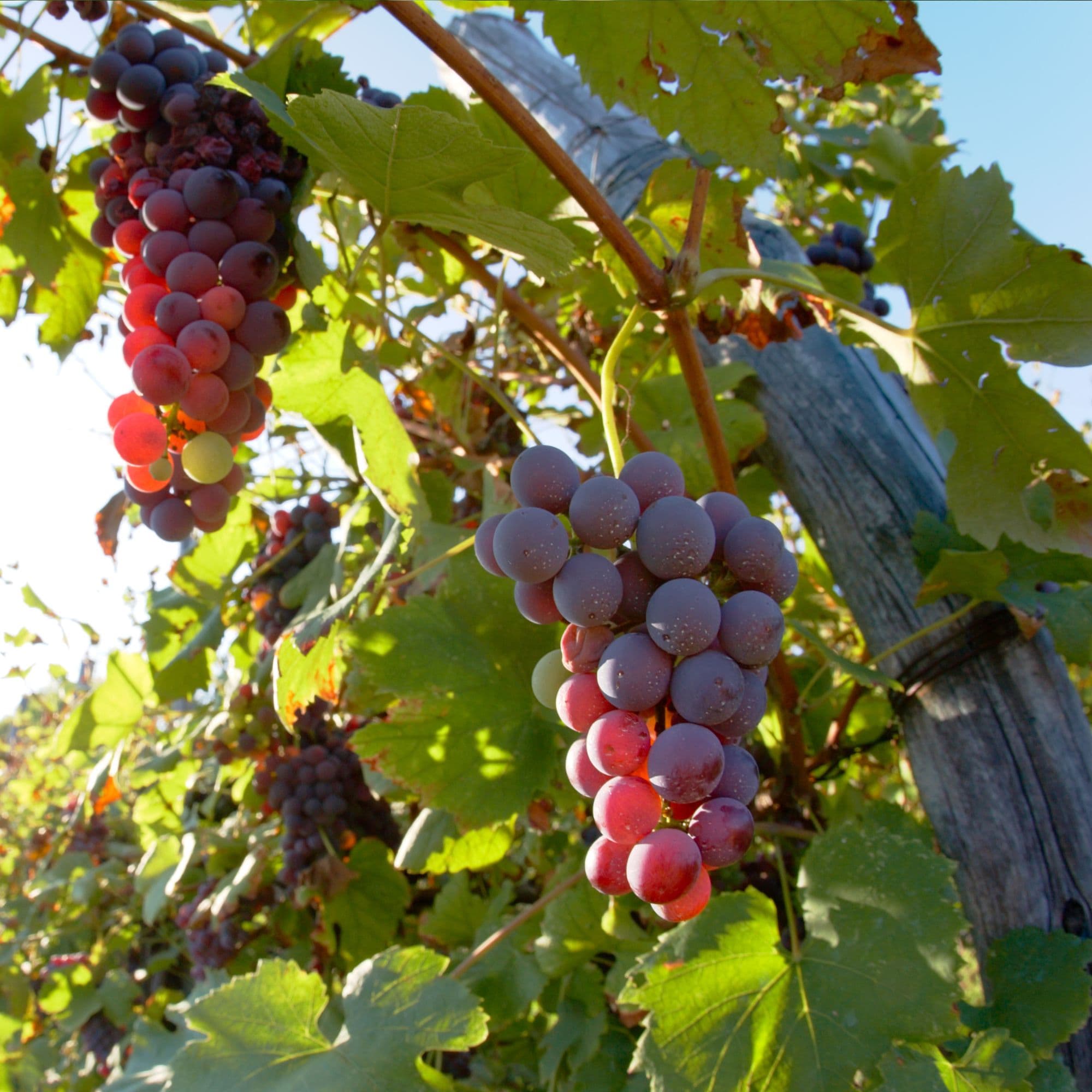
    Cold-Hardy Wine Grapes for Northern Climates Discover some of the best cold-hardy wine grapes for short-season and northern growing regions, perfect for Nova Scotia, New Brunswick, Quebec, and Ontario vineyards. These resilient French-hybrid grapes, including favourites like Léon Millot and Lucy Kuhlmann, ripen early, resist disease, and produce beautifully coloured, flavourful wines even in cooler summers. Ideal for backyard vineyards, homesteads, and small wineries looking for reliable performance in cold climates. Léon Millot Léon Millot is one of the best early-ripening red wine grapes for cool-climate growers, producing deeply coloured wines with rich cherry and blackberry notes. This hardy French hybrid thrives in short-season regions like Nova Scotia and is known for its reliable yields and disease resistance. A perfect choice for backyard vineyards, small wineries, and northern homesteads. Lucy Kuhlmann Lucy Kuhlmann is an extremely cold-hardy red wine grape that delivers bold, richly coloured wines even in tough northern climates. Loved by growers for its dependable ripening, strong disease resistance, and balanced fruit character, it’s ideal for Nova Scotia vineyards and home winemakers. A top pick for anyone wanting a reliable red grape in cooler regions. Léon Millot (Wine Grape) Key Features Very early-ripening French hybrid —excellent for short-season and cool-climate viticulture. Produces deep red to nearly black wines with bold colour and soft tannins. Flavour profile: cherry, blackberry, plum, light spice; often compared to Baco Noir but earlier. Cold-hardy and disease-resistant , especially against mildew. Small clusters with small berries , ideal for high-colour wines. High sugar accumulation even in cooler summers. Growth & Planting USDA Planting Zone: 4–8 Sunlight: Full sun (critical for best wine quality). Soil: Well-drained loam or sandy loam; tolerates clay if not waterlogged. pH: 5.5–7.0 Spacing: 6–8 ft between vines, 8–10 ft between rows. Training: Performs well on vertical trellis systems (VSP). Ripening time: Very early— mid-September in cool areas . Use: Dry reds, rosé, blends, and cold-climate table wines. Why Grow Léon Millot? Ideal for Nova Scotia , Quebec, Ontario, and all cool northern regions. Reliable fruit set and consistent yields. Creates premium colour-heavy wine even in shorter summers. Lucy Kuhlmann (Wine Grape) Key Features Early-ripening red hybrid bred for cold climates and disease resistance. Produces deep red, richly coloured wines with soft tannins. Flavour profile: mixed red and black fruit, cherry, cassis, light floral notes. Extremely cold-hardy —excellent for northern vineyards and homesteads. Strong disease resistance , especially to powdery and downy mildew. Very reliable producer even in tough seasons. Growth & Planting USDA Planting Zone: 3–8 (hardier than Léon Millot) Sunlight: Full sun. Soil: Prefers well-drained soils; adaptable to clay and poorer ground. pH: 5.5–7.0 Spacing: 6–8 ft between plants; 8–10 ft row spacing. Training: Works well on VSP or high-wire cordon. Ripening time: Early— mid to late September in northern zones. Use: Dry reds, rosés, blends, and backyard winemaking. Why Grow Lucy Kuhlmann? One of the best cold-hardy red grapes for homesteads and small vineyards. Highly dependable, even in poor summers. Perfect match for northern wine regions, including Nova Scotia.

    CA$13.00from
    View Plant
  • Zone-matched plants

    Every plant shows the zones where it thrives.

  • Grown in Nova Scotia

    Raised for Canadian winters, shipped across Canada.

  • Not sure what fits?

    Tell us your land and goals — we'll match you.

Need help choosing?Talk to a Plant Expert

Cold-hardy plants for Canadian landscapes

Every tree, shrub, and berry in our nursery is grown in Nova Scotia and selected for real Canadian conditions — short summers, cold winters, and everything in between. Whether you're planting a nut orchard, a berry patch, or restoring habitat with native plants, start with your hardiness zone and plant with confidence.