Nova Scotia grown

The Discovery Garden

Shop All Plants

76 plants

Cold-hardy trees, berries, and native plants — every one grown for Canadian winters and matched to your zone.

Filters
  • Walnut treeIn Stock

    Walnut tree

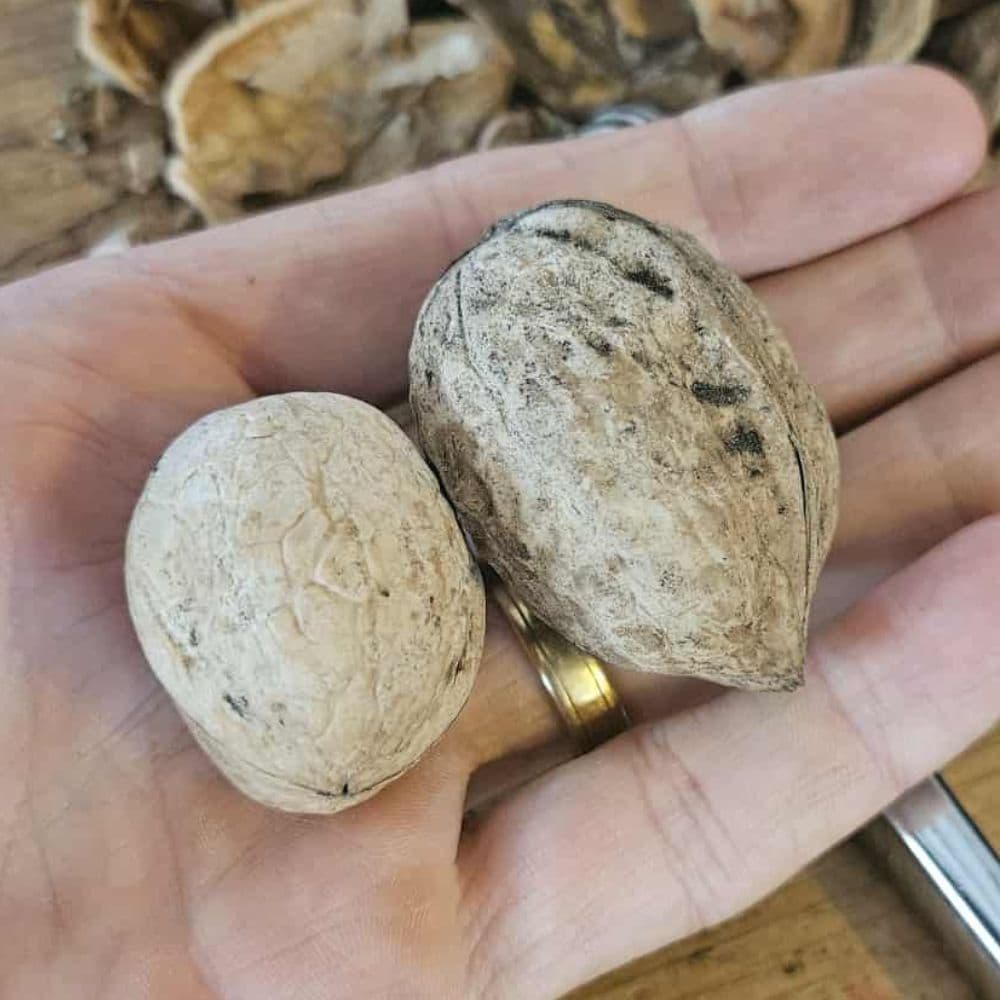
    Walnut Tree (Persian Walnut) – Juglans regia The Persian Walnut ( Juglans regia ) is one of the most popular and productive nut trees you can plant. Known for its sweet, buttery nuts and fast growth, this hardy walnut is ideal for home growers, hobby orchards, and anyone wanting to add a long-lived food tree to their landscape. Sizes Explained A Grade (Ground-Ready): Stronger, thicker stems for instant planting. B Grade (Ground-Ready): Thinner stems, suitable for planting directly in the ground. Pot-Ready: Start in a pot or nursery bed for one season before transplanting. Key Features Produces large, easy-to-crack walnuts Grows well in Zones 5–8 Tasty, mild, classic walnut flavour Fast-growing and long-lived Excellent shade tree and nut producer Mature Size & Growth Habit The Persian Walnut develops a strong central trunk and a broad, rounded canopy, making it a statement tree in any yard. Height: 40–60 ft (12–18 m) Spread: 30–40 ft (9–12 m) Long lifespan: 50+ years of nut production Begins bearing nuts in 5–7 years This walnut tree grows best in full sun and deep, well-drained soil . Once established, it becomes drought-tolerant and low-maintenance . Nut Taste & Quality This is the classic walnut we all know — the smooth-shelled, easy-to-crack walnut commonly found in stores. Light-coloured shell Thin skin and mild flavour Sweet, buttery taste Easy to crack; kernels often come out in full halves Nuts ripen from late September to October , making it a dependable autumn harvest. Where the Walnut Tree Grows Best The Persian Walnut thrives in many parts of Canada and the northern United States. Great for southern Canada ( NS, ON, QC in warmer sites ) Performs well in climates with warm summers and cold winters Avoid frost pockets and heavy clay soil Prefers full sun and open space Ideal for food forests, homesteads, small farms, and backyard growers . Why Grow This Walnut Tree? Produces delicious nuts for decades Beautiful foliage and excellent summer shade Adds value to your property Reliable harvest and low maintenance Perfect choice for long-term edible landscaping What You Receive Your walnut tree is shipped bare-root in early spring , ready to plant, quick to establish, and grown with care on our farm.
    CA$11.00from
    View Plant
  • White CurrantIn Stock

    White Currant

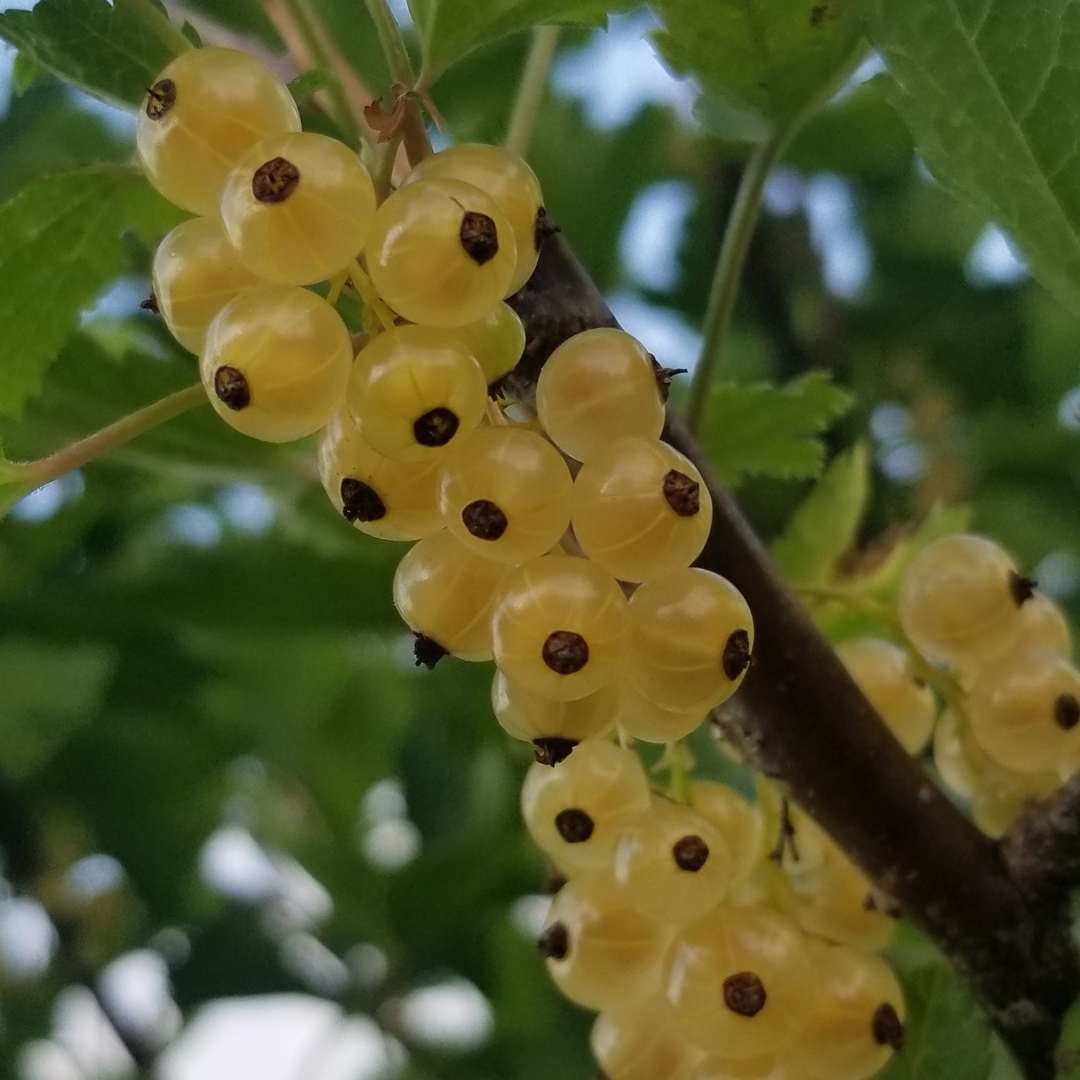
    Introducing White Currants Experience the delightful world of White Currants – nature's sweet treasures that elevate your garden and your culinary creations. A Grade (Ground-Ready): Stronger, thicker stems for instant planting. B Grade (Ground-Ready): Smaller than A grade and suitable for planting directly in the ground. Hardiness Zone White Currants thrive in Hardiness Zones 3-7, making them a versatile choice for a wide range of climates and regions. Ideal Soil Type Plant your White Currant bushes in well-draining, loamy soil enriched with organic matter. They prefer slightly acidic to neutral soil with a pH range of 6.0 to 7.0. Fruit Size These dainty gems produce small, translucent berries that burst with a unique sweet-tart flavor. Perfect for snacking, garnishes, preserves, and creative culinary endeavors. Plant Size Your White Currant bushes typically reach a compact height of 3-4 feet , with a similar width. Making them an excellent choice for small gardens, containers, or espaliered against a wall. Flowering Time White Currant bushes grace your garden with clusters of delicate white flowers in early to mid-spring. These blossoms not only look enchanting but also attract essential pollinators. Growth Habits White Currant bushes have a dense and bushy growth habit. They are known for their vigorous branching and compact shape, making them easy to manage and prune. What to Do with the Fruit Your bountiful White Currant harvest offers endless culinary possibilities. Enjoy them fresh, add a burst of flavor to salads, create exquisite jams, jellies, or infuse into beverages. These berries are perfect for both sweet and savory dishes. Ripeness Indicator Harvest your White Currants when they turn translucent and have a slightly soft texture. Typically, they ripen in late spring to early summer, inviting you to savor their unique sweetness. Additional Requirements - Sunlight: Provide your White Currant bushes with full sun to partial shade, ensuring they receive at least 6-8 hours of sunlight daily for optimal fruit production. - Watering: Maintain consistently moist soil, especially during the growing season, to support healthy growth and fruit development. - Pruning: Regular pruning during late winter or early spring helps maintain shape and encourages new growth. - Pollination: White Currants are typically self-pollinating, simplifying the cultivation process. - Pest Control: Monitor for common pests and implement preventive measures to ensure a thriving crop. Why Choose Our White Currant Bushes - Unique Sweetness: Delight in the distinctive sweet-tart flavor of White Currants, a delightful addition to your garden. - Compact and Manageable: These bushes fit perfectly in small gardens or containers, offering a high yield in limited space. - Culinary Versatility: From sweet desserts to savory delights, explore the culinary wonders of White Currants. - Easy Care: These low-maintenance bushes thrive with minimal effort, providing a steady supply of delectable berries. Order now and look forward to a season of sweet, tangy delights.

    CA$15.00from
    View Plant
  • Wine GrapesIn Stock

    Wine Grapes

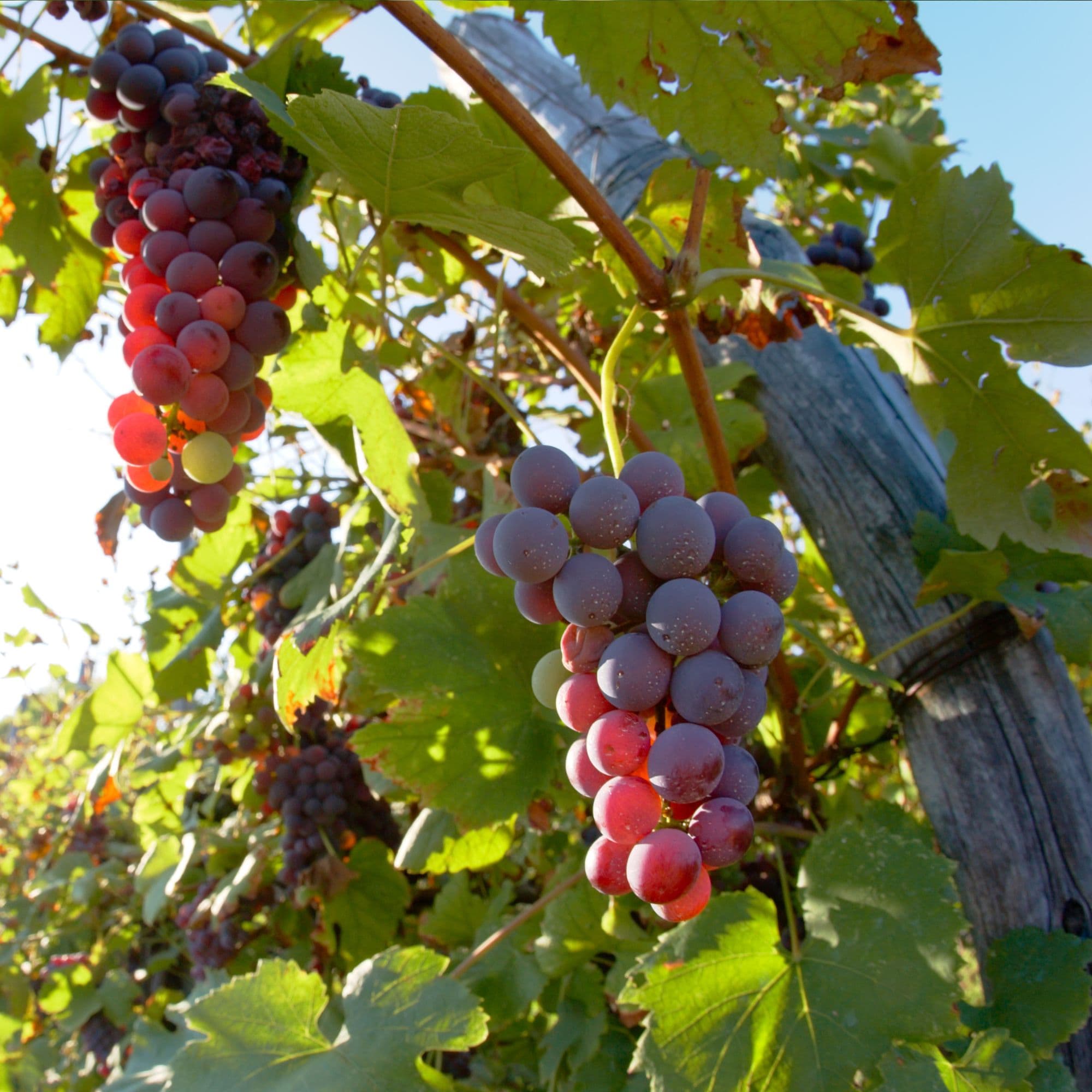
    Cold-Hardy Wine Grapes for Northern Climates Discover some of the best cold-hardy wine grapes for short-season and northern growing regions, perfect for Nova Scotia, New Brunswick, Quebec, and Ontario vineyards. These resilient French-hybrid grapes, including favourites like Léon Millot and Lucy Kuhlmann, ripen early, resist disease, and produce beautifully coloured, flavourful wines even in cooler summers. Ideal for backyard vineyards, homesteads, and small wineries looking for reliable performance in cold climates. Léon Millot Léon Millot is one of the best early-ripening red wine grapes for cool-climate growers, producing deeply coloured wines with rich cherry and blackberry notes. This hardy French hybrid thrives in short-season regions like Nova Scotia and is known for its reliable yields and disease resistance. A perfect choice for backyard vineyards, small wineries, and northern homesteads. Lucy Kuhlmann Lucy Kuhlmann is an extremely cold-hardy red wine grape that delivers bold, richly coloured wines even in tough northern climates. Loved by growers for its dependable ripening, strong disease resistance, and balanced fruit character, it’s ideal for Nova Scotia vineyards and home winemakers. A top pick for anyone wanting a reliable red grape in cooler regions. Léon Millot (Wine Grape) Key Features Very early-ripening French hybrid —excellent for short-season and cool-climate viticulture. Produces deep red to nearly black wines with bold colour and soft tannins. Flavour profile: cherry, blackberry, plum, light spice; often compared to Baco Noir but earlier. Cold-hardy and disease-resistant , especially against mildew. Small clusters with small berries , ideal for high-colour wines. High sugar accumulation even in cooler summers. Growth & Planting USDA Planting Zone: 4–8 Sunlight: Full sun (critical for best wine quality). Soil: Well-drained loam or sandy loam; tolerates clay if not waterlogged. pH: 5.5–7.0 Spacing: 6–8 ft between vines, 8–10 ft between rows. Training: Performs well on vertical trellis systems (VSP). Ripening time: Very early— mid-September in cool areas . Use: Dry reds, rosé, blends, and cold-climate table wines. Why Grow Léon Millot? Ideal for Nova Scotia , Quebec, Ontario, and all cool northern regions. Reliable fruit set and consistent yields. Creates premium colour-heavy wine even in shorter summers. Lucy Kuhlmann (Wine Grape) Key Features Early-ripening red hybrid bred for cold climates and disease resistance. Produces deep red, richly coloured wines with soft tannins. Flavour profile: mixed red and black fruit, cherry, cassis, light floral notes. Extremely cold-hardy —excellent for northern vineyards and homesteads. Strong disease resistance , especially to powdery and downy mildew. Very reliable producer even in tough seasons. Growth & Planting USDA Planting Zone: 3–8 (hardier than Léon Millot) Sunlight: Full sun. Soil: Prefers well-drained soils; adaptable to clay and poorer ground. pH: 5.5–7.0 Spacing: 6–8 ft between plants; 8–10 ft row spacing. Training: Works well on VSP or high-wire cordon. Ripening time: Early— mid to late September in northern zones. Use: Dry reds, rosés, blends, and backyard winemaking. Why Grow Lucy Kuhlmann? One of the best cold-hardy red grapes for homesteads and small vineyards. Highly dependable, even in poor summers. Perfect match for northern wine regions, including Nova Scotia.

    CA$13.00from
    View Plant
  • Zone-matched plants

    Every plant shows the zones where it thrives.

  • Grown in Nova Scotia

    Raised for Canadian winters, shipped across Canada.

  • Not sure what fits?

    Tell us your land and goals — we'll match you.

Need help choosing?Talk to a Plant Expert

Cold-hardy plants for Canadian landscapes

Every tree, shrub, and berry in our nursery is grown in Nova Scotia and selected for real Canadian conditions — short summers, cold winters, and everything in between. Whether you're planting a nut orchard, a berry patch, or restoring habitat with native plants, start with your hardiness zone and plant with confidence.