Nova Scotia grown

The Discovery Garden

Shop All Plants

76 plants

Cold-hardy trees, berries, and native plants — every one grown for Canadian winters and matched to your zone.

Filters
  • Black WalnutShips SpringIn Stock

    Black Walnut

    Juglans nigra

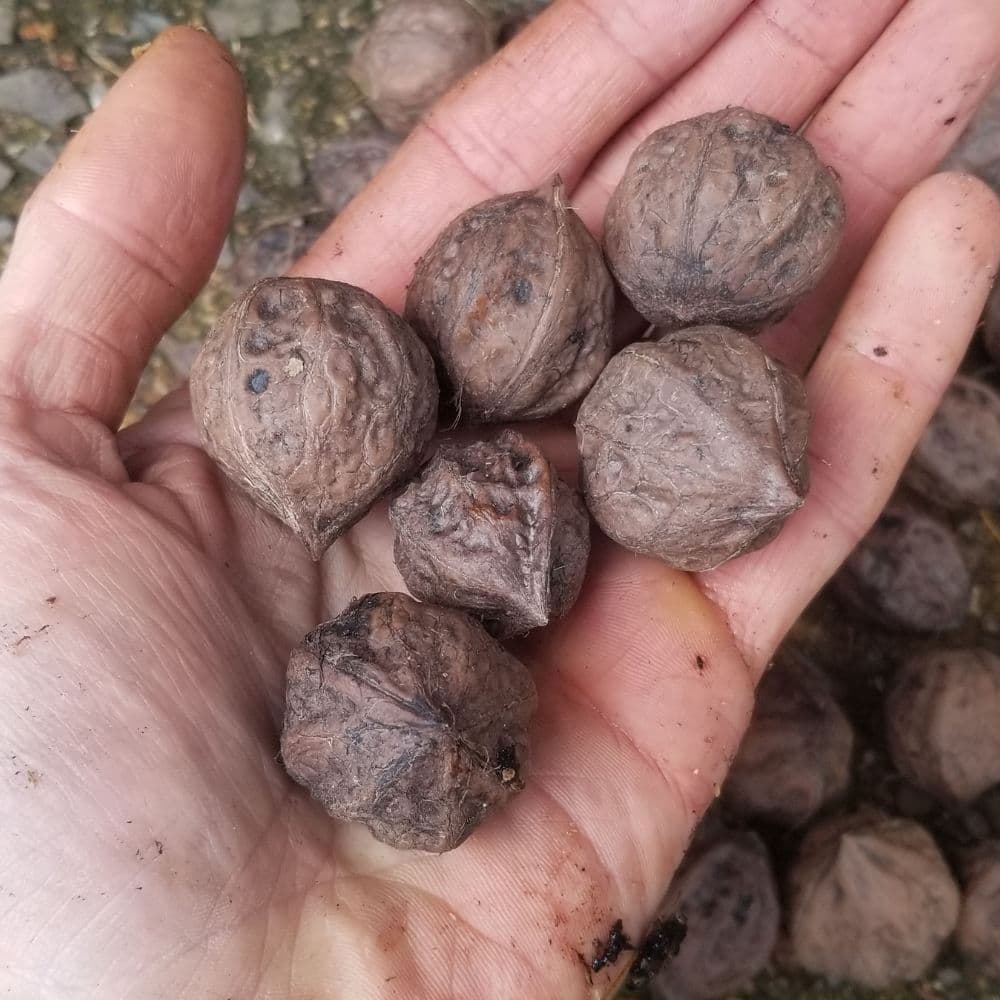
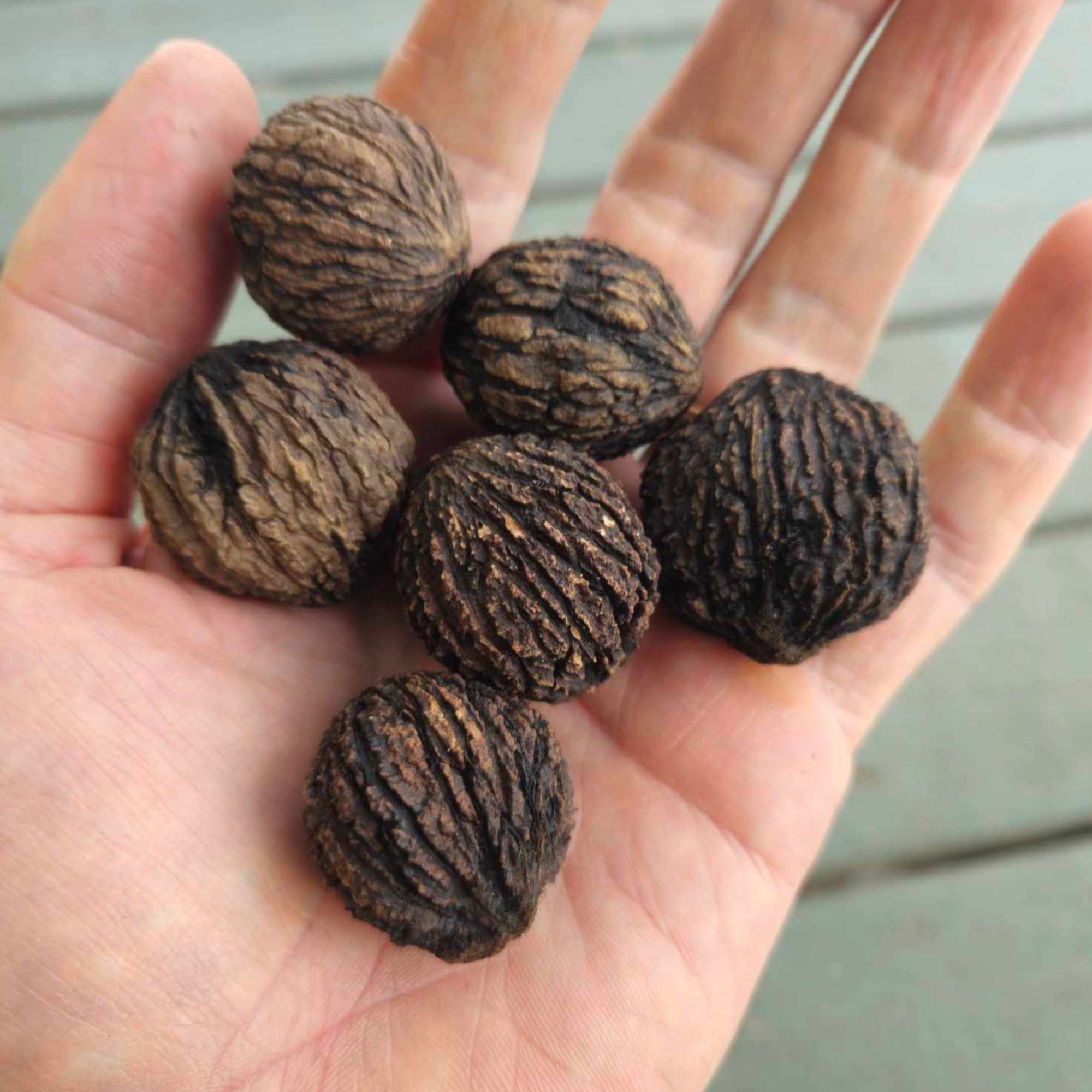
    If you're looking for the ultimate food forest tree , then the Black Walnut is an essential addition. It is the powerhouse of nut trees — tall, strong, and sturdy, yet with a surprisingly tropical appearance. The long leaves sway in the wind in a way that almost resembles palm trees. It can be used as: A backdrop for your garden or landscape A tree in an orchard-style setting A striking feature tree in the front or backyard And best of all — it produces delicious edible nuts . Nut Production Edible nuts are of course the main reason many growers choose the Black Walnut tree. The tree begins producing delicious nuts at around 8 years of age . Unlike the typical walnut found in supermarkets, the Black Walnut has a unique flavour profile — smoky, bold, rich, and hearty. Once cracked from the shell, the nuts can be enjoyed: Raw In baking In cakes and cookies Harvesting Nuts Black walnuts are one of the easiest nuts to harvest . Each autumn, the nuts fall naturally from the tree to the ground, making collection simple. Just gather the green, golf-ball-sized husks and place them in a bucket or bag. Depending on growing conditions, some nuts may grow even larger. If you have multiple productive trees, selling the nuts can also become a small source of income . Timber Value Black Walnut is also highly valued for timber production . The wood is extremely sought after by furniture makers due to its: Strength Durability Beautiful dark colour Large mature Black Walnut trees have been known to sell for tens of thousands of dollars . On average: 40- 60 year-old trees grown for timber and veneer can be valued at between $1,000 - $5000 each With approximately 25 trees per acre , timber value could reach $30,000 - $125,000 per acre Allowing trees to mature for 50 years or more can significantly increase this value. Pollination For best nut production, it is recommended to plant at least two Black Walnut trees . Planting multiple trees improves pollination and helps ensure a healthy nut harvest. Mature Tree Size Black Walnut trees can grow to a mature height of approximately 80 feet . With good growing conditions and plenty of sunlight, they grow quickly and can reach 50 feet in height within a few decades . Sun or Shade? Black Walnut is naturally a forest tree . It can tolerate partial shade, but full sun will produce the best nut yields . Planting Instructions Your Black Walnut trees are shipped as bare-root seedlings approximately 1–3 feet tall . Roots are carefully wrapped and kept moist during shipping. When planting: Dig a hole about 1.5 times the size of the root system Add compost or rich soil if available Plant within 3 days of receiving the tree Spacing Black Walnut trees can be planted as close as 10 feet apart , but for orchards and timber production, spacing of around 20 feet apart is recommended. Ordering Instructions Select the quantity of Black Walnut tree seedlings Click Add to Cart Complete checkout using card, PayPal, or e-transfer Our bare-root tree sale is currently active , and quantities are limited each year. Don’t miss out — complete your Black Walnut tree order today . Sizes A Grade (Ground-Ready): Stronger, thicker stems for instant planting. B Grade (Ground-Ready): Thinner stems, but still suitable for planting directly in the ground.

    • Zone 4–9
    • 75 ft
    • Full Sun
    CA$13.00from
    View Plant
  • Blueberry PlantIn Stock

    Blueberry Plant

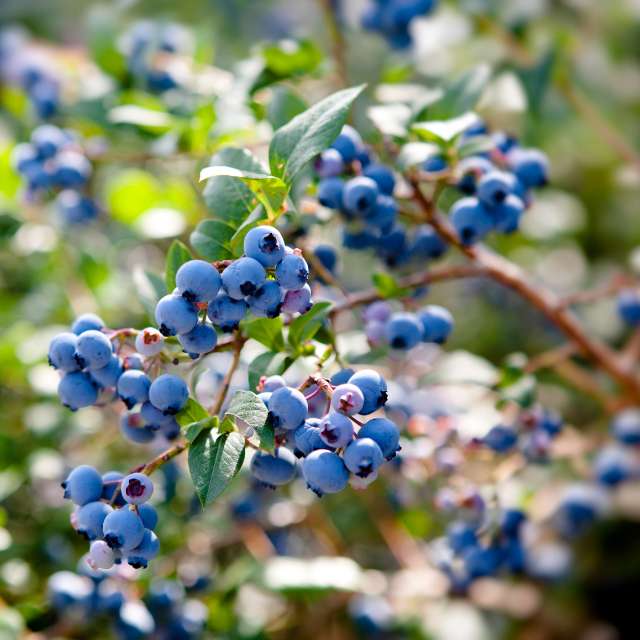
    Hardiness Zone : Our Blueberry Plant is hardy in Zones 3-7, making it perfect for a wide range of climates, from chilly winters to temperate summers. Soil Type : Thriving in well-draining, acidic soil, our Blueberry Plant prefers a pH level between 4.5 and 5.5. Be sure to amend your soil with organic matter to ensure optimal growth. Fruit Size : Expect luscious, medium-sized blueberries that burst with flavor – the ideal size for snacking, baking, or creating scrumptious jams. Height of Plant : This compact deciduous shrub reaches a mature height of 3-6 feet, making it easy to manage and harvest without a ladder. Flowering Time : Be prepared for a stunning display of delicate, white blossoms in late spring to early summer, attracting beneficial pollinators to your garden. Growth Habits : The Blueberry Plant boasts a neat, bushy growth habit, perfect for container gardening or as an attractive border plant in your garden. Its glossy green foliage adds aesthetic appeal to your landscape year-round. Requirements : Sunlight : Plant your Blueberry in a spot that receives at least 6-8 hours of sunlight daily for maximum fruit production. Watering : Keep the soil consistently moist but not waterlogged, especially during the growing season. Mulching helps retain moisture. Pruning : Regular pruning in late winter or early spring is essential to maintain shape and encourage new growth. Cross-Pollination : For the best yields, consider planting at least two different Blueberry varieties to facilitate cross-pollination. Other Information : Varieties : We have a selection of high-yielding Blueberry varieties which are mixed between early - mid season. Disease Resistance : Our Blueberry Plants are cultivated with care and are known for their resistance to common pests and diseases. Harvest : Expect to start harvesting delectable blueberries in mid to late summer, depending on the variety and your location.

    CA$17.00from
    View Plant
  • Buartnut TreeIn Stock

    Buartnut Tree

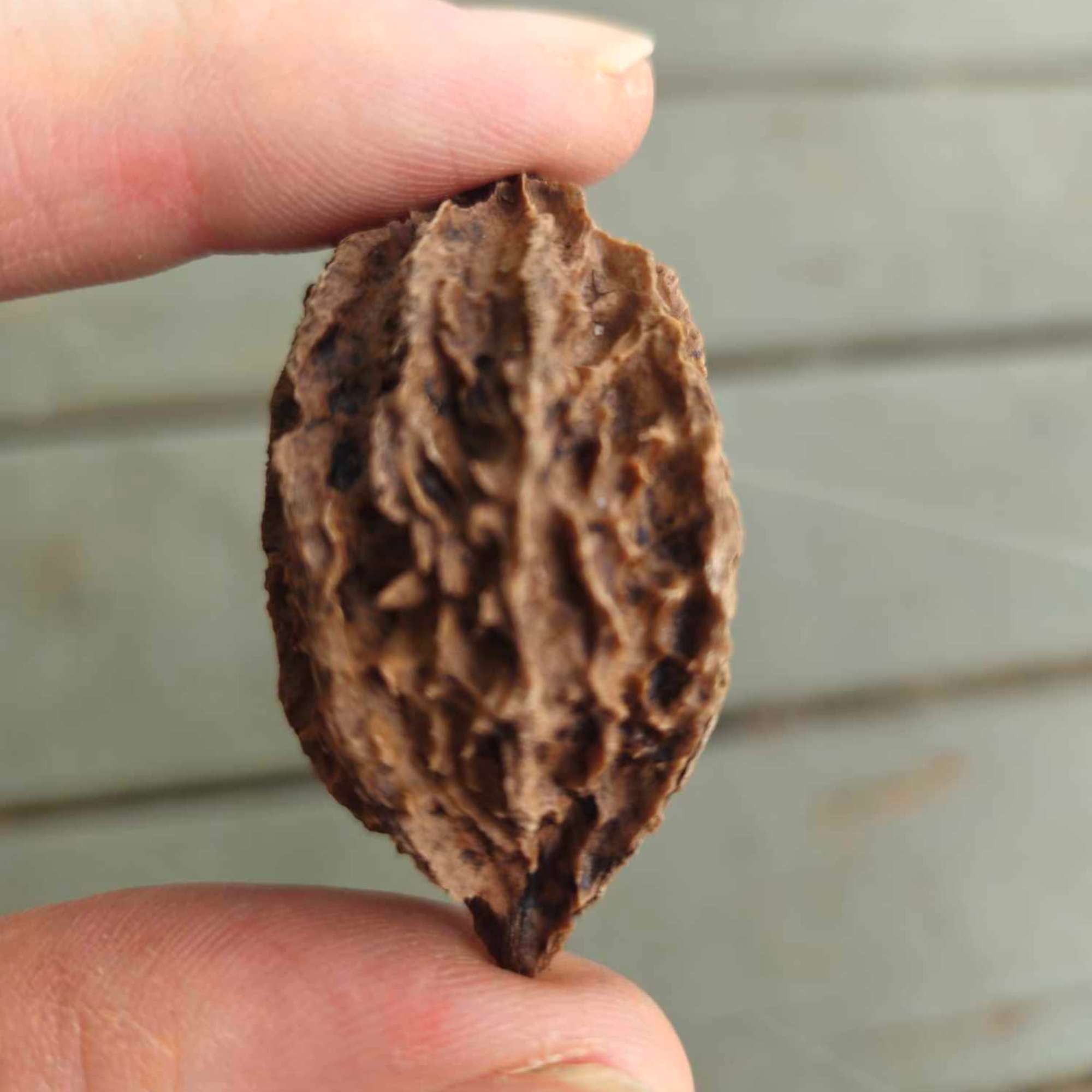
    SIZES: A Grade (Ground-Ready): Stronger, thicker stems for instant planting. B Grade (Ground-Ready): Smaller than A grade and suitable for planting directly in the ground. This Buartnut tree is a cross between a Heartnut and a Butternut tree. Growing to a height of 50 feet in some cases. Trees can be pruned to take on one leader. But if left unattended it can branch out in a shrub like formation but 50 feet high. Amazing right? The Heartnut was introduced from Japan over 100 years ago as one of the best nut tree species. The Butternut is a New Brunswick native tree, which thrives in swampy and cold climates. The Buartnut tree has taken on the best qualities of these 2 trees and is very cold hardy and thrives in all types of soils. Grows from zone 3 - 8 It also has luxurious, almost tropical foilage, the buartnut provides a dense shade, yet grass still grows under it. Buartnuts, along with other members of the japanese walnut species, thrives in both clay and sandy soils. Nut tree experts describe it as a "veritable goat in it's feeding habits, making it a rapid grower." Buartnut Tree The nut form can differ slightly. Usually round to oval shape with a flat base and pointed tip. On the tree you see green pods produced in a cluster. Sometimes ten or more. Their flavour is creamy, smooth and buttery which tastes much like the Butternut. Generally the tree tends to bears annually. In it's native home, the parent trees grow throughout zones 3 - 8 We know of these nut trees growing from Nova Scotia to New Foundland across Ontario and further. It is a hardy and adaptable tree, capable of growing in a wide range of climates and soil types. Buartnut trees require cross-pollination to set fruit. Ensure that you have at least two buartnut trees in close proximity to facilitate pollination and maximize nut production. (Maximum approx 50 feet)

    CA$13.00from
    View Plant
  • Burr OakIn Stock

    Burr Oak

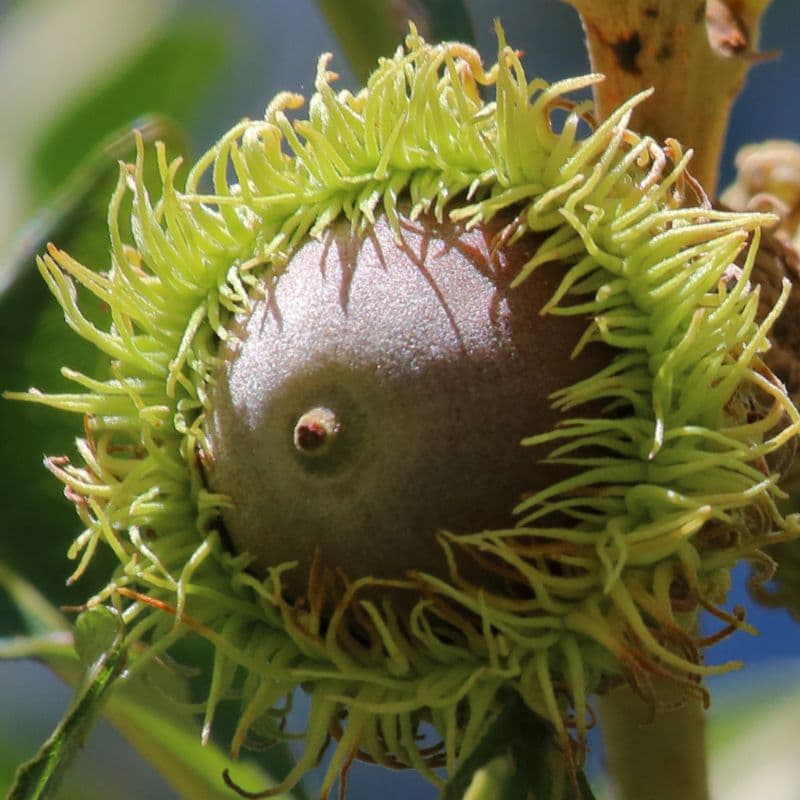
    The Burr Oak, also known as Bur Oak, is a hardy, long-lived tree perfect for both ornamental and functional purposes in your garden or landscape. Known for its rugged beauty and adaptability, this native North American oak is an excellent choice for those looking to plant a resilient and productive tree. SIZES. A Grade: 8 plus inches B Grade: 5 plus inches Key Features Hardiness Zone : Thrives in Zones 3–8, making it suitable for a wide range of climates, including cold northern areas. Soil Requirements : Adaptable to various soil types, including clay, loam, sandy, or even slightly alkaline soils. Prefers well-drained conditions but tolerates occasional flooding. Growth Habit : A slow-growing, deciduous tree with a majestic, rounded crown. Mature Burr Oaks can reach a height of 70–80 feet and a width of 60–80 feet, creating a broad and imposing canopy. Flowering Time : Produces inconspicuous yellowish-green flowers in spring, typically from April to May, depending on your region. Fruit and Uses Acorn Characteristics : Burr Oak acorns are among the largest of all oak species, measuring up to 2 inches long and featuring a fringed cap that gives the tree its name. Ripening Time : Acorns mature in early autumn (September to October). Uses : While bitter due to tannins, Burr Oak acorns can be leached and ground into flour for cooking. They also provide a vital food source for wildlife, including squirrels, deer, and birds. Additional Information Light Requirements : Prefers full sun but can tolerate partial shade. Water Needs : Once established, the Burr Oak is drought-tolerant but benefits from occasional deep watering during prolonged dry spells. Longevity : A long-lived species, with some trees living for over 300 years. Wildlife Benefits : Provides habitat and food for a variety of wildlife, including nesting sites for birds and shade for larger mammals. Pest and Disease Resistance : Generally resistant to pests and diseases, though occasional issues with oak wilt or powdery mildew may occur in less-than-ideal conditions. Why Plant a Burr Oak? The Burr Oak’s towering stature and resilience make it an excellent choice for shade, erosion control, or as a focal point in your landscape. Its large acorns and rugged bark add seasonal interest, while its adaptability ensures success in a wide range of environments. Whether you’re creating a naturalized woodland or simply seeking a low-maintenance shade tree, the Burr Oak is a timeless addition to any property

    CA$7.00from
    View Plant
  • ButternutShips SpringIn Stock

    Butternut

    Juglans cinerea

    Growing Zone: 3 - 7 SIZE: A Grade (Ground-Ready): Stronger, thicker stems for instant planting. B Grade (Ground-Ready): Smaller than A grade and suitable for planting directly in the ground. HYBRID BUTTERNUT: cross pollinated with extreme butternut qualities. The butternut tree, also called white walnut was once a very familiar and pleaseant site along the country roads and woodlands in North America, but in recent years it is little to be seen. The old butternut trees would probably still be here were it not for the blight and oyster-shell scale. A native tree of New Brunswick, Canada , there are rare pockets of older trees. Classified as an endangered species by the New Brunswick Nature Trust. This means that without some form of action, they could disappear from Canada or the entire planet. The butternut, named for its rich, delicious nuts , which are produced each year and in abundance every two to three years. This species grows well in open areas and is typically found at the edge of floodplains, along streams, and on rich upland sites. With links to a Canadian viking visit. Hardy throughout most of Canada and the United States butternuts can reach a height of 90 feet at a very old age. Juglans Cinerea Scientifically known as Juglans cinerea, is a deciduous tree belonging to the walnut family (Juglandaceae). Native to eastern North America and is closely related to the black walnut and the Japanese walnut, sharing similar characteristics and growing habits. Known for its elegant appearance , usually growing around 50 to 60 feet (15 to 18 meters). With a spread of about 40 to 50 feet (12 to 15 meters). It features a broad, rounded crown and attractive compound leaves. The foliage turns a striking golden yellow in the autumn , adding a touch of warmth to the landscape. This majestic tree prefers well drained soils. It grows well along the edges of rivers and brooks and watersheds in the New Brunswick area. It thrives in full sun to partial shade. It can tolerate a range of soil types, including sandy, loamy, and clay soils. However, it tends to perform best in deep, fertile soils. With a moderate growth rate and can live for several decades, providing shade, beauty, and a bountiful harvest of nuts. Butternut Tree Nut The Butternut tree produces oblong nuts with a rough, thick husk. When split open to reveal the sweet, oily kernel inside. The nuts have a buttery rich flavor. Its sweet, oily nuts, elegant appearance, and adaptability to a variety of soil types make it a desirable tree for both ornamental and edible purposes. However, the Butternut tree faces challenges from the butternut canker disease, which has significantly impacted its population. Grow your butternut tree today to help to conserve and protect this unique and valuable species, ensuring its survival for future generations to enjoy.

    • Zone 3–7
    • 50 ft
    • Full Sun
    CA$13.00from
    View Plant
  • Calendula Flower SeedsIn Stock

    Calendula Flower Seeds

    Calendula officinalis

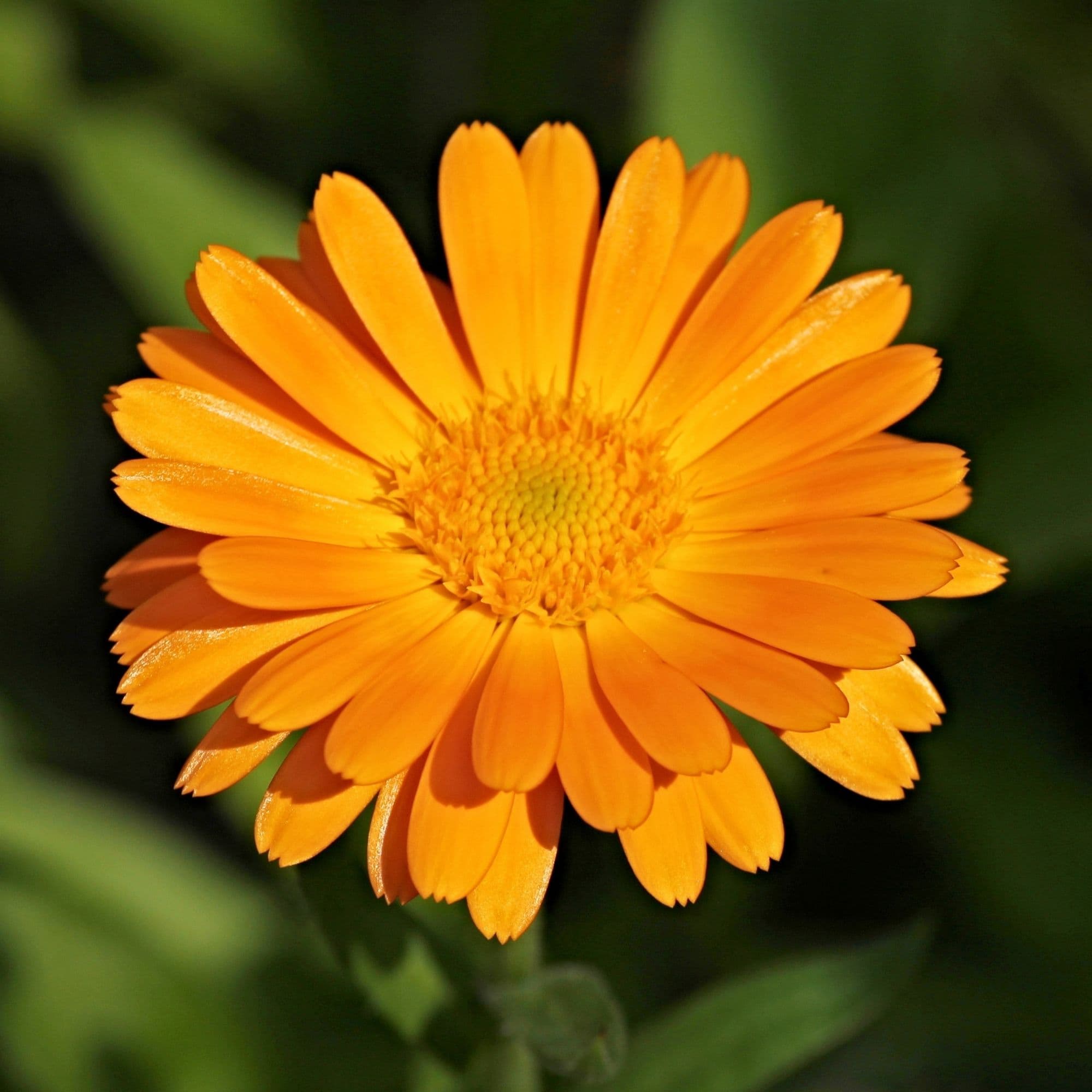
    Bright yellow and orange flowers, historically used for culinary purposes, come from easy calendula care when growing this simple flower. Commonly called the pot marigold (Calendula officinalis). All parts of calendula plants are useful in many ways. Flowers and leaves of the calendula may be dried and stored for later use. In the vegetable garden, calendula draws aphids away from valuable plants. While uses of calendula plants are diverse, growing calendula in the flower or herb garden is an optimum use of this attractive plant. Calendula plants are frost tolerant and somewhat cold hardy and add long-lasting color and beauty in a flower bed or container.

    CA$4.00from
    View Plant
  • Chestnut TreesIn Stock

    Chestnut Trees

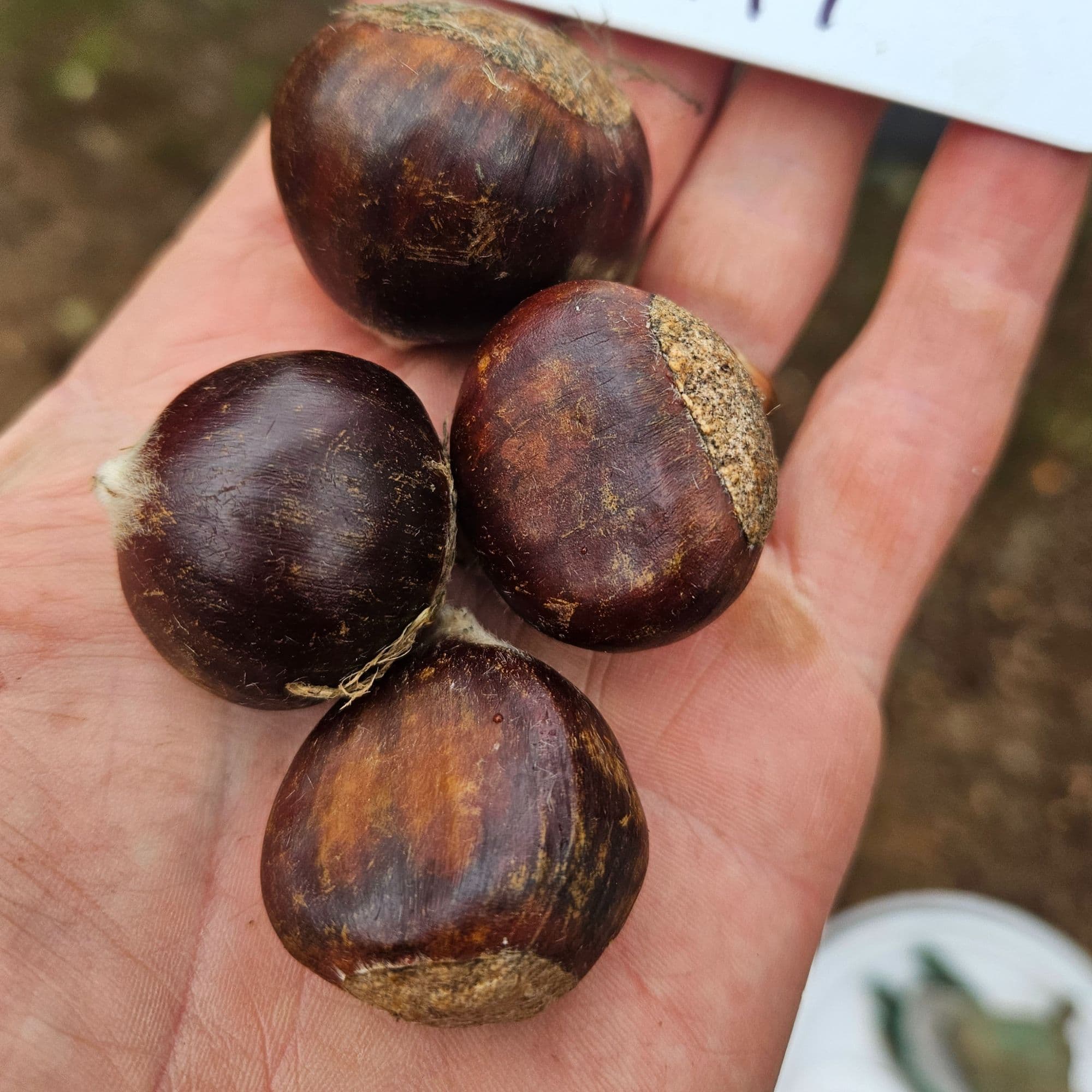
    Sweet Chestnut Trees – Grow Your Own Edible Chestnuts Sizes A Grade (Ground-Ready): Stronger, thicker stems for instant planting. B Grade (Ground-Ready): Thinner stems, but still suitable for planting directly in the ground. Pot-Ready: Start in a pot or nursery bed for one season before transplanting. Tree Characteristics Hardiness Zones: 5–9 Mature Height: 40–60 feet Mature Width: 30–40 feet Growth Habit: Fast-growing, upright, and spreading, developing a broad canopy as it matures. Soil Requirements: Thrives in well-drained, slightly acidic to neutral soils ( pH 5.5 to 6.5 ). Prefers loamy or sandy soil but will tolerate clay with proper drainage. Does not like overly wet soil. Sunlight: Full sun is essential for optimal growth and nut production. Watering: Requires moderate watering, especially during dry periods. Flowering and Nut Production Flowering Time: Blooms in late spring to early summer ( June–July ), producing showy catkins that attract pollinators. Fruit Size: The spiny burrs contain 2–3 sweet chestnuts each , about 1 to 1.5 inches in diameter . Harvest Time: Nuts are ready for harvest in late fall (October) , when the burrs split open naturally and drop ripe chestnuts to the ground. Uses of Sweet Chestnut Trees Once harvested, chestnuts can be: Roasted (over an open fire, of course) Boiled Used in a variety of recipes From stuffing to chestnut flour for baking , chestnuts are high in carbohydrates and fiber, making them a nutritious addition to your diet. Planting & Care Tips Spacing: Plant chestnut trees about 30–40 feet apart to give them plenty of room to grow. Pollination: Although partially self-fertile, planting more than one tree will increase nut production through cross-pollination . Pruning: Minimal pruning is required, but occasional thinning of the canopy can help improve air circulation and sunlight penetration . With proper care, the Sweet Chestnut Tree will reward you with both beauty and bounty for many years. Perfect for growers in Zones 5–9 , this versatile tree thrives in a variety of soil types and makes an excellent addition to orchards, food forests, or large garden spaces .

    CA$11.00from
    View Plant
  • CatalpaIn Stock

    Catalpa

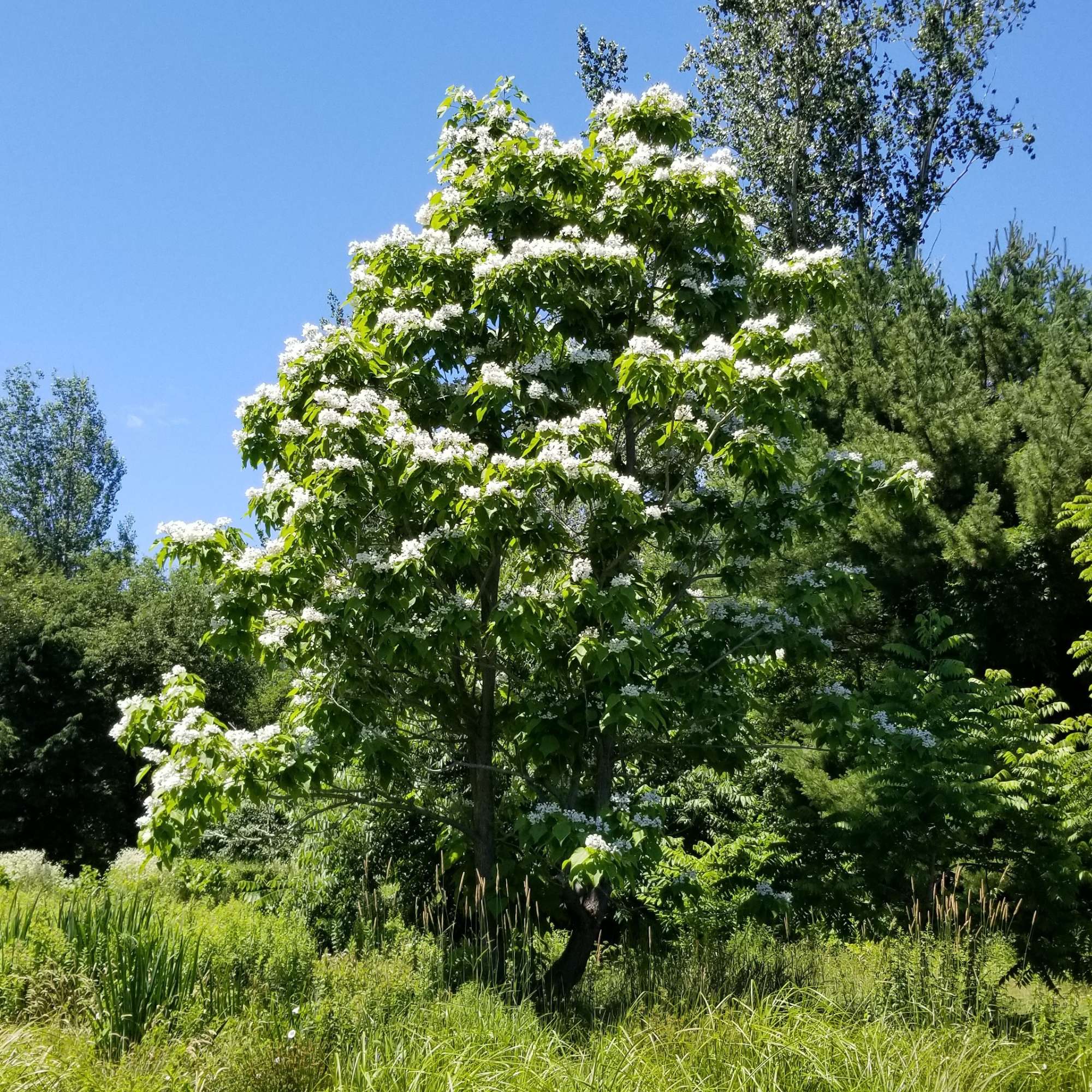
    Catalpa Tree Discover the grandeur of the Catalpa tree (Catalpa speciosa) - a majestic deciduous tree esteemed for its large, heart-shaped leaves and captivating blooms. Sizes Explained A Grade - Pot-Ready: Start in a pot or nursery bed for one season before transplanting. Key Features: Hardiness Zone (4-8): The Catalpa tree thrives in hardiness zones 4 to 8, showcasing its adaptability to various climates and making it an excellent choice for diverse garden landscapes. Soil Preferences: These trees prefer well-draining soil, tolerating various soil types. Loamy or sandy soils with good drainage promote healthy growth. Height and Width: Expect Catalpa trees to reach heights of 40 to 70 feet with a spread of 20 to 40 feet, offering a substantial and stately presence in gardens and yards. Flowering Time and Color: In late spring to early summer, Catalpa trees boast showy clusters of white, trumpet-shaped flowers with purple and yellow markings. The striking blooms create a stunning display against the tree's lush foliage. Fast Growth Habits: Renowned for their rapid growth, Catalpa trees establish quickly, forming a broad canopy and providing ample shade within a few years. Leaf Shape and Size: The Catalpa's large, heart-shaped leaves measure approximately 6 to 12 inches in length and provide a lush canopy. The leaves of a Catalpa tree are typically large and heart-shaped, characterized by a broad, ovate outline with a pointed tip and a rounded base. Additional Requirements: Sunlight Needs: Thriving in full sun to partial shade, Catalpa trees adapt to various light conditions, making them versatile for different garden settings. Watering and Maintenance: Regular watering during the growing season aids in establishing healthy growth. Minimal pruning is required, primarily to remove dead or damaged branches and shape the tree. Soil pH and Other Considerations: Catalpa trees are adaptable to different soil types but prefer slightly acidic to neutral soil pH for optimal growth. Regular fertilization may aid in enhancing flowering and foliage. Conclusion: With its magnificent foliage, captivating blooms, and rapid growth, the Catalpa tree remains a splendid choice for adding grace and beauty to any landscape. Whether as a shade tree or as a focal point, the Catalpa stands as an impressive addition to gardens and yards.

    CA$17.00from
    View Plant
  • Chive SeedsIn Stock

    Chive Seeds

    Allium schoenoprasum

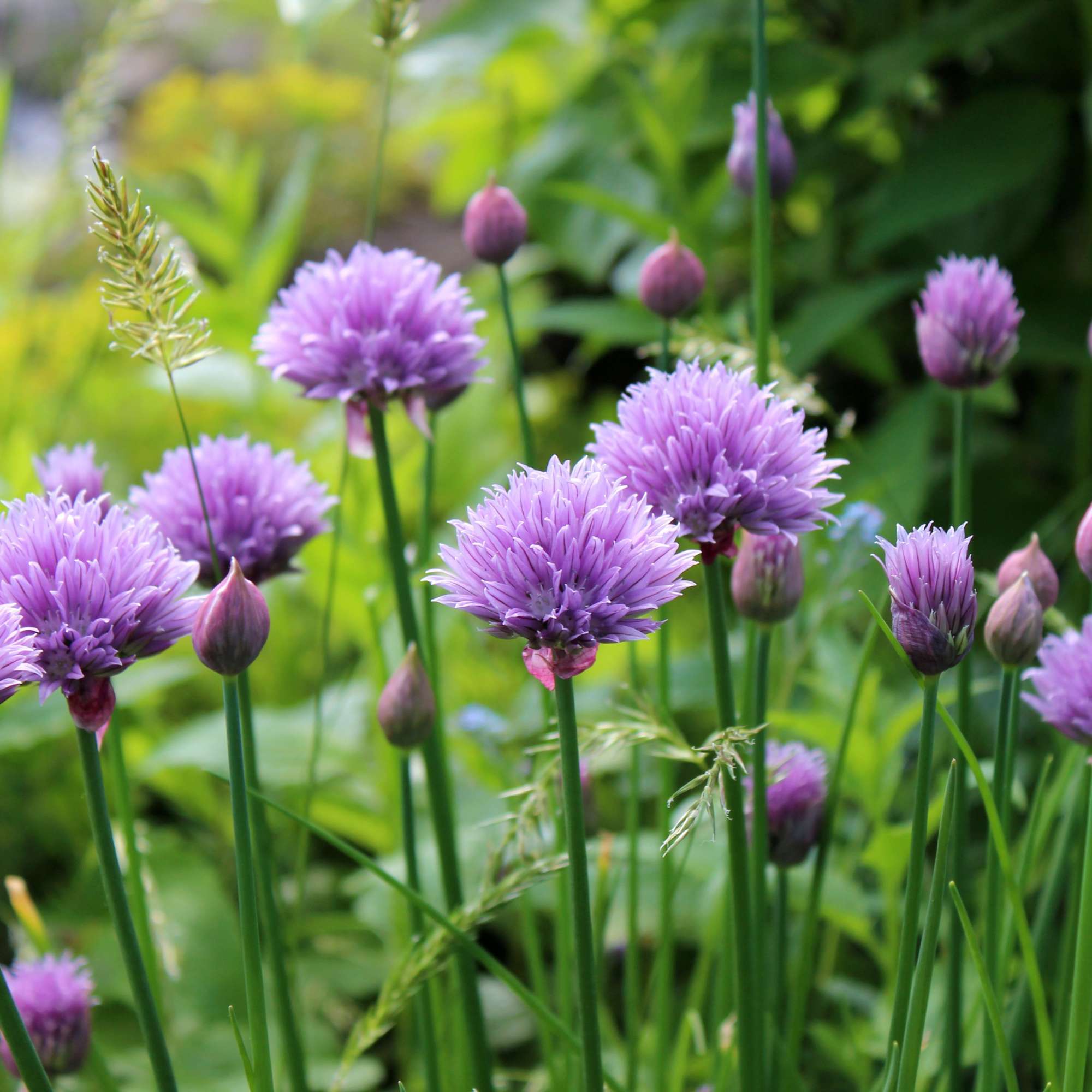
    This useful herb makes neat clumps of grass like leaves and is not out of place in the perennial border. The flowers are rose purple and quite attractive. Chives are a hardy perennial and will grow well in all temperate and warm climates, Chive plants prefer well-draining soil and full sun so, select a sunny location to plant. You can plant as soon as the ground can be worked as they are very tolerant to frost. The bulbs will multiply so quickly that it is advisable to dig them up, every two to three years and seperate them. Keep the beds well cultivated and free from weeds. Clean culture is especially important during the early stages of growth. The slender dark green tubular leaves of chives grow in clumps and the flowers are tiny lavender coloured pompoms, some gardeners like to raise chives for the flowers. The plant and flower could make a charming and decoractive border or edging to beds of other plants or perhaps add colour and interest to a rock garden. The faded flowers should be cut promptly before seed matures otherwise self sown seedlings, may prove to be troublesome weeds. Grows about one foot high. For large mild chives water often and for smaller more intensely flavoured chives don't water as frequently. To harvest it is simply cutting the slender tubular leaves as you needs them. These are usually chopped up fine and added to any dish you wish to season. They have a mild onion flavor and are a versatile ingredient in many dishes.

    CA$4.00from
    View Plant
  • Comfrey Root CuttingsIn Stock

    Comfrey Root Cuttings

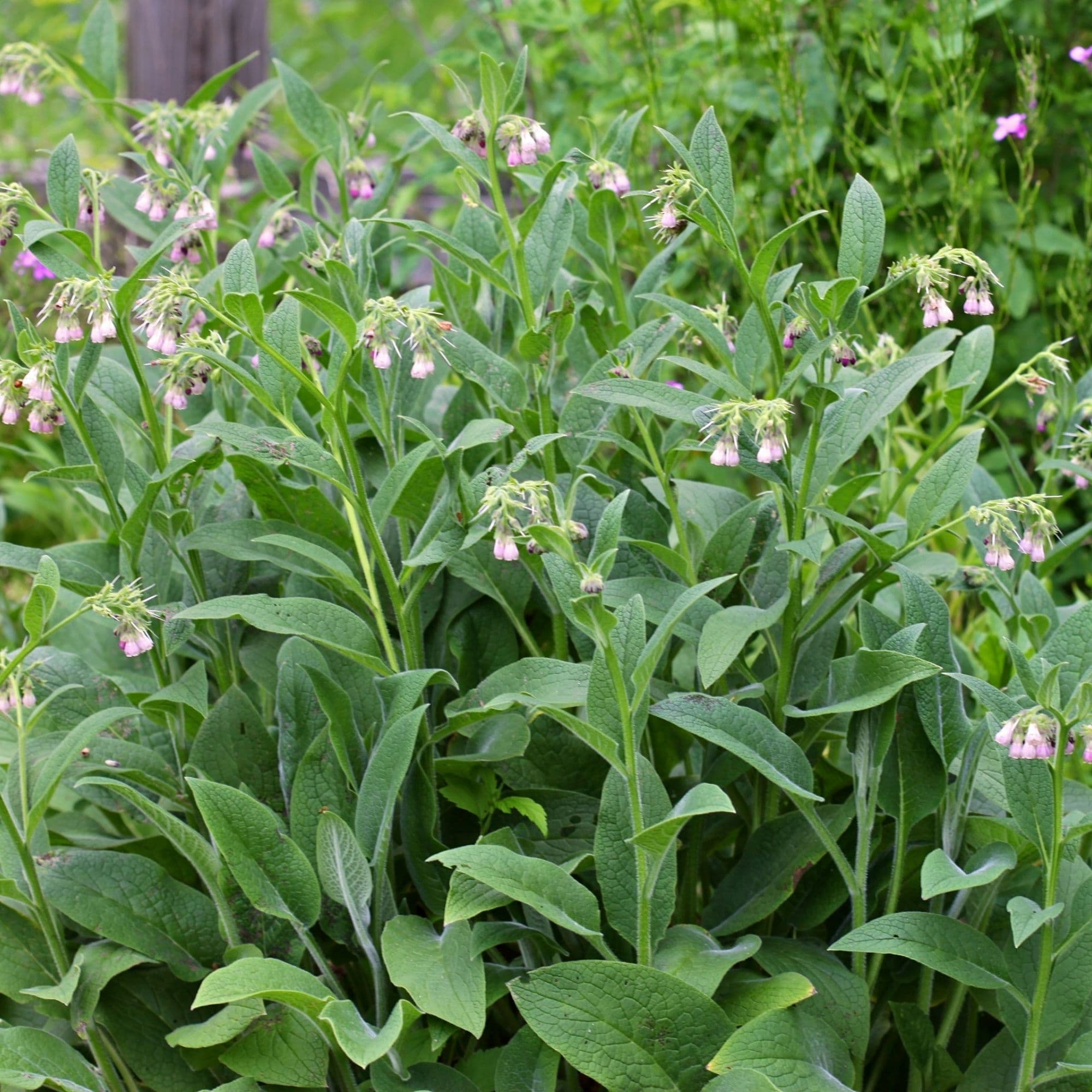
    Bare Root Comfrey Plants. Root cuttings are 2-3 inch pieces of comfrey root which you can plant in the ground, pots or containers with soil or good compost. We grow everything naturally and organically on Little Tree Farm and do not use any chemicals. How do I use comfrey? Comfrey leaves are great for compost and have healing properties when used in the correct way.

    CA$15.00from
    View Plant
  • Common YarrowIn Stock

    Common Yarrow

    Achillea millefolium

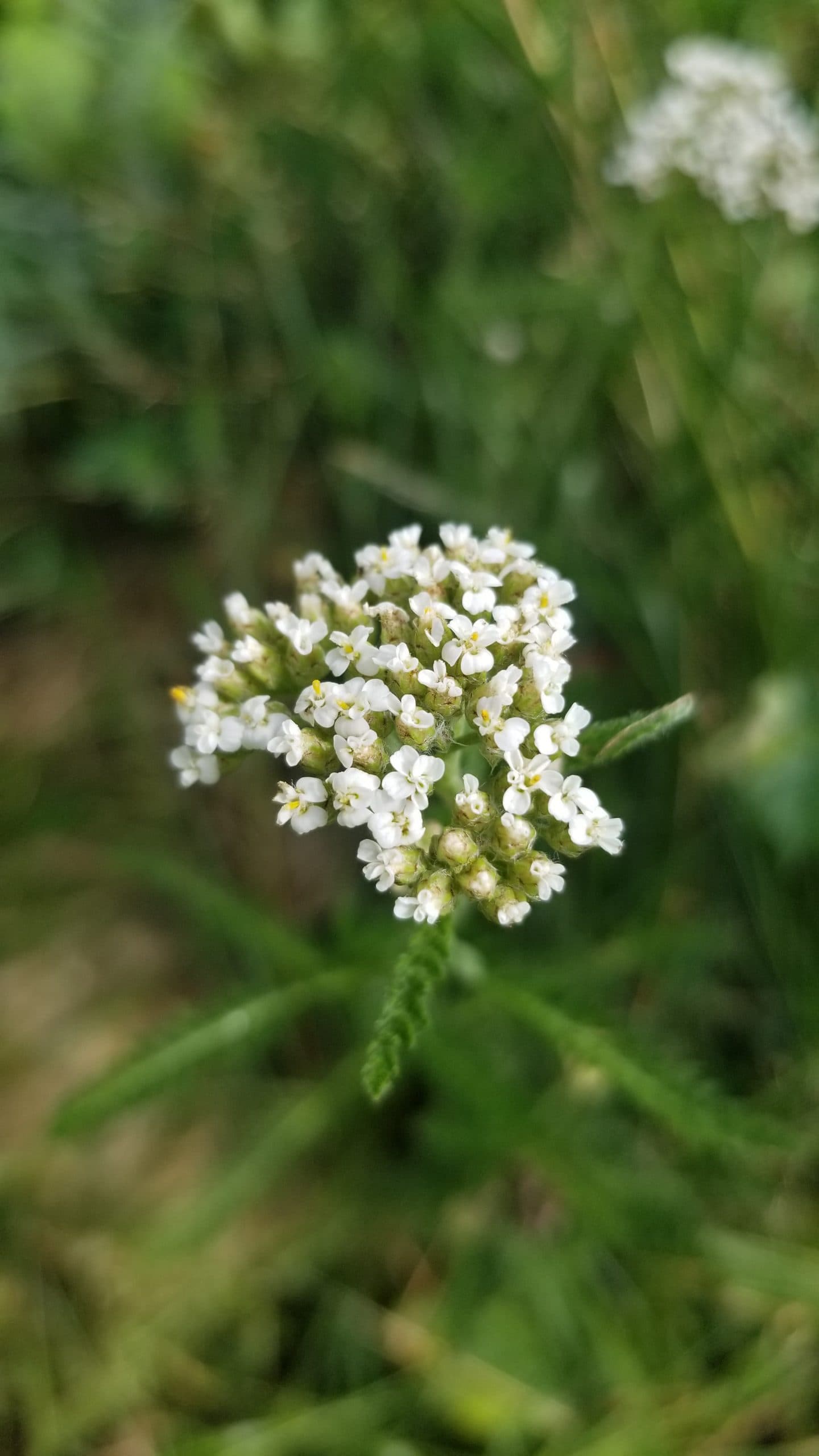
    Common Yarrow – Achillea millefolium Common yarrow is a hardy, drought-tolerant perennial that thrives almost anywhere and brings beauty, resilience, and biodiversity to your landscape. Known for its soft, fern-like foliage and flat clusters of tiny white flowers, yarrow is a favourite in wildflower meadows, pollinator gardens, and low-maintenance landscapes. It spreads gently to form a lush groundcover and thrives in poor, dry soils where many plants struggle. Loved by bees, butterflies, and beneficial insects, yarrow blooms from early summer into fall and adds natural charm to cottage gardens, native plantings, and restoration projects. This tough perennial is also popular for cut flowers, dried bouquets, and herbal uses. Cold-hardy, adaptable, and incredibly easy to grow — common yarrow is a reliable, no-fuss performer for almost any site. Botanical Name: Achillea millefolium Type: Perennial wildflower Height: 1–3 ft Light: Full sun to light shade Soil: Well-drained, tolerates poor/dry soils Bloom Time: Summer to fall Hardiness Zones: 3–9 Attracts: Bees, butterflies, beneficial insects Uses: Meadows, native gardens, pollinator beds, groundcover, cut/dried flowers

    CA$16.00from
    View Plant
  • Concord GrapeIn Stock

    Concord Grape

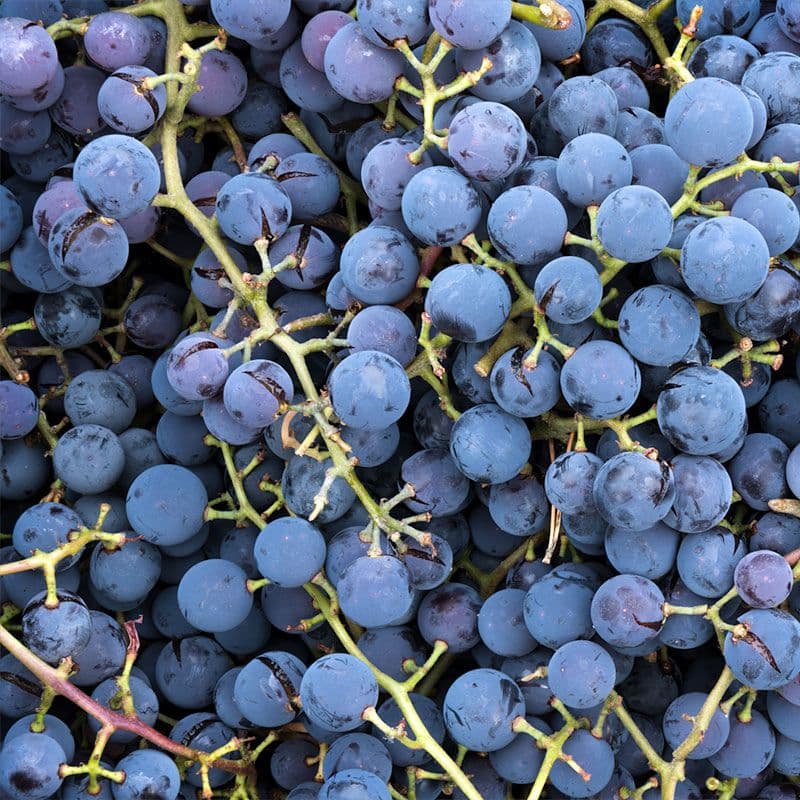
    Concord Grape (Vitis labrusca ‘Concord’) – Key Features Classic North American variety famous for its deep blue skin and rich, sweet, “grape jelly” flavour. Excellent for fresh eating , juice, wine, jellies, jam, and preserves. Cold-hardy and vigorous , reliably productive across a wide range of climates. Self-fertile – only one plant needed to produce fruit. Medium-sized clusters with large, slip-skin berries (skin separates easily from the pulp). Strong disease resistance compared to European grape varieties. Heavy producer once established, with annual crops of abundant clusters. Growth & Planting Planting Zone: 4–8 Sunlight: Full sun (6–8 hours minimum). Soil: Well-drained loam, sandy loam, or light clay. Prefers slightly acidic to neutral soil ( pH 5.5–7.0 ). Spacing: 6–8 ft between plants; 8–10 ft between rows. Vine training: Best grown on a trellis, pergola, or fence; responds well to pruning. Time to fruit: Usually 2–3 years after planting. Why Concord Is a Customer Favourite Reliable in cold climates (great fit for Nova Scotia). Perfect homestead grape for juice, canning, and backyard wine. Low-maintenance once established and ideal for beginners. Long shelf life when harvested at peak ripeness. The Basics of Concord Grape Concord grapes, scientifically classified as Vitis labrusca, are a popular grape variety known for their distinctive flavor and versatility in various culinary applications. Primarily recognized for their deep blue to purple hue, Concord grapes are celebrated for their sweet, aromatic taste and unique musky, herbal undertones. This variety is often used in jams, jellies, and juices, as well as for winemaking, where it contributes to robust and fruity wines. The combination of sweetness and acidity makes Concord grapes particularly appealing to both consumers and growers alike. When it comes to cultivating Concord grape seedlings, specific growth conditions are crucial for successful development. These seedlings thrive in well-drained, loamy soils that are rich in organic matter. Adequate sunlight is essential; ideally, they should receive at least six to eight hours of direct sunlight daily to ensure robust growth and healthy fruit production. Moisture levels also play a significant role, as Concord grapes prefer consistently moist soil but are intolerant of waterlogged conditions that can lead to root rot. Cultivation and Care for Concord Grape Successfully cultivating Concord grape seedlings requires a thoughtful approach that integrates various gardening practices. To begin, proper planting is crucial. When planting Concord grape seedlings, ensure that the holes are at least 12 inches deep and three feet apart to facilitate adequate airflow and light exposure. This spacing not only helps prevent overcrowding but also promotes healthy growth by allowing each plant to access essential nutrients and water. Once the seedlings are planted, ongoing care is necessary to establish a robust vine. Regular pruning plays a vital role in maintaining the health and productivity of Concord grape seedlings. In the early stages, remove any weak or damaged shoots to encourage stronger growth. As the seedlings mature, focus on shaping the vine to enhance fruit production; cutting back excess foliage can improve sunlight penetration and air circulation around the grapes. Pest management is another critical aspect of cultivation. Be vigilant for common pests such as aphids and spider mites, which can negatively impact plant health. Implementing organic pest control methods, like introducing beneficial insects or using insecticidal soap, can help manage infestations effectively. Additionally, preventing diseases such as powdery mildew is essential; ensure that plants are well-spaced and that humidity levels remain low by allowing proper ventilation. Watering and fertilization are also key to the success of Concord grape seedlings. Initially, maintain consistent moisture, allowing the soil to dry slightly between watering sessions. As the plants develop, reduce watering frequency while ensuring the roots receive adequate hydration during dry spells. Fertilization should be appropriate, typically using a balanced fertilizer engineered for grapevines. Incorporating organic compost in the early spring can provide essential nutrients and improve soil structure, ultimately optimizing growth and yield.

    CA$17.00from
    View Plant
  • Zone-matched plants

    Every plant shows the zones where it thrives.

  • Grown in Nova Scotia

    Raised for Canadian winters, shipped across Canada.

  • Not sure what fits?

    Tell us your land and goals — we'll match you.

Need help choosing?Talk to a Plant Expert

Cold-hardy plants for Canadian landscapes

Every tree, shrub, and berry in our nursery is grown in Nova Scotia and selected for real Canadian conditions — short summers, cold winters, and everything in between. Whether you're planting a nut orchard, a berry patch, or restoring habitat with native plants, start with your hardiness zone and plant with confidence.