Nova Scotia grown

The Discovery Garden

Shop All Plants

76 plants

Cold-hardy trees, berries, and native plants — every one grown for Canadian winters and matched to your zone.

Filters
  • Red Osier DogwoodShips SpringIn Stock

    Red Osier Dogwood

    Cornus sericea

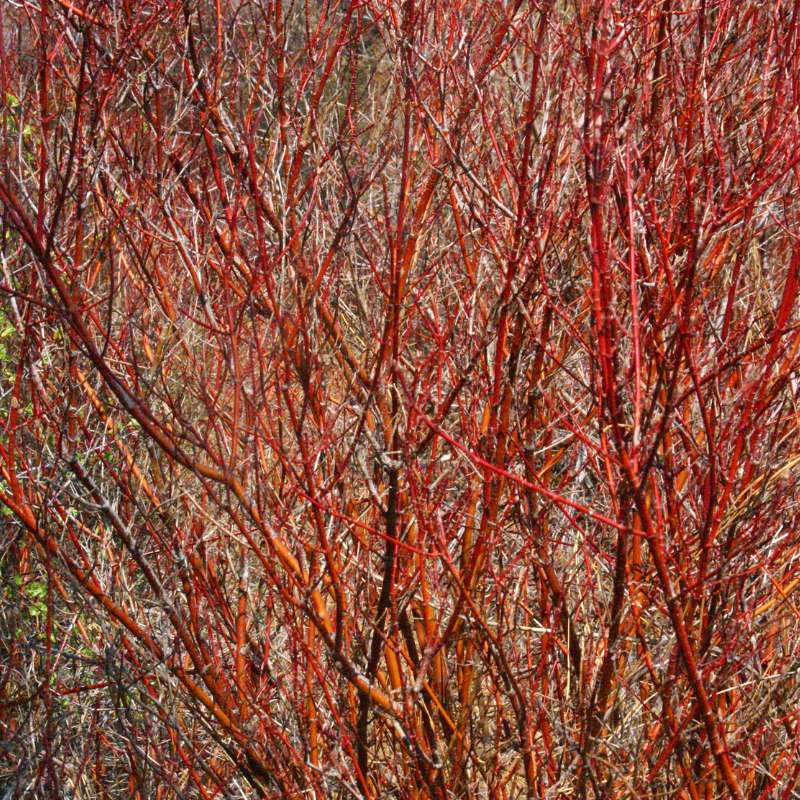
    Red Osier Dogwood: A Striking Landscape Choice Enhance your outdoor space with the beauty and versatility of Red Osier Dogwood. Discover why this native shrub is a favorite among gardeners: Hardiness Zone Also known as Red Twig Dogwwod it thrives in a wide range of Hardiness Zones, from Zone 2 to Zone 7. It's well-suited for various climates and regions. Ideal Soil Type Plant this Dogwood in moist to wet soils, making it perfect for rain gardens and areas with poor drainage. This hardy shrub adapts to a variety of soil types. Fruit Size While Red Osier Dogwood produces small, berry-like fruit, it's primarily grown for its striking red stems and vibrant foliage rather than its fruit. Plant Size Red Osier Dogwood typically reaches a height of 5 to 9 feet, with a similar spread. Its upright, arching branches create an attractive, multi-stemmed form that adds visual interest to your landscape. Flowering Time This shrub blooms in late spring to early summer, displaying clusters of small, creamy-white flowers. These flowers give way to clusters of small, white fruit that provide food for local wildlife. Growth Habits Known for its vigorous growth, this Dogwood is a deciduous shrub with brilliant red stems in winter. It's often used for erosion control along streambanks and as an ornamental hedge or border plant. What to Do with the Fruit While the fruit of is not typically harvested for human consumption, it serves as a valuable food source for birds and other wildlife. Consider planting it to support local ecosystems and attract wildlife to your garden. When It's Ripe The small, white fruit of Red Osier Dogwood ripens in late summer to early fall, providing a seasonal feast for birds and other wildlife in your area. Additional Requirements - Sunlight: This shrub tolerates both full sun and partial shade, making it versatile in various garden settings. - Pruning: While not typically required, occasional pruning can help maintain its shape and encourage vibrant new growth. - Watering: Keep the soil consistently moist, especially during the establishment phase, to ensure healthy growth. Why Choose Our Red Osier Dogwood - Native Beauty: Enjoy the natural charm and year-round appeal of this native shrub. - Wildlife Attraction: Support local ecosystems by providing a food source for birds and wildlife. - Landscape Versatility: Use it as a striking border plant, hedge, or erosion control solution. - Low Maintenance: Red Twig Dogwood thrives with minimal care, making it an excellent choice for busy gardeners. Elevate your landscape with the captivating beauty and ecological value of Red Osier Dogwood. Order now and transform your outdoor space with this versatile native shrub.

    • Zone 2–7
    • 8 ft
    • Part Shade
    CA$18.99from
    View Plant
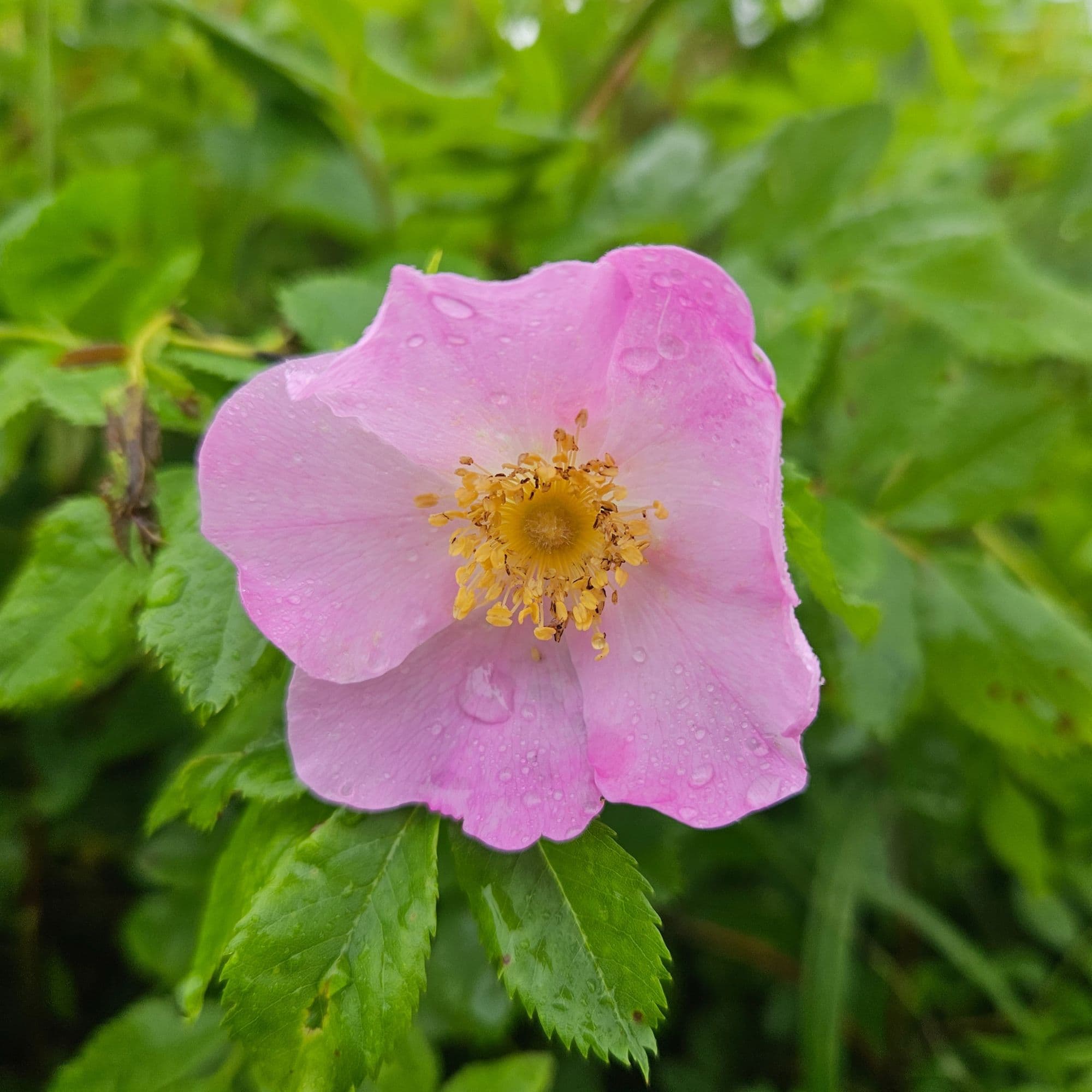
  • Wild Rose - Rosa VirginianaIn Stock

    Wild Rose - Rosa Virginiana

    Virginia Rose (Rosa virginiana) - ALL RECOMMENDED as POT-READY Sizes Explained A Grade (Pot-Ready): Start in a pot or nursery bed for one season before transplanting. B Grade (Pot-Ready): Start in a pot or nursery bed for one season before transplanting. The Rosa Virginiana will add a splash of beauty and wildlife attraction to your garden. This native North American shrub is not only aesthetically pleasing with its delicate pink flowers but also plays a crucial role in supporting local ecosystems. Key Features of Rosa Virginiana: Hardiness Zone : Thrives in Hardiness Zones 3 to 8, making it suitable for a wide range of climates. Soil Type : Prefers well-drained, sandy or loamy soils but is adaptable to clay and rocky soils, demonstrating its resilience. Height and Width : Grows to a height of 3 to 5 feet and spreads about 3 to 4 feet wide, making it an excellent choice for hedges, borders, or naturalized areas. Fruit Size : Produces small, round hips, approximately 0.5 to 1 inch in diameter, which are bright red to orange and highly nutritious. Growth Habits: Growth Rate : Moderate growth rate, establishing quickly in favorable conditions. Flowering Time : Blooms from late spring to early summer, showcasing fragrant, single to semi-double pink flowers that attract pollinators like bees and butterflies. Caring for Your Rosa Virginiana: Sunlight : Requires full sun to partial shade for optimal growth and blooming; ideally, it should receive at least 6 hours of direct sunlight daily. Watering : Water regularly during the first growing season to establish roots, then provide moderate water in subsequent years. This plant is drought-tolerant once established. Fertilization : Minimal fertilization is required. If desired, use a balanced fertilizer in early spring to promote vigorous growth. Harvesting Rose Hips: Ripening : The rose hips are typically ripe in late summer to early fall, turning a vibrant red or orange. Harvesting Tips : Collect ripe hips after the first frost for a sweeter taste. Wear gloves to avoid thorns while harvesting. Culinary and Medicinal Uses: The fruit of the Virginia Rose, known as rose hips, is not only beautiful but also packed with nutrients. Here are some uses: Culinary : Use rose hips to make jams, jellies, or teas. They can also be added to soups and salads for a unique flavor. Medicinal : Rich in vitamin C, rose hips have been used traditionally to boost the immune system and may have anti-inflammatory properties. Additional Information: Wildlife Benefits : The Virginia Rose provides food and habitat for various wildlife, including birds and pollinators, making it an excellent choice for ecological gardens. Pests and Diseases : Generally resistant to pests and diseases, but keep an eye out for aphids and spider mites. Prune as needed to maintain shape and remove any dead or diseased branches. Enhance your garden’s biodiversity and beauty with the Virginia Rose (Rosa virginiana). Order yours today and enjoy the stunning blooms and nutritious rose hips for years to come!

    CA$5.00from
    View Plant
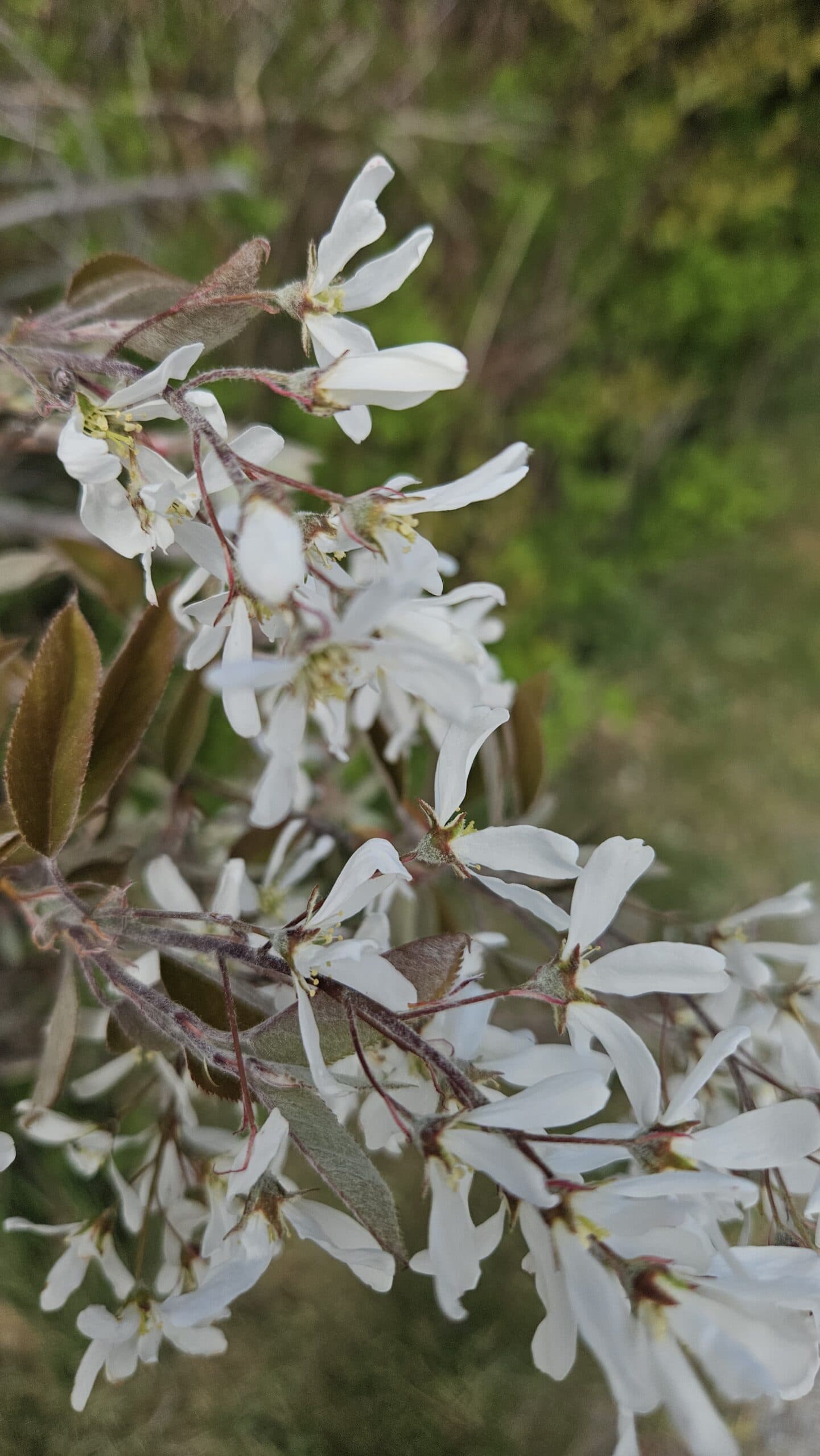
  • Serviceberry (Saskatoon)Ships SpringIn Stock

    Serviceberry (Saskatoon)

    Amelanchier alnifolia

    The Serviceberry: Canada's Four-Season Tree (Juneberry / Saskatoon) The Serviceberry ( Amelanchier spp. ), also affectionately known as Juneberry or Saskatoon Berry in the West, is arguably the most valuable multi-purpose native tree for the Canadian landscape. Whether you need a small, elegant shade tree, an edible fruit producer for your homestead, or simply a plant that delivers year-round aesthetic brilliance, the Serviceberry is the definitive choice. We offer species and cultivars renowned for their superior flavour and cold hardiness, ensuring success from Nova Scotia to the Prairies. A True Four-Season Ornamental Spring Spectacle: Serviceberry is one of the first trees to bloom in spring, often before the leaves emerge, covering the branches in a cloud of delicate, slightly fragrant white flowers. Summer Harvest: The flowers give way to clusters of small, sweet, purple-blue berries—similar in appearance to blueberries but often with a richer, nutty, almost almond-like flavour. Autumn Fire: The foliage transforms into brilliant shades of orange, red, and golden yellow, rivaling any non-native species for fall colour. Winter Elegance: Once bare, the smooth, ash-grey bark stands out against the snow, often exhibiting beautiful vertical reddish fissures for textural interest. Growing Your Own Saskatoon Superfruit Our Serviceberry trees are selected for their flavour and productivity. The ripe berries are a delight straight off the branch but are also perfect for jams, pies, cobblers, and preserves . Pro Tip: Saskatoon berries are a high-value crop commercially cultivated in Western Canada. To beat the birds (which love them!), consider netting your tree as the fruit begins to ripen in late June/early July, and pick the berries when they are dark purple-blue, not red. Specifications & Planting Success Specification Details Common Names Serviceberry, Juneberry, Saskatoon, Shadbush Scientific Name Amelanchier spp. (Often A. canadensis or the hardy fruiting A. alnifolia .) Canadian Hardiness Zone 2–9 (Varies by species; we focus on Zone 2/3 tolerant stock) Mature Size 4–8m (12–25 ft) tall, depending on if grown as a shrub or single-stem tree. Light Requirements Full Sun to Partial Shade (Full sun yields the best flower and berry production). Soil Tolerance Tolerates most soils, including clay and alkaline. Prefers moist, well-drained loam. Native Status Native to nearly all of Canada, making it an ecological powerhouse. FAQs Q: Are Serviceberry berries truly edible, and what do they taste like? A: Yes, they are completely edible and delicious! They are often described as tasting like a mix between a blueberry, a cherry, and an apple, with a distinct sweet, nutty finish. They are a favourite of many Indigenous communities and commercial fruit growers. Q: Does Serviceberry require a pollinator plant? A: Most Serviceberry species, including the popular A. alnifolia (Saskatoon), are generally self-fertile and can produce fruit from a single tree. Planting multiple specimens, however, can lead to a slightly larger crop. Q: How fast does Serviceberry grow? A: Serviceberry has a moderate growth rate, typically adding 30–60 cm (1–2 ft) per year. It quickly establishes its multi-season features, often blooming and fruiting within 2-3 years of planting.

    • Zone 2–7
    • 12 ft
    • Full Sun
    CA$11.00from
    View Plant
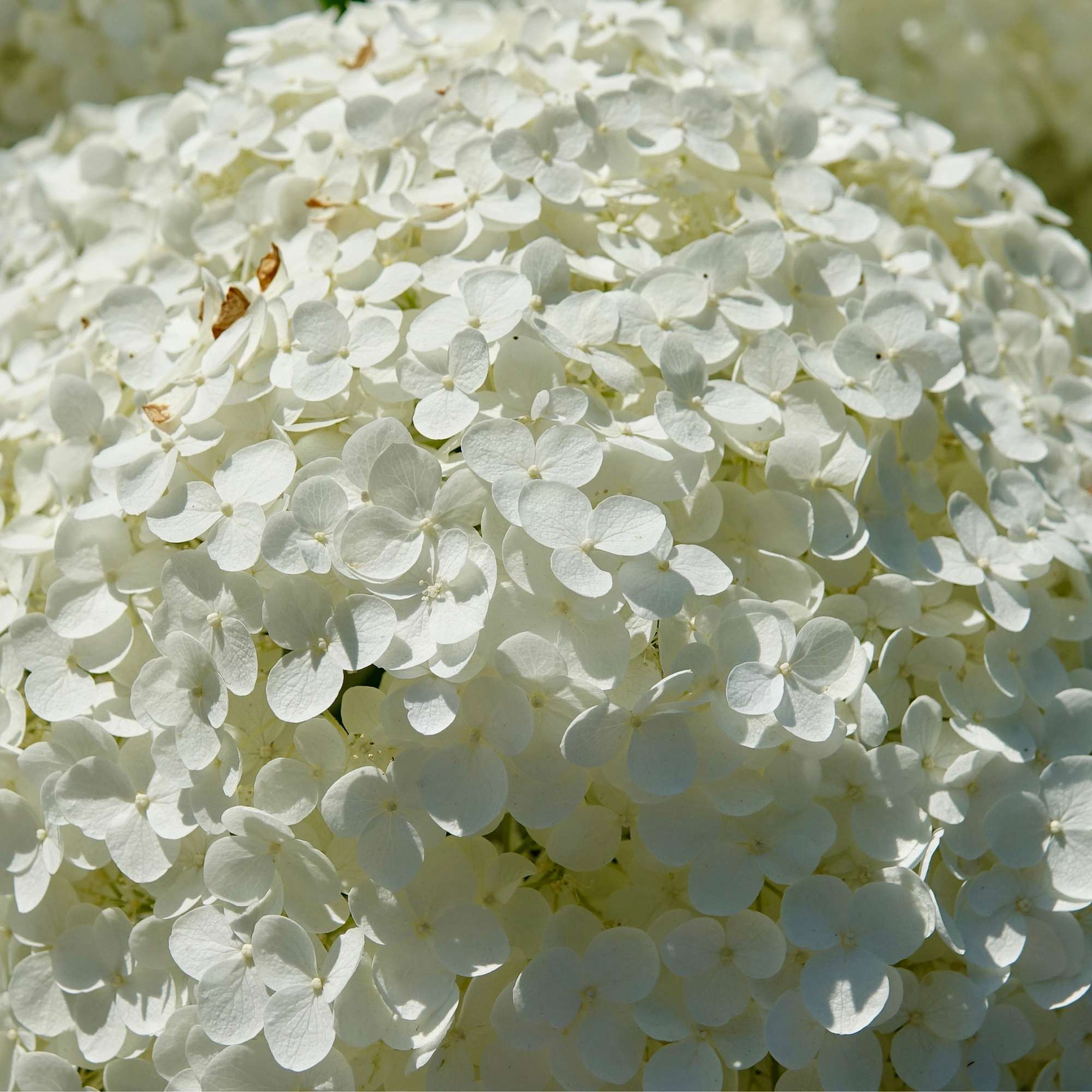
  • Smooth HydrangeaIn Stock

    Smooth Hydrangea

    Embrace the enchanting beauty of the Smooth Hydrangea (Hydrangea arborescens) – a captivating flowering shrub that graces gardens with its elegant blooms and versatility. A Grade (Ground-Ready): Stronger, thicker stems for instant planting. B Grade (Pot-Ready): Thinner stems, but still suitable for planting directly in the ground. Key Features: Hardiness Zone (3-9): This resilient shrub thrives in hardiness zones 3 to 9, showcasing adaptability across various climates and making it suitable for a wide range of gardens. Soil Preferences: Smooth Hydrangeas prefer well-draining soil rich in organic matter. A blend of loamy soil with consistent moisture content ensures optimal growth and flowering. Height and Width: Expect these shrubs to reach heights of 3 to 5 feet and spread to about 4 to 6 feet, providing a lush and full appearance in garden landscapes. Flowering Time: These hydrangeas bloom during the summer, showcasing large, round clusters of flowers in shades of white, pink, or green. Flowering typically begins in late spring or early summer and lasts through the season. Growth Habits: Smooth Hydrangeas exhibit a rounded, mounding growth habit, providing a compact and neat appearance in garden beds or borders. Long-Lasting Flowers: One notable feature of Smooth Hydrangeas is their ability to retain dried flowers on the plant, extending visual interest and appeal through the fall and winter months. These dried flowers add texture and charm to winter landscapes. Additional Requirements: Sunlight Needs: While they prefer partial shade, Smooth Hydrangeas tolerate full sun to partial shade, thriving in locations with morning sun and afternoon shade in hotter climates. Watering and Maintenance: Maintain consistent moisture levels in the soil, especially during hot and dry periods. Pruning is generally minimal, primarily focusing on removing dead or damaged stems in late winter or early spring. Soil pH and Color Variations: Adjusting soil pH can alter flower colors; acidic soil produces blue blooms, while alkaline soil results in pink blooms. Fertilizing with appropriate amendments can affect coloration. With its stunning floral displays, adaptable nature, and lasting appeal, the Smooth Hydrangea stands as a versatile and elegant choice for gardeners seeking a beautiful addition to their landscapes. Whether as a focal point or as part of a mixed border, these hydrangeas offer enduring charm and grace to outdoor spaces.

    CA$13.00from
    View Plant
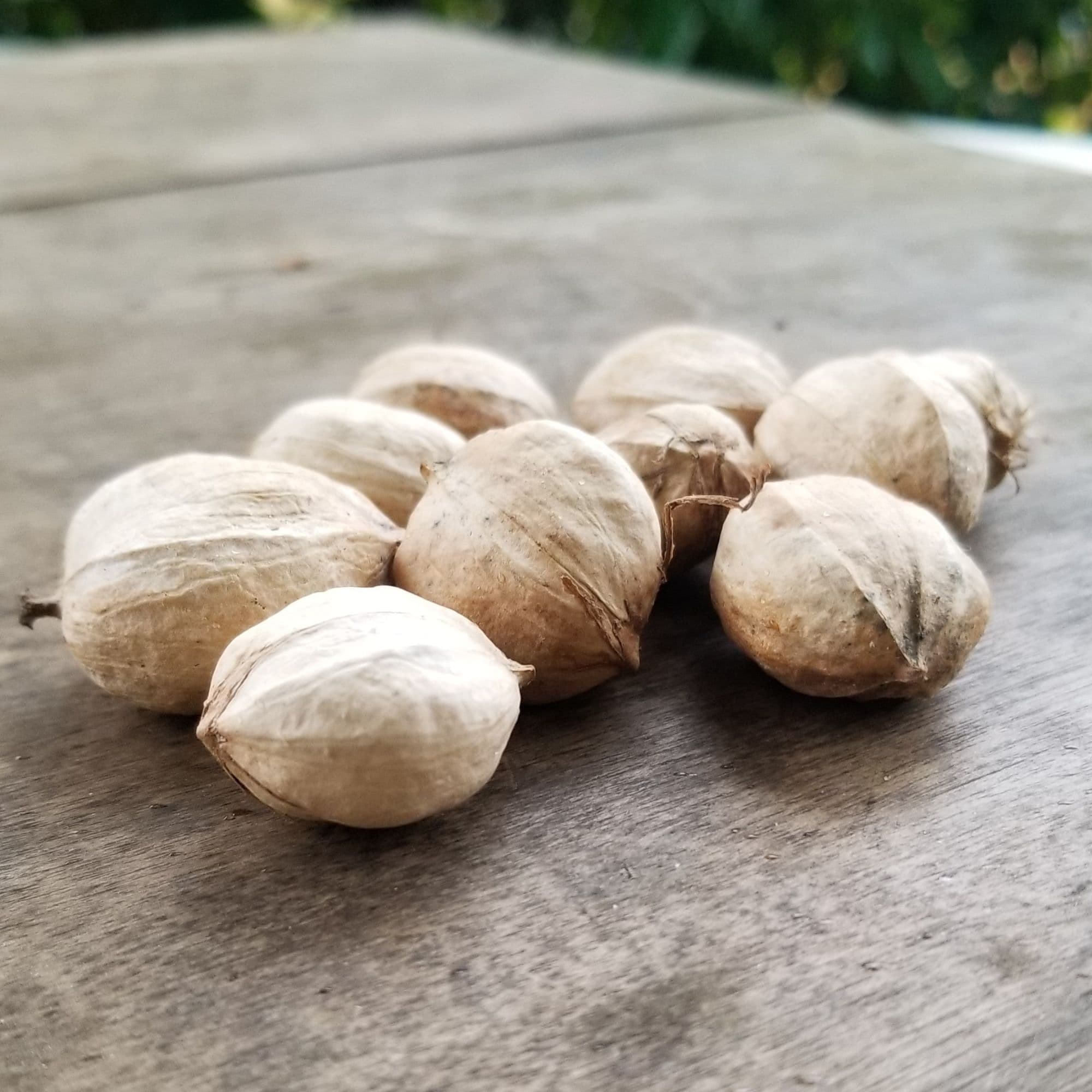
  • Shagbark HickoryIn Stock

    Shagbark Hickory

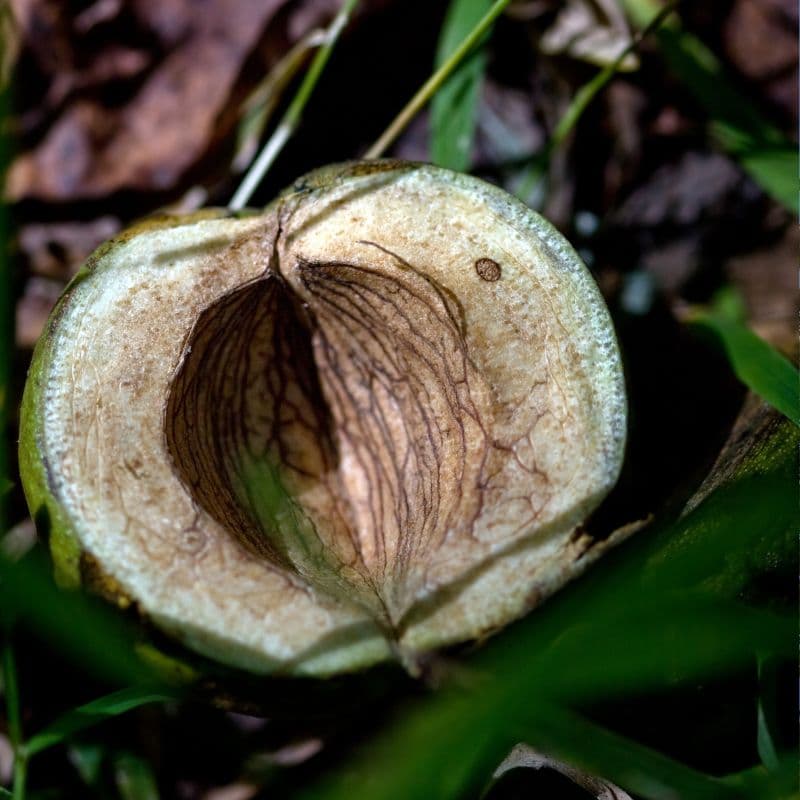
    Shagbark Hickory SIZES: A grade: 5 - 12 inches in height B grade: 5 inches in height Both grades have long tap root. The shagbark hickory tree is scientifically known as Carya ovata. A deciduous hardwood native to North America. Characterized by its unique shaggy bark, which peels away from the trunk in long strips. This species is easily identifiable. The shaggy texture of the bark serves as the identifying feature. Shagbark hickories thrive in well-drained, loamy soils with adequate moisture. Generally found in hardwood forests. These trees grow best in a range of environments. Including lowland sites and upland ridges. This giant tree can reach heights of up to 100 feet with a trunk diameter of 2 to 3 feet. Where To Grow Carya Ovata Known to grow in Nova Scotia and definitely through Quebec and Ontario. Reported to grow down to zone 4. A great cold hardy tree nut. The nuts also provide food and habitat for countless species. Wildlife, including squirrels, deer, and birds eat on its sweet, edible nuts. Shagbark Hickory Nuts These nuts have a rich, buttery taste with a hint of sweetness. This unique combination makes them an excellent ingredient in a variety of culinary applications. Their texture, being slightly chewy and crunchy. You can incorporate the nuts into salads, granolas, and baked goods. Use these nuts in cookies, muffins, and pies. They can also be used in dishes such as roasted vegetable medleys or as a topping for creamy pasta dishes. Press the Shagbark hickory nuts into oil or make nut milk or eat them raw. What Can I Make With Shagbark Hickory? The nuts are a powerhouse, providing a wealth of healthy fats, protein, vitamins, and minerals. They are particularly high in monounsaturated fats, which are beneficial for heart health. Shagbark Hickory contains significant amounts of magnesium, phosphorus, and potassium. shagbark hickory nuts can support various bodily functions, including muscle and nerve health. The protein content in these nuts also aids in muscle repair and growth, making them an excellent choice for those following a balanced diet. When do I harvest Shagbark Hickory? Harvesting typically occurs in the fall. But the nuts can hang on the trees until December. Once you have harvested your nuts then you can dry them. Then store them in a cool dark place.

    CA$11.00from
    View Plant
  • Shellbark HickoryIn Stock

    Shellbark Hickory

    Shellbark Hickory ( Carya laciniosa ) The King Nut of the Forest If there is one nut tree that earns true royalty status, it’s the Shellbark Hickory . Canadian botanist and author Diana Beresford-Kroeger has referred to hickories as the “King Nut” of North American trees and Shellbark sits at the very top of that crown. This is the hickory with the largest nuts of the entire genus , wrapped in thick, rugged shells and packed with rich, sweet kernels that rival pecans for flavour. Historically prized by Indigenous peoples and early settlers, Shellbark Hickory is a once-in-a-generation tree that rewards patience with decades — even centuries of nut production. Planted today, this is a tree for your children, your land, and your legacy. Why Grow Shellbark Hickory? Largest hickory nuts available (significantly bigger than shagbark) Exceptionally sweet, rich flavour Long-lived native hardwood (often 200+ years) High wildlife value + human food value Ideal for food forests, homesteads, and legacy orchards Growing Information (Canada-Friendly) Botanical name: Carya laciniosa Common name: Shellbark Hickory Plant type: Deciduous nut tree Canadian Hardiness Zones: Zone 5–7 (Zone 4b possible in sheltered sites with good soil) Mature Height: 60–80 ft (18–24 m) Mature Spread: 40–50 ft Recommended Spacing: 40–50 ft between trees Best suited to orchards, fields, or large food-forest systems Growth Rate: Slow to moderate (especially in early years) Puts energy into deep root development first, a hallmark of long-lived nut trees Soil Preferences: Deep, fertile, well-drained loam Tolerates heavier soils better than many nut trees Avoid shallow or compacted ground Sun: Full sun (best nut production) Nut Production: Typically begins 10–15 years from seed Heavy crops once mature, with excellent consistency Pollination: Wind-pollinated Planting multiple hickories improves yields A True Legacy Tree Shellbark Hickory isn’t a “quick return” tree it’s a forever tree . This is the kind of planting that defines land stewardship: deep roots, towering form, and food production that can last longer than any orchard crop. If you’re building a serious food forest , restoring land, or planting for future generations, Shellbark Hickory earns its place proudly as the King Nut .

    CA$17.00from
    View Plant
  • SpicebushIn Stock

    Spicebush

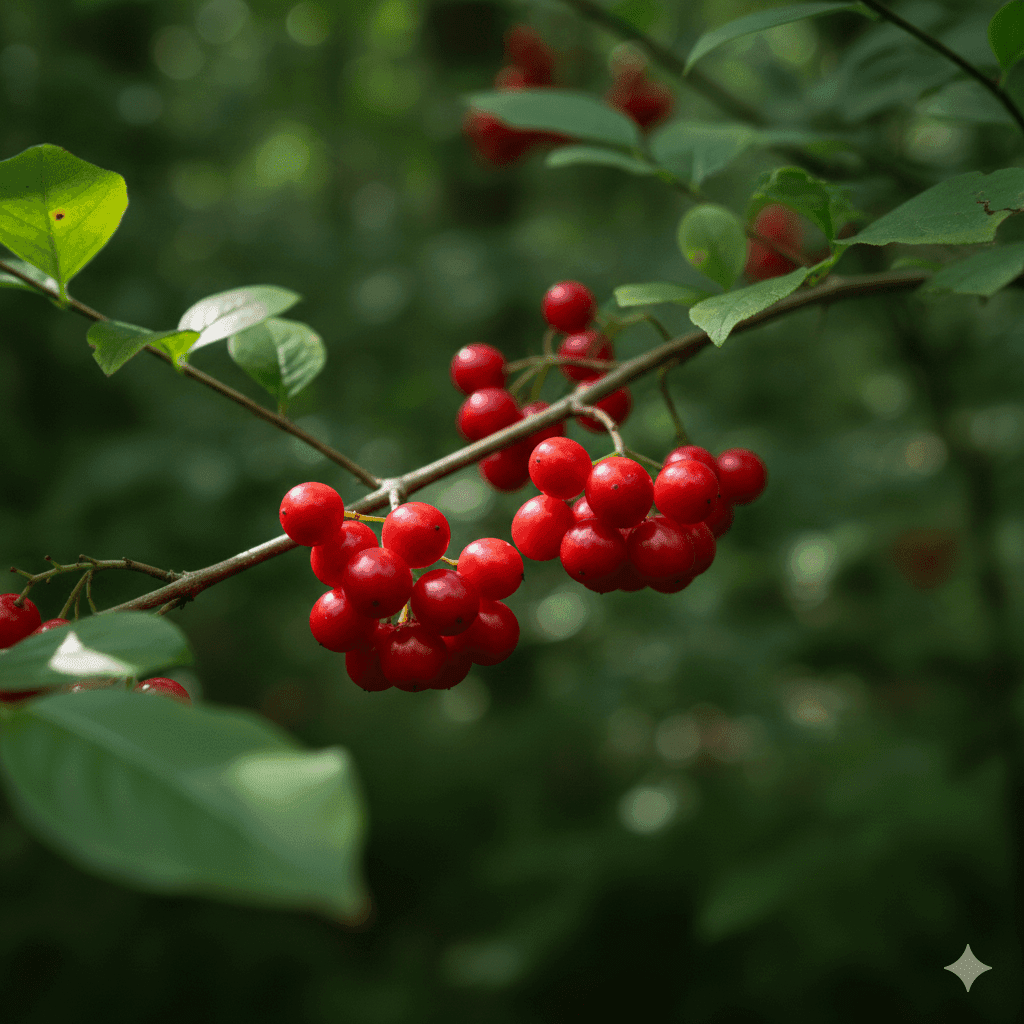
    Spicebush ( Lindera benzoin ) is one of the most valuable native shrubs for Eastern North American landscapes. With its aromatic leaves, bright yellow early spring flowers, and striking red berries, this shrub creates year-round beauty while supporting dozens of native species. POT READY - Pot-Ready plants are young and eager to grow! These smaller plants are best started in a suitably sized pot or garden bed for their first year A true woodland specialist, Spicebush thrives in shaded or partially shaded sites, making it perfect for forest edges, understory plantings, and wildlife gardens. Even in low-light conditions, it delivers fragrance, color, habitat, and ecological richness. Why Choose Spicebush • Essential native species for healthy forest ecosystems • Fragrant leaves with a spicy citrus scent • Blooms very early in spring, feeding emerging pollinators • Host plant for the Spicebush Swallowtail Butterfly • Red berries beloved by birds and wildlife • Thrives in shade where many shrubs fail • Excellent for naturalized or woodland landscapes • Pest-resistant and low maintenance Quick Facts Feature Details Botanical Name Lindera benzoin Hardiness Zone 4–9 Height 6–12 ft Spread 6–10 ft Growth Rate Moderate Exposure Part Shade to Full Shade Soil Moist, rich, well-drained woodland soil Wildlife Value Extremely high Bloom Color Yellow Fall Color Gold Fruit Red berries (female plants) Planting & Care Spicebush grows best in moist, rich, well-drained soil and partial shade, though it adapts well to a range of woodland conditions. Plant in early spring or fall, mulch well, and water during the first season. Once established, it becomes low maintenance and thrives on its own. Ideal Uses • Woodland gardens • Pollinator gardens • Native restoration projects • Shade borders • Bird-friendly landscapes • Moist, shaded naturalized areas FAQ SECTION Does Spicebush grow in shade? Yes — it thrives in partial to full shade and is ideal for woodland areas. Does it attract pollinators? Absolutely. Spicebush is one of the earliest blooming native shrubs and provides crucial food for early spring pollinators. Does Spicebush produce berries? Female plants produce bright red berries in late summer and fall. If you want fruit, plant at least one male nearby. Is Spicebush deer resistant? It has moderate deer resistance, but young plants may need protection. What wildlife does it support? It is the host plant for the Spicebush Swallowtail Butterfly and provides berries for birds. Does it require full sun? No — it performs best in part shade or full shade. SPECIFICATIONS TABLE Attribute Value Botanical Name Lindera benzoin Mature Height 6–12 ft Mature Spread 6–10 ft Growth Form Multi-stem deciduous shrub Light Part Shade – Full Shade Soil Moist, rich, well-drained Water Moderate Hardiness Zone 4–9 Flowering Early spring yellow blooms Fruit Red drupes (female plants) Wildlife Value Exceptional

    CA$9.00from
    View Plant
  • Staghorn SumacIn Stock

    Staghorn Sumac

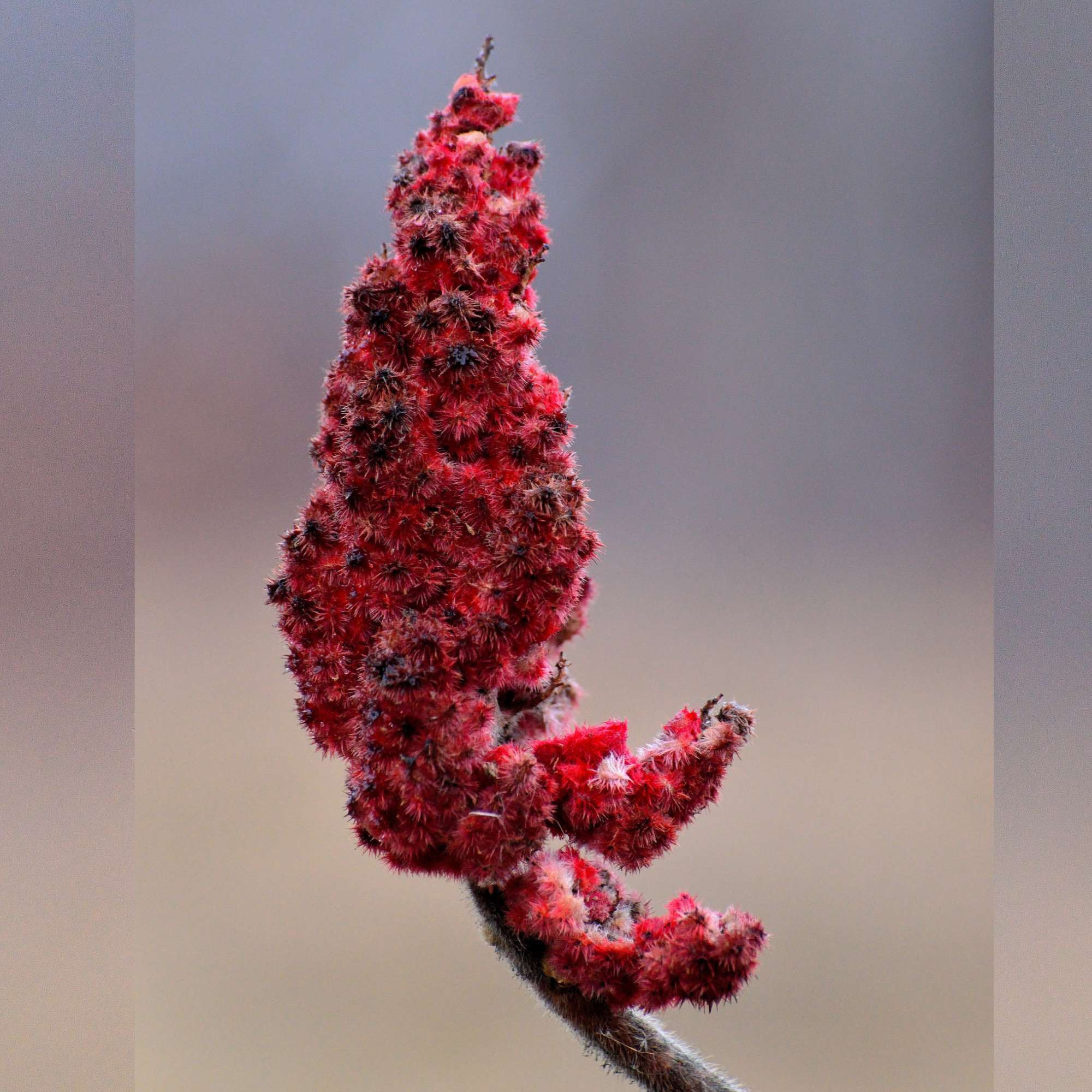
    Staghorn Sumac: Elevate your garden's allure with the Staghorn Sumac (Rhus typhina). This striking deciduous shrub boasts resilience and visual appeal, thriving in various conditions and hardiness zones 4-8. A Grade (Ground-Ready): Stronger, thicker stems for instant planting. B Grade (Ground-Ready): Smaller than A grade and suitable for planting directly in the ground. C Grade: Start in a pot or nursery bed for one season before transplanting. Key Features: Hardiness Zone (4-8): This hardy shrub adapts effortlessly to climates ranging from chilly winters to warm summers, making it an ideal choice for a diverse range of landscapes. Soil Preferences: The Staghorn Sumac flourishes in well-drained soil types, including loamy, sandy, or rocky soils, showcasing its adaptability to different soil conditions. Fruit Size and Appearance: Expect vibrant clusters of red fruit measuring around ¼ to ½ inch in diameter, adding a pop of color and visual interest to your garden. Height and Width: With a height spanning 15 to 25 feet and a width of approximately 20 to 30 feet, this shrub suits gardens of varying sizes, lending a captivating presence. Flowering Time: During late spring to early summer, the Staghorn Sumac displays dense, conical flower clusters that attract pollinators, contributing to its aesthetic charm. Growth Habits: Featuring an upright, spreading growth pattern and distinct fern-like foliage, this plant offers texture and depth to your garden landscape. Fruit Utilization: Harvest ripe fruit clusters in late summer to early fall for diverse purposes. The dried and ground fruit serves as a tangy spice or creates refreshing beverages like sumac-ade. Determining Ripeness: Identify ripe fruit by its vibrant red coloration and plumpness, indicating the perfect time for harvesting. Additional Requirements: Sunlight Needs: Optimal growth and fruit production occur in full sun to partial shade, requiring adequate sunlight exposure. Watering Requirements: While moderately drought-tolerant, consistent watering during dry spells aids in establishing healthy growth. Maintenance Tips: Pruning supports managing size and shape, fostering a fuller appearance and maintaining garden aesthetics. Conclusion: With its versatility, visual allure, and low maintenance, the Staghorn Sumac stands as a valuable addition to any garden or landscape. Elevate your outdoor space effortlessly with this resilient and stunning shrub!

    CA$7.00from
    View Plant
  • Sugar MapleShips SpringIn Stock

    Sugar Maple

    Acer saccharum

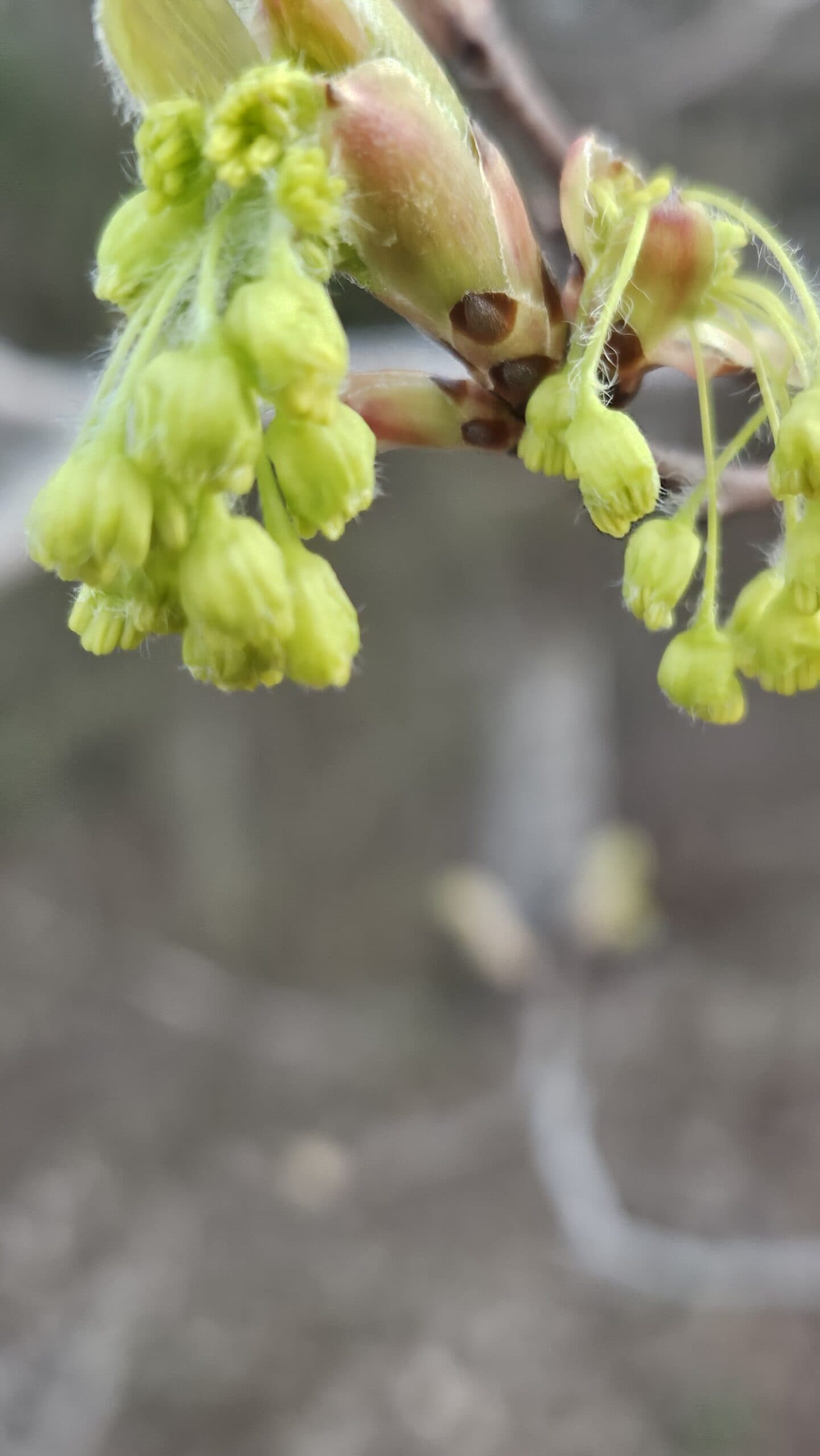
    The sugar maple tree for sale at Little Tree Farm is a top choice for Canadian gardeners seeking a reliable shade tree and syrup producer. Acer saccharum is hardy in Zones 3–8 , establishes well in well-drained soils, and delivers stunning fall colour plus years of sweet sap. About this sugar maple (Acer saccharum) The sugar maple is a North American native prized for its dense shade, brilliant autumn colour, and sap used for maple syrup. Our stock is grown for health and vigor — available as pot-grown saplings for smaller landscapes and field-grown / balled-and-burlapped options for immediate planting. Hardiness & growing zones Hardy to Zones 3–8 . Suitable across much of Canada, from cooler inland regions to milder southern zones. Check your local hardiness zone to confirm best performance. Sizes & formats available Saplings (pot-ready) — ideal for container planting and patios. Field-grown / root-balled (ground-ready) — larger plants for immediate landscape impact. (Offer both size/format options as separate variations if you want.) Soil & site recommendations Prefers well-drained loam with regular moisture; tolerates clay if drainage is adequate. Full sun to light shade. Give young trees a sheltered spot from extreme winds while they establish. Planting & care Plant at the same depth as in the pot or root ball. Water deeply for the first 2–3 seasons, mulch to retain moisture, and avoid deep fertilizing in year one. Prune only dead or crossing branches in late winter. Uses & benefits Shade & street tree Backyard and orchard specimen Maple syrup production (sap producer) Long-term landscape and food-forest component Common questions Q: What zones are sugar maples hardy to? A: Sugar maples (Acer saccharum) are hardy to Zones 3–8 in Canada. Q: Can I plant a sugar maple in a pot? A: Yes — small saplings are suitable for pots for a few seasons; for long-term growth, plant in the ground once it's established. Q: When is the best time to plant a sugar maple? A: Early spring or fall are ideal — cooler temperatures help roots establish before summer heat or deep winter. Why buy from Little Tree Farm Nursery-grown with attention to root health and acclimatization for Canadian climates. We package and ship carefully across Canada; local pickup available at our farm. All plants are inspected for vigor and pests before dispatch. Shipping, sizing & guarantees See product options for size specifics. Ground-ready trees will have a planting/root care guide. We recommend ordering in fall or early spring for best transplant success. Contact us if you need custom shipping or larger sizes.

    • Zone 3–8
    • 70 ft
    • Full Sun
    CA$15.00from
    View Plant
  • Valerian SeedsIn Stock

    Valerian Seeds

    Valeriana officinalis

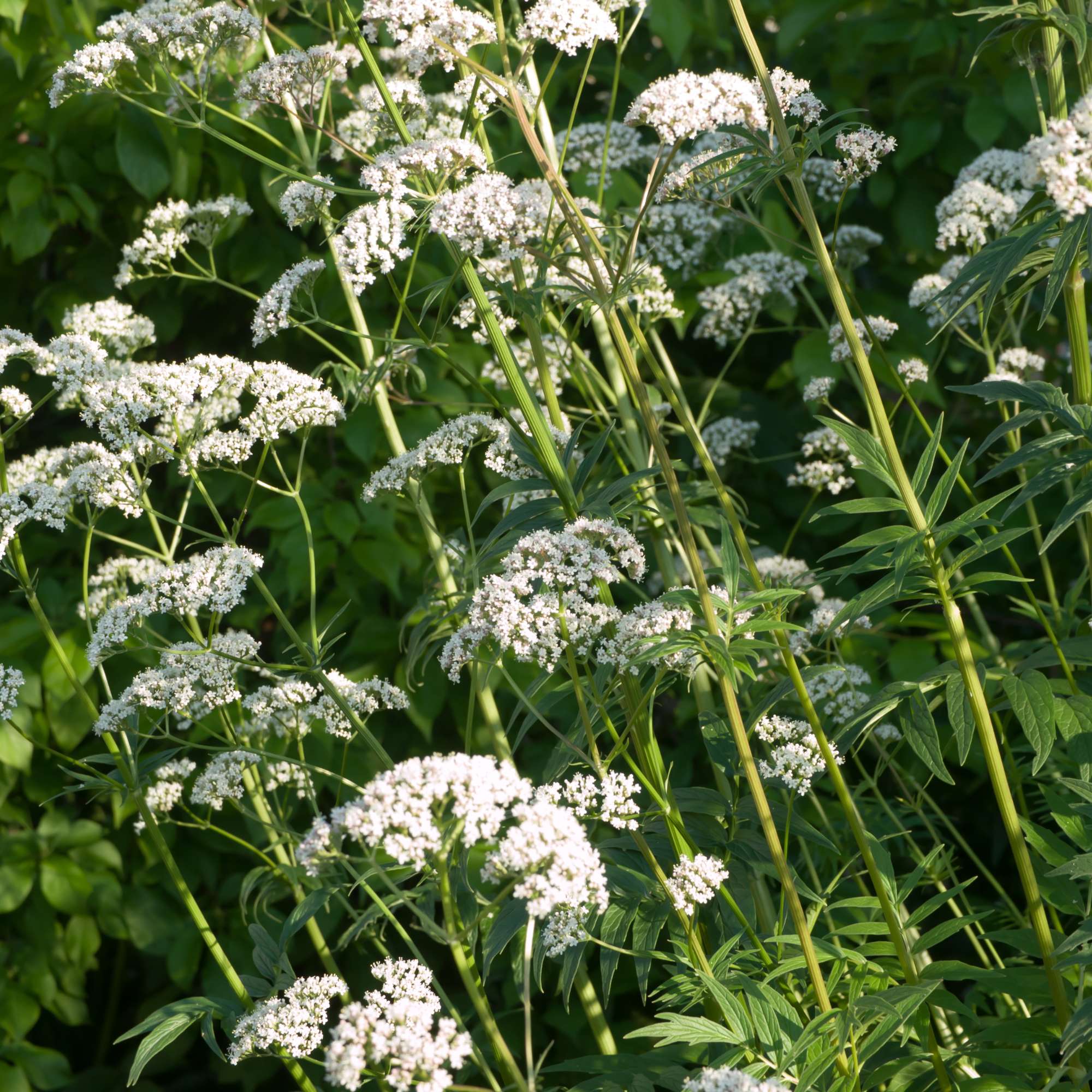
    Valerian (Valeriana officinalis) is a flowering herb that is native to Europe and Asia. It is prized for its beautiful, fragrant flowers and its calming, relaxing properties. It typically flowers in the summer months, from June through August. The flowers of the valerian plant are white or pink and have a sweet, pleasant scent. The plant grows four to five feet tall with broad leaves and fragrant white, pink, or pale violet flowers borne in clusters. It has heavy spreading root stocks that are strong smelling and used dried for medicinal purposes. Propogate by seeds, sown in a well protected sunny seed bed as soon as they ripe or by division of the roots in fall or spring. Plant seeds 12 inches apart. Valerian thrives best in a rich and rarther heavy loam, well supplied with water. These seeds produce tall, stately plants that will add a touch of elegance to any outdoor space. Valerian is a hardy herb that can withstand a wide range of growing conditions, making it a great choice for both experienced gardeners and beginners.

    CA$4.00from
    View Plant
  • Thornless BlackberryIn Stock

    Thornless Blackberry

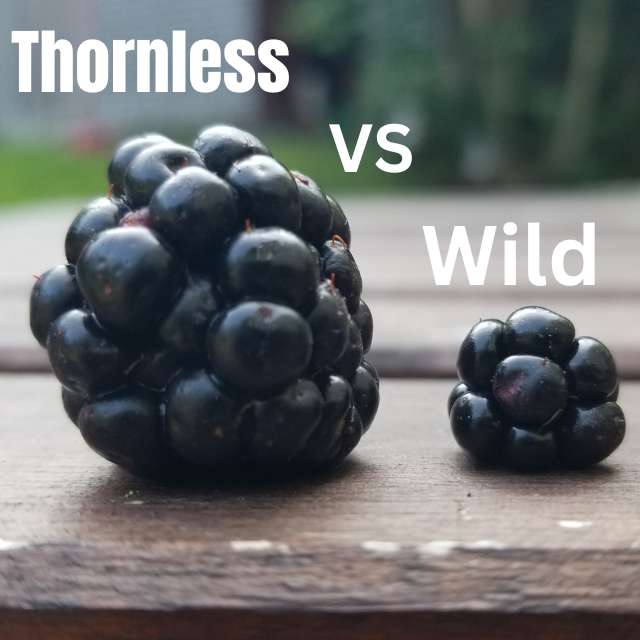
    Grow Your Own Delicious Thornless Blackberry Plants Experience the delight of homegrown thornless blackberries with our premium Thornless Blackberry plants. Here's why you'll love them: Sizes Explained A Grade (Ground-Ready): Stronger, thicker stems for instant planting. B Grade (Ground-Ready): Thinner stems, but still suitable for planting directly in the ground. Pot-Ready: Start in a pot or nursery bed for one season before transplanting. Hardiness Zone Suitable for Hardiness Zones 4-9, these thornless blackberry plants adapt to various climates, ensuring a reliable harvest in your region. Ideal Soil Type Thornless Blackberries thrive in well-draining, loamy soil with a slightly acidic to neutral pH level (around 5.5 to 7.0). Prepare your garden bed with rich, organic matter for optimal growth. Fruit Size Enjoy plump, juicy blackberries that are larger than many other varieties. Their robust size and sweet flavor make them perfect for fresh snacking, desserts, jams, and pies. Plant Size Our Thornless Blackberry plants typically reach heights of 4-6 feet, with a similar width, creating a compact and manageable berry patch in your garden. Flowering Time These blackberry bushes burst into bloom in late spring to early summer, attracting essential pollinators to your garden. Growth Habits Thornless Blackberries are known for their erect and self-supporting growth habit. You won't have to worry about thorns while tending to your berry patch. What to Do with the Fruit Your Thornless Blackberry harvest offers endless culinary possibilities. Enjoy them fresh, add them to smoothies, make delectable jams, bake mouthwatering pies, or even use them in savory dishes. Ripeness Indicator Harvest your blackberries when they turn glossy black and easily come off the plant with a gentle tug. Ripe berries typically appear in mid to late summer. Additional Requirements - Sunlight: Ensure your Thornless Blackberry plants receive at least 6-8 hours of sunlight daily for robust fruit production. - Watering: Keep the soil consistently moist, especially during the growing season, to support healthy growth and fruit development. - Pruning: Regular pruning in late winter or early spring helps maintain shape and encourages new growth. - Pollination: While these blackberries are self-pollinating, planting multiple plants can increase fruit production. - Support: Consider trellising or staking to support heavy fruit-laden canes during the growing season. Why Choose Our Thornless Blackberry Plants - High-Yield Harvest: Our Thornless Blackberry plants yield an abundance of sweet, thorn-free berries. - Compact and Manageable: These plants are perfect for small gardens or even container gardening. - Culinary Versatility: From desserts to savory dishes, explore the endless culinary possibilities of homegrown blackberries. - Easy Care: These low-maintenance plants thrive with minimal effort, so you can enjoy a fruitful harvest without the hassle of thorns. Elevate your garden and your culinary creations with Thornless Blackberries. Order now and look forward to a season of mouthwatering, thorn-free delights.

    CA$9.00from
    View Plant
  • Weigela PlantIn Stock

    Weigela Plant

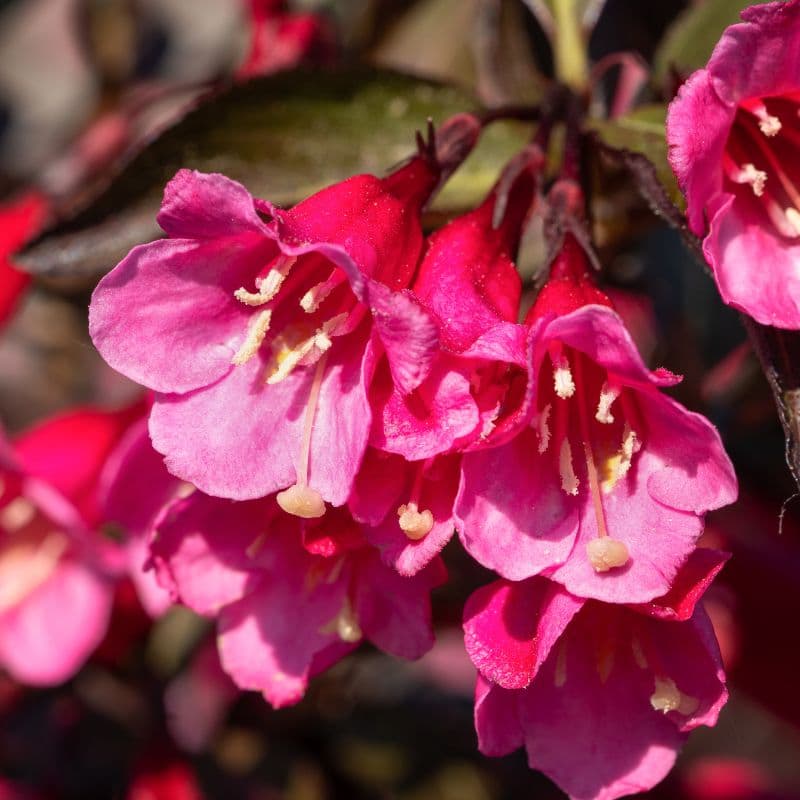
    Old Fashioned Weigela The Old Fashioned Weigela plant has a rich and captivating history that traces its roots back to Asia. It was first discovered in the early 19th century in China and Korea. Where its vibrant flowers and hardy nature caught the attention of botanists. In 1845, the Old Fashioned Weigela quickly gained popularity among gardeners and landscape designers. Its adaptability to a range of soil types and climates made it an ideal candidate for ornamental gardens. Lush foliage but also for its beautiful trumpet-shaped blooms that appear in the spring and summer, typically ranging from pale pink to deep magenta. As the Old Fashioned Weigela made its way to North America, it continued to capture the hearts of horticulturists and homeowners alike. Its resilience against urban conditions, including drought and poor soil, has allowed it to thrive in various environments, further enhancing its appeal. Over time, the plant has been cultivated into various forms, but the original variety remains a favorite due to its classic charm and low-maintenance nature. Its ability to attract pollinators such as bees and butterflies also adds to its desirability. A somewhat staple in environmentally friendly gardening practices. This plant is not just a beautiful addition to any landscape but also a testament to the timeless charm it embodies. Cultivation and Care of Old Fashioned Weigela Plant Old Fashioned Weigela, known for its delightful blooms and attractive foliage, thrives when given the right conditions. This deciduous shrub flourishes in full to partial sunlight, ideally receiving at least six hours of direct sunlight each day. While adaptable, it performs best in well-draining soil enriched with organic matter. A slightly acidic to neutral pH is optimal for growth, promoting healthy root systems. Regular watering is essential, particularly during dry spells. Pruning should occur immediately after flowering in late spring to early summer. This timing encourages new growth, which enhances blooming in subsequent seasons. Remove any dead, damaged, or crossing branches to maintain an open structure. Thinning the plant by about one-third of its total height can also stimulate healthy growth and rejuvenate the shrub. When planting, it is advisable to do so in the spring or early fall. This timing allows the roots to establish before the onset of harsh winter temperatures or the heat of summer. Common diseases that Old Fashioned Weigela may encounter include powdery mildew and leaf spot. Adequate spacing, ensuring good air circulation around the plants, and avoiding overhead watering can mitigate these issues. Additionally, promoting blooming involves ensuring the plant is well-fed with a balanced fertilizer applied in early spring. By understanding these cultivation and care practices, garden enthusiasts can enjoy the vibrant beauty of Old Fashioned Weigela for many years to come.

    CA$11.00from
    View Plant
  • Zone-matched plants

    Every plant shows the zones where it thrives.

  • Grown in Nova Scotia

    Raised for Canadian winters, shipped across Canada.

  • Not sure what fits?

    Tell us your land and goals — we'll match you.

Need help choosing?Talk to a Plant Expert

Cold-hardy plants for Canadian landscapes

Every tree, shrub, and berry in our nursery is grown in Nova Scotia and selected for real Canadian conditions — short summers, cold winters, and everything in between. Whether you're planting a nut orchard, a berry patch, or restoring habitat with native plants, start with your hardiness zone and plant with confidence.