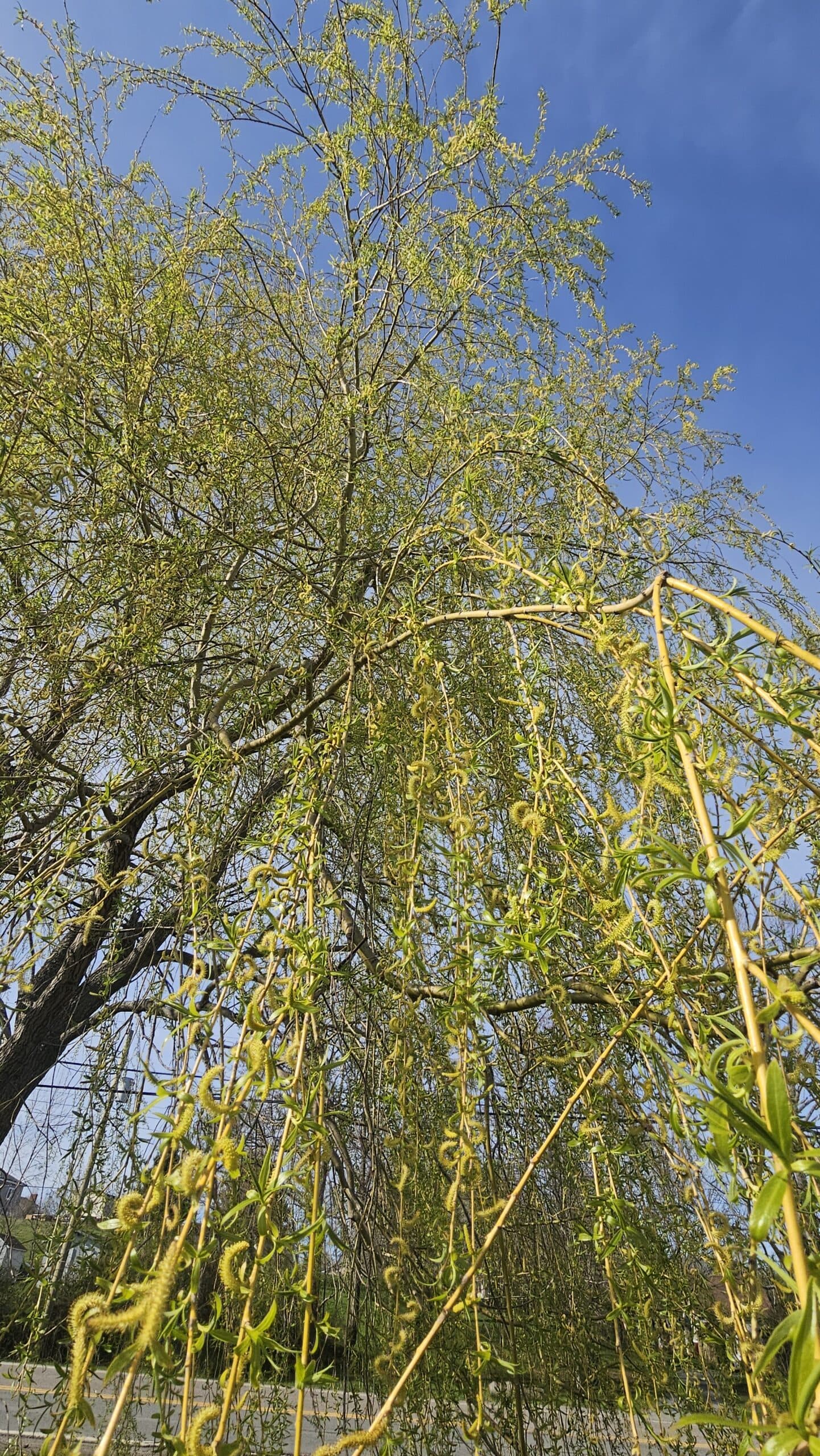
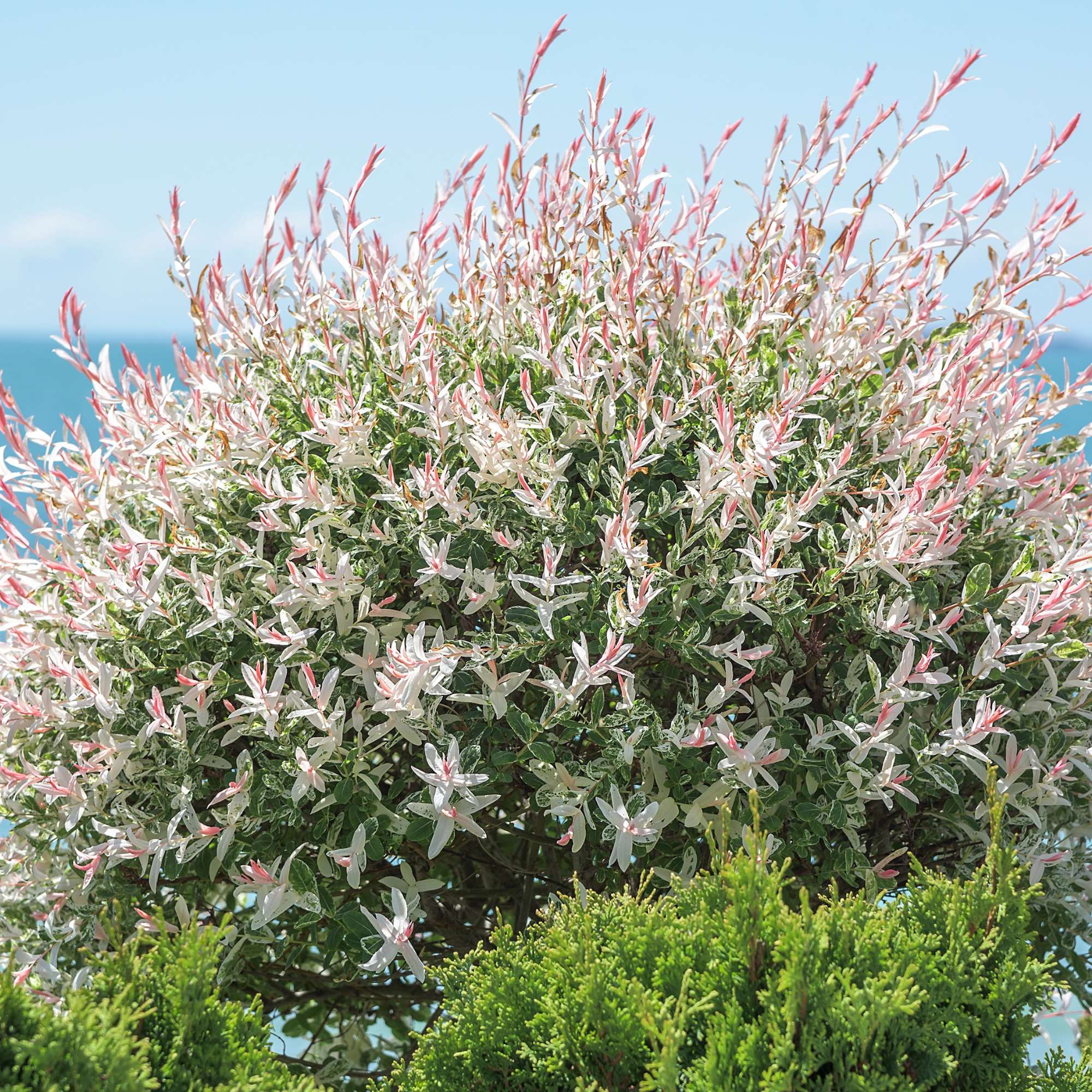
Dappled Willow: A Striking Ornamental Shrub for Your Landscape The Dappled Willow (Salix integra 'Hakuro Nishiki') – an exquisite ornamental shrub renowned for its vibrant foliage and versatile growth habits, making it a captivating addition to any garden. Key Features: Hardiness Zone (4-9): This resilient shrub thrives in hardiness zones 4 to 9, showcasing adaptability to various climates and making it suitable for a wide range of gardens and landscapes. Soil Preferences: Dappled Willows prefer moist, well-draining soil enriched with organic matter. Loamy or sandy soils with adequate moisture retention foster optimal growth and vibrant foliage. Height and Width: Expect these shrubs to reach heights of 6 to 10 feet and spread 4 to 6 feet wide, providing a striking presence in gardens. Their arching branches create an elegant silhouette. Flowering Time: In early spring, Dappled Willows produce small inconspicuous flowers, but it's the foliage that steals the show with its vibrant colors. Fast Growth Habits: Known for its rapid growth, the Dappled Willow exhibits vigorous growth habits, establishing a dense and lush appearance in a relatively short time. Leaf Colors: The foliage features a captivating array of colors, showcasing shades of pink, white, and green throughout the growing season. Even when dried on the plant, the leaves retain their variegated beauty, providing year-round interest. Additional Requirements: Sunlight Needs: While it prefers full sun to partial shade, Dappled Willows tolerate a variety of light conditions, thriving in locations with morning sun and afternoon shade in hotter climates. Watering and Maintenance: Regular watering is essential, especially during the establishment period. Pruning promotes healthy growth and shape. Trim back in late winter or early spring to encourage new growth. Soil pH and Color Maintenance: For vibrant foliage colors, maintain slightly acidic to neutral soil pH. Regular fertilization can help retain the striking variegation in the leaves. Conclusion: With its dazzling foliage, adaptability, and rapid growth, the Dappled Willow stands as a versatile and visually stunning choice for adding vibrancy and allure to any garden landscape. Whether used as a specimen plant or in mixed borders, this shrub offers year-round beauty and charm.
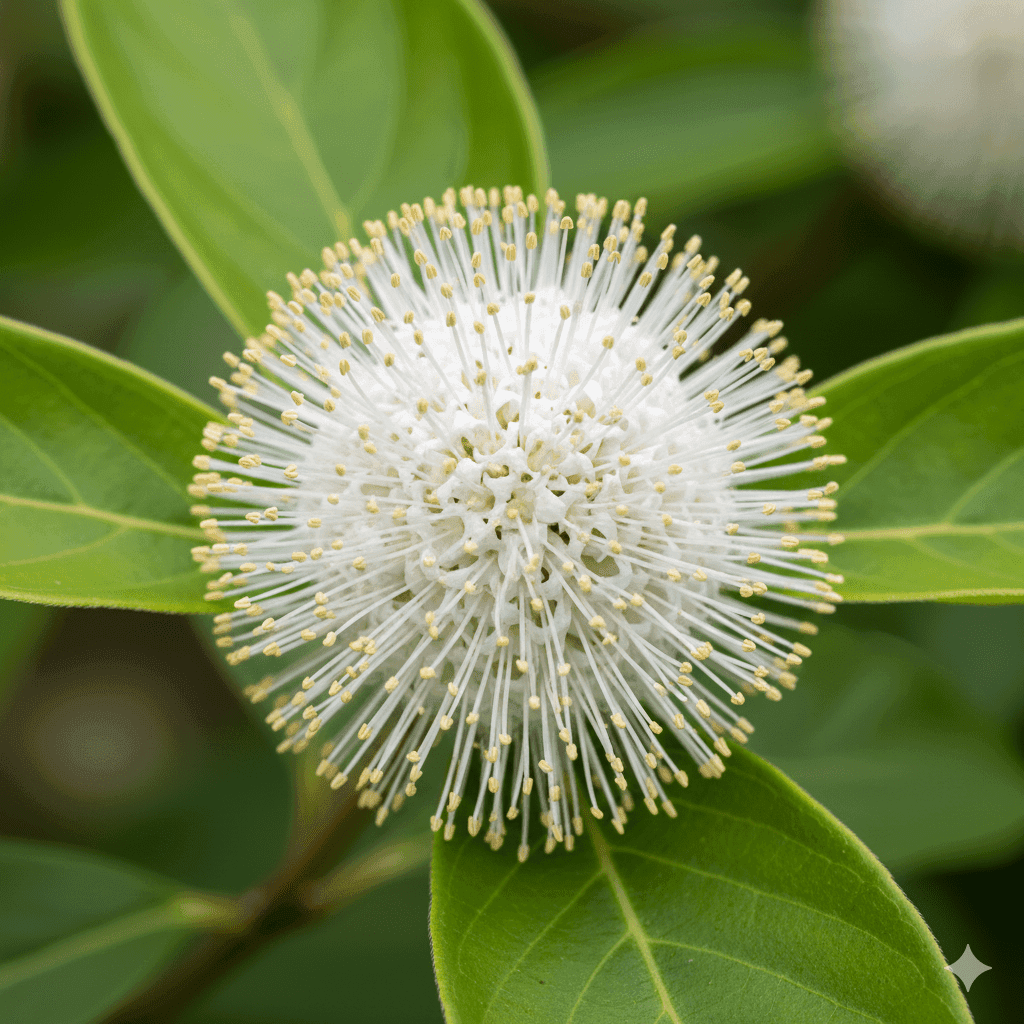
Eastern Buttonbush (Cephalanthus occidentalis) — Native Wetland Shrub for Pollinators & Rain Gardens The Eastern Buttonbush is an extraordinary native shrub cherished for its unique spherical blooms, wildlife benefits, and ability to thrive where most plants fail. Its fragrant white “button” flowers attract butterflies, bees, moths, and hummingbirds , making it one of the best plants for building a pollinator-rich landscape . Growing naturally along ponds, streams, marshes, and wet lowlands, Buttonbush is a top choice for gardeners and landowners looking to add beauty, biodiversity, and resilience to their land. Sizes Explained A Grade (Ground-Ready): Stronger, thicker stems for instant planting. B Grade (Ground-Ready): Thinner stems, but still suitable for planting directly in the ground. Pot-Ready: Start in a pot or nursery bed for one season before transplanting. Why Eastern Buttonbush? Buttonbush is among the most ecologically valuable wetland shrubs in North America. It thrives in wet soils, standing water, and periodically flooded zones — places where typical ornamentals and shrubs struggle. With its dynamic form, glossy green leaves, and signature globe-shaped blooms, it transforms any water-adjacent or moist area into a thriving wildlife haven. Key Features ✔ Iconic globe-shaped white flowers (100% pollinator magnet) ✔ Thrives in wet, boggy, marshy, or submerged soil ✔ Hardy from USDA Zones 4–10 ✔ Excellent for pond edges, rain gardens & riparian restoration ✔ Loved by butterflies, hummingbirds, bees & native pollinators ✔ Grows 5–12 ft tall depending on moisture & sunlight ✔ Perfect shrub for naturalized and wildlife-friendly landscapes Growing & Care Guide Sunlight: Full sun for best flowering; tolerates partial shade Soil: Moist, wet, or even shallow standing water (up to 3–4 inches) Water: Keep consistently moist, especially during establishment Planting: Plant in spring or fall for best results Pruning: Light pruning after flowering to maintain shape Growth Rate: Fast in moist conditions Where Eastern Buttonbush Grows Best (Zones & Conditions) Eastern Buttonbush thrives effortlessly in USDA Hardiness Zones 4–10 , and excels in: Wetlands & marsh edges Pond borders & lakeshores Rain gardens & water features Swales, ditches & stormwater areas Riparian zones & restoration sites Wildlife gardens & native pollinator gardens If your land has wet soil, standing water, or drainage issues , this is one of the best shrubs you can plant. Uses & Landscape Benefits Wetland and bog garden planting Water purification & natural filtration in eco-landscapes Habitat creation for butterflies and hummingbirds Shoreline stabilization and erosion control Pollinator gardens, rain gardens & stormwater buffers Naturalized woodland or wetland edges Frequently Asked Questions (FAQs) 1. Does Eastern Buttonbush really grow in water? Yes! It thrives in wet soils and can even tolerate 3–4 inches of standing water , making it perfect for pond edges and boggy spots. 2. What zones is Buttonbush suitable for? It grows extremely well in USDA Zones 4–10 , handling both cold northern climates and southern heat. 3. How tall does it get? Typically 5–12 feet depending on moisture and sunlight. 4. Is Buttonbush good for wildlife? Absolutely. The flowers are loved by butterflies, bees, hummingbirds , and many native pollinators. Birds also eat the seeds in fall. 5. How fast does Buttonbush grow? In moist conditions, growth is fast , often reaching several feet within the first couple of seasons. 6. Can I plant this away from water? Yes, it will grow in regular soil if kept consistently moist — but performs best near water or damp areas. 7. Does Buttonbush need a lot of sunlight? Full sun promotes the best flowering, but it tolerates partial shade without issue. Why Buy Eastern Buttonbush from Little Tree Farm? Our Buttonbush saplings are nursery-grown, healthy, and moisture-adapted , ensuring excellent survival rates. Whether you're creating a pollinator garden , restoring wetland habitat, or enhancing pond edges, these shrubs deliver unmatched ecological value and beauty.
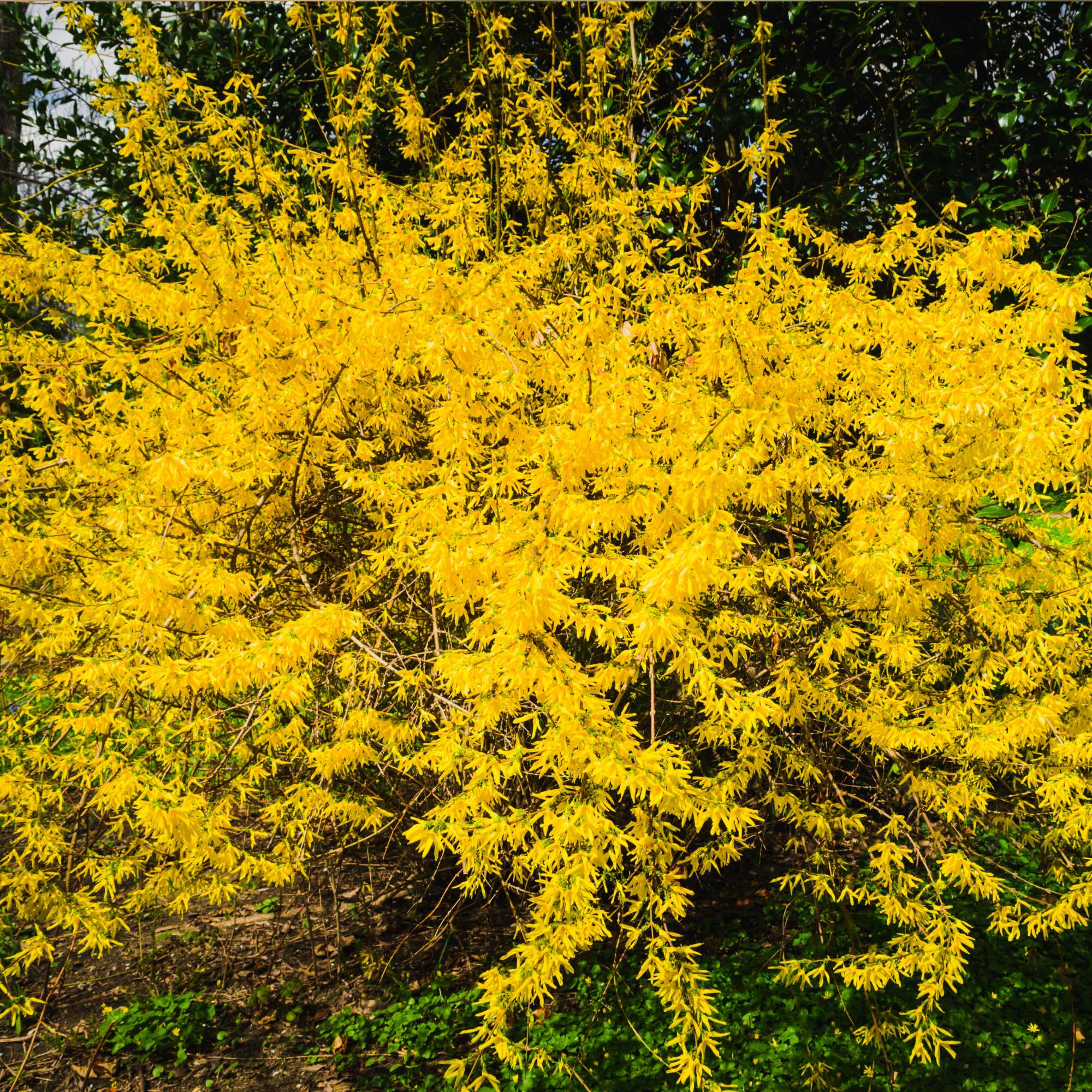
Forsythia Explore the radiant beauty of Forsythia, an iconic flowering shrub cherished for its vibrant yellow blossoms heralding the arrival of spring. A Grade (Ground-Ready): Stronger, thicker stems for instant planting. B Grade (Ground-Ready) : Smaller than A grade and suitable for planting directly in the ground. Pot-Ready: Start in a pot or nursery bed for one season before transplanting. Key Features: Hardiness Zone (4-9): Forsythia thrives in hardiness zones 4 to 9, showcasing its adaptability to various climates and making it a versatile addition to different garden landscapes. Soil Preferences: These shrubs prefer well-draining soil with moderate moisture content. Loamy or sandy soils are suitable, ensuring optimal growth and flowering. Height and Width: Expect Forsythia to reach heights of 6 to 10 feet with a width spanning 8 to 10 feet, providing a substantial presence in gardens and borders. Flowering Time and Color: These shrubs burst into a profusion of golden-yellow blooms in early spring, often before the foliage appears. The vibrant yellow flowers create a striking visual display, signaling the arrival of spring. Fast Growth Habits: Forsythia is celebrated for its rapid growth, establishing quickly and filling spaces with its bright blooms and green foliage. Leaf Colors: The foliage of Forsythia consists of bright green leaves. Even when dried on the plant, the leaves maintain their color, providing a touch of greenery through the seasons. Additional Requirements: Sunlight Needs: Thriving in full sun to partial shade, Forsythia adapts to different light conditions, making it suitable for various garden settings. Watering and Maintenance: Regular watering during the growing season aids in establishing healthy growth. Minimal pruning is necessary, primarily focusing on shaping or removing dead branches after flowering. Soil pH and Other Considerations: These shrubs are adaptable to different soil types but prefer slightly acidic to neutral soil pH for optimal growth. Regular fertilization may help enhance flowering and foliage color. Conclusion: With its radiant golden blooms, adaptability, and rapid growth, Forsythia remains a beloved and versatile choice for adding a burst of color and cheer to gardens. Whether as a standalone shrub or as part of a mixed border, Forsythia heralds the onset of spring with its vibrant display.
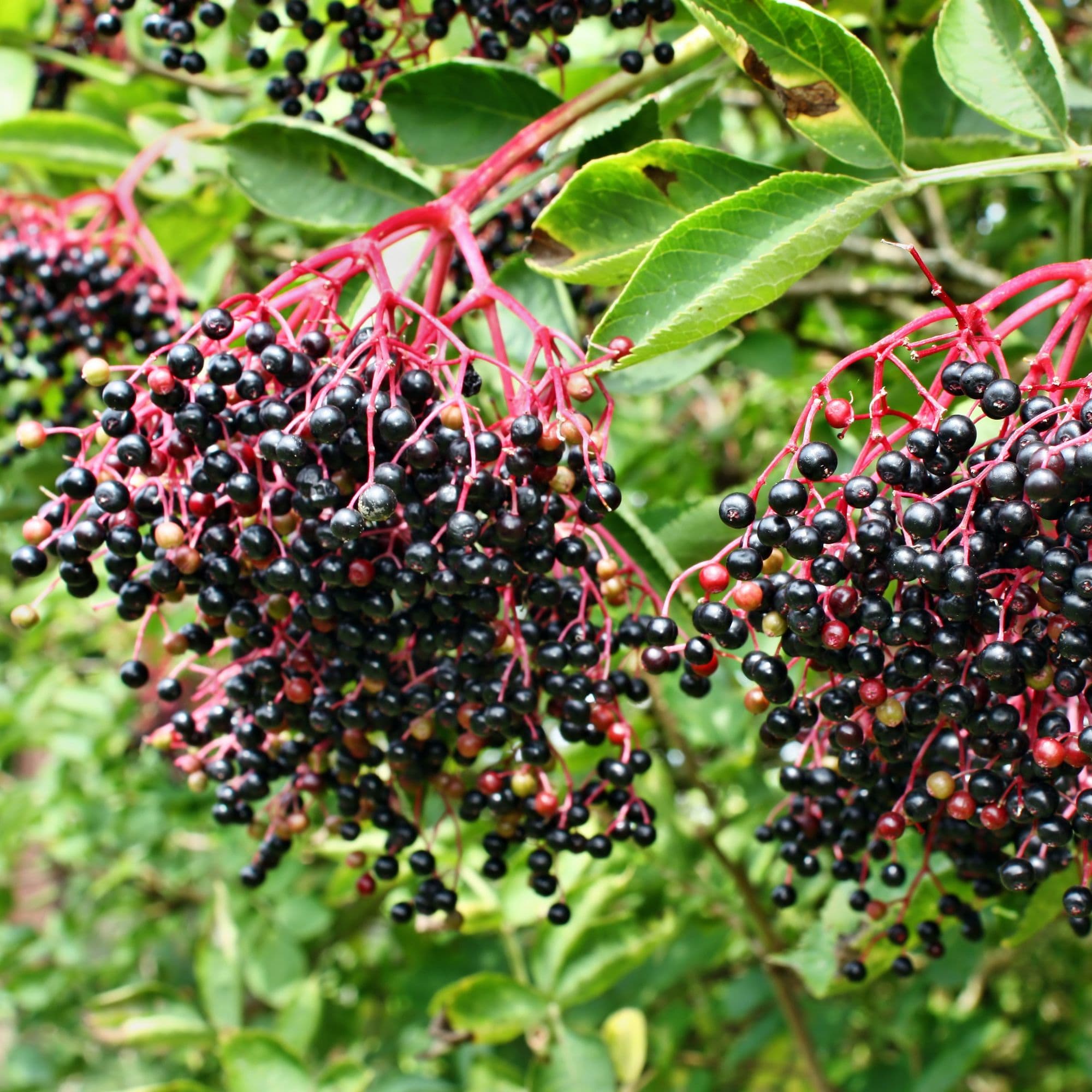
Hardy Elderberry Tree Are you ready to enhance your garden and boost your well-being with the power of elderberries? Our Elderberry Plants are the perfect choice. Here's why: Hardiness Zone Suitable for Zones 3-9, our Elderberry Plants adapt well to a wide range of climates, providing you with a reliable harvest. Ideal Soil Type These hardy shrubs thrive in well-draining, loamy soil, but they're remarkably adaptable to different soil types. Maintain a slightly acidic to neutral pH level (around 6.0 to 7.0) for optimal growth. Fruit Size Enjoy abundant clusters of small, nutrient-rich elderberries, perfect for creating immune-boosting syrups, jams, pies, and even wine. Height of Our Elderberry Tree Plant Mature Elderberry Plants can reach heights of 6-12 feet, offering both visual appeal and privacy screening in your garden. Flowering Time The Elderberry tree bursts into creamy white blossoms in late spring to early summer, attracting beneficial pollinators to your garden. Growth Habits These plants display a bushy and vigorous growth habit, making them ideal for hedges, borders, or as standalone focal points in your landscape. What to Do with the Fruit Elderberries are versatile. Harvest and transform them into immune-boosting syrups, jams, jellies, and pies. They're also perfect for creating elderberry wine, rich in antioxidants. Ripeness Indicator Elderberries are ripe when they turn dark purple or black and have a soft, plump texture. Typically, this occurs in late summer to early fall. Additional Requirements - Sunlight: Ensure Elderberry tree receive at least 6 hours of sunlight daily for abundant fruit production. - Watering: Keep the soil consistently moist, especially during the growing season, to support healthy growth and fruit development. - Pruning: Regular pruning in late winter or early spring helps maintain shape and encourage new growth. - Pollination: These varieties are self-pollinating, but planting multiple Elderberry shrubs can increase fruit production. - Spacing: Plant Elderberry shrubs 6-10 feet apart to allow for healthy growth and airflow. Why Choose Our Elderberry Plants - Expertly Cultivated: Our Elderberry tree is grown with care, ensuring strong, healthy specimens ready to thrive in your garden. - Bountiful Harvests: Enjoy a generous supply of nutrient-rich elderberries, perfect for your well-being and culinary adventures. - Adaptable to Your Space: Elderberry can be tailored to your garden, serving both aesthetic and practical purposes. - Year-Round Beauty: Beyond the delectable fruit, they contribute to your garden's allure with their beautiful foliage and blossoms. Elderberry Tree Varieties: Native Elderberry: Bigger berries thrive on robust John elderberry plants, with a harvest typically arriving about two weeks after Adams. Low-maintenance bushes . Their lush green foliage adds an attractive gloss to your landscape. In spring, enjoy the sight of enormous clusters of white flowers that transform into soft, nearly black berries come late summer. Both the elderflowers and ripe elderberries are edible, making this cultivar versatile. John elderberries are cold-hardy and typically ripen in mid-August. They also serve as excellent pollinators for other elderberry varieties. Bob Gordan Elderberry: Bob Gordon elderberry stands out with its exceptionally sweet and plump berries, surpassing many other elderberry varieties. It was first discovered in Osceola, Missouri, in 1999. These berries boast an impressive antioxidant content, exceeding that of cherries by more than four times. Robust and prolific, Bob Gordon plants are low-maintenance and yield substantial ¼-inch elderberries, perfect for pies, jams, wines, and syrups. They exhibit some resistance to Japanese beetles. The unique hanging flower heads help naturally deter bird damage, but it's advisable to use netting to protect the fruit before ripening in July. Bob Gordon serves as an excellent pollinator for various elderberry varieties. Big Berry Elderberry Big Berry elderberry is selected for its impressively large, plump fruit clusters , producing noticeably bigger berries than most standard elderberry varieties. Known for its rich flavour and high antioxidant content, this variety offers exceptional yields that make it ideal for pies, jams, wines, syrups, and herbal uses. Vigorous and low-maintenance, Big Berry forms strong canes that support its heavy crops, thriving in cold climates with minimal care. The abundant flower heads develop into oversized, dark-purple berries that ripen mid-summer, making it a standout choice for homesteads, food forests, and small-scale farms. Plant alongside another elderberry variety for best pollination and maximum fruit set.
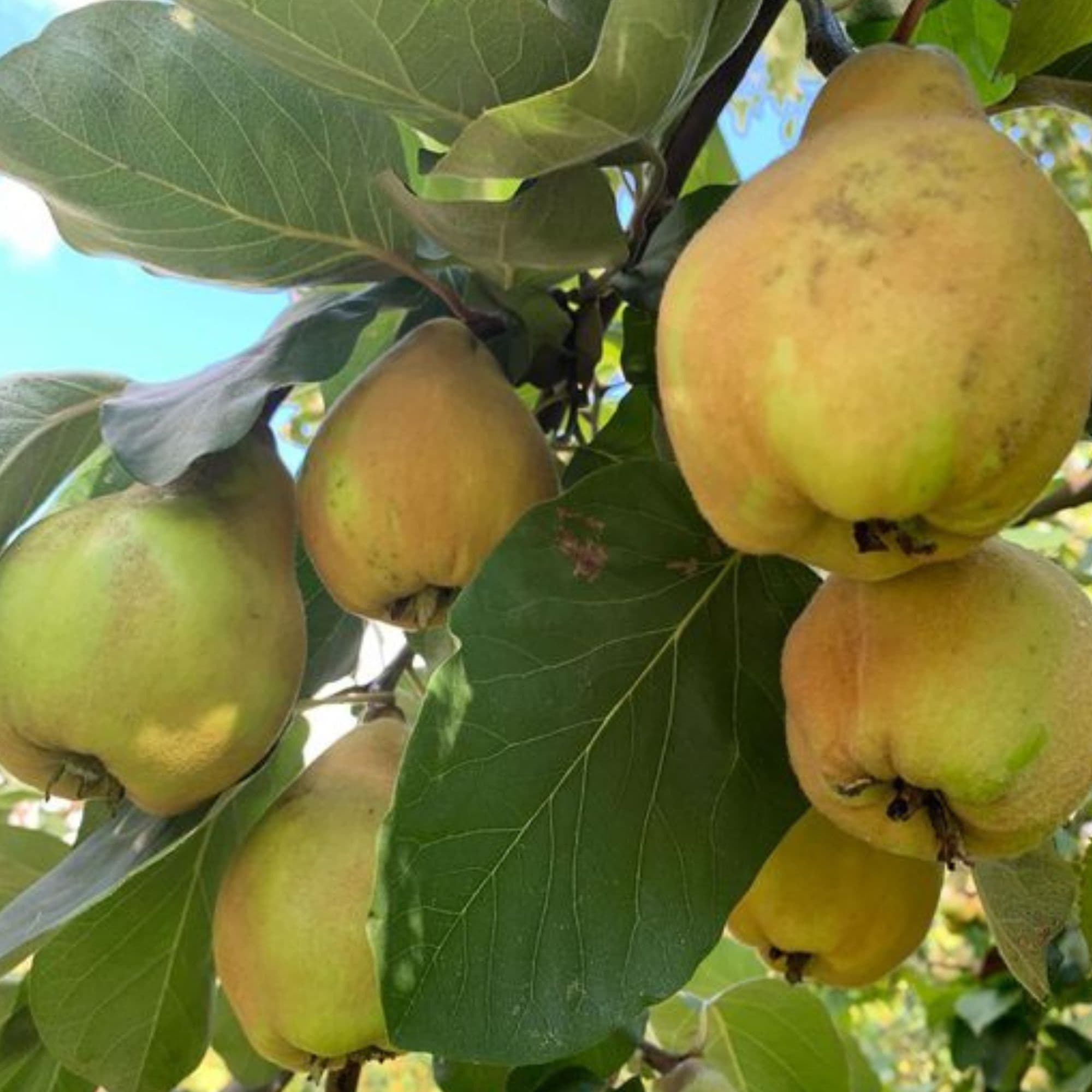
Giant of Zagreb Quince (Cydonia oblonga) SIZES ----- A - GRADE: 1 - 2 feet in height B - GRADE: 1 feet and under The Giant of Zagreb Quince is a highly productive fruiting tree known for its large, aromatic yellow fruits and its beautiful ornamental value. Perfect for home orchards, this quince variety offers not only delicious fruit but also stunning spring blooms. Key Features: Hardiness Zone : Thrives in Hardiness Zones 5 to 9, making it suitable for a wide range of climates. Soil Type : Prefers well-drained, fertile loamy soils but is adaptable to sandy and clay soils. Good drainage is essential to avoid root rot. Height and Width : Reaches a mature height of 10 to 15 feet and spreads 8 to 10 feet, making it ideal for smaller gardens or as part of a fruit orchard. Fruit Size : Produces large, golden-yellow fruits that can grow up to 4 inches in diameter, with firm, aromatic flesh perfect for culinary use. Growth Habits: Growth Rate : Moderate growth rate with a bushy, rounded canopy. It’s a deciduous tree that sheds its leaves in winter. Flowering Time : Blooms in mid-spring, producing delicate, pale pink to white flowers that add ornamental beauty to your garden and attract pollinators. Caring for Your Giant of Zagreb Quince: Sunlight : Requires full sun to partial shade for optimal fruit production. Ensure it gets at least 6 hours of direct sunlight daily. Watering : Water regularly during the first growing season to establish a deep, extensive root system. Once established, water deeply but less frequently, ensuring the soil stays moist but not waterlogged. Fertilization : Apply a balanced fertilizer in early spring to promote healthy growth and fruiting. Mulching around the base can help retain soil moisture and control weeds. Harvesting Quince Fruit: Ripening : The fruits ripen in late fall (September to October), turning a golden-yellow color and emitting a fragrant aroma when ready for harvest. Harvesting Tips : Harvest quince when they are fully ripe and fragrant. Unlike most fruits, quinces are best when cooked, as they are quite hard and astringent when raw. Culinary Uses: The Giant of Zagreb Quince produces fruits that are perfect for: Making jams, jellies, and marmalades. Baking into pies, tarts, and desserts. Cooking into sauces or poaching to bring out the rich flavor and aroma. Additional Information: Pollination : The Giant of Zagreb Quince is self-fertile but will benefit from cross-pollination with other quince varieties to increase fruit yield. Pests and Diseases : Generally resistant to most pests, though occasional monitoring for aphids, fire blight, or leaf spots is recommended. Pruning for airflow can help reduce disease risk. Ornamental Value: In addition to its productive fruit, the Giant of Zagreb Quince adds aesthetic beauty to any landscape with its attractive spring blooms and lush green foliage throughout the growing season. Add the Giant of Zagreb Quince to your garden or orchard today for a stunning tree that offers both ornamental appeal and delicious, aromatic fruit!
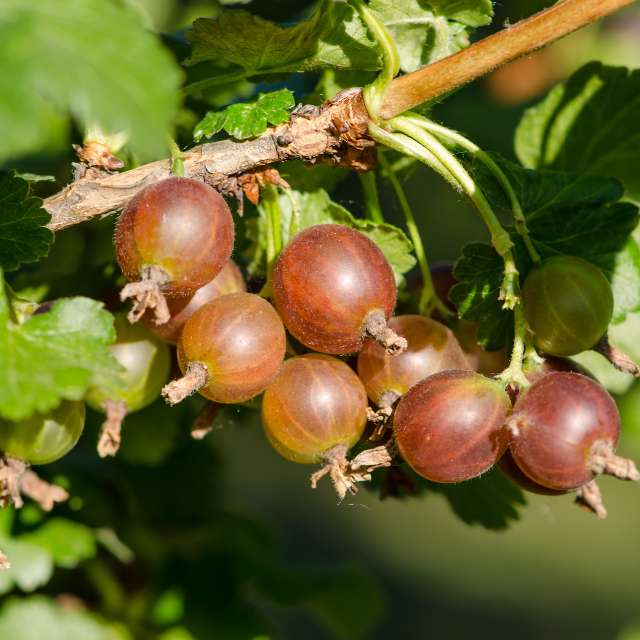
Grow Your Own Delicious Gooseberries: Are you ready to transform your garden into a haven of sweet-tart goodness? Our Gooseberry Plants are the answer. With a host of benefits and easy care instructions, these shrubs are the perfect addition to your outdoor space. Goosberry Plants Hardiness Zone : Suitable for Zones 3-8, our Gooseberry Plants are tailored for northern climates, thriving in colder temperatures. Ideal Soil Type : These hardy shrubs prefer well-draining, loamy soil with a slightly acidic to neutral pH level (around 6.0 to 7.0). Fruit Size : Expect a bounty of small to medium-sized, delectable gooseberries, perfect for snacking or transforming into pies, jams, and preserves. Height of Plant : Our Gooseberry Plants reach a manageable height of 3 to 5 feet, making them a practical addition to any garden. Flowering Time : In early spring, your Gooseberry plant bursts into bloom with delicate, greenish-white or pink blossoms, attracting essential pollinators to your garden. Growth Habits : These plants feature a bushy and compact growth habit, making them ideal for small gardens, borders, or even container gardening. Their lush green foliage adds visual appeal year-round. What to Do with the Fruit of your Gooseberry Plants : Your Gooseberry harvest offers endless culinary possibilities. Enjoy them fresh, add them to salads, create mouthwatering pies, or craft tangy jams and jellies. The versatility of gooseberries will inspire your culinary creativity. Ripeness Indicator : Your gooseberries are ready for picking when they turn plump, soft, and slightly translucent, usually in mid to late summer. It's a clear sign they are at the peak of ripeness and flavor. Additional Requirements : Sunlight : Ensure your Gooseberry shrub receives at least 6-8 hours of sunlight daily for abundant fruit production. Watering : Keep the soil consistently moist, especially during the growing season, to support healthy growth and fruit development. Pruning : Regular pruning in late winter or early spring is essential to maintain shape and encourage new growth. Pollination : While some varieties are self-pollinating, consider planting multiple Gooseberry Plants to boost fruit production. Winter Care : In colder regions, provide winter protection to shield your plant from extreme temperatures. Why Choose Our Gooseberry Plants : Expertly Cultivated : Our Gooseberry Plants are grown with expertise, ensuring you receive robust, healthy specimens ready to thrive in your garden. Canadian Adaptability : Specifically chosen for Canadian climates, our Gooseberry Plants are hardy and built to withstand the challenges of Canadian winters. Abundant Harvests : Enjoy a plentiful supply of sweet-tart gooseberries, perfect for all your culinary adventures. Compact and Versatile : These shrubs fit into gardens of all sizes and can be incorporated into various garden styles, from traditional to modern. Beautiful Year-Round : Beyond the delicious fruit, your Gooseberry Plant provides year-round beauty with its attractive foliage and early spring blooms. Gooseberry plants for sale: Ready to elevate your gardening game and savor the joys of homegrown gooseberries? Our Gooseberry plants for sale are a delightful addition to any garden. Order now and look forward to a fruitful harvest that will add a burst of flavor to your culinary creations.
Golden Willow: Winter wonderland and summer greens. Introduction: Discover the captivating charm of the Golden Willow – an elegant and vibrant deciduous tree admired for its striking golden-yellow twigged branches and fast growth habits. A Grade (Ground-Ready): Stronger, thicker stems for instant planting. B Grade (Ground-Ready): Smaller than A grade and suitable for planting directly in the ground. Key Features: Hardiness Zone (2-9): Thriving in hardiness zones 2 to 9, the Golden Willow displays resilience across diverse climates, making it a versatile choice for a variety of landscapes. Soil Preferences: Golden Willows prefer, moist soil. They can tolerate a variety of soil types, including loamy or sandy soils, but perform best in consistently moist conditions. Great in standing water by rivers, lakes, streams. Height and Width: Keep them pruned every couple of years and they will produce beautiful yellow twigs and branches in a stunning display or 6 feet in height = being a small shrub. OR Let them become a mighty tree and reach heights between 30 to 50 feet and spread approximately 30 to 40 feet wide, providing a substantial and attractive presence in gardens and along water bodies. Flowering Time: While Golden Willows produce inconspicuous flowers in spring, it's the vibrant foliage that steals the show with its brilliant golden-yellow hues, creating a stunning display in the landscape. Fast Growth Habits: Renowned for its rapid growth, the Golden Willow establishes quickly, forming a graceful shrub and adding a bright touch to any setting. Can grow 5 foot branches in its first year. Keep pruned every few seasons to keep the young wood. Leaf Colors: Throughout the growing season, these trees flaunt their beautiful green leaves, creating a striking contrast against the landscape. Winter time unvails the lovely goldenyellow branches that stops you in your tracks against those white snowy days. Additional Requirements: Sunlight Needs: Golden Willows thrive in full sun to partial shade, making them adaptable to various light conditions in different locations. Watering and Maintenance: Consistent watering is essential, especially during the establishment period. Minimal pruning is required; remove dead or damaged branches to maintain tree health. Soil pH and Other Considerations: While adaptable to various soil types, these trees can thrive in slightly acidic to neutral soil pH. Regular fertilization may help maintain vibrant foliage colors. Conclusion: With its stunning golden-yellow foliage, adaptability, and rapid growth, the Golden Willow stands as a versatile and eye-catching choice for bringing a bright and cheerful ambiance to any garden or landscape. Whether as a focal point or as part of a larger planting scheme, these trees offer enduring beauty and charm.
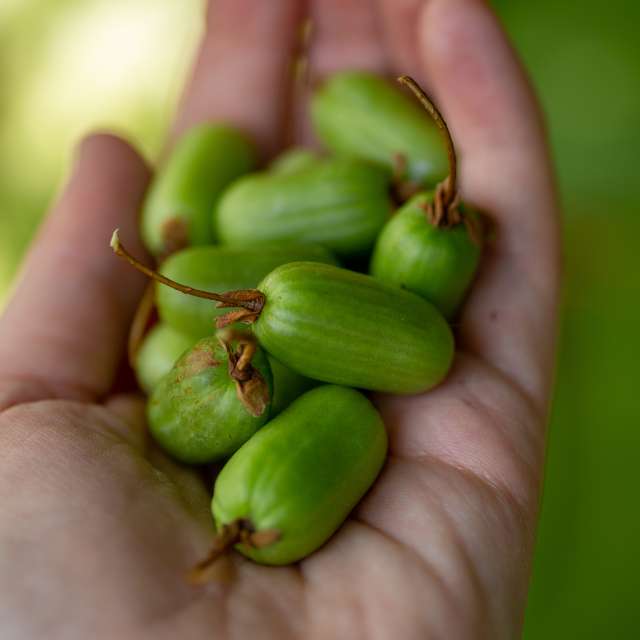
Hardy Kiwi Canada. The Hardy Kiwi Vine, (female) scientifically known as Actinidia arguta, offers a unique twist on traditional kiwi fruits. It's a vigorous, deciduous vine that's native to East Asia, and it has earned the nickname "Arctic Kiwi" due to its cold-hardiness, making it suitable for a variety of climates. Little Tree Farm are thrilled to offer you the opportunity to bring this exotic vine to your garden. Hardiness zone: 4- 9 Hardy kiwi plants need a male and a female plant to be close by. Choose one male kiwi for every 8 female kiwi plants. This will ensure pollination of the female plant which will grow into the fruit you can enjoy. Sizes Explained A Grade (Ground-Ready): Stronger, thicker stems for instant planting. B Grade (Ground-Ready): Smaller then A grade and suitable for planting directly in the ground. Pot-Ready : Start in a pot or nursery bed for one season before transplanting. Key Features Hardy kiwi produces smooth, bite-sized kiwis with intensely sweet, tangy flavour—no peeling required. Much more cold-tolerant than grocery-store kiwi, thriving in northern climates where standard kiwi cannot survive. Fast-growing vines with lush, tropical-looking foliage that add beauty to arbors, trellises, pergolas, and fences. Begins producing abundant clusters of small green kiwis once established, typically within 3–5 years . Excellent for fresh eating, dehydrating, desserts, and home winemaking. Growth & Planting USDA Planting Zone: 4–8 Sunlight: Full sun for highest fruit production. Soil: Moist, well-drained soil rich in organic matter; avoid waterlogged sites. pH Range: 5.5–7.0 Spacing: 10–15 ft between vines; give strong trellis support. Mature Size: Vigorous vines reaching 15–25 ft or more. Pollination: Requires one male plant for every 6–8 female plants to produce fruit (unless it is a self-fertile variety like Issai). Why Grow Hardy Kiwi? Produces tropical-flavoured fruit in a cold climate—something most growers never expect. Heavy-yielding and long-lived once established, providing years of abundant harvests. Ideal for homesteads, food forests, and gardeners looking for a unique, productive, and resilient fruiting vine. Appearance: The Hardy Kiwi Vine is a lush and vigorous climber, known for its heart-shaped leaves that create a stunning green canopy during the growing season. It bears small, delectable kiwi fruits that are typically about the size of a grape, offering a delightful alternative to the larger, more common kiwifruits you may be familiar with. Flavor and Culinary Versatility: What truly sets the Arctic Kiwi apart is the flavor of its fruits. These petite treasures pack a punch of tart and sweet, often described as a cross between kiwi and strawberries. Their smooth, edible skin makes them an easy and convenient snack, and they are a culinary delight in desserts, salads. Cultivation: Hardy Kiwi Vines are renowned for their adaptability. They thrive in a wide range of climates, including cooler regions, which is a testament to their hardiness. Proper care and support, such as trellising, will encourage these vines to flourish and bear fruit for years to come. Why Choose the Hardy Kiwi Vine? If you're seeking a unique and rewarding addition to your garden, the Arctic Kiwi is an excellent choice. Its cold-hardiness, exquisite flavor, and culinary versatility make it a standout option for both experienced gardeners and newcomers. Plus, it's a conversation starter at garden gatherings, as friends and family marvel at this intriguing twist on the traditional kiwifruit. Hardy Kiwi Vine For Sale: Place your order today at our online nursery. We offer healthy, vibrant vines that will not only enhance your landscape but also tantalize your taste buds. Embark on a flavorful journey with the Hardy Kiwi Canada Vine.
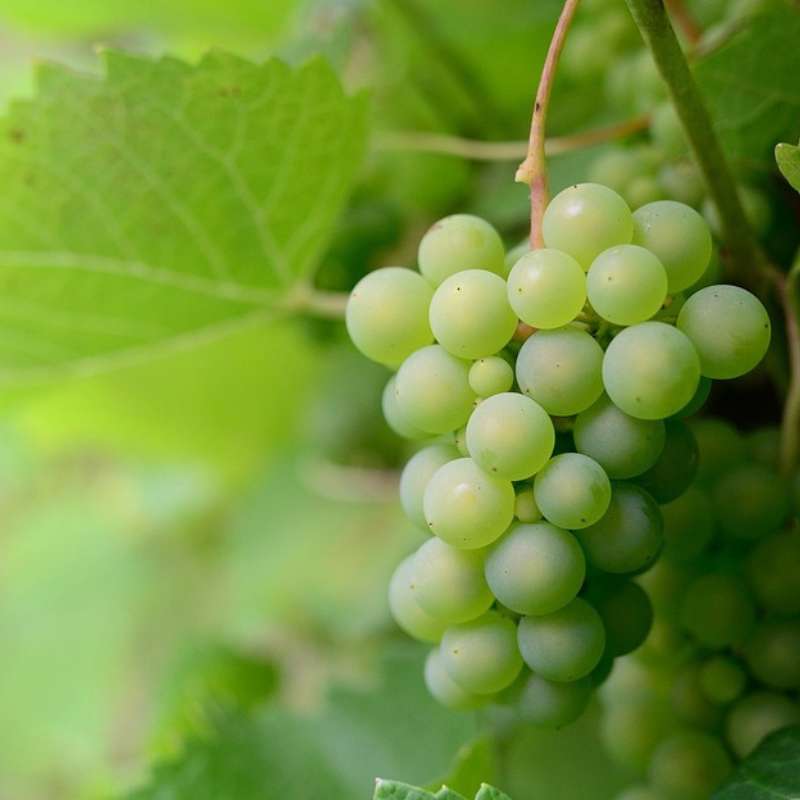
Discover Pure Delight with Our White Eating Grapes Indulge in the succulent sweetness of homegrown White Eating Grapes. Here's why you'll love these delectable fruits: Hardiness Zone Perfect for Hardiness Zones 5-8, our White Eating Grapes thrive in a variety of climates, ensuring a fruitful harvest in your region. Ideal Soil Type White Eating Grapes flourish in well-draining, loamy soil with a slightly acidic to neutral pH level (around 6.0 to 7.0). Prepare your garden bed with ample organic matter to encourage robust growth. Fruit Size Savor plump, juicy white grapes, known for their sweet, refreshing taste. These grapes are generously sized, perfect for fresh snacking and delightful when used in desserts. Plant Size Our White Eating Grapevines typically reach heights of 6-8 feet and span 8-10 feet in width, creating an elegant and productive addition to your garden. Flowering Time These grapevines burst into bloom in early to mid-spring, producing clusters of delicate white flowers that give way to the delicious fruit. Growth Habits White Eating Grapes exhibit a climbing growth habit, requiring a sturdy trellis or support system to flourish. They are known for their lush green foliage and graceful vines. What to Do with the Fruit Your White Eating Grapes are perfect for fresh enjoyment, making delightful additions to fruit platters and salads. They are also ideal for crafting white wine, juices, and preserves. Ripeness Indicator Harvest your white grapes when they achieve a translucent appearance and a sweet aroma. Typically, they ripen in late summer to early fall, offering a taste of pure sweetness. Additional Requirements - Sunlight: Ensure your White Eating Grapevines receive at least 6-8 hours of sunlight daily for optimal fruit production. - Watering: Maintain consistently moist soil, especially during the growing season, to support healthy growth and fruit development. - Pruning: Regular pruning and training are necessary to manage the vines and encourage fruit-bearing canes. - Pollination: White Eating Grapes are self-pollinating, simplifying the cultivation process. - Disease Prevention: Implement proper vine care and management to prevent common grapevine diseases. Why Choose Our White Eating Grapes - Pure Sweetness: Experience the delight of sweet, succulent white grapes in your garden. - Abundant Harvest: These vines produce ample fruit, allowing you to enjoy the taste of your labor. - Perfect for Fresh Snacking: Add a touch of elegance to your fruit platters with these juicy, refreshing grapes. - Craft Delicious Treats: Use your harvest to create exquisite white wines, juices, and homemade preserves. - Elegant Garden Addition: The graceful vines and lush foliage of White Eating Grapevines enhance the aesthetic appeal of your outdoor space. Elevate your garden and your culinary creations with White Eating Grapes. Order now and look forward to a season of pure delight and sweet satisfaction.
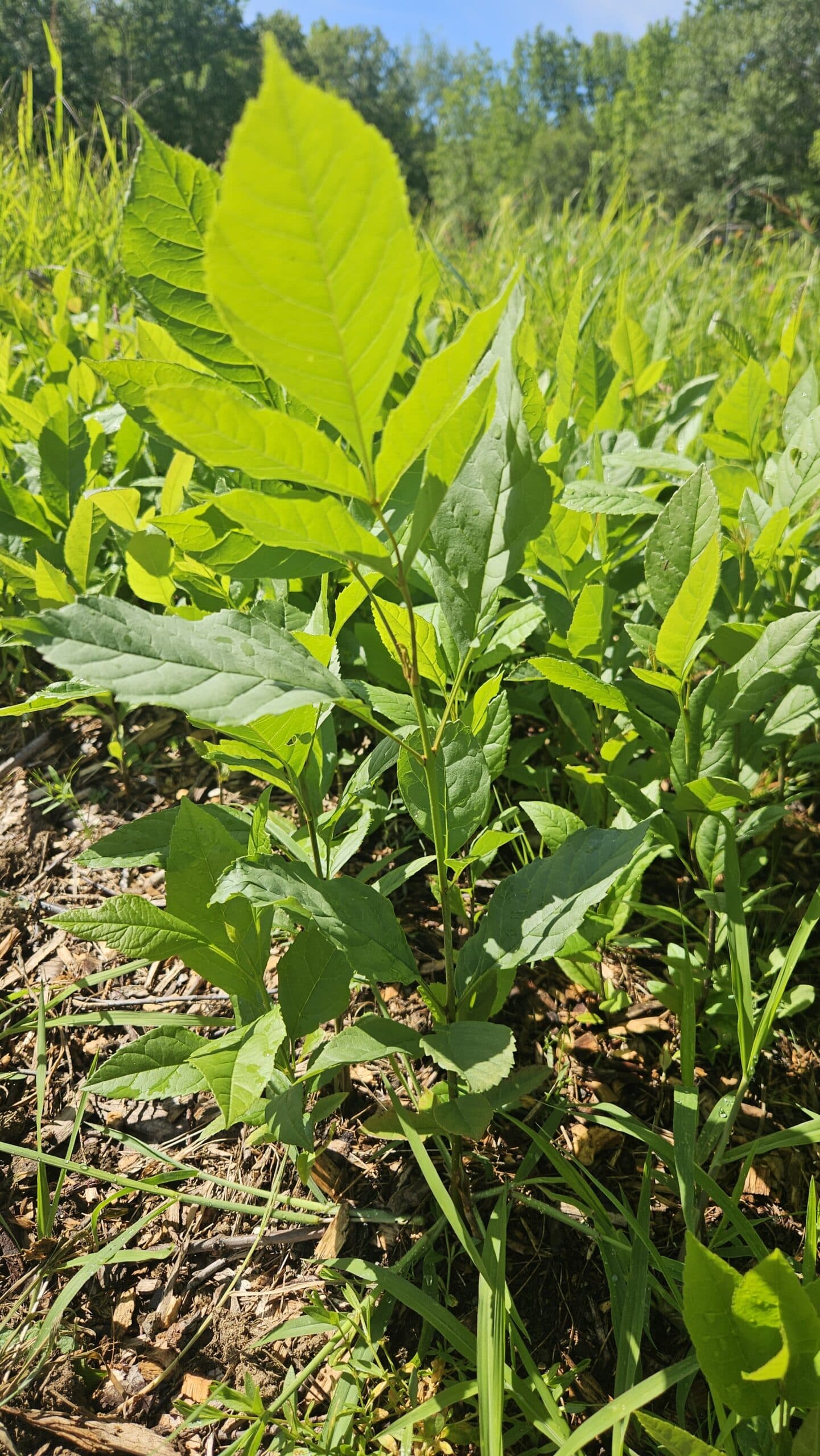
The Ultimate Zone 2 Shade Tree: Native Green Ash (Fraxinus pennsylvanica) Green Ash (Fraxinus pennsylvanica) is one of North America’s most adaptable and widely planted native shade trees, valued for its fast growth, cooling canopy, and exceptional hardiness. As a Canadian native species, it supports local ecosystems while thriving in a wide range of conditions. Key Features & Benefits Superior Shade Forms a large, rounded crown that provides deep shade—reducing summer cooling costs and improving outdoor comfort. Stunning Fall Colour Displays bright golden-yellow fall foliage that holds late into the season before leaf drop. Unmatched Adaptability Thrives in sandy, loamy, or clay soils, and tolerates both temporary flooding and periodic drought. Wildlife Haven Its seeds (samaras) offer an important food source for birds such as wild turkeys and cardinals, as well as small mammals during fall and winter. Addressing EAB: Our Commitment to Trust and Sustainability We know that choosing an Ash tree requires confidence due to Emerald Ash Borer (EAB). At Little Tree Farm NS, we take clear steps to ensure reliability: Healthy, Vigorous Stock We ship strong, young trees that establish quickly and are better suited to tolerate environmental stress and potential EAB pressure. Cultivar Focus Purchasing a named cultivar (such as ‘Patmore,’ a seedless, cold-hardy selection) ensures reliable structure and proven performance. Proactive Management EAB is manageable. We provide post-planting care instructions and guidance on preventative trunk injection treatments for customers in EAB-active zones. Treatments are highly effective and typically required every 1–3 years once the tree reaches an appropriate size. Specifications & Planting Guide Specification Details Scientific Name Fraxinus pennsylvanica Native Range Central and Eastern North America; native to Eastern Canada (including Nova Scotia) Canadian Hardiness Zone 2–9 Mature Height 15–25 m (50–70 ft) Mature Spread 10–15 m (35–50 ft) Light Requirements Full sun (6+ hours daily) Soil Preference Prefers moist, well-drained loam; tolerates sand, clay, and alkaline soils Growth Rate Fast (up to 2 ft per year when young) Green Ash FAQ Q: Is Green Ash safe to plant with the Emerald Ash Borer threat? A: Yes, with proactive management. While EAB is a serious pest, Green Ash remains ecologically valuable and structurally strong. Check local EAB activity; in high-risk zones, preventative trunk injections performed by a certified arborist provide reliable protection and are required only every 1–3 years. Q: How fast does the Green Ash grow? A: Green Ash is one of the fastest-growing shade trees, commonly adding 1.5 to 2 feet of growth per year under ideal conditions. Q: Do Green Ash trees require special soil? A: No. Green Ash is regarded as the most adaptable Ash species. It tolerates wet or periodically flooded soil as well as extended dry periods once established, making it an excellent choice for urban or challenging sites.
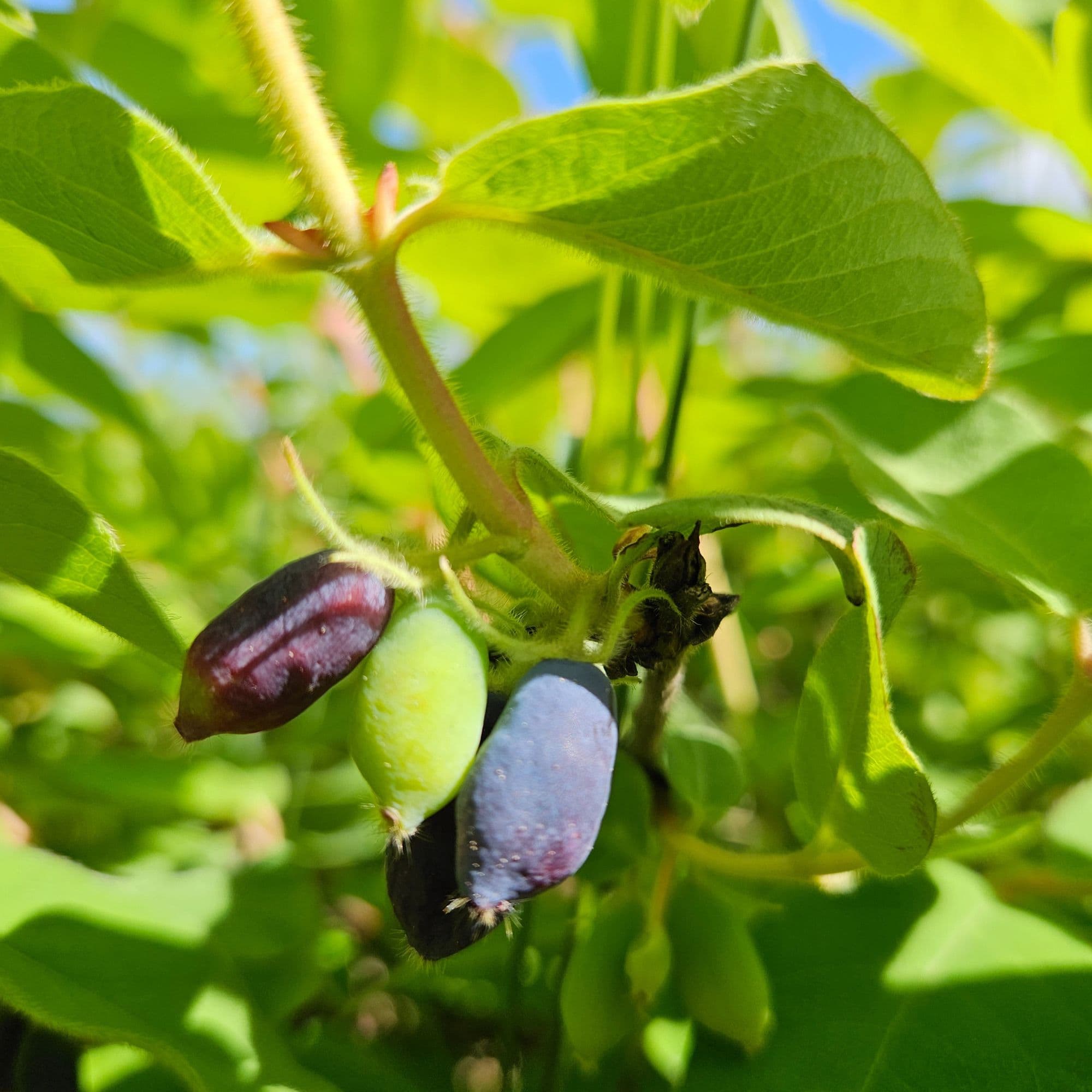
Haskap Plant The Haskap plant, also known as Honeyberry plant, is a cold-hardy fruiting shrub perfect for adding delicious, nutrient-packed berries to your garden. With its early ripening fruit, cold tolerance, and easy care, the Haskap is a must-have for gardeners in cooler climates. Key Features: Hardiness Zone : Thrives in Hardiness Zones 2 to 7, making it ideal for cold climates where other berry plants may struggle. Soil Type : Prefers well-drained, slightly acidic to neutral soils with good organic matter. It can tolerate heavier soils but avoid waterlogged areas. Height and Width : Typically grows to 4 to 6 feet tall and 4 to 5 feet wide, making it a manageable size for home gardens or smaller spaces. Fruit Size : Produces elongated, blueberry-like fruits that are 1 to 1.5 inches long. The berries are rich in antioxidants and have a sweet-tart flavor. Growth Habits of the Haskap Plant: Growth Rate : Moderate growth rate, reaching maturity and bearing fruit in 2 to 3 years after planting. Flowering Time : Blooms in early spring (April), often before other fruit-bearing plants. The small, pale yellow flowers are frost-tolerant and attract pollinators. Caring for Your Haskap Plant: Sunlight : Requires full sun to partial shade for optimal growth and fruit production. Aim for at least 6 hours of direct sunlight daily. Watering : Regular watering is necessary, especially during dry spells. Ensure the soil is consistently moist, particularly during fruit development. Fertilization : Apply a balanced fertilizer in early spring before new growth begins to support healthy plant development and fruiting. Harvesting Haskap Berries: Ripening : The berries ripen in late spring to early summer (May to June), earlier than most other fruits. Harvesting Tips : Wait until the berries are fully ripe (dark blue to black color) for the best flavor. They can be eaten fresh, used in jams, jellies, or baked goods, or frozen for later use. Additional Information: Pollination : Planting at least two is necessary to ensure good fruit production. Wildlife Benefits : The flowers attract pollinators like bees, and the berries are a great food source for birds if left unharvested. Uses for Haskap Berries: The flavorful and nutritious Haskap berries can be used in a variety of ways: Eat fresh as a healthy snack. Use them in jams, jellies, sauces, and syrups. Add them to smoothies, yogurt, or baking recipes for a burst of flavor. Freeze them for future use in desserts or savory dishes.
Every tree, shrub, and berry in our nursery is grown in Nova Scotia and selected for real Canadian conditions — short summers, cold winters, and everything in between. Whether you're planting a nut orchard, a berry patch, or restoring habitat with native plants, start with your hardiness zone and plant with confidence.
 In Stock